
Library | Finance relevance
General / All finance professionals
Refine
1353 results
REFINE
SHOW: 16


Rust in motion: The political environmental trap of vehicle tax exemptions
This research examines Brazil's vehicle tax exemptions, finding that lower age thresholds increase fleet age, pollution and infant health risks. It identifies a 'political environmental trap', where raising exemption ages leads to significant electoral penalties for incumbents, despite the policies resulting in a net welfare loss.
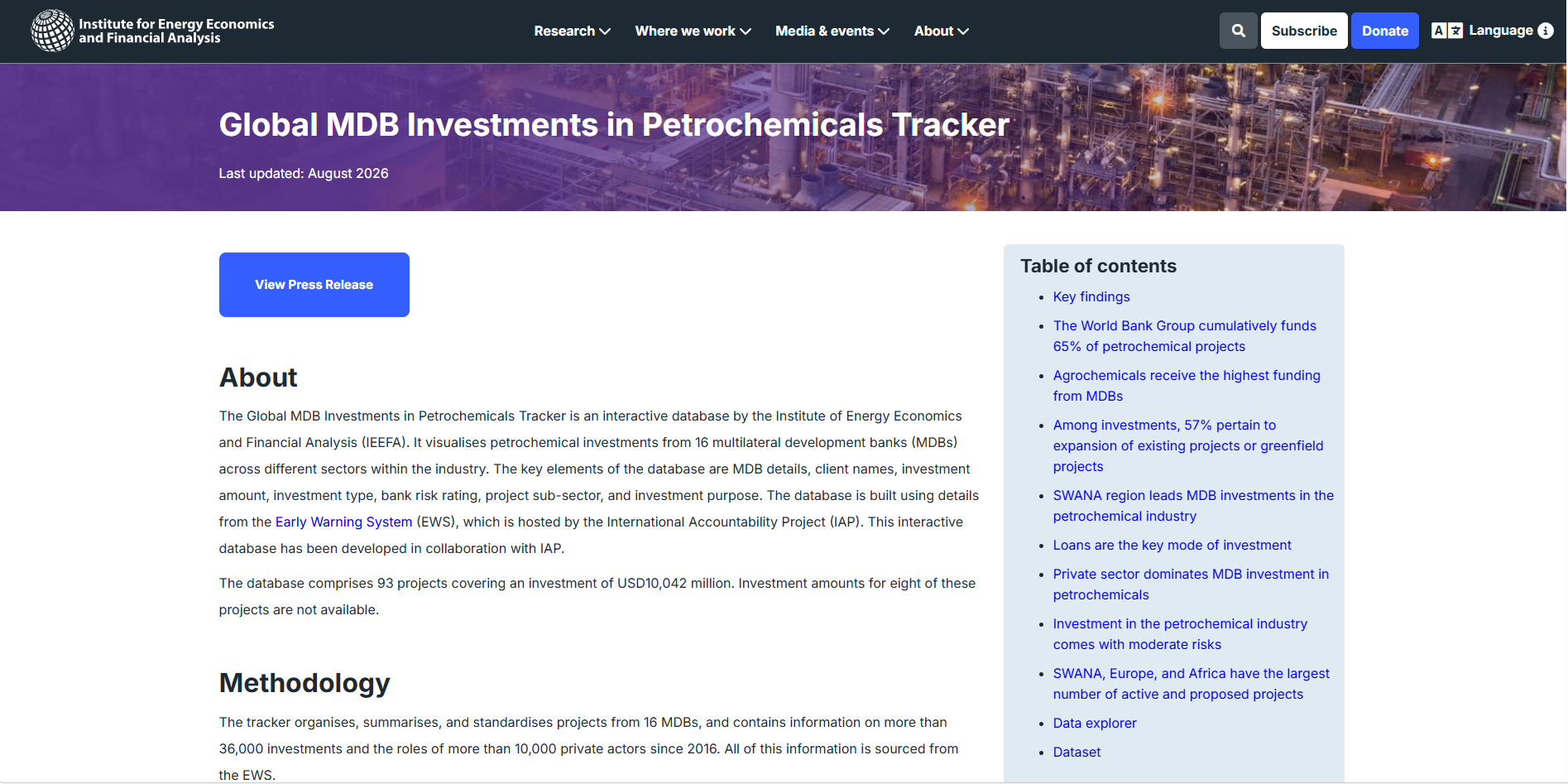
Global MDB Investments in Petrochemicals Tracker
An interactive database and map developed by IEEFA and IAP that tracks over USD 10 billion in petrochemical investments from 16 multilateral development banks, highlighting institutional exposure to fossil-fuel-intensive projects.
Transition Plan Taskforce Resources
A suite of guidance materials, including the TPT Disclosure Framework and sector-specific guides, designed to help organisations create and disclose robust climate transition plans in alignment with IFRS S2.
DERA Preismonitor
Published by the German Mineral Resources Agency (DERA), the Preismonitor provides monthly price tracking for over 80 mineral raw materials and 15 recycling materials. It serves as a vital tool for monitoring commodity market trends and assessing supply chain risks.
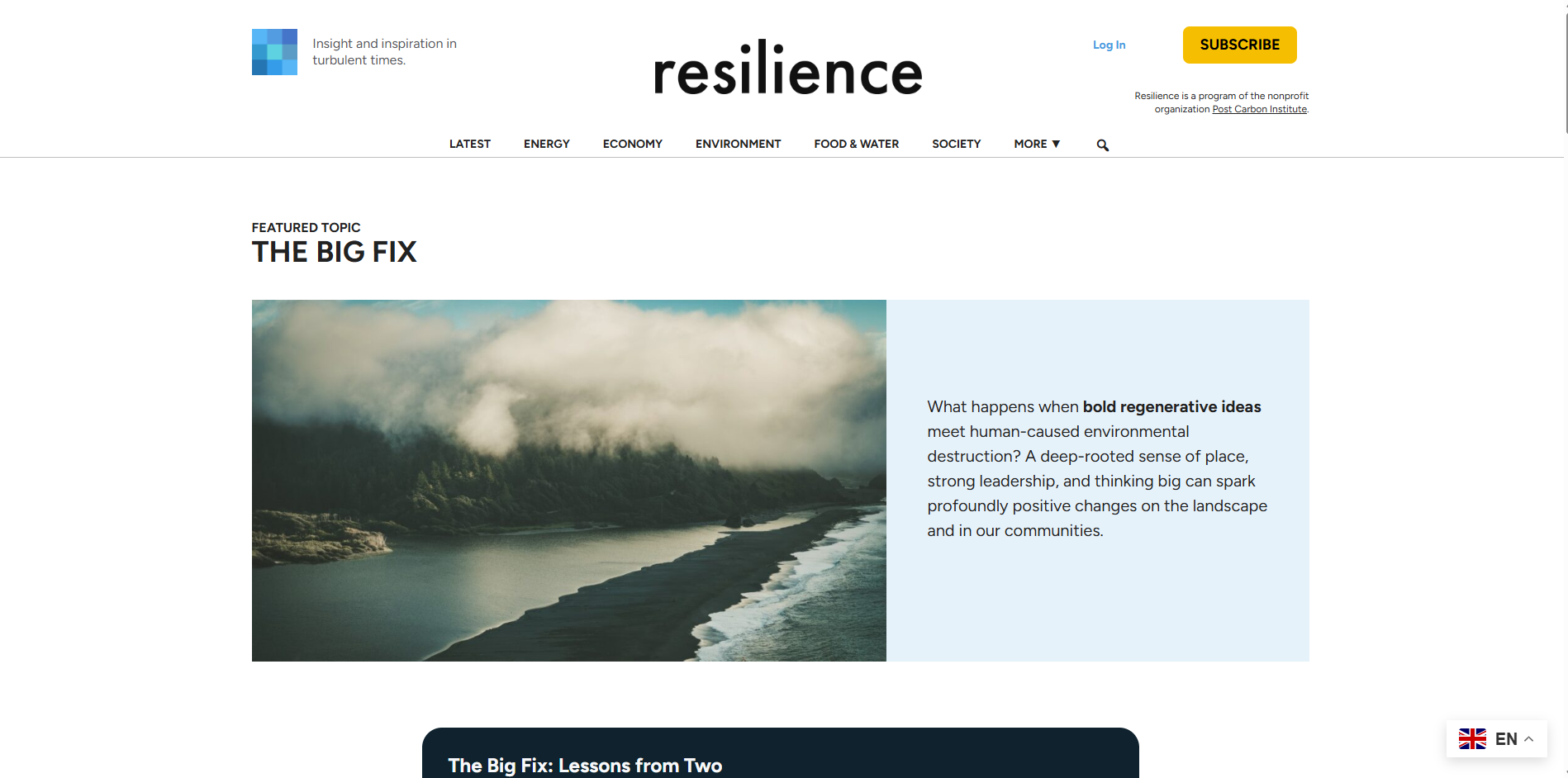
The Big Fix Resource Collection
The Big Fix is a resource hub from Resilience.org and the Post Carbon Institute focused on systemic resilience. It provides curated research and news to help professionals understand and navigate the interconnected ecological and economic challenges of the 21st-century polycrisis.
Investing in tomorrow: The electrification opportunity
New Zealand households and businesses could save $10.7 billion annually by 2040 through electrification. This report details how replacing fossil fuel appliances and vehicles with electric alternatives, supported by solar and batteries, reduces total energy use by 70% and provides cumulative national savings of $95 billion while substantially cutting emissions.
Hot summer economics: Economic effects of the hot European summer of 2026
This report examines the economic impact of the 2026 European heatwave, estimating a 1% reduction in EU-wide GDP. It details effects on labour productivity, agriculture, and energy sectors while warning of a 'doom loop' where climate damage leads to the weakening of environmental policies to protect short-term growth.

Super-duper El Nino and the bigger problem
This report analyses the 2026 super El Nino, identifying it as the strongest in the modern record. It discusses accelerating human-made global warming, the doubling of Earth’s energy imbalance, and severe health implications. Findings highlight that rising temperatures significantly increase mortality risks for vulnerable populations across Europe and Asia.

Urban planning for the circular economy: A spatial turn in theory and practice
This report examines how urban planning can operationalise the circular economy by addressing spatial dimensions. Drawing on European city experiences, it explores circular developments, infrastructure, land management and multi-level governance. It provides strategic directions for integrating circularity into core planning instruments to support systemic, territorially grounded transitions.

Weekly cat report: Review of global catastrophe activity
This series provides a weekly review of global catastrophe activity, covering meteorological events and preliminary financial loss estimates. It tracks natural disasters such as severe convective storms, flooding, and landslides across multiple regions to assist in risk assessment. This report is part of a regular series.

Oil market report series
This monthly series provides a comprehensive analysis of global oil market fundamentals, including supply, demand, refinery throughputs, and price developments. Produced by the International Energy Agency, it offers detailed data and forecasts to support evidence-based decision-making. This document is part of a benchmark series.
Systems stewardship: Managing interconnected climate risks for lasting value
This report examines how Australian investors apply systems stewardship to manage interconnected climate risks. It identifies key practices, such as collaborative engagement and policy advocacy, while highlighting barriers like resource constraints. Six recommendations are provided to help investors safeguard long-term returns and support a net-zero transition.
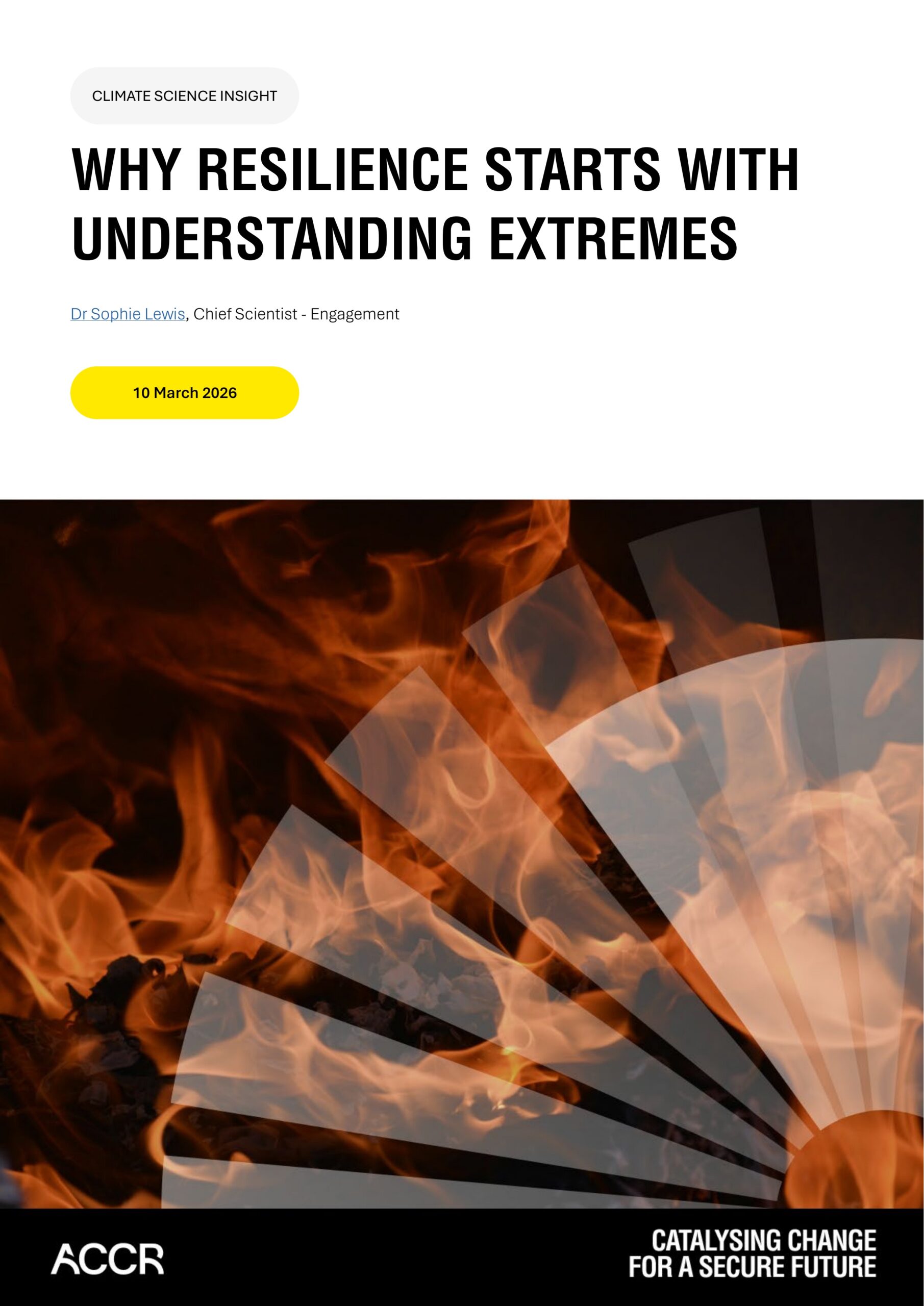
Why resilience starts with understanding extremes
Climate resilience requires understanding high-impact, low-probability tail risks. Rising temperatures are transforming extreme events into common occurrences. Using examples like the 2025 Los Angeles wildfires, this report advocates for assessing high-end warming scenarios and tipping points to evaluate the robustness of portfolios and assets against cascading physical risks.
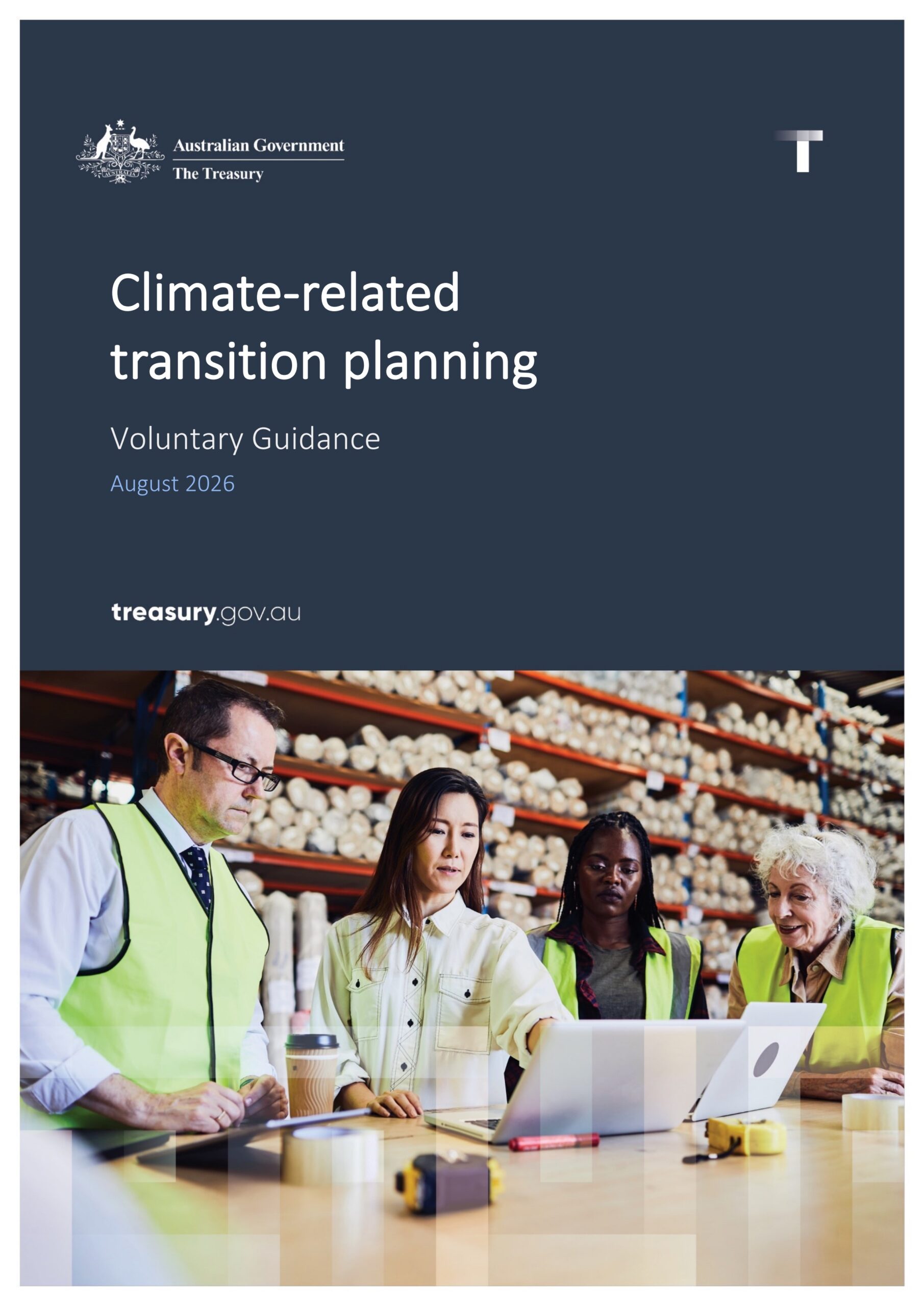
Climate-related transition planning: Voluntary guidance
This voluntary guidance from the Australian Treasury helps organisations develop climate-related transition plans. It details a four-stage process—assessing position, setting ambitions, planning actions, and implementation—to manage risks and align with Australia’s net zero targets, building on international standards and domestic policy to enhance business resilience.
Off the books: Practical guidance for business
This report provides practical guidance for Australian businesses to identify and address migrant worker exploitation. Based on a survey of 9,963 temporary visa holders, it highlights risks like ABN misclassification, casual employment, night shifts, and misleading payslips. It offers due diligence tips and remediation steps to ensure compliance.
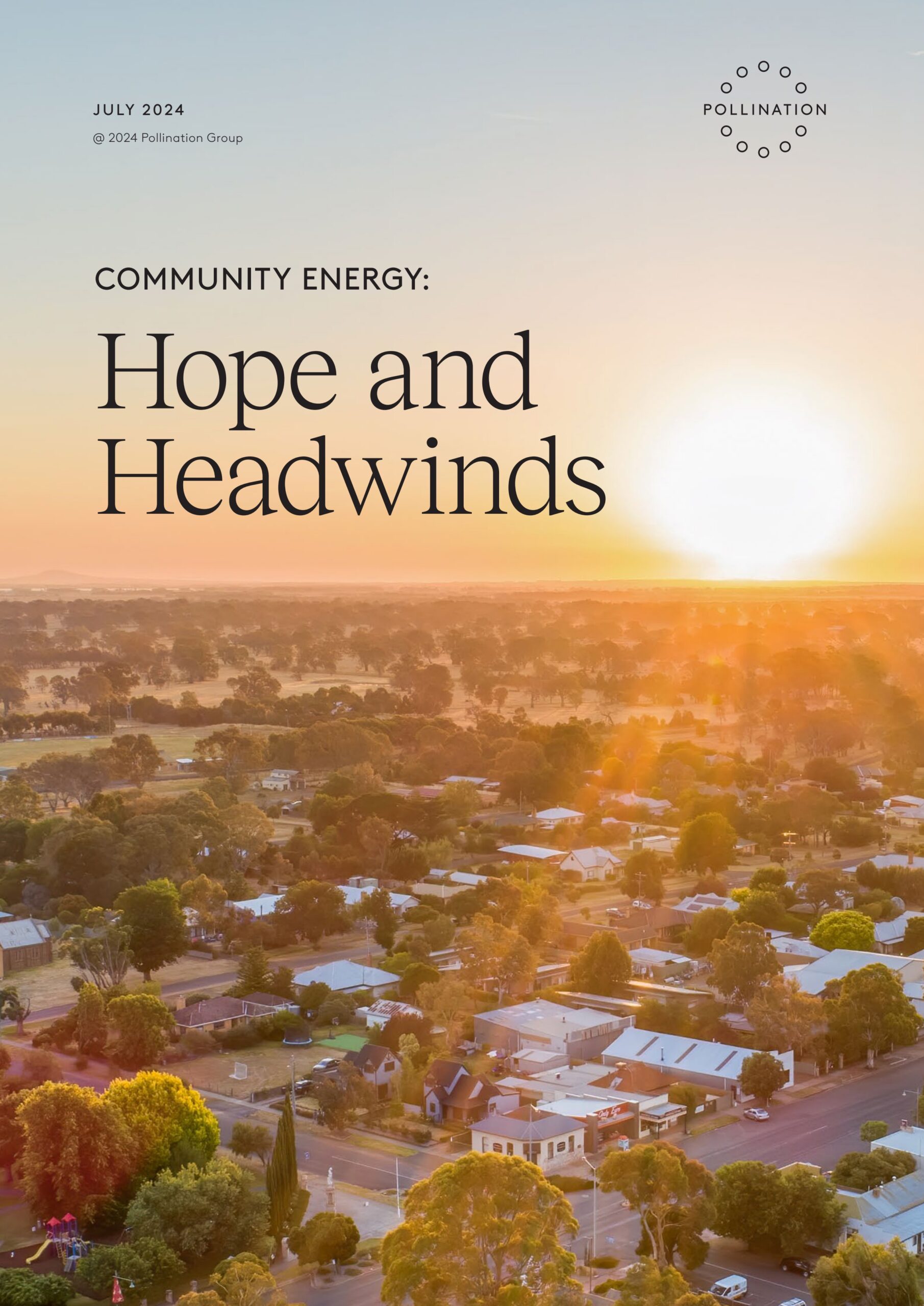
Community energy: Hope and headwinds
This report examines the Australian community energy sector, highlighting growth to over 126 projects by 2023. It explores the tension between strong community motivations and significant economic headwinds, such as scale diseconomies and market volatility. Key findings emphasise technical expertise and de-risking strategies as essential for success.


