
Library | Finance relevance
Impact investors
Refine
595 results
REFINE
SHOW: 16


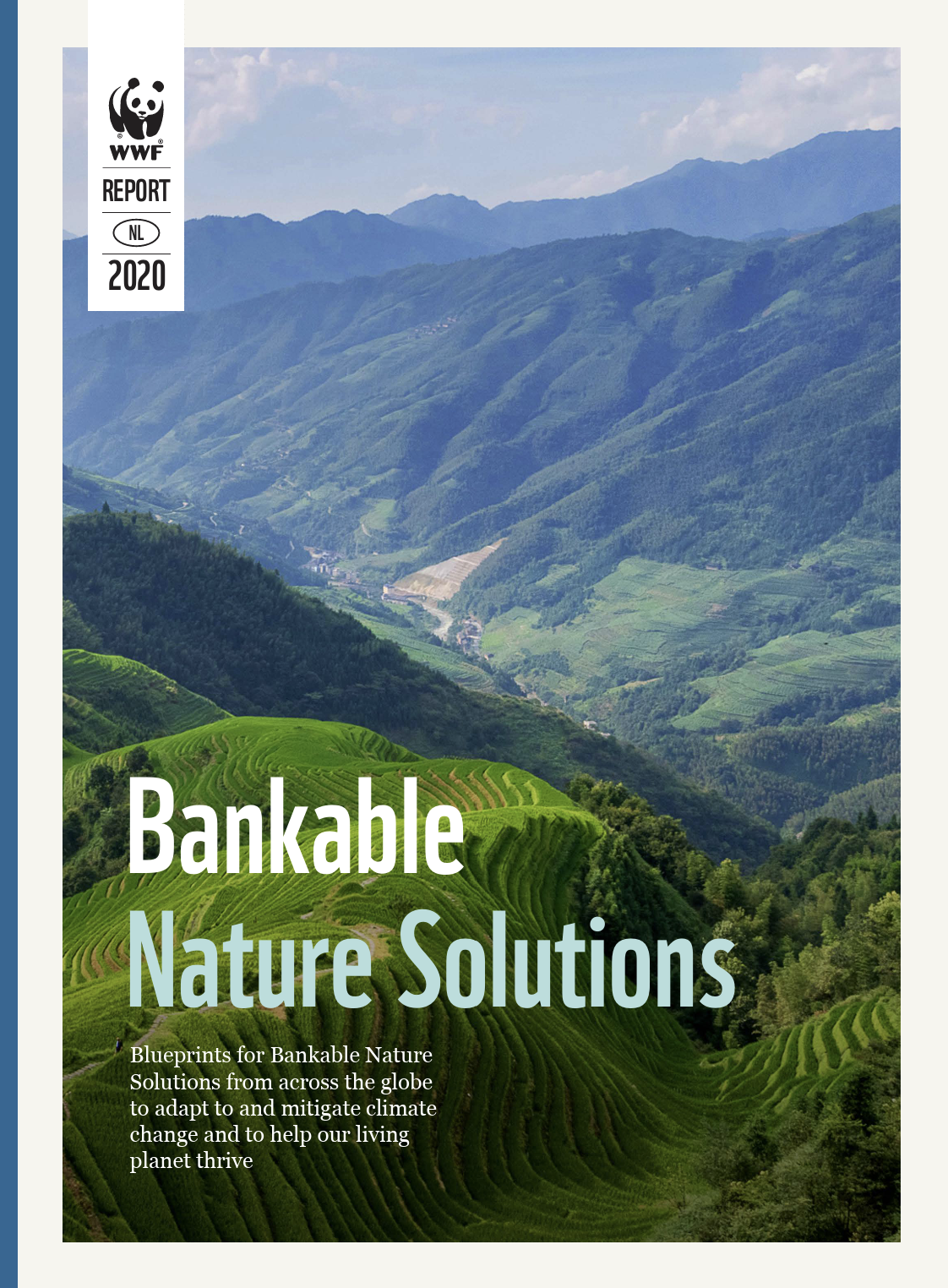
Bankable nature solutions
This report aims to support readers in understanding Bankable Nature Solutions (BNS) and start identifying and developing their own BNS project by providing Blueprints for Bankable Nature Solutions from across the globe to adapt to and mitigate climate change and to help our living planet thrive.

Introducing a standardised framework for escalating engagement with companies
ShareAction’s report introduces a standardised escalation framework for investors to engage with companies on environmental and social issues. It outlines an escalation toolkit and pathway to ensure structured, transparent, and time-bound engagement. The framework aims to enhance investor accountability, drive systemic change, and improve corporate sustainability practices through clear expectations, reporting, and enforcement mechanisms.

Green Climate Fund (GCF)
Green Climate Fund (GCF) is a global fund established by the United Nations Framework Convention on Climate Change (UNFCCC) to support developing countries in tackling climate change. It provides financing for mitigation and adaptation projects, focusing on low-emission, climate-resilient development. Funded by governments, GCF plays a key role in international climate finance.

Building disaster- and climate-resilient infrastructure through public–private partnerships
The report discusses leveraging public–private partnerships (PPPs) to build disaster- and climate-resilient infrastructure in Southeast Asia, addressing funding gaps, enhancing regulatory frameworks, and integrating resilience measures. It highlights Australian practices, aligning climate, disaster, and inclusion goals for sustainable infrastructure development.

Decarbonisation investment solutions for sectors: A discussion paper on Sector Transition Plans and their importance to investors
The report from the Investor Group on Climate Change (IGCC) discusses the development and importance of sector transition pathways to support Australia’s decarbonisation. It highlights how clear pathways aligned with the Paris Agreement can guide investment, minimise risks, and foster collaboration among investors, governments, and companies to achieve net-zero emissions by 2050.

Shifting gears: Challenges in scaling outcomes partnerships in government and strategies for success
This report explores the barriers to expanding outcomes-based partnerships in public service delivery. It provides actionable strategies for policymakers, investors, and stakeholders to enhance policy innovation and effectiveness. Key insights include addressing institutional challenges, political dynamics, and public-private collaboration for sustainable impact.
GSG Impact
GSG Impact is an organisation dedicated to integrating impact considerations into all investment, business, and government spending decisions. Operating in over 50 countries, it collaborates with leaders, investors, governments, regulators, and social innovators to enhance societal and environmental outcomes. Key focus areas include mobilising private capital for public good, ensuring impact transparency and integrity, and building impact economies globally.

Unlocking the biodiversity-climate nexus - A practitioner's guide for financial institutions
This investor guide presents three steps that financial institutions can follow to use existing tools and datasets to screen investments for exposure to nature-related risks, taking into consideration the climate-nature nexus. The guide was written by financial institutions for financial institutions.

&Bloom
&BLOOM, based in Auckland, New Zealand, is a sustainability and ESG advisory firm dedicated to helping investors and businesses integrate environmental, social, and governance practices into their strategies. With a bespoke approach, they offer services such as ESG readiness assessments, strategy development, and regulatory support.

Nature target setting framework for asset managers and asset owners
The framework seeks to create a shared understanding and common language for investors on target setting, while steering private financial flows in alignment with the mission of the Global Biodiversity Framework to halt and reverse biodiversity loss by 2030. It focuses on listed equity and corporate bonds.

Natural capital and organizations strategies: An overview of available tools
This guide outlines a variety of tools and methodologies designed to help companies integrate natural capital considerations into their business decision-making processes. It provides detailed descriptions of different tools, case studies, and practical examples, enabling businesses to assess their environmental impacts, dependencies, and opportunities. The guide aims to promote sustainable business practices by highlighting the importance of valuing natural capital.

Guidelines for blue finance: Guidance for financing the blue economy, building on the Green Bond Principles and the Green Loan Principles
This guidance document aims to provide a list of eligible use of proceeds to support private investments aligned with the Green Bond Principles and Green Loan Principles and contributing to Goals 6 and 14 of the United Nations Sustainable Development Goals — “Ensure availability and sustainable management of water and sanitation for all,” and “Conserve and sustainably use the oceans, seas and marine resources for sustainable development.” This document identifies eligible blue project categories to guide IFC’s investments to support the blue economy, in line with the Green Bond Principles and Green Loan Principles.

Reframing child labour due diligence for businesses and investors in increasingly regulated and resilience challenged supply chains
The report explores reframing child labour due diligence in supply chains, emphasising systemic solutions, collaboration, and addressing root causes. It critiques current top-down models, highlighting their inefficiencies and unintended consequences.

Infrastructure tokenization: Does blockchain have a role in the financing of infrastructure?
The report explores the potential of blockchain technology in financing infrastructure projects. It evaluates blockchain's capabilities in enhancing efficiency, transparency, and accessibility in infrastructure tokenisation, while addressing challenges like regulatory constraints, market adoption, and technical barriers. The findings highlight both opportunities and limitations for integrating blockchain into infrastructure financing.

Impact tokens: A blockchain-based solution for impact investing
The report explores the concept of impact tokens, blockchain-based tools designed to unlock investments for sustainable projects aligned with the UN Sustainable Development Goals (SDGs). These tokens enhance transparency, foster financial inclusion, improve data collection, and incentivise sustainable behaviours. Case studies illustrate applications across energy, agriculture, and waste management sectors, demonstrating potential in addressing global challenges. .

Measuring what matters: An approach for natural capital investors
This report provides guidance on the consistent measurement of emissions reduction activities across agriculture and forestry assets. This report may assist investors in agriculture and forestry to screen investment strategies and hold asset managers and operators to account for emissions reduction. This may facilitate the flow of capital into replicable sustainable activities, allowing investors and financiers to compare projects more easily and prioritise investments according to their own sustainability goals.


