
Library | Finance relevance
Impact investors
Refine
595 results
REFINE
SHOW: 16



The Other Half of the Transition: Why Livestock Deserves as Much Attention as Energy
This article highlights the major climate impact of livestock and explains why the absence of clear roadmaps, metrics, and financing strategies has left the sector far behind the energy transition. It proposes policy reforms, mitigation hierarchies, and justice-centered pathways to unlock effective and equitable change.
Business frameworks and actions to support human rights defenders: A retrospective and recommendations
The report reviews how businesses can better respect and support human rights defenders by strengthening policies, due diligence, and accountability. It outlines emerging frameworks, examples of company action, implementation challenges, and recommendations for companies, investors, multistakeholder initiatives, and States to safeguard civic freedoms and address risks linked to business activities.
Sustainable Finance Roundup November 2025: Transition Turning Points and Rising Accountability
This month’s sustainable-finance roundup highlights faster transition momentum, rising physical risks and a tightening focus on accountability. COP30 reinforced expectations for stronger 2035 targets, while national actions underscored diverging paths toward decarbonisation. Markets continued shifting toward clean energy and resilience, and new science made climate harms more visible. With regulatory scrutiny and litigation increasing, transition credibility and real-economy resilience are becoming core drivers of financial risk and investment decisions.
Social benchmark 2024 insights report
This benchmark series assesses the world’s most influential companies on their human rights, decent work and ethical conduct practices. It provides a comparative view of corporate social performance, supporting stakeholders to understand progress, identify gaps and inform actions that contribute to a more inclusive and sustainable global economy.
ESG and the sustainable economy handbook series
The ESG and the Sustainable Economy Handbook series is a multi-part research and guidance series that explains how environmental, social and governance (ESG) considerations intersect with legal, operational and investment practices across global markets, supporting finance professionals and corporate actors to understand and integrate ESG into business and investment decision-making.
A legal framework for impact: Sustainability impact in investor decision-making
The report analyses how legal frameworks across major jurisdictions shape investors’ ability to pursue sustainability impact. It clarifies when impact-focused approaches are permitted or required and outlines policy options to support them. It provides guidance for aligning investment decisions with sustainability goals while maintaining financial objectives.

The investor climate policy engagement paradox
The article explores the paradox in which institutional investors focus heavily on climate-risk disclosure, an area of comfort and perceived legitimacy, while underinvesting in real-economy climate policy that could meaningfully reduce systemic risk. It argues that meaningful climate action requires shifting from technocratic “managing tons” approaches toward politically challenging asset revaluation and more robust policy engagement.
Increasing climate ambition, decreasing emissions: The third progress report of the net-zero asset owner alliance
The report outlines the Net-Zero Asset Owner Alliance’s progress in reducing financed emissions, strengthening target-setting, and expanding climate-solution investments. It highlights updated methodologies, increased engagement with companies and policymakers, and rising member participation, underscoring the need for credible transition pathways and supportive policy environments to advance alignment with 1.5°C goals.

On YouTube, a Shift from Denying Science to Dismissing Solutions
This article dives into an analysis of over 12,000 YouTube videos and finds that while outright climate-change denial is dropping, content undermining climate solutions and trust in scientists is rising sharply. It also highlights concerns over YouTube’s ad policies, which still allow monetisation alongside videos that downplay impacts or spread misleading claims about climate policy.
Responsible Investment: Australian perspectives on Private Equity practices
This report outlines how Australian private equity firms are integrating ESG across the investment cycle in response to mandatory climate reporting, taxonomy alignment, and stakeholder expectations. It highlights evolving screening, due diligence, ownership, and exit practices, and shows how ESG integration can support value creation and strengthen competitive positioning.
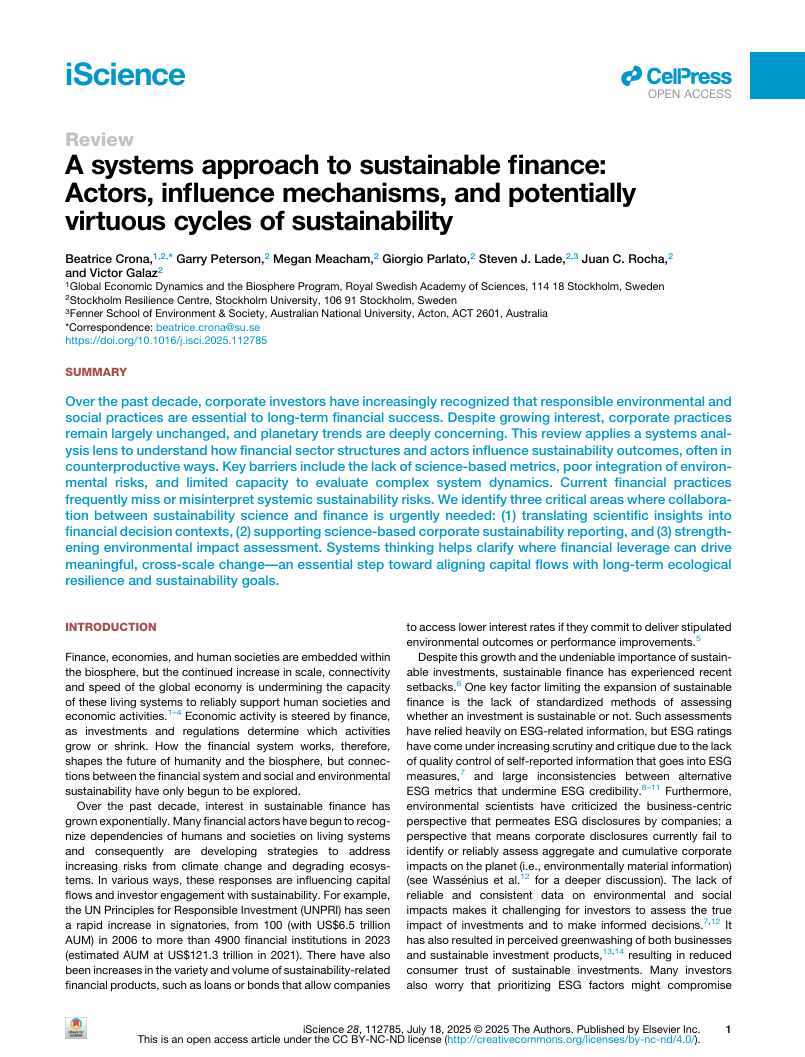
A systems approach to sustainable finance: Actors, influence mechanisms, and potentially virtuous cycles of sustainability
This review examines how financial sector structures and actors influence sustainability outcomes through a systems lens. It identifies barriers such as inadequate metrics, poor risk integration, and limited understanding of complex dynamics, while highlighting collaboration opportunities between finance and science to align capital flows with long-term ecological resilience.
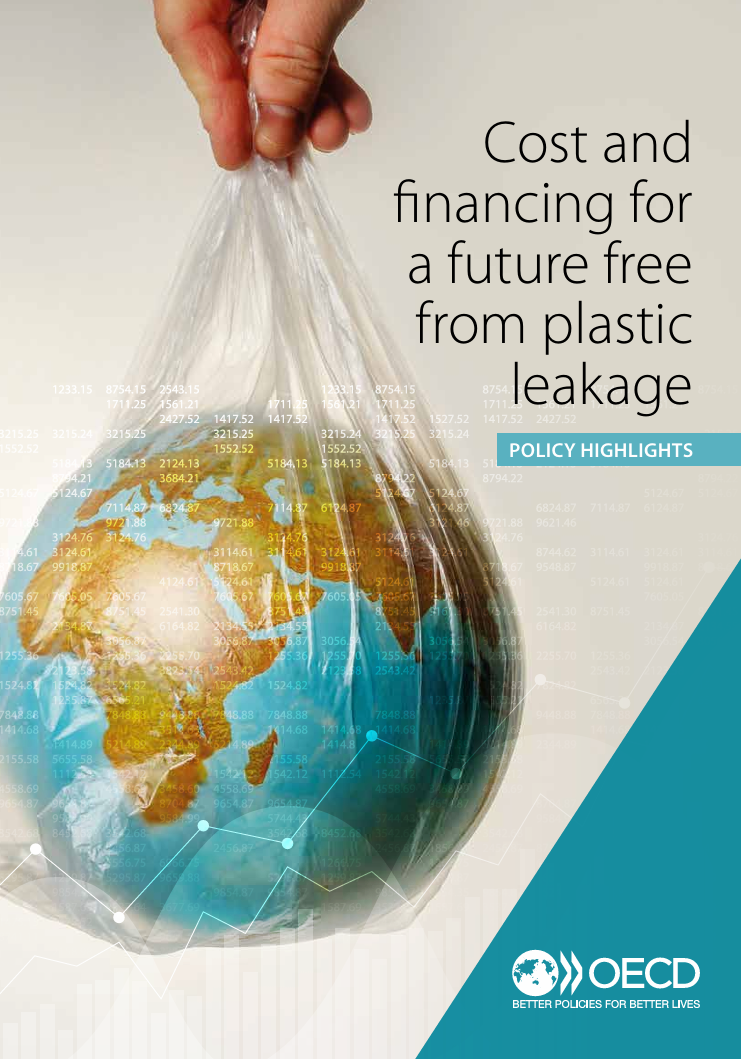
Cost and financing for a future free from plastic leakage: Policy highlights
The report summarises the costs and financing required to eliminate global plastic leakage by 2060. It finds that coordinated global action could nearly eradicate leakage, with modest global GDP impacts but higher costs for developing economies. Increased development finance and private-sector mobilisation are essential to achieving this goal.

What We Know About Deep-Sea Mining — and What We Don’t
This article explores the growing interest in deep-sea mining as a source of critical minerals for clean technologies, detailing how it works, its potential economic benefits, and the significant ecological and governance risks it poses. It also examines ongoing international regulatory disputes and alternative solutions such as recycling and circular mineral economies.
Threat of mining to African great apes
The study assesses the impact of industrial mining on African great apes, revealing that up to one-third of the population about 180,000 individuals faces direct or indirect mining-related threats. West Africa is most affected, with limited habitat protection and minimal survey data, underscoring urgent needs for transparent environmental monitoring.
Social finance primer: A guide to the evolving role of measurement and evaluation in the social finance ecosystem
This report by the American Evaluation Association’s Social Finance TIG outlines the evolving role of measurement and evaluation within the social finance ecosystem. It explains key concepts in impact investing, frameworks for assessing outcomes, and the intersection between evaluation and social impact measurement, offering resources for practitioners.
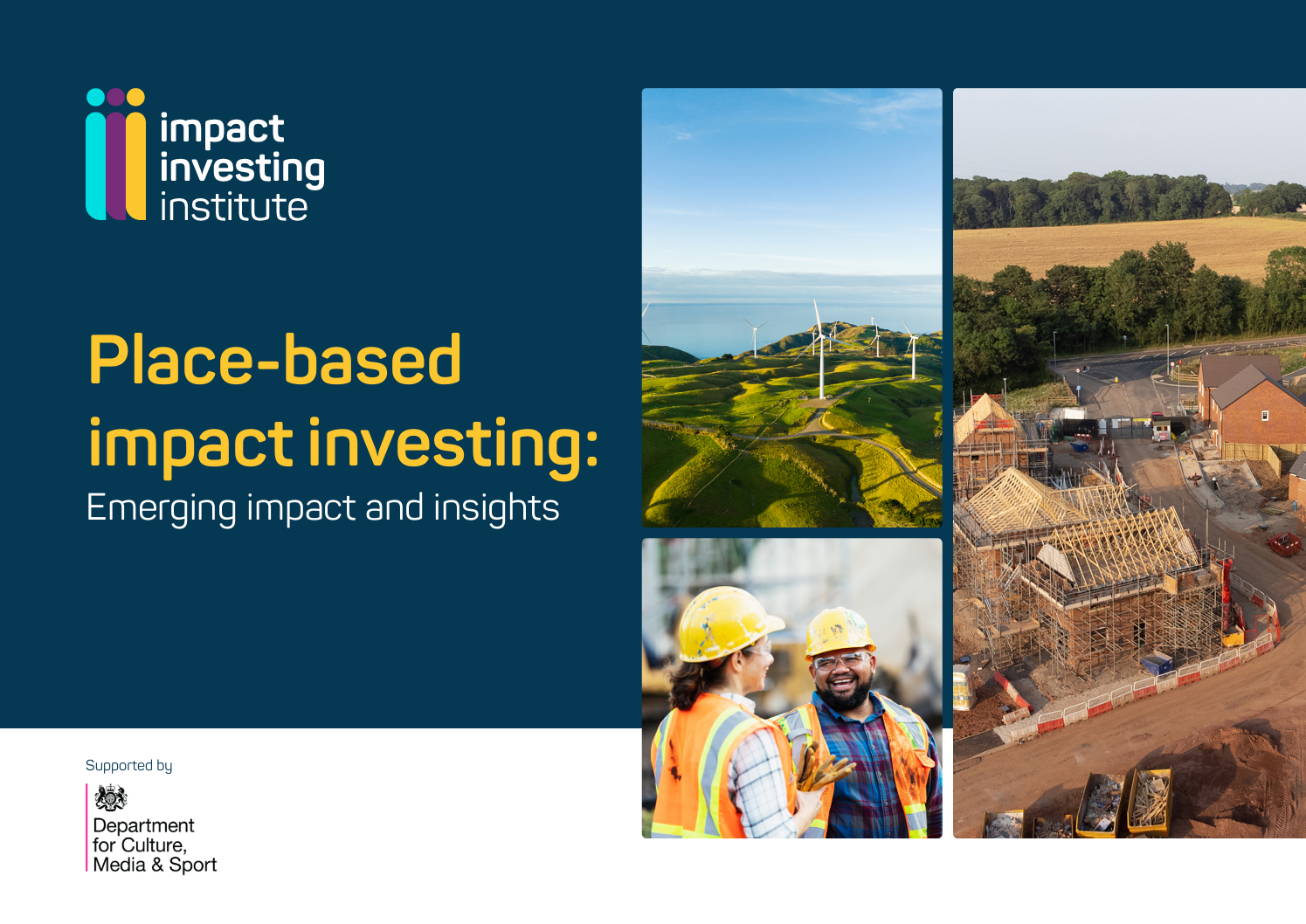
Place-based impact investing: Emerging impact and insights
The report examines the expansion of place-based impact investing (PBII) in the UK since 2021. It outlines how institutional and local investors, supported by public–private partnerships, are aligning financial returns with social and environmental outcomes. The study highlights progress, barriers, and pathways to scaling PBII through collaboration and blended finance.


