
Library | Finance relevance
Insurance and risk professionals
Refine
346 results
REFINE
SHOW: 16


Increasing climate ambition, decreasing emissions: The third progress report of the net-zero asset owner alliance
The report outlines the Net-Zero Asset Owner Alliance’s progress in reducing financed emissions, strengthening target-setting, and expanding climate-solution investments. It highlights updated methodologies, increased engagement with companies and policymakers, and rising member participation, underscoring the need for credible transition pathways and supportive policy environments to advance alignment with 1.5°C goals.
A systems approach to sustainable finance: Actors, influence mechanisms, and potentially virtuous cycles of sustainability
This review examines how financial sector structures and actors influence sustainability outcomes through a systems lens. It identifies barriers such as inadequate metrics, poor risk integration, and limited understanding of complex dynamics, while highlighting collaboration opportunities between finance and science to align capital flows with long-term ecological resilience.

What We Know About Deep-Sea Mining — and What We Don’t
This article explores the growing interest in deep-sea mining as a source of critical minerals for clean technologies, detailing how it works, its potential economic benefits, and the significant ecological and governance risks it poses. It also examines ongoing international regulatory disputes and alternative solutions such as recycling and circular mineral economies.
Assessing the materiality of nature-related financial risks for the UK
The report, Assessing the Materiality of Nature-Related Financial Risks for the UK (April 2024), quantifies how biodiversity loss and environmental degradation could materially affect the UK economy and finance sector. It finds nature-related risks—especially from water scarcity, soil decline, and biodiversity loss—could reduce GDP by up to 12% by the 2030s, exceeding impacts from the Global Financial Crisis or COVID-19.

Sustainable Finance Roundup October 2025: Carbon Markets, Targets, and the Cost of Resilience
This month’s sustainability roundup traces a rapidly evolving landscape in climate finance and accountability, spotlighting the weaknesses exposed by Hurricane Melissa’s disaster-risk finance system alongside new policy frameworks now reshaping sustainable investment. It highlights how vulnerable nations continue to bear the costs of climate impacts, how regulatory reforms such as Australia’s 2035 emissions target and global disclosure regimes are embedding accountability, and how renewed scrutiny of carbon markets is driving the search for credible, incentive-based pathways to real decarbonisation.
Committee diversity effect on corporate investment risk practices
This study investigates how diversity within corporate committees influences investment risk practices among ASX 300 firms (2018–2020). Using a composite index of gender, independence, and non-executive representation, the authors find that greater committee diversity enhances long-term strategic investment decisions and efficiency, improving governance and financial performance.
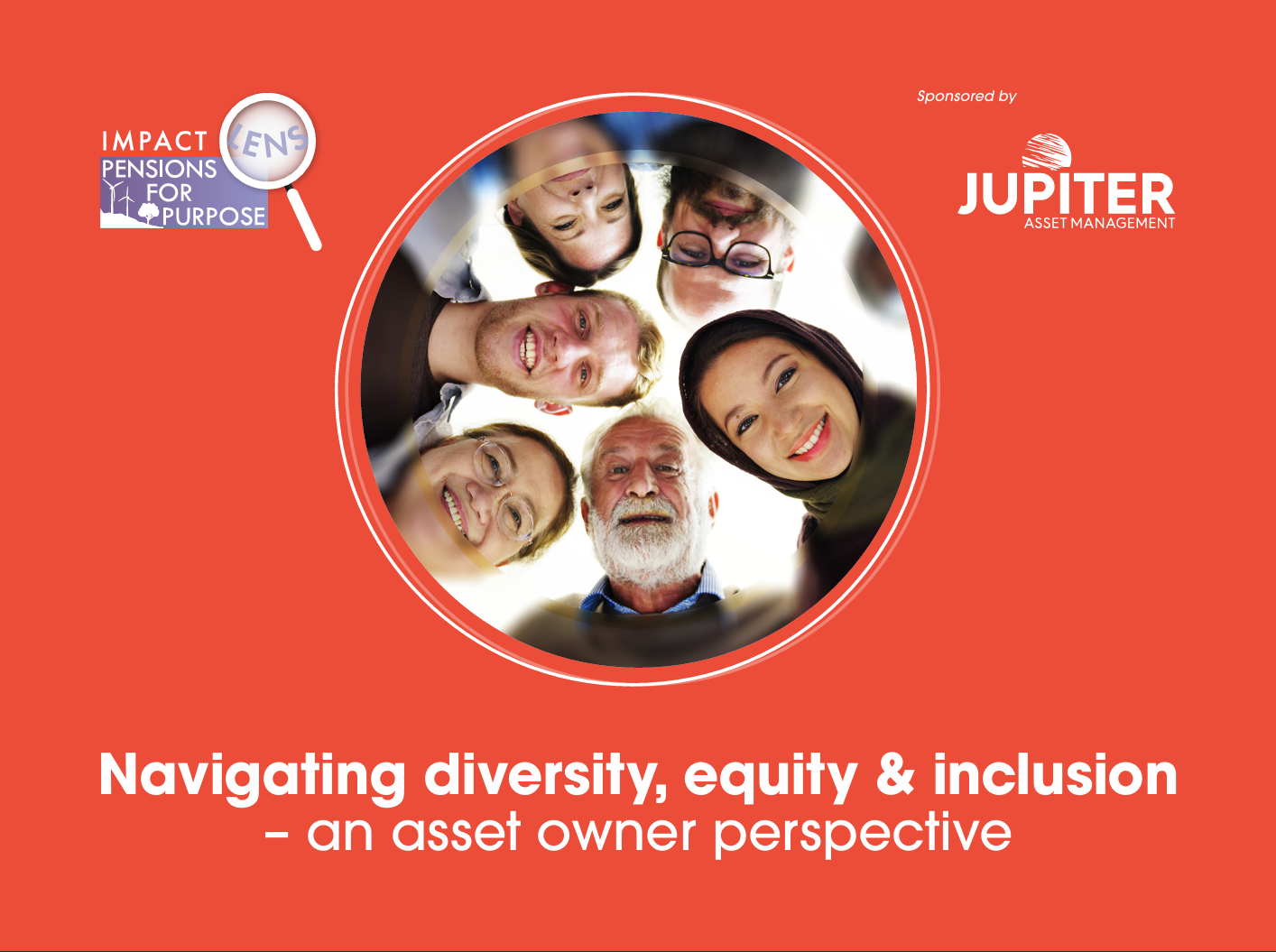
Navigating diversity, equity and inclusion: An asset owner perspective
This report summarises how asset owners integrate diversity, equity and inclusion (DE&I) into organisational policies, investment management and stewardship. Drawing on interviews with 21 organisations, it highlights varying maturity levels, regulatory developments, data challenges and best practices shaping DE&I implementation across the pensions and investment industry.

Sustainable Finance Roundup September 2025: Policy, Markets, and Momentum
This month’s sustainability roundup covers Australia’s new 2035 emissions target, ASIC’s final climate disclosure guidance, and Fortescue’s revised transition plan. It also examines global developments, from ISSB reporting updates and TNFD nature disclosures to Woodside’s gas extension, rising physical climate risks, and evolving ESG policy debates shaping corporate and investor responses.
Final report of the expert panel on sustainable finance: Mobilizing finance for sustainable growth
This report summarises recommendations from Canada’s Expert Panel on Sustainable Finance to mobilise private capital for low-carbon, resilient growth: improve market clarity and standards (incl. TCFD), build national climate data (C3IA), and develop financing solutions such as green and transition instruments, infrastructure investment, and building retrofits, supported by enabling policy.

The Real Tragedy of the Horizon
Mark Carney’s “tragedy of the horizon” warned that markets would act too late on climate risks. A decade later, this article argues that framing climate change as a financial risk has misdirected efforts—what’s needed now is coordinated action to create investable markets, especially in emerging economies.
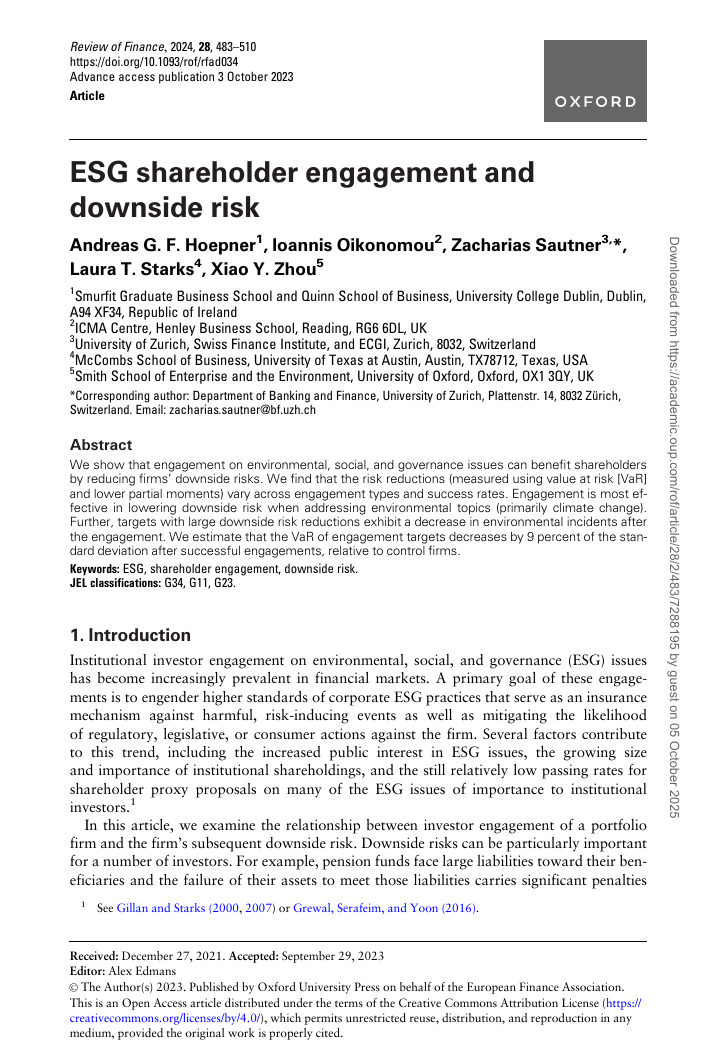
ESG shareholder engagement and downside risk
This study analyses whether investor engagement on environmental, social, and governance (ESG) issues reduces firms’ downside risk. Using data from 1,443 engagements with 485 global firms (2005–2018), it finds that successful engagements, particularly on environmental and climate issues, significantly lower downside risk and related environmental incidents.
Integrating Nature into Finance: Laying the foundations to expand the Australian Sustainable Finance Taxonomy to drive positive environmental outcomes in the agriculture and land sectors
This report summarises how Australia’s Sustainable Finance Taxonomy could be expanded to agriculture, forestry and land management, proposing draft criteria for biodiversity protection, sustainable water use, and pollution control. It aligns with global biodiversity goals to guide investment and lending that support nature-positive outcome.
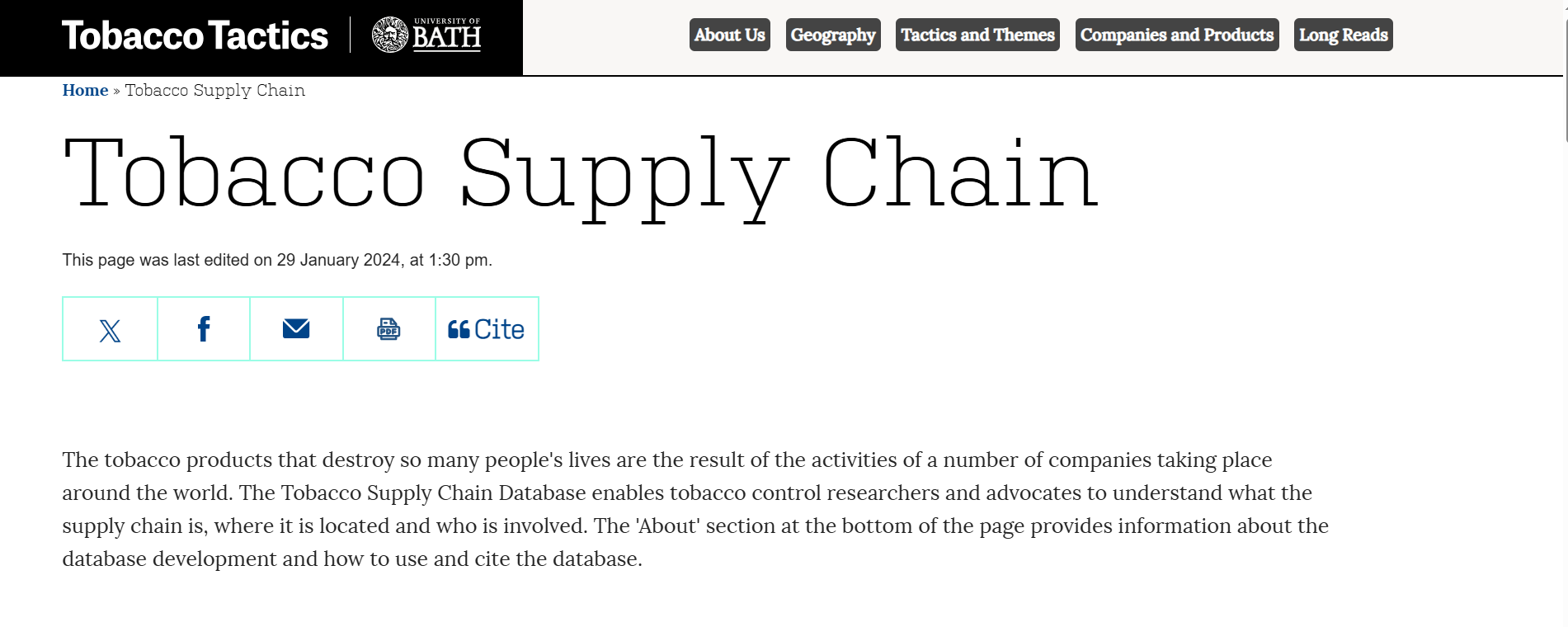
Tobacco Supply Chain Database
The Tobacco Supply Chain tool is a publicly accessible database mapping the global tobacco supply chain from agriculture to retail by identifying companies, processes and countries involved.
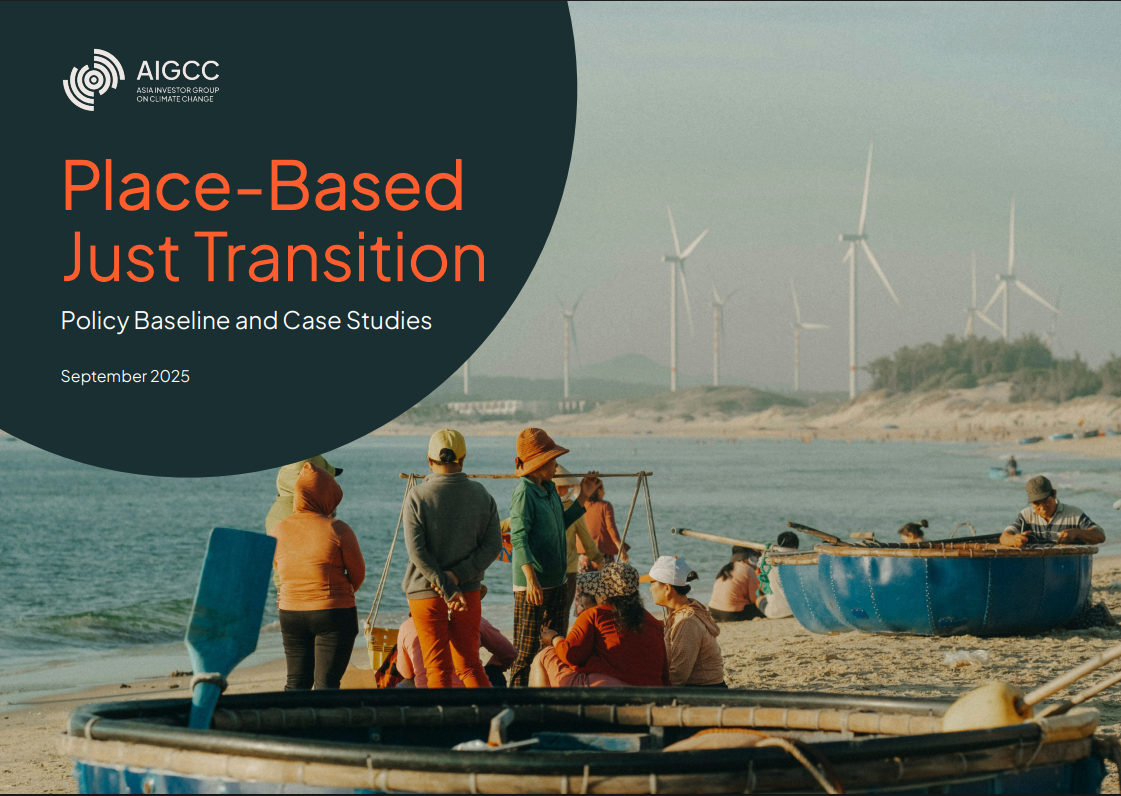
Place-based just transition: Policy baseline and case studies
This report from the Asia Investor Group on Climate Change analyses place-based just transition policies in India, Indonesia, Malaysia and Japan. It outlines market-specific policy baselines, labour and social dynamics, financing needs and case studies, providing investors and policymakers with insights into ensuring equitable low-carbon transitions in Asia.
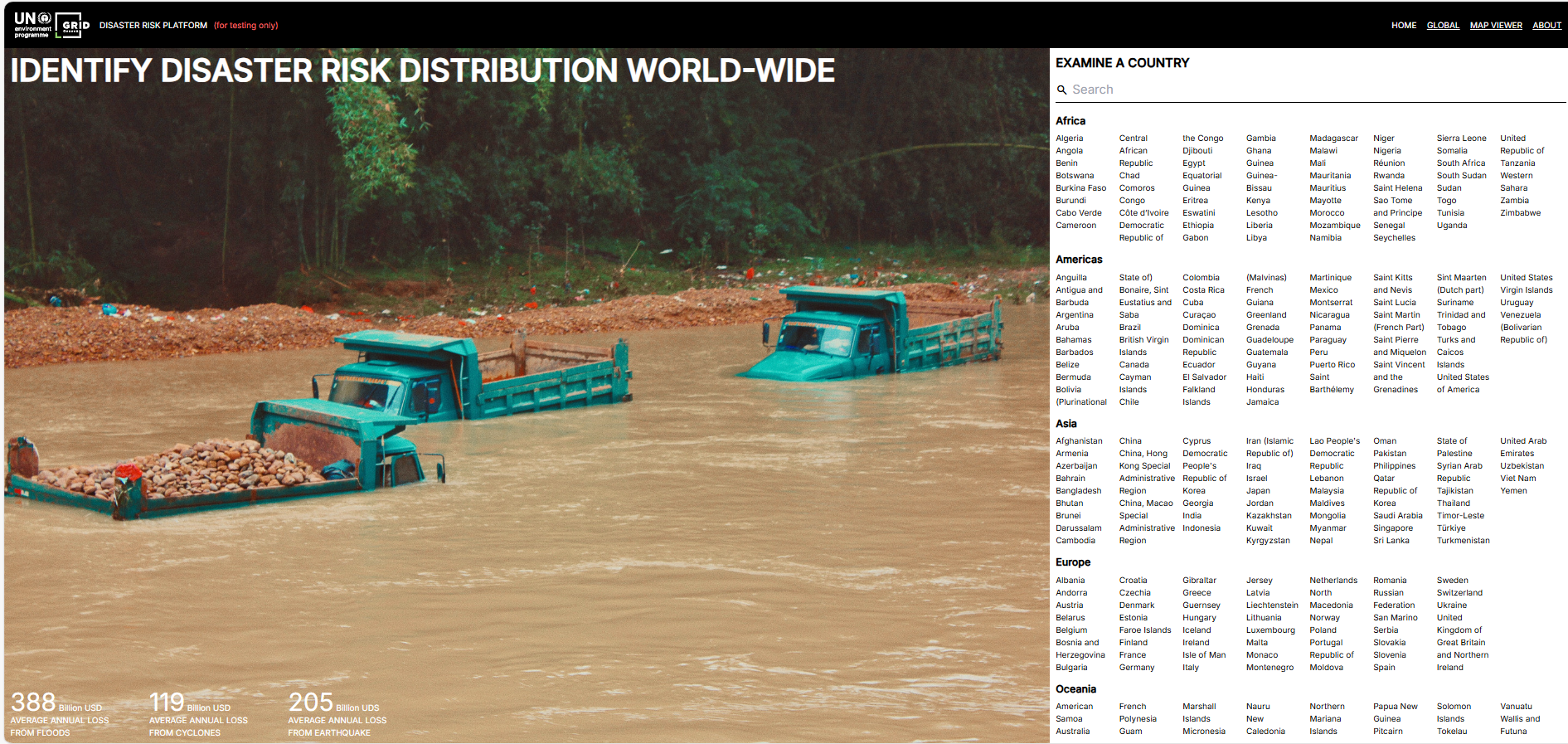
Disaster risk platform
The UNEP/GRID-Geneva Disaster Risk Platform offers an interactive global interface for analysing exposure, vulnerability and hazard data. It aids evidence-based decision-making by mapping natural risks and socio-economic factors, supporting resilient development and risk-informed finance.
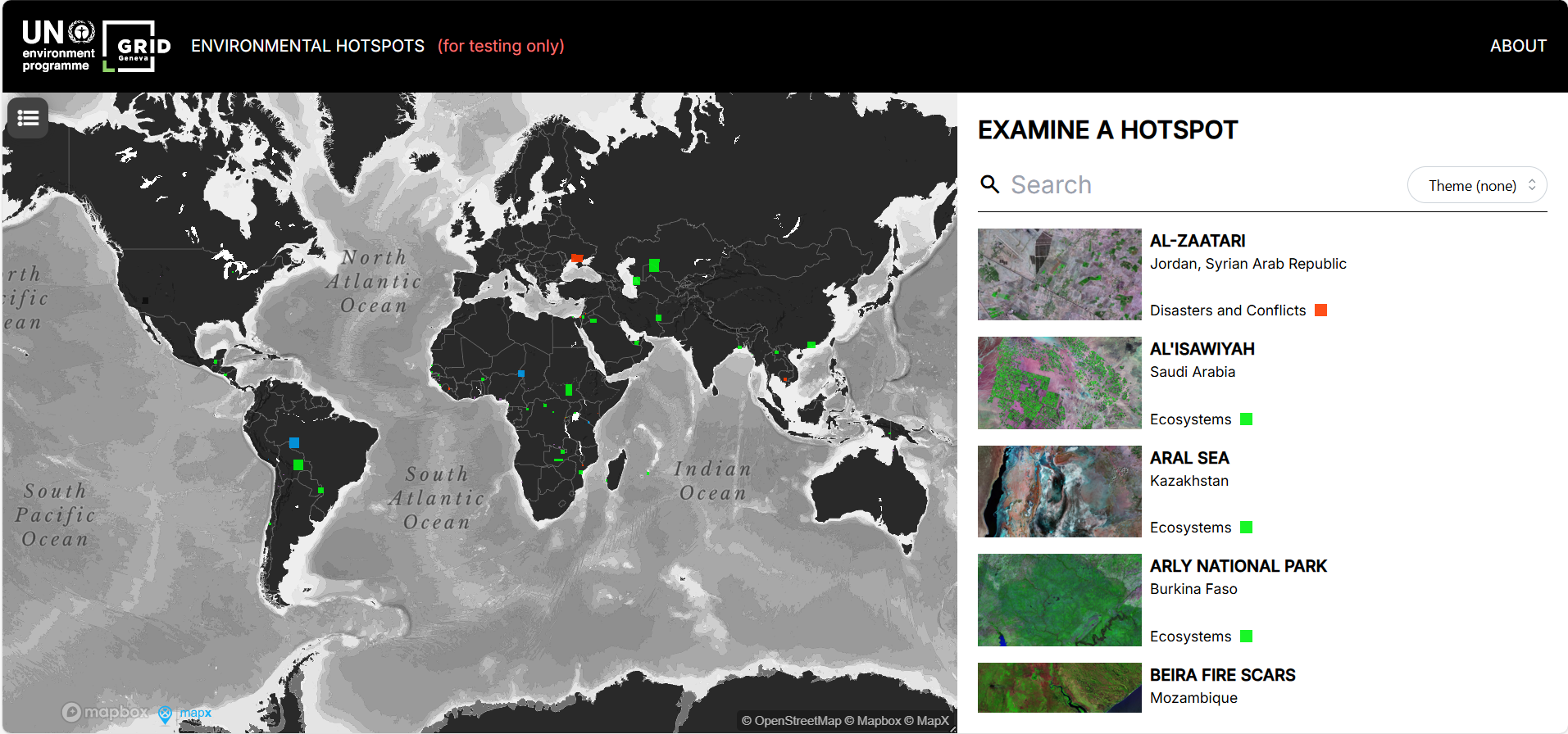
Environmental hotspots
The Environmental Hotspots tool by UNEP offers an interactive map of high-risk ecological zones worldwide, allowing users to explore environmental pressures across sectors (e.g. ecosystems, resource extraction).


