
Library | Finance relevance
Insurance and risk professionals
Refine
451 results
REFINE
SHOW: 16


DERA Preismonitor
Published by the German Mineral Resources Agency (DERA), the Preismonitor provides monthly price tracking for over 80 mineral raw materials and 15 recycling materials. It serves as a vital tool for monitoring commodity market trends and assessing supply chain risks.
Hot summer economics: Economic effects of the hot European summer of 2026
This report examines the economic impact of the 2026 European heatwave, estimating a 1% reduction in EU-wide GDP. It details effects on labour productivity, agriculture, and energy sectors while warning of a 'doom loop' where climate damage leads to the weakening of environmental policies to protect short-term growth.

Super-duper El Nino and the bigger problem
This report analyses the 2026 super El Nino, identifying it as the strongest in the modern record. It discusses accelerating human-made global warming, the doubling of Earth’s energy imbalance, and severe health implications. Findings highlight that rising temperatures significantly increase mortality risks for vulnerable populations across Europe and Asia.

Weekly cat report: Review of global catastrophe activity
This series provides a weekly review of global catastrophe activity, covering meteorological events and preliminary financial loss estimates. It tracks natural disasters such as severe convective storms, flooding, and landslides across multiple regions to assist in risk assessment. This report is part of a regular series.
Optimal flood insurance in a second-best world: Fiscal spillovers, reclassification risk and moral hazard
This report evaluates the U.S. National Flood Insurance Program's transition to risk-based pricing. It finds that unintended consequences, such as increased ex post disaster spending and household exposure to climate uncertainty, outweigh moral hazard costs. The authors conclude that an optimal premium subsidy of 52% is required.
Why resilience starts with understanding extremes
Climate resilience requires understanding high-impact, low-probability tail risks. Rising temperatures are transforming extreme events into common occurrences. Using examples like the 2025 Los Angeles wildfires, this report advocates for assessing high-end warming scenarios and tipping points to evaluate the robustness of portfolios and assets against cascading physical risks.
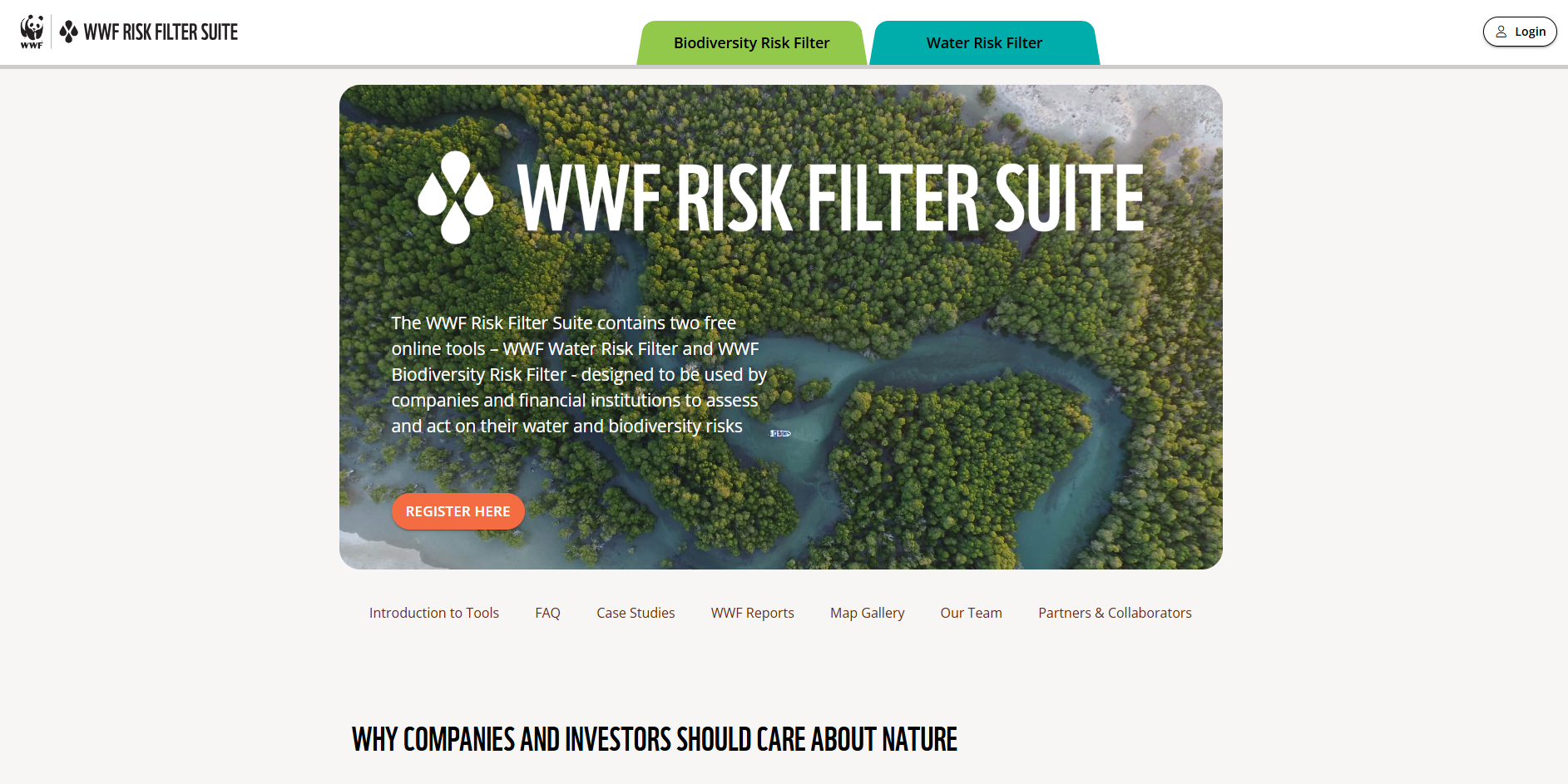
WWF Risk Filter Suite
A free online screening suite from WWF featuring Water and Biodiversity Risk Filters. It helps financial institutions and companies identify nature-related physical and regulatory risks across portfolios using 80+ global datasets.
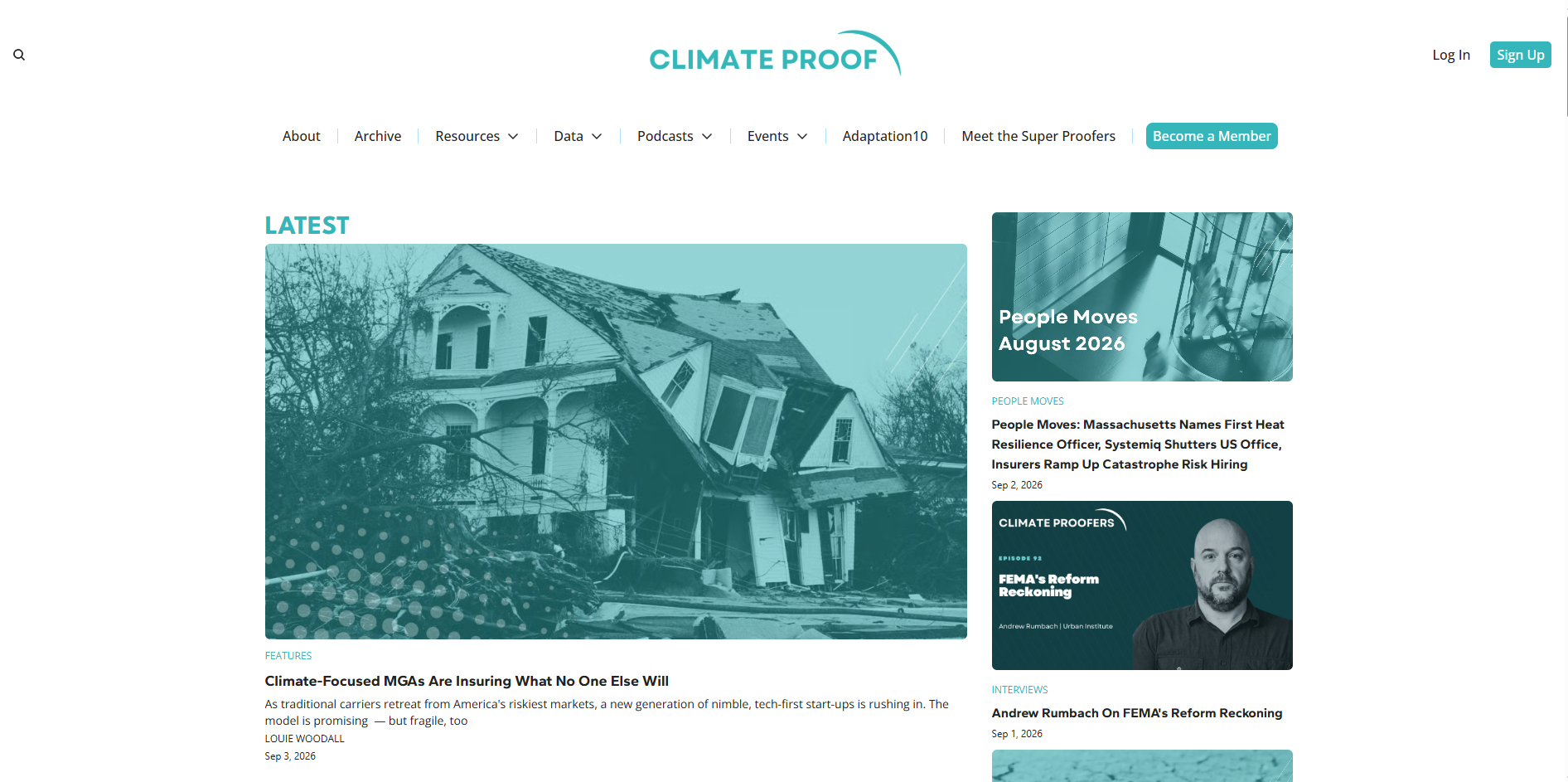
Climate Risk Signals Explorer
The Climate Risk Signals Explorer is an AI-powered analytical tool by Climate Proof that tracks climate risk mentions in corporate earnings calls, helping finance professionals monitor physical and transition risks.
SUSREG annual report series
This benchmark series provides a comprehensive assessment of sustainable financial regulations and central banking activities. It tracks progress across global jurisdictions in integrating climate, environmental, and social risks within banking, insurance, and capital markets sectors, supporting the transition towards a net-zero and nature-positive global economy.
Guarantees: From misdiagnosis to strategic deployment: Evidence from expert practitioner interviews
This research examines why climate-aligned guarantees often fail to mobilise private capital effectively. It identifies structural misalignments within multilateral development banks and suggests that strategic deployment requires a move towards portfolio-based approaches, local-currency financing, and better risk layering to address specific investment constraints in emerging markets.
How certain can we be about NGFS Climate Scenarios?
This research analyses uncertainty in Network for Greening the Financial System (NGFS) climate scenarios across four vintages and 254 variables. It finds that revisions to initial conditions and model recalibration often exceed scenario and model uncertainty, requiring cautious interpretation in financial risk assessments.
Seeing the goal, missing the truth: Human accountability for AI bias
Research demonstrates that Large Language Models exhibit purpose-conditioned bias when informed of downstream tasks. Goal-aware prompting leads to in-sample overfitting and inflated performance before knowledge cutoffs. Results indicate that disclosing objectives compromises neutrality, necessitating the separation of measurement and evaluation in AI-assisted workflows to ensure statistical validity.
Disaster resilience scorecard for cities: Addendum for extreme heat risk management
An addendum to the Disaster Resilience Scorecard for Cities, this tool helps local governments assess and strengthen extreme heat risk management. It uses 18 indicators to evaluate governance, infrastructure, and financial planning to build long-term urban resilience against rising temperatures.
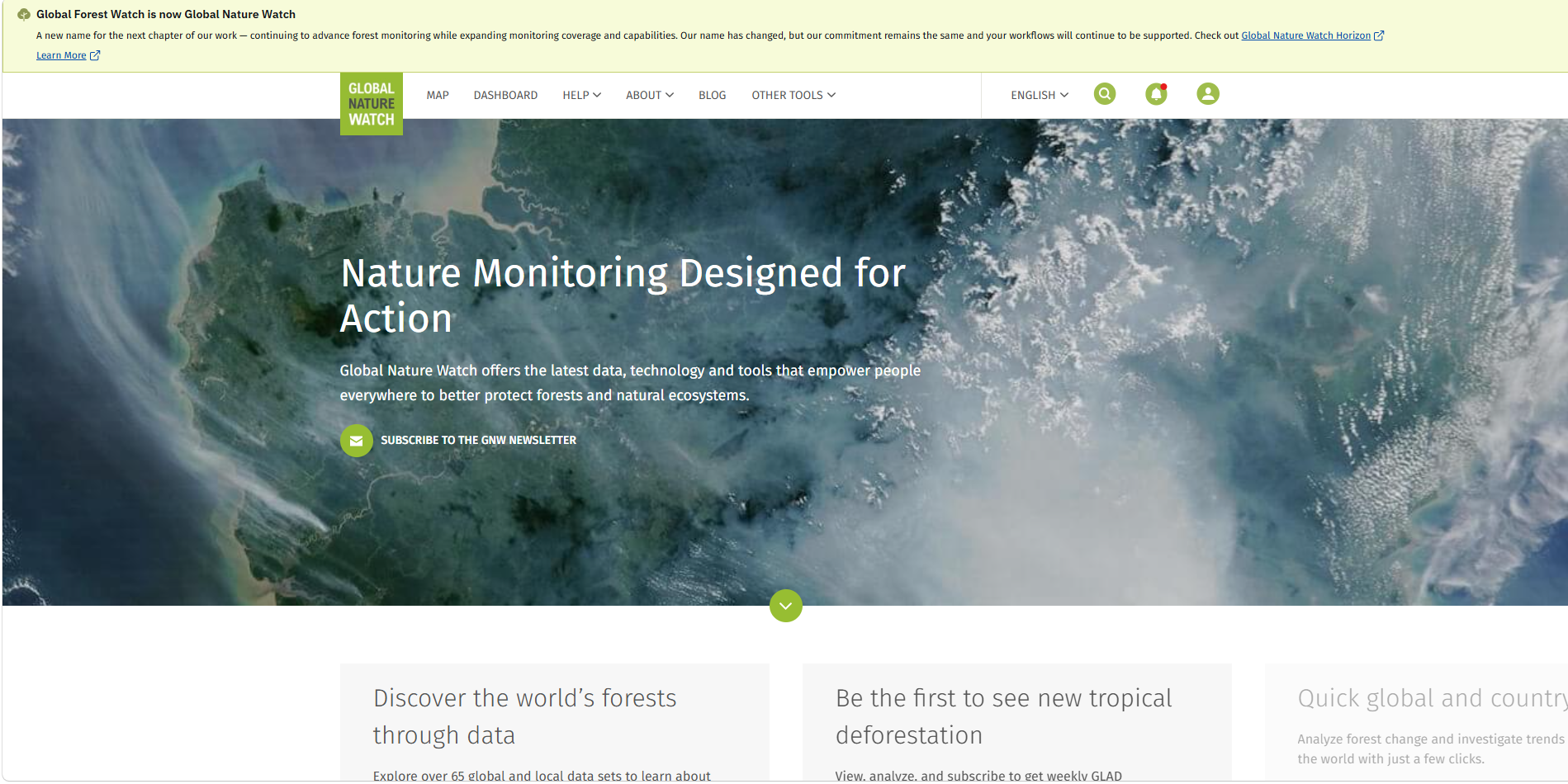
Global Nature Watch
Global Nature Watch is an AI-powered Earth monitoring platform developed by the World Resources Institute and Google. It provides near-real-time data on land-use changes across various ecosystems to support nature-based risk assessment and environmental reporting.
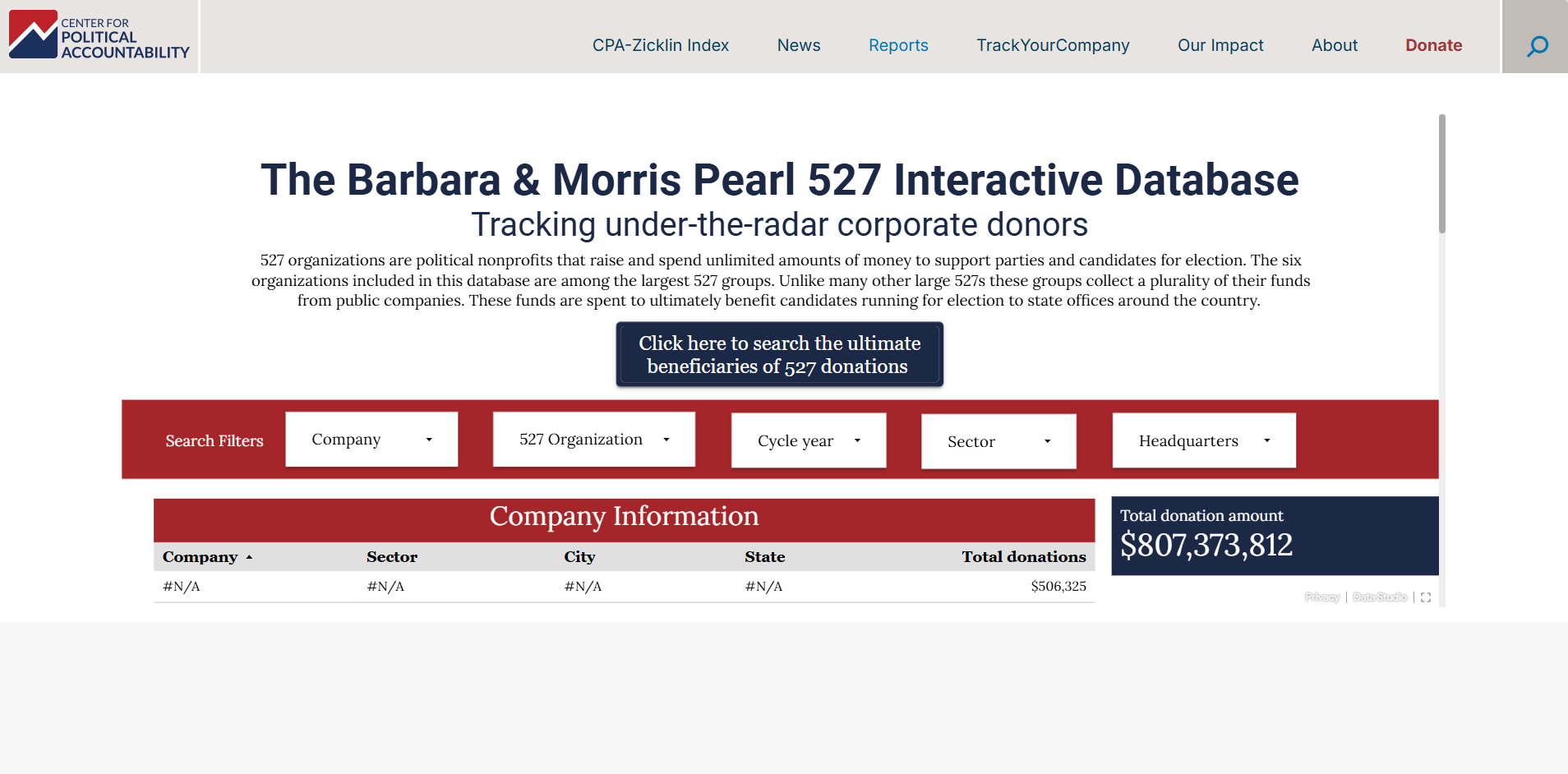
The Barbara and Morris Pearl 527 Interactive Database
The Barbara and Morris Pearl 527 Interactive Database tracks political donations from publicly traded US companies to 527 committees. Developed by the Center for Political Accountability, it helps finance professionals assess corporate governance and reputational risks related to political spending.
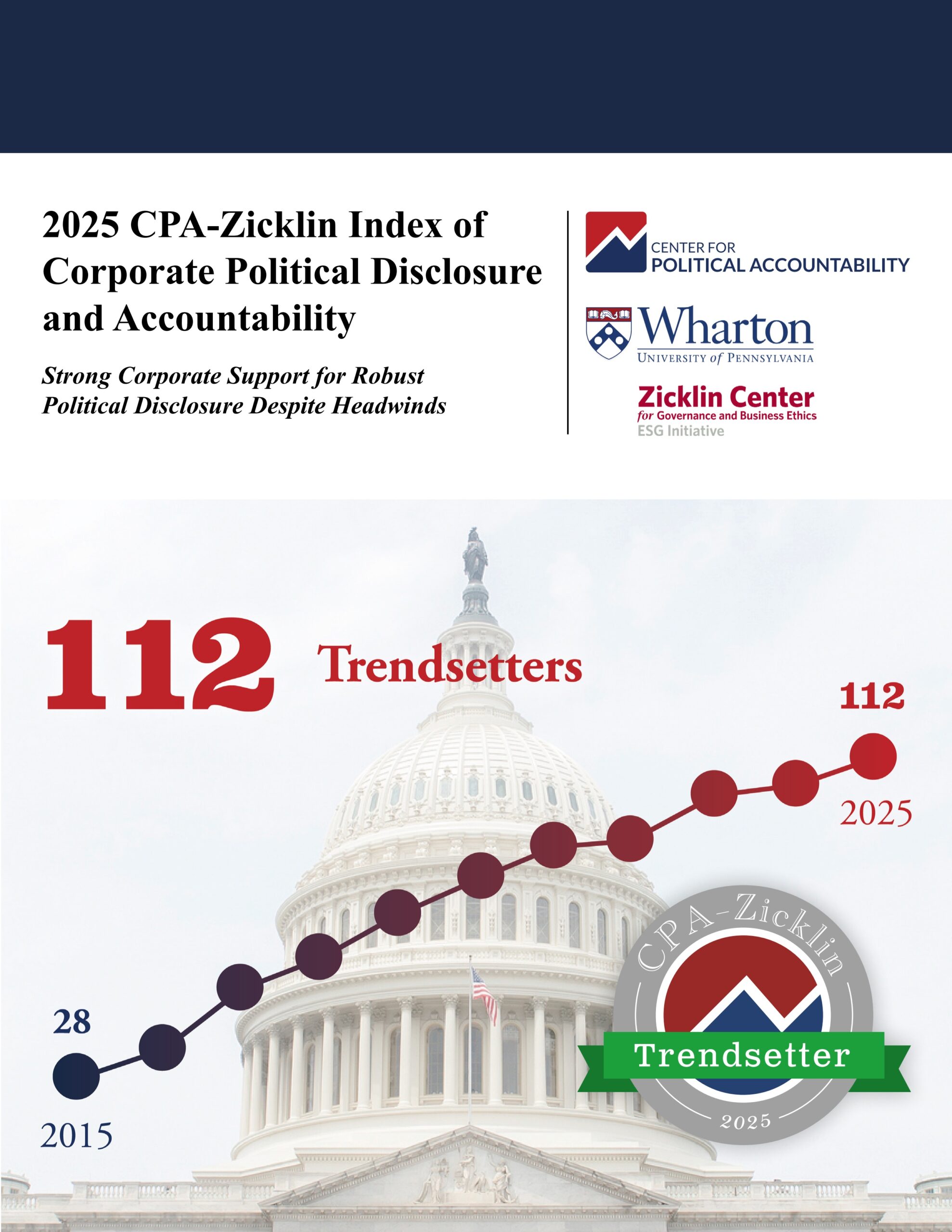
CPA-Zicklin Index of Corporate Political Disclosure and Accountability
This benchmark series evaluates corporate political disclosure and accountability practices among major US companies. It provides a structured analysis of transparency, board oversight, and spending policies for the S&P 500 and Russell 1000, enabling stakeholders to assess political risk and governance standards across different industries.


