
Library | Finance relevance
Insurance and risk professionals
Refine
539 results
REFINE
SHOW: 16


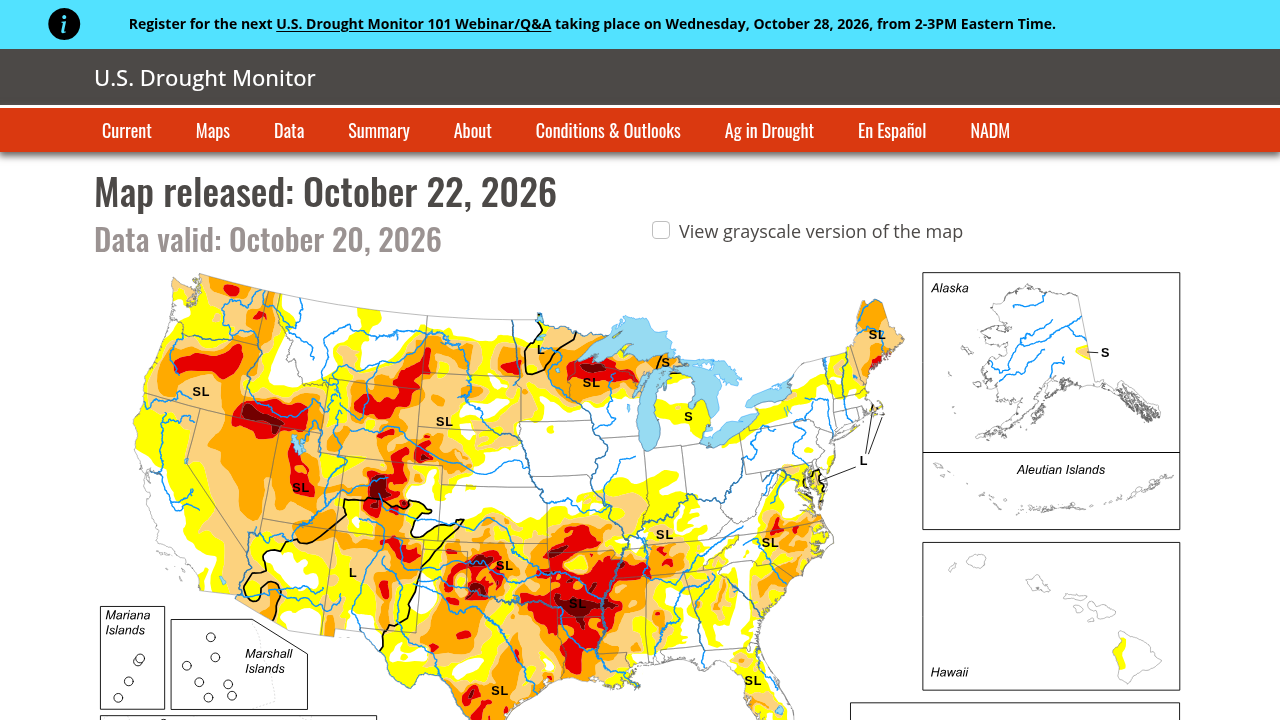
U.S. Drought Monitor
A weekly tool monitoring drought location and severity across the U.S., produced by the NDMC, USDA, and NOAA. It offers essential data for assessing agricultural risk and water stress.
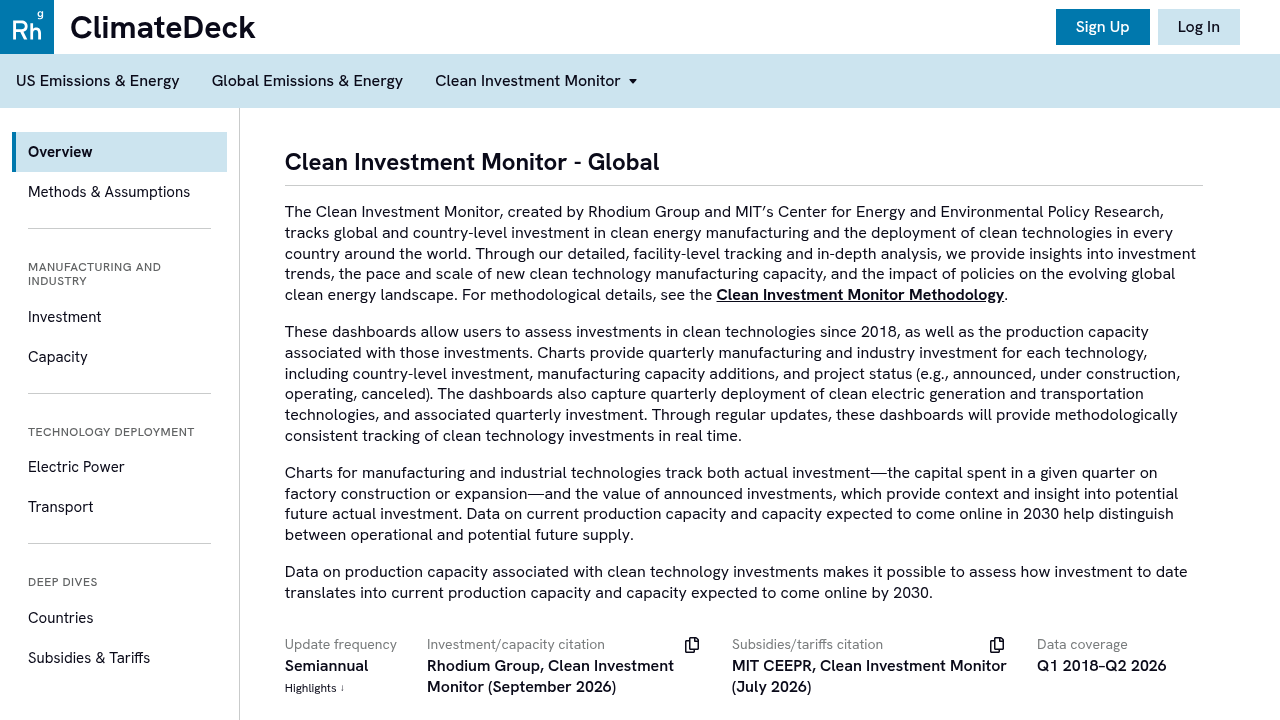
ClimateDeck
ClimateDeck is a data platform by Rhodium Group providing global clean energy investment tracking, greenhouse gas emissions inventories, and energy market forecasts to support climate risk analysis.
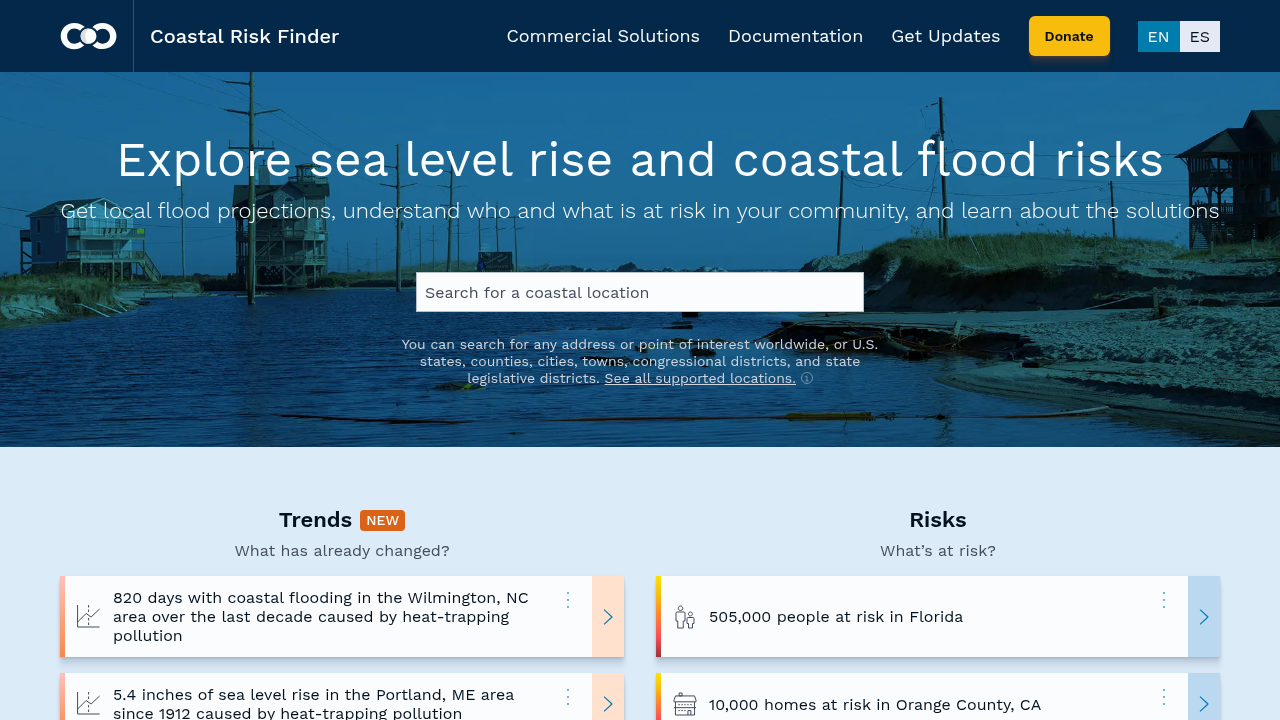
Coastal Risk Finder
Coastal Risk Finder is an interactive mapping tool by Climate Central that provides localized sea level rise and flood risk projections. It helps users assess geographic vulnerability and population exposure through 2100.
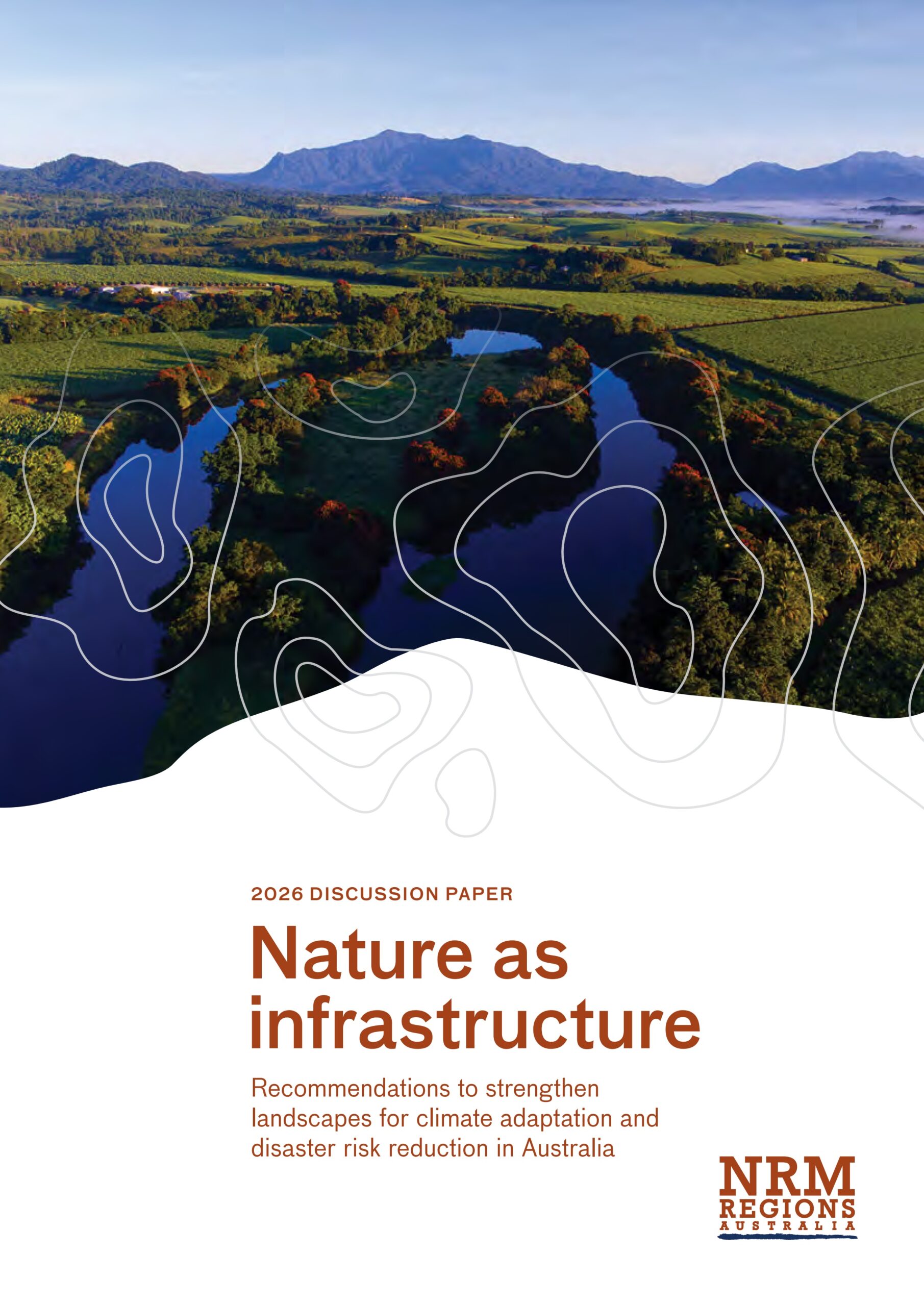
Nature as infrastructure: Recommendations to strengthen landscapes for climate adaptation and disaster risk reduction in Australia
This paper advocates for scaling natural infrastructure to mitigate Australia's escalating climate disaster costs. It demonstrates that every dollar invested in natural capital returns approximately nine dollars in benefits. Key recommendations include empowering First Nations stewardship, integrating natural values into financial decision-making, and securing multi-year funding for regional aggregators.
The Education Loss and Damage Assessment (ELDA) Framework: Evaluating the impacts of climate change on education
This report introduces the Education Loss and Damage Assessment (ELDA) framework to evaluate climate impacts on education. Between 2005 and 2024, disruptions affected 130 million children, causing $1.3 billion in damage. The framework assesses access, experience, and outcomes to help governments and donors improve cross-sectoral coordination and response evidence.
Too hot to work? How rising heat affects companies, productivity and economic output
This MSCI research explores the economic impact of rising temperatures on labour productivity. It estimates global annual losses of USD 3.9 trillion under current conditions, potentially reaching 3.3% of global GDP. Asia-Pacific and the real estate sector face the highest risks, while company adaptation remains inconsistent across global markets.
Artificial intelligence and climate change: balancing innovation and sustainability
This report examines the interaction between artificial intelligence and climate change, highlighting potential for mitigation and adaptation alongside significant environmental costs. It explores two technological trajectories—AI copilot and artificial general intelligence—while discussing implications for central banks regarding productivity, inflation, financial stability, and emerging global policy frameworks.
Who bears the transition risk? Uneven climate risk assessment of SMEs across German banking groups
This report examines how German banks assess climate transition risks, specifically for SMEs. It finds that private banks significantly increased risk weights for carbon-intensive firms after 2018, while cooperative and savings banks did not. The reliance on sector-level metrics suggests potential loan mispricing and systemic risks within regional banking groups.
The price of climate talk: Central bank communication, climate governance, and sovereign risk premia
This research examines how central bank climate communication affects 10-year sovereign bond yields. Using a dataset of over 17,000 speeches, it finds that climate-related discourse increases yields by making risks more salient. This effect is stronger in countries with independent central banks, reflecting the role of institutional credibility.
Investing in water-related and dependent infrastructure: Risks, considerations, and opportunities
This report examines water risks as systemic financial threats to infrastructure. It proposes a seven-step decision framework to integrate ecosystem services into project appraisal and financing. Through case studies in Africa and Asia, it advocates for hybrid green-grey solutions and innovative financial mechanisms to address the global water infrastructure gap.
The effects of long-term exposure to pollution on health
This research provides causal evidence that long-term exposure to fine particulate matter at contemporary levels increases circulatory morbidity, particularly hypertension. Using a quasi-random assignment of U.S. Army soldiers, the study demonstrates that sustained exposure erodes health capital, even in young, initially healthy populations, highlighting the risks of chronic pollution.
Pricing in resilience: The future of financial services for soil health
This research examines how agricultural finance, markets and policy are transitioning soil health from a conservation goal to a financial metric. It details five forces driving structural carbon demand and seven financial innovations, including carbon warrants and digital verification, designed to reprice risk and unlock institutional capital for regenerative agriculture.
Cultivating investment: Resilient agriculture can pay off for food companies
Extreme weather and climate change are destabilising agricultural supply chains, eroding traditional risk-management effectiveness. This report demonstrates how investing in regenerative agriculture builds resilience, potentially safeguarding $500 million in annual profits. It provides a framework for companies and investors to mitigate financial risks and secure long-term value.
Maritime chokepoints and the global economy: Evidence from the Strait of Hormuz
This research examines the global economic consequences of maritime disruptions in the Strait of Hormuz. Utilising Portwatch data, the analysis demonstrates that traffic shocks act as stagflationary forces, significantly increasing energy prices, reducing global industrial production, and tightening financial conditions through widened corporate and sovereign bond spreads.
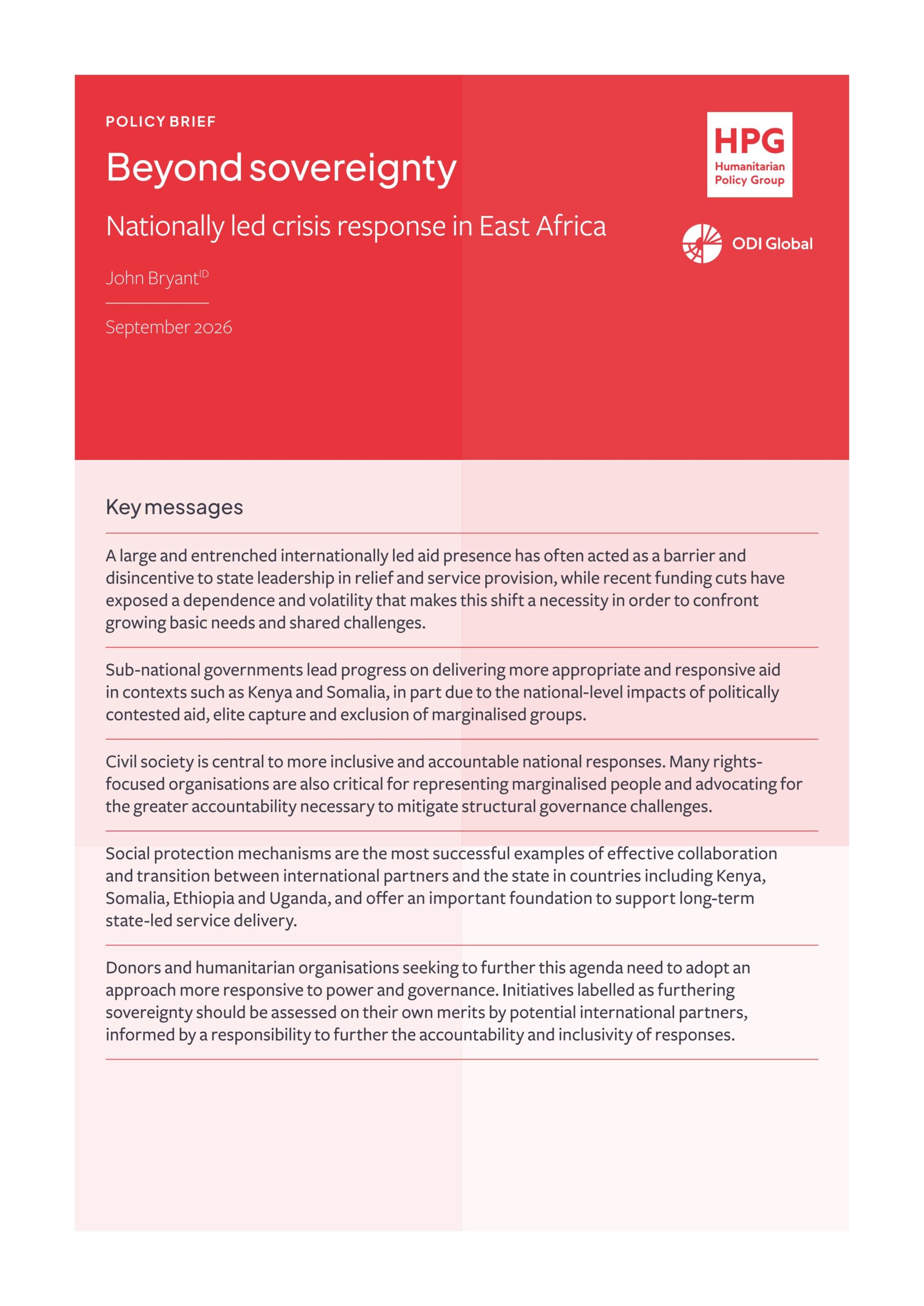
Beyond sovereignty: Nationally led crisis response in East Africa
This report examines the transition towards nationally led crisis response in East Africa. It identifies barriers within international aid structures while highlighting progress in sub-national governance, social protection, and civil society. Recommendations focus on strengthening state accountability and equitable partnerships across Kenya, Somalia, Uganda, South Sudan, and Ethiopia.
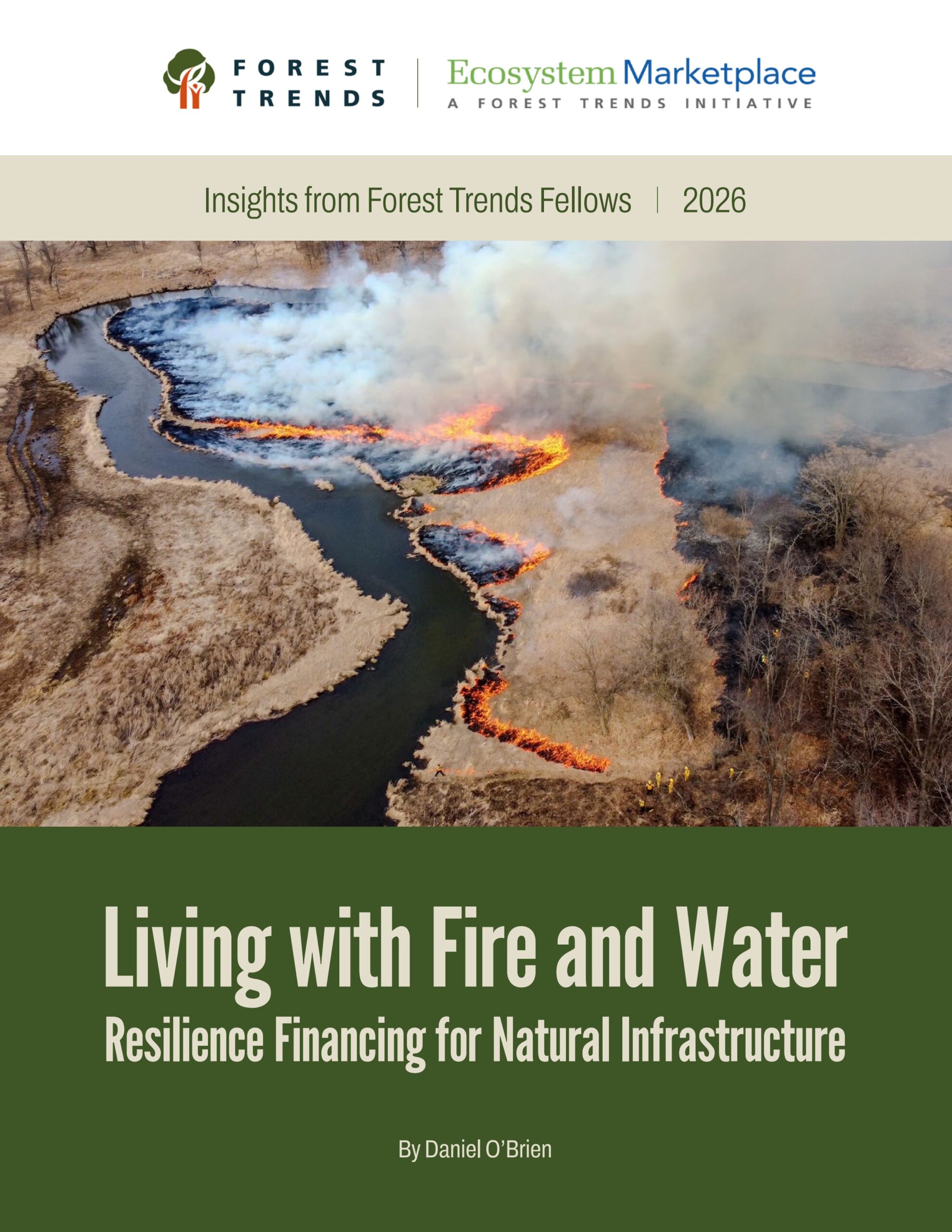
Living with fire and water: Resilience financing for natural infrastructure
This report proposes a resilience-financing architecture to fund natural infrastructure. By wrapping catastrophe bonds with government credit enhancement, it creates a spread to finance landscape-scale mitigation. This mechanism aims to preserve insurability, reduce systemic climate risk, and convert unpriced contingent liabilities into structured, capped financial positions.


