
Library | Finance relevance
Investment managers / asset managers
Refine
1146 results
REFINE
SHOW: 16


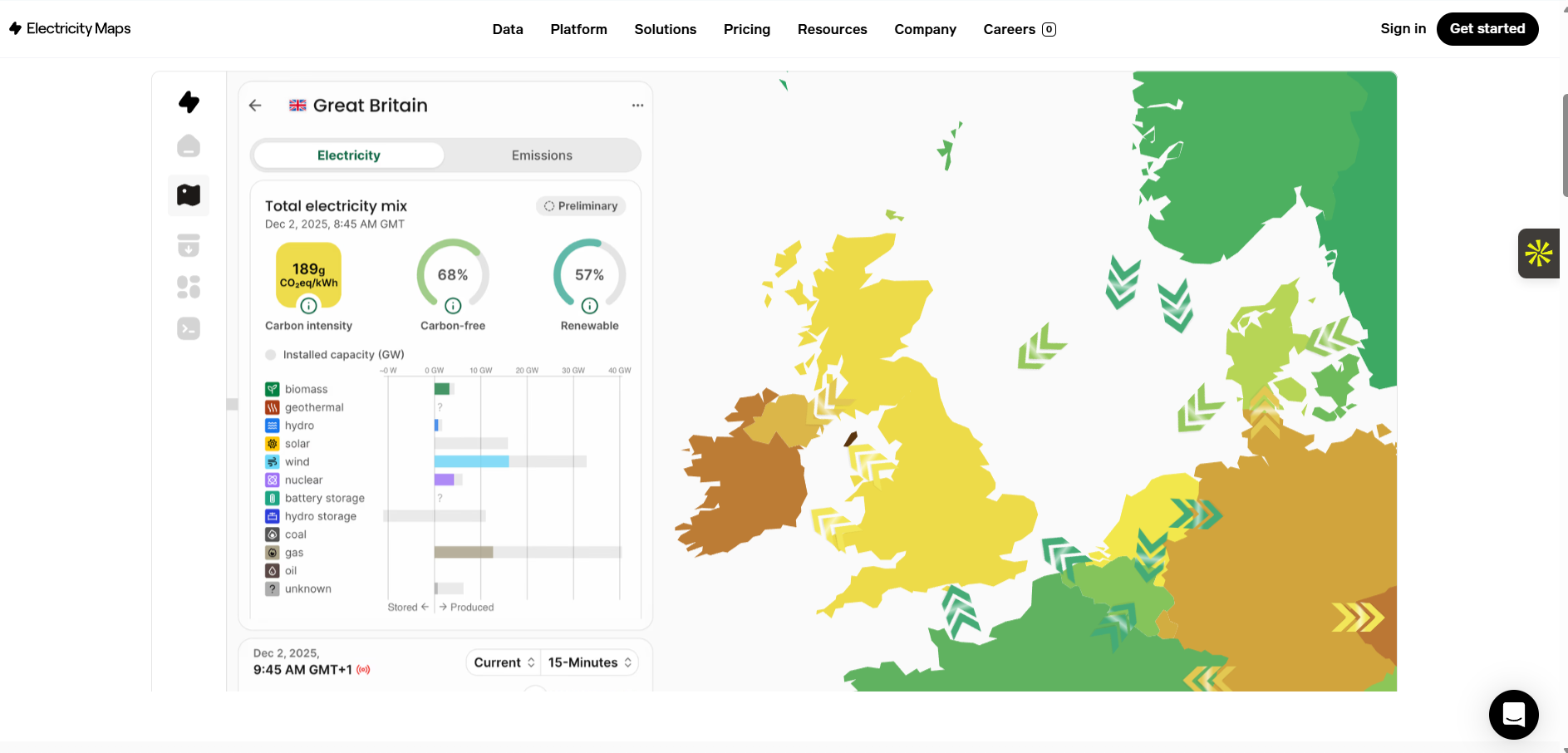
Electricity Maps
Electricity Maps is a global electricity data platform offering historical, real-time and forecasted information on generation mix, carbon intensity, prices and flows via interactive maps and an API. It supports integration into applications for sustainability insights, carbon accounting and energy analysis across regions worldwide.
The twin transition century
This paper argues that Europe’s green transition depends on aligning digital transformation with sustainability goals. It outlines how digital research can both reduce its own environmental footprint and enable climate action, calling for long-term, interdisciplinary research investment and coordinated EU policy.
Engaging the ICT sector on human rights series
This is a series of sector-wide risk assessment briefings for the Information and Communications Technology (ICT) sector. It examines salient human rights issues linked to ICT business models and technologies, providing a consistent analytical framework to support investor assessment, engagement, and governance analysis across multiple thematic areas.
Food systems investing in East Africa: The roles of funds in financing food systems transformation
This report analyses 23 impact funds investing in East African food systems, assessing their design, impact alignment, and financing roles. It identifies gaps, good practices, and recommendations to strengthen agroecological and regenerative food systems investing.

New approaches and challenges regarding trade, climate action, and the WTO
The report analyses how WTO trade rules can support climate action. It assesses tools such as border carbon adjustments, standards, subsidies and technology policy, identifying legal gaps, development impacts and the need for coordinated reforms to align multilateral trade governance with climate objectives.
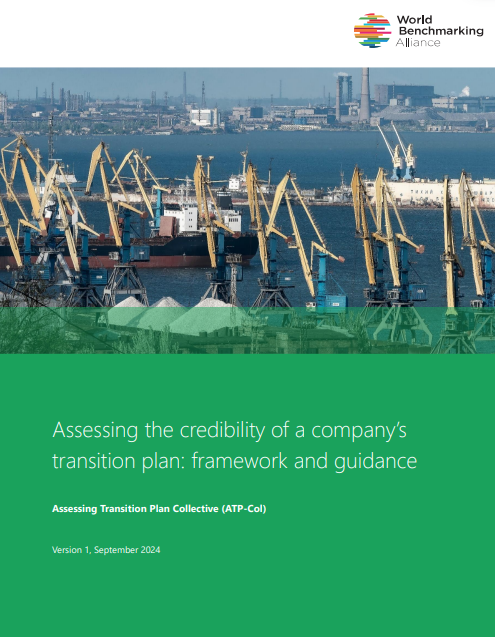
Assessing the credibility of a company’s transition plan: framework and guidance
This report presents a harmonised framework to assess the credibility of corporate climate transition plans. It defines core plan elements, assessment principles, and a four-step process to evaluate ambition, feasibility, consistency, governance, and financial alignment with Paris-aligned decarbonisation pathways.

Doing business within planetary boundaries
This report argues that corporate reporting must incorporate absolute, location-specific environmental impacts aligned with planetary boundaries. It proposes science-based disclosures and the Earth System Impact score to improve assessment of cumulative nature-related risks, support credible investment decisions, and enhance comparability beyond carbon-focused metrics.

Time to plan for a future beyond 1.5 degrees
The report argues that limiting warming to 1.5°C is no longer realistic and may hinder preparedness. It calls for acknowledging higher warming scenarios, accelerating mitigation, and adopting disruptive policy, financial, and governance approaches to manage climate and nature risks in a likely 2°C-plus world.
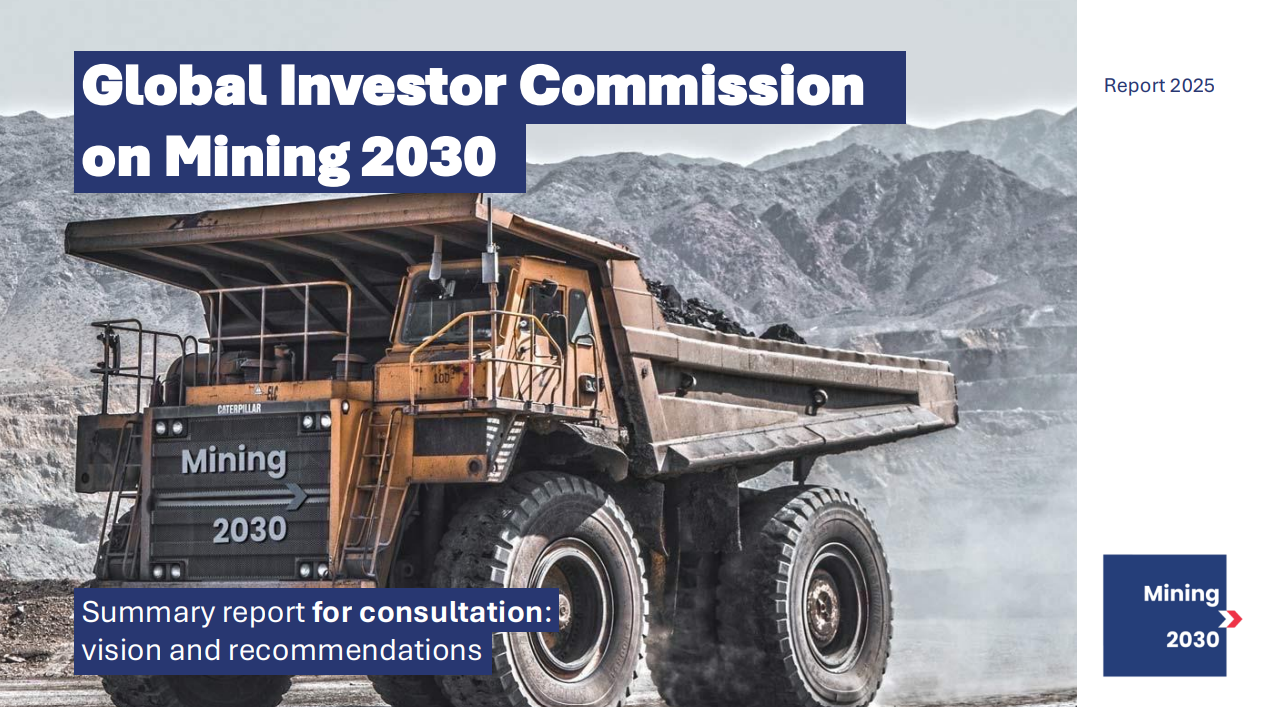
Global investor commission on mining 2030
The report outlines an investor-led 10-year vision for a responsible, resilient mining sector. It sets goals to align capital, governance and stewardship with social and environmental standards, supporting mineral supply for the low-carbon transition while managing risk and long-term value.
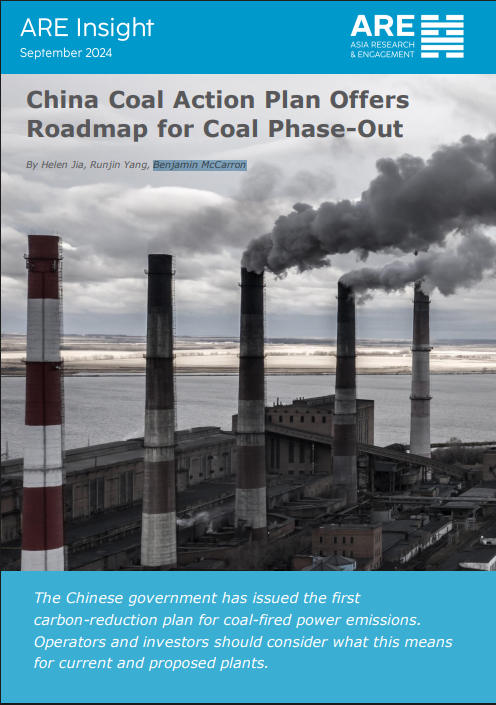
China coal action plan offers roadmap for coal phase-out
The report analyses China’s first quantitative coal power decarbonisation plan, outlining emissions-reduction targets to 2027 via co-firing and carbon capture. It finds retrofitted coal increasingly uncompetitive versus renewables with storage, raising risks for new coal investments and strengthening the case for no-new-coal commitments.

Can you be the change you’d like to see? Three US philosophers aim to offer hope
This review examines Somebody Should Do Something, a timely book arguing that individuals can spark meaningful social change by acting collectively rather than alone. It assesses the authors’ hopeful framework alongside contemporary political realities, questioning whether grassroots agency is sufficient amid concentrated power and rising authoritarianism.
Notice on the application of the sustainable finance framework and the Corporate Sustainability Due Diligence Directive to the defence sector
The European Commission clarifies that the EU sustainable finance framework and Corporate Sustainability Due Diligence Directive apply neutrally to the defence sector. Defence investments are permitted, assessed case by case, with disclosure and due diligence obligations focused on risk mitigation and exclusion limited to internationally prohibited weapons.
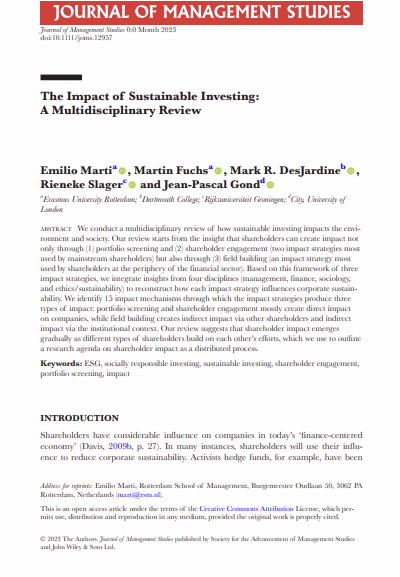
The impact of sustainable investing: A multidisciplinary review
This multidisciplinary review examines how sustainable investing affects environmental and social outcomes. It identifies three investor impact strategies—portfolio screening, shareholder engagement, and field building—and 15 mechanisms producing direct and indirect effects. The study argues impact emerges gradually through coordinated actions by diverse shareholders.
Salient Issue Briefing: Artificial intelligence based technologies
This briefing examines human rights risks from AI-based technologies in the ICT sector, outlines business, legal, and financial implications, and provides investor-oriented guidance grounded in international standards to support rights-respecting AI development, deployment, and oversight.
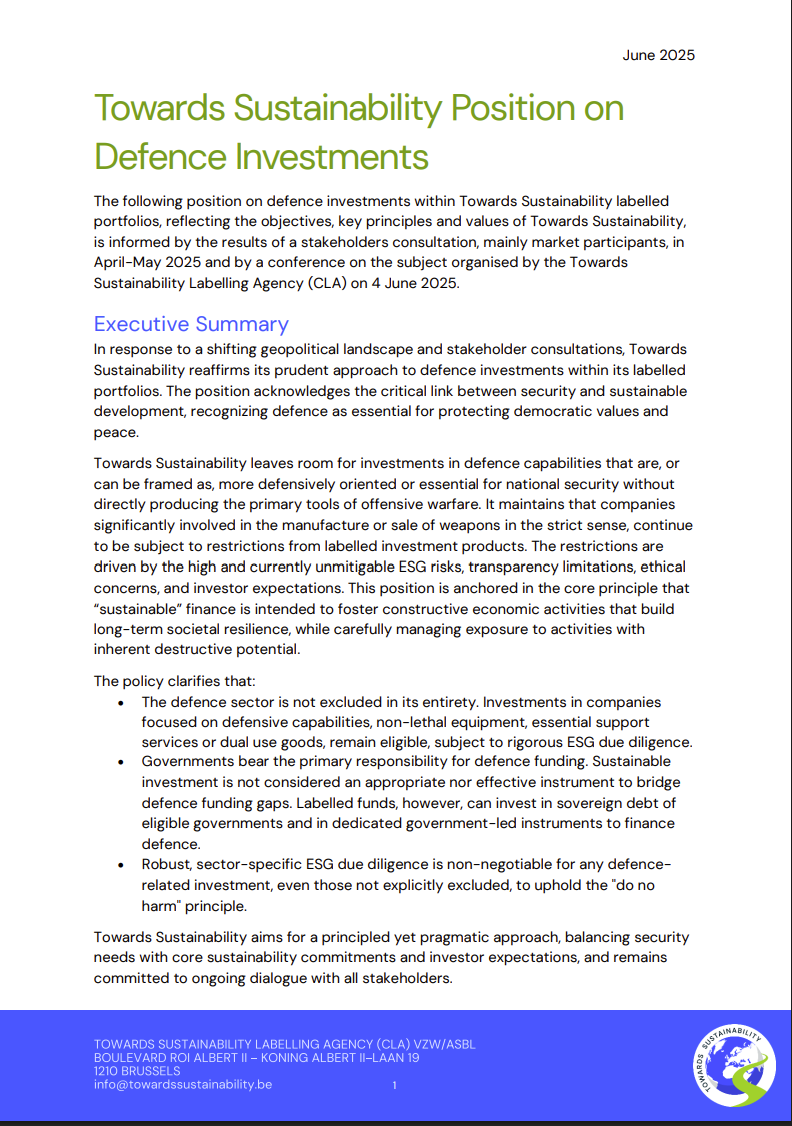
Towards sustainability position on defence investments
The report sets a pragmatic policy on defence investments for Towards Sustainability-labelled funds, permitting defensive, non-lethal and dual-use activities with strict ESG due diligence, while excluding weapons producers. It affirms defence funding as primarily a government responsibility.
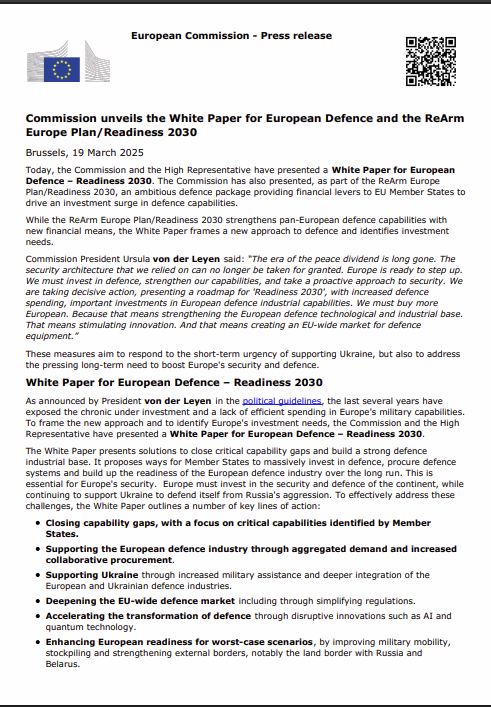
Commission unveils the white paper for european defence and the rearm europe plan readiness 2030
The report outlines the EU’s White Paper on European Defence and the ReArm Europe Plan, targeting defence readiness by 2030 through closing capability gaps, strengthening the defence industrial base, and mobilising over €800 billion via public, EU, and private funding mechanisms.


