
Library | Asset Class
Commodities
Physical goods such as energy (oil, gas, renewables), metals, and agricultural products traded in global markets.
Refine
191 results
REFINE
SHOW: 16


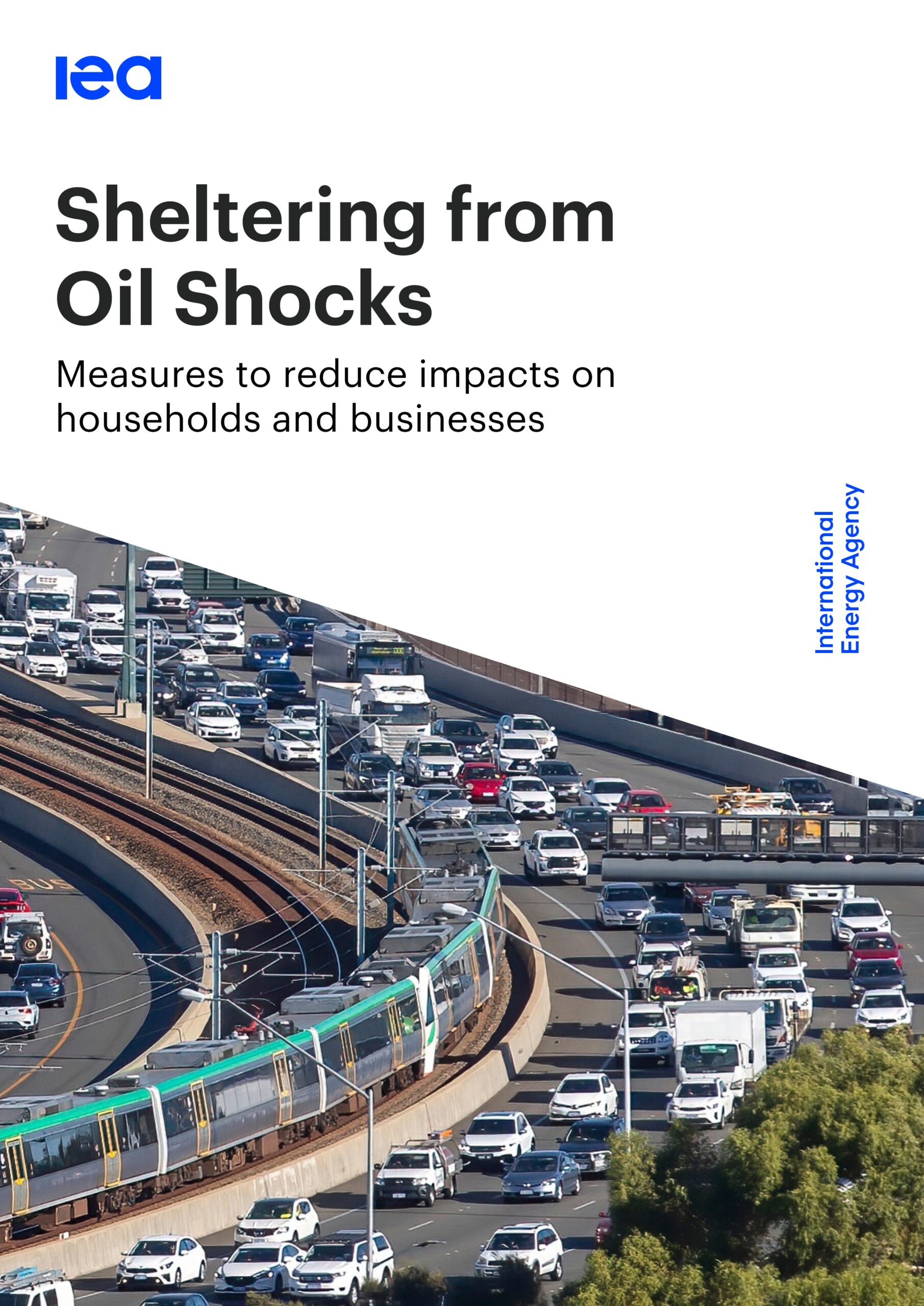
Sheltering from oil shocks: Measures to reduce impacts on households and businesses
This International Energy Agency report outlines measures to reduce the impact of oil supply disruptions on households and businesses. It details short-term and structural strategies across road and air transport, industry, and cooking fuels to lower demand and shield vulnerable consumers from rising energy costs.
Food systems and antimicrobial resistance: Impacts on food safety, animal production and trade
This report examines the impact of antimicrobial resistance in food systems on public health, animal production, and international trade. It highlights the role of food-borne pathogens and commensal bacteria in transmitting resistance, evaluates risk analysis models, and recommends enhanced surveillance, antimicrobial stewardship, and standardisation of global trade regulations.
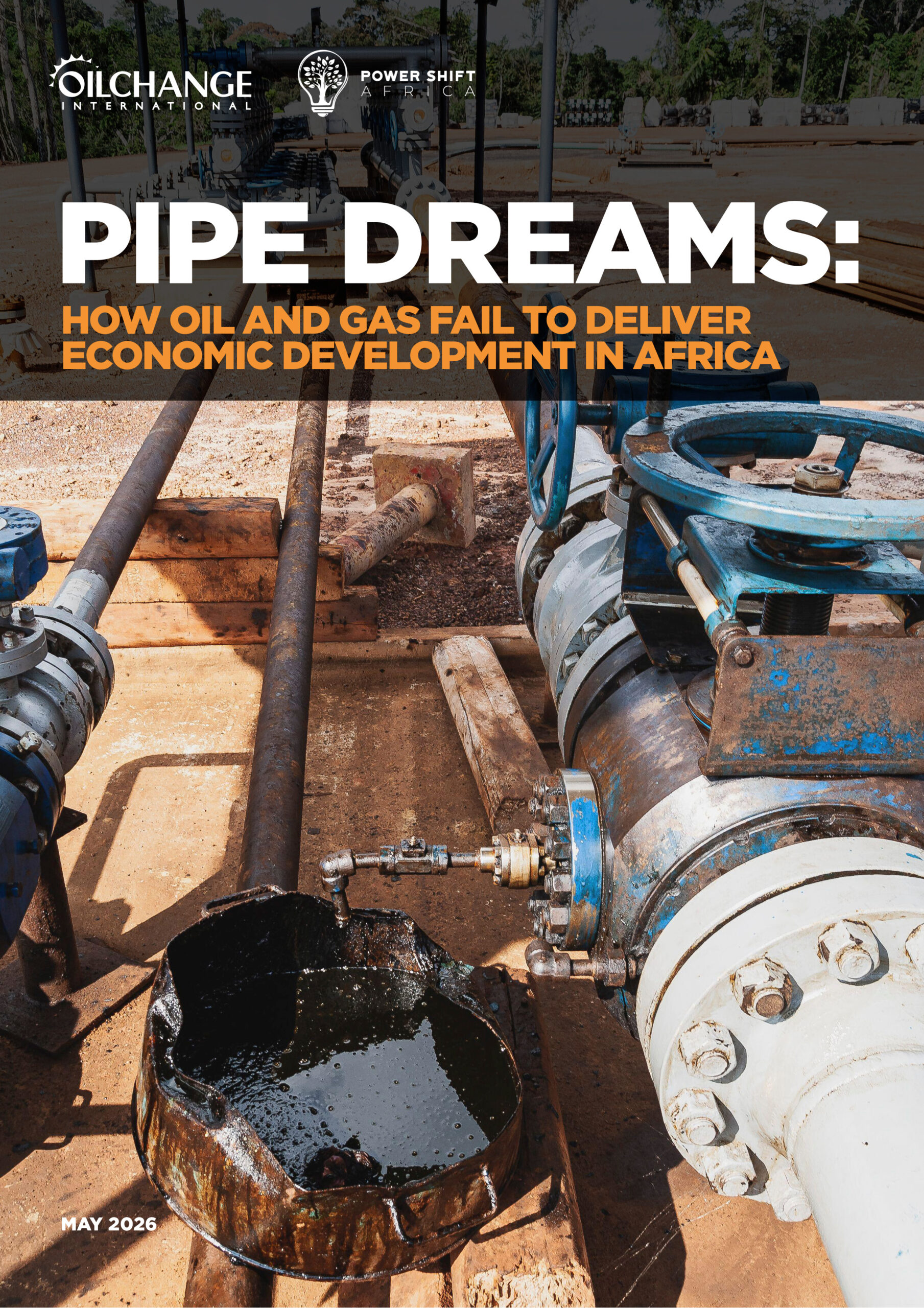
Pipe dreams: How oil and gas fail to deliver economic development in Africa
This 2026 report analyses the economic impact of oil and gas extraction across 13 African nations. Finding that fossil fuels exacerbate poverty, vulnerability, and corruption rather than delivering sustained growth, it advocates for a rapid, just transition to decentralised renewable energy to ensure future economic stability and development.
Assessing the resilience of global grain supplies to compound climatic and non-climatic shocks
This research evaluates the resilience of global grain supplies to compounding climatic and non-climatic shocks. Using a bilateral trade model for 177 countries, it demonstrates that energy price spikes and extreme weather severely disrupt food systems, highlighting the need for strategic stockpiling and diversified trade agreements to ensure food security.
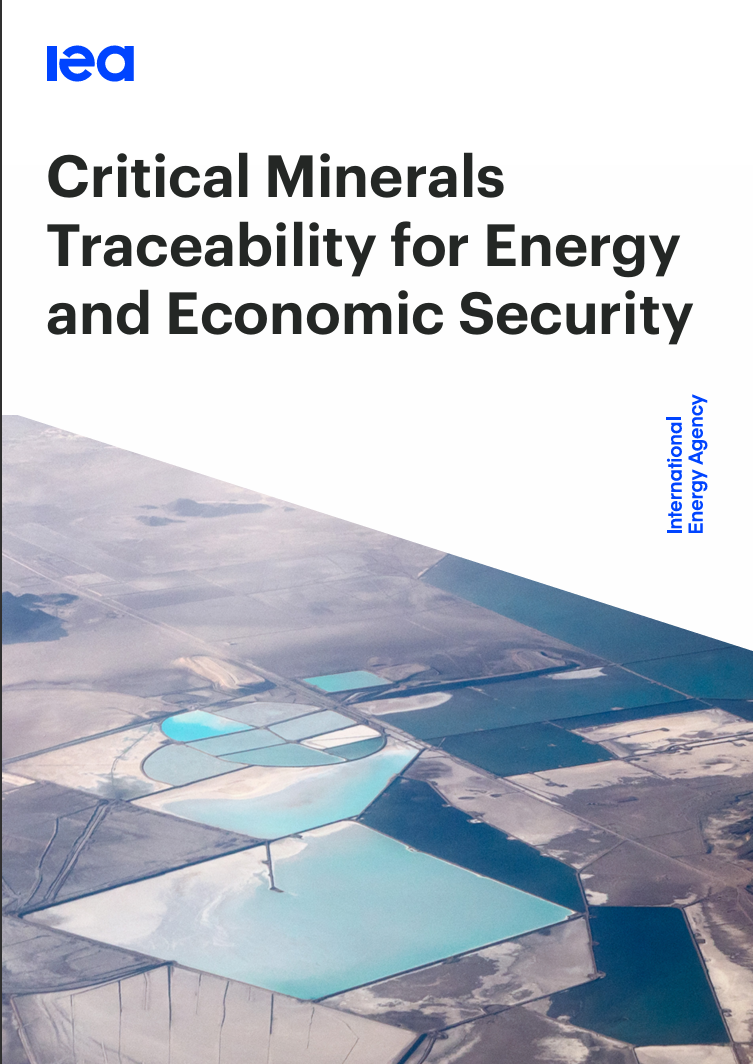
Critical minerals traceability for energy and economic security
IEA finds traceability systems can strengthen critical mineral supply chain resilience by improving visibility, diversification and responsible sourcing. Adoption is increasing but remains uneven due to costs, interoperability issues and limited incentives. The report recommends harmonised standards, financial support and international co-operation to improve energy and economic security.
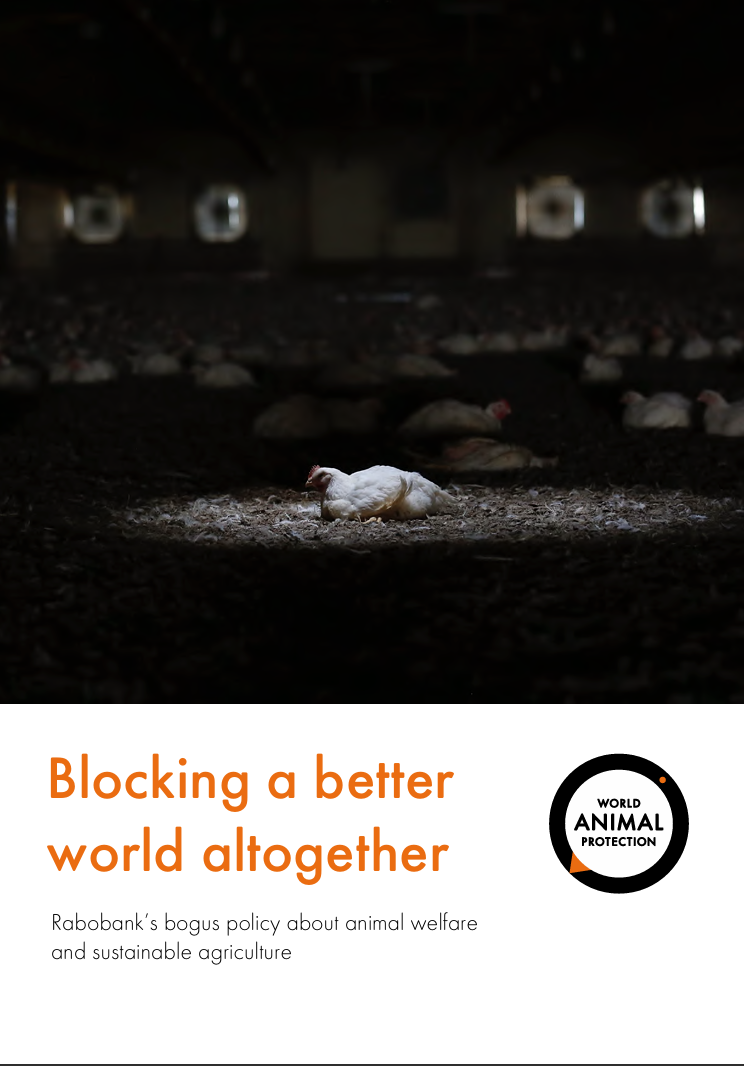
Blocking a better world altogether: Rabobank’s bogus policy about animal welfare and sustainable agriculture
World Animal Protection argues Rabobank’s sustainability policies fail to match its financing practices, alleging continued support for companies linked to animal cruelty, deforestation and high emissions. The report urges stricter lending conditions, stronger monitoring and reduced investment in industrial livestock expansion to align with climate and animal welfare goals.
Tackling governance and financing for sustainability transitions
The report argues current financial systems misallocate capital towards resource-intensive activities, hindering sustainability transitions. It recommends policy, governance and financial reforms to redirect investment towards resource efficiency, low-carbon development and equitable transition pathways, particularly in resource-dependent economies.
The case for pricing pollution: Reducing emissions, strengthening the economy, and delivering a fair share for Australians
The report argues Australia should introduce a Polluter Pays Levy and Fair Share Levy to cut emissions, raise revenue, compensate households, improve productivity, and secure fairer returns from fossil fuel resources.
The Core Carbon Principles (CCPs)
The Core Carbon Principles are a global benchmark developed by the Integrity Council for the Voluntary Carbon Market to assess the quality of carbon credits. They set standards for transparency, governance and environmental integrity, helping market participants identify credible credits and improve confidence in voluntary carbon markets.
Sustainable Finance Roundup March 2026: Markets, Climate Risk, and the Transition in Practice
This month’s sustainability roundup captures a shift from framework development to real-world application, where climate and nature risks are increasingly embedded across financial systems, legal accountability, and decision-making. It highlights how intensifying physical climate signals, evolving disclosures, and maturing litigation are converging with insights on sovereign risk, energy systems, and corporate strategy. Together, these developments show how sustainability is moving beyond principle—being tested, priced, and enforced across markets, regulation, and the real economy.
Responsible exit principles for oil and gas companies
Sets out voluntary principles for responsible oil and gas asset exits, focusing on decommissioning, buyer due diligence, transparency and stakeholder engagement to reduce climate, financial, legal and social risks from asset transfers and support an orderly transition.
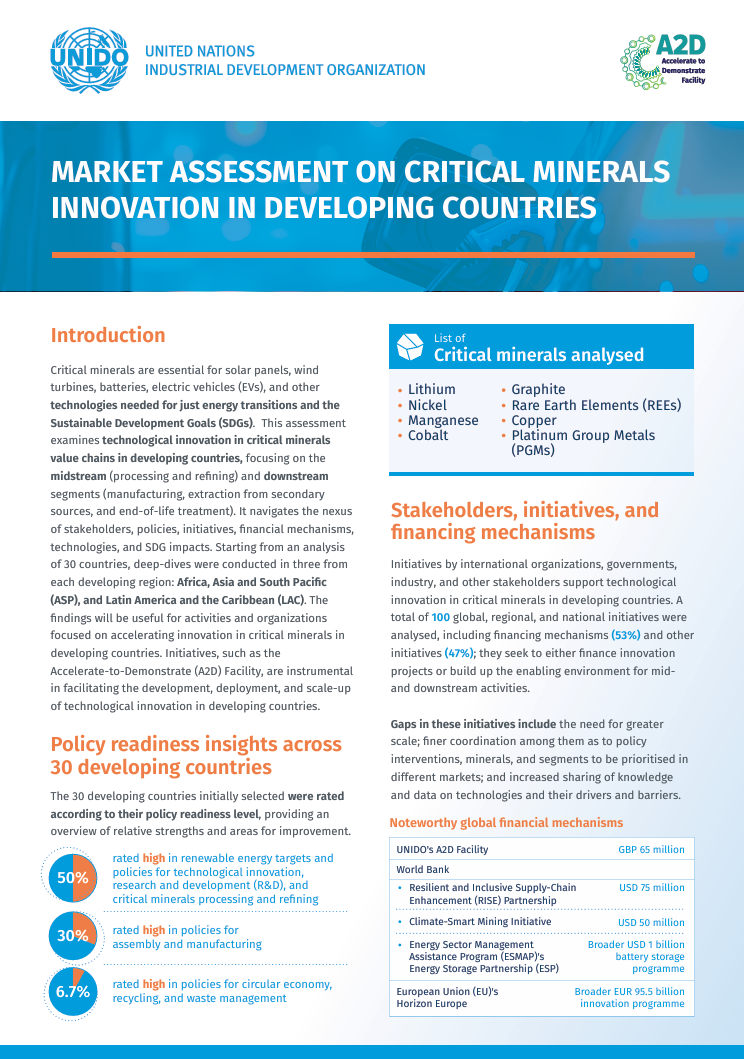
Market assessment on critical minerals innovation in developing countries
This report assesses critical minerals innovation in developing countries, focusing on midstream processing and downstream manufacturing, recycling and end-of-life treatment. It reviews 30 countries, highlights policy and financing gaps, and recommends stronger infrastructure, coordination, technology transfer and support for innovation ecosystems.
Sustainable Finance Roundup February 2026: Disclosure, Carbon Trade, and Transition Economics
This month’s sustainability roundup traces a rapidly evolving landscape in climate governance and industrial transition, highlighting the convergence of ISSB-aligned disclosure standards and emerging carbon trade measures alongside shifting cost curves in transport and critical minerals. It underscores how tighter emissions accounting and border policies are embedding carbon competitiveness into capital allocation, while advances in electrification, AI-driven power demand and expanding legal accountability are integrating climate and nature risk into mainstream financial decision-making.

Wageningen University & Research (WUR)
Wageningen University & Research (WUR) is a leading Dutch academic institution focused on sustainable food systems, climate change, biodiversity, agriculture and environmental science.
It combines university education with applied and fundamental research to address global challenges in nutrition, health, water and circular bioeconomy. WUR partners with industry and governments worldwide.
It combines university education with applied and fundamental research to address global challenges in nutrition, health, water and circular bioeconomy. WUR partners with industry and governments worldwide.
Future energy scenarios: Pathways to Net Zero
Future Energy Scenarios 2025 provides independent pathways for Great Britain’s energy system to reach net zero by 2050. It models demand, supply, flexibility and emissions across electricity, gas and hydrogen, assessing costs, infrastructure needs, carbon budgets and policy choices under varying levels of electrification, hydrogen deployment and consumer engagement.
Coal 2025: Analysis and forecast to 2030
This report analyses global coal supply, demand, trade and prices to 2030. It assesses regional consumption trends across power and industry, production outlooks for major exporters, policy and decarbonisation impacts, and market risks. Forecasts highlight shifting Asian demand, plateauing global use, and implications for investment and energy security.


