
Library | Asset Class
Infrastructure
Investments in essential physical systems and facilities (transport, energy, water, communications) that support economic and social activity.
Refine
404 results
REFINE
SHOW: 16


Climate change mitigation and adaptation: What works for data centres? Part 3
This report evaluates climate change mitigation and adaptation strategies for data centres using the ClimaTech database. It assesses the effectiveness of decarbonisation across three scopes and analyses resilience measures for flood, storm, heat, and wildfire risks, providing quantitative performance metrics for various technological solutions.
ASEAN sustainable finance state of the market series
This series by the Climate Bonds Initiative examines the development of sustainable finance markets across ASEAN. It covers green, social, sustainability and sustainability-linked debt instruments, alongside market structures, taxonomies, transition finance and policy developments supporting sustainable capital markets across the region.
A novel multilevel conceptual framework for flood risk governance
This research introduces a multilevel framework integrating flood hazard modelling, social vulnerability assessments, and risk communication. Designed for data-scarce environments, it addresses analytical silos by treating communication as a coequal component. The framework supports equitable decision-making through consequence-oriented risk surfaces and transparent uncertainty representation for municipal planning.

Mobilising capital for India’s critical minerals sector
This report examines financing challenges in India's critical minerals sector across upstream, midstream, and recycling segments. It evaluates the National Critical Mineral Mission's role in addressing capital gaps and suggests de-risking projects to ensure commercial viability and support India’s energy transition goals through strategic policy and international partnerships.
Asset-level physical climate risk register template
The Asset-level physical climate risk register template, developed by the Investor Group on Climate Change (IGCC), enables consistent documentation of climate hazard assessments. It helps investors and managers track risks such as floods and wildfires at the individual asset level to support financial reporting and resilience planning.
The role of investors in measuring and achieving lower embodied carbon in real estate and infrastructure
This guidance outlines strategies for Australian investors to manage and reduce embodied carbon in real estate and infrastructure. It details a maturity pathway from benchmarking to achieving reductions, highlighting mandatory reporting requirements and strategic benefits. The document provides specific actions for equity and debt investors to align with net-zero pathways.
Global energy review series
The Global Energy Review is an annual benchmark series published by the International Energy Agency (IEA) that assesses trends across the entire energy sector, covering all fuels, technologies, regions, and energy-related CO2 emissions for the preceding calendar year.

Clean cooking in Africa 2026: Progress report
This report evaluates progress toward universal clean cooking access in sub-Saharan Africa. While delivery rates have tripled since 2010, population growth continues to outpace gains. The analysis covers investment trends, infrastructure development, and the impact of the 2026 energy crisis on regional fuel supply chains.
Exploring guarantees for resilient and low-carbon cities: Part 2: De-risking urban climate finance series
This report examines how guarantees can unlock private climate finance for cities. It identifies barriers to uptake in emerging markets, such as high costs and complex structures. Proposed solutions include strengthening governance, standardising products, and expanding regional facilities to mobilise the USD 4.3 trillion required annually by 2030.
Scientific Climate Ratings
Scientific Climate Ratings delivers forward-looking, science-based climate risk ratings quantifying financial materiality of physical and transition risks for infrastructure assets globally.
Transition Acceleration Framework (TAF)
TAF is a forward-looking analytical framework by Rhodium Group that evaluates where climate investment and policy will accelerate decarbonisation.
EDHEC Climate Institute Resource Hub
EDHEC Climate Institute is a climate finance research resource that provides research, analytical tools and data on climate-related financial risks, transition pathways and climate policy. It supports finance professionals with evidence-based insights for investment analysis, risk assessment and decision-making on climate-related issues.
Project Preparation Support Database (PPSD)
Searchable database of project preparation facilities and climate-focused incubators helping developers and investors access support for bankable climate projects.
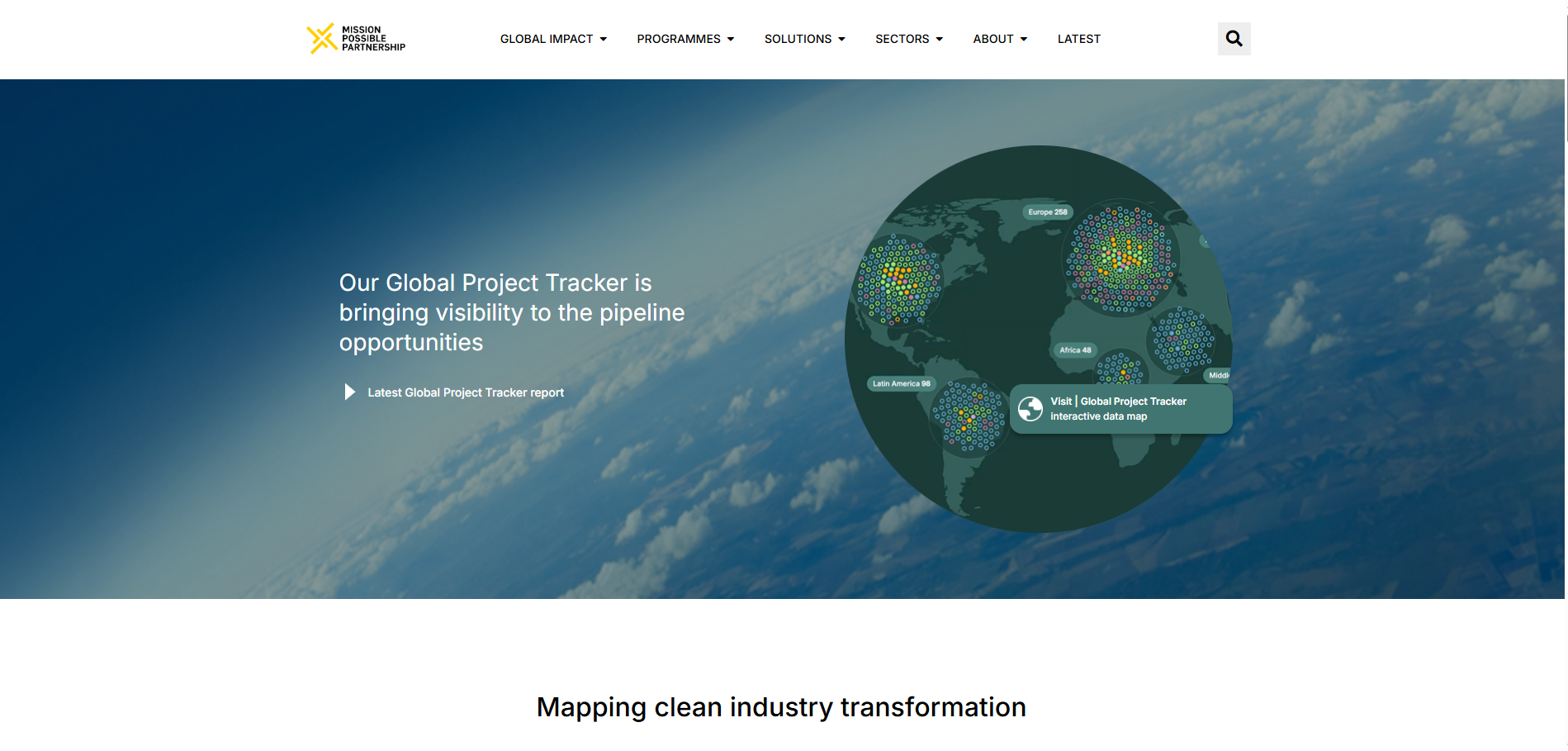
Global Project Tracker
MPP's Global Project Tracker maps the global pipeline of commercial-scale, net-zero-aligned clean industrial plants across materials, chemicals and fuels sectors.
Beyond the parcel: Unlocking risk assessment of complex infrastructure assets
This First Street report applies climate risk modelling to five infrastructure asset types — airports, residential developments, rail networks, transmission lines, and toll roads — demonstrating how localised physical hazards translate into material revenue losses and operational downtime, and why traditional parcel-based risk tools are inadequate for complex infrastructure.
Urban heat risk management: Resource package
This resource package provides practical guidance for local and national governments on managing urban heat risks through governance, planning, nature-based solutions and emergency preparedness. Drawing on global evidence and city case studies, it outlines strategies to strengthen urban resilience to increasing extreme heat.


