
Library | Sustainable Finance Practices
Issue/sector focused research
General research and analysis that provides deep dives and insights into specific sustainability issues or industry sectors, addressing the current status, trends, risks, and opportunities for the issue but not specifically addressing a finance or business audience.
Refine
762 results
REFINE
SHOW: 16


The challenges of scaling up e-kerosene production in Europe
The report highlights the EU's efforts to meet sustainable aviation fuel targets through various projects. Despite a projected 1.7 Mt production capacity by 2030, challenges include regulatory loopholes, high production costs, limited renewable resources, and dependency on biogenic CO2.
Why does aviation need green hydrogen to decarbonise?
This benchmark series on green hydrogen in aviation explores the UK's and EU's efforts to decarbonise the sector. It covers policy landscapes, innovation, and sustainable growth recommendations, providing essential insights for finance professionals in sustainable finance.

The high-integrity sustainable aviation fuels handbook
The handbook provides introduction to sustainable aviation fuels (SAF) and guidance for the development and deployment SAF. It emphasises the need for robust sustainability criteria, transparent accounting systems and a life-cycle assessment approach to ensure significant emissions reductions compared to conventional jet fuel. It also offers policy recommendations to support the growth of SAF in the aviation industry.

Making net-zero aviation possible: An industry-backed, 1.5°C-aligned transition strategy
The report outlines a 1.5°C-aligned transition strategy for decarbonising the aviation sector by 2050. It provides tools and milestones, to guide public and private sector decision-makers in achieving net-zero greenhouse gas emissions through sustainable aviation fuels, novel propulsion technologies, and efficiency improvements. The strategy emphasises collaboration across the aviation value chain to meet the ambitious climate targets.

The role of e-fuels in decarbonising transport
This report examines the role of e-fuels in decarbonising transport, focusing on their potential for aviation and shipping. It provides a techno-economic assessment of e-fuel technologies, evaluates necessary cost reductions and infrastructure investments, and highlights policy considerations. E-fuels, derived from electrolytic hydrogen, could diversify decarbonisation options and complement existing biofuels, especially in sectors less amenable to electrification.

Scaling up sustainable aviation fuel supply: Overcoming barriers in Europe, the US and the Middle East
The report explores the challenges and key actions needed to scale sustainable aviation fuel (SAF) production in these regions. It highlights technological advancements, regulatory frameworks, and strategic collaborations necessary to achieve 10% SAF by 2030 and sector decarbonisation by 2050. The report emphasises the importance of investments, policy support, and public awareness to drive the adoption of SAF globally.

Clean Energy Council's clean energy Australia report series
The series provides an annual overview of Australia's renewable energy sector. This benchmark series covers industry trends, policy developments, and technology profiles across various energy sources such as solar, wind, hydro, and battery storage. It offers insights into state and federal targets, investment trends, and employment impacts within the clean energy landscape.

Energy transition risks and opportunities initiative's series
Energy Transition Risk and Opportunities Initiative (ET Risk) provides finance professionals with tools to assess energy transition risks and opportunities. The project focuses on sustainable finance, ESG impacts, and climate change, helping users make informed investment decisions.
Artificial intelligence and human rights investor toolkit
This toolkit aims to provide investors with guidance on how to navigate the intersecting terrain of AI and human rights. It covers the various aspects of AI implementation that have potentially significant implications for human rights, and how investors can engage with companies on these issues. Its focus is on emerging risks and opportunities for investors in the context of rapidly evolving technologies and the ethical challenges they pose.
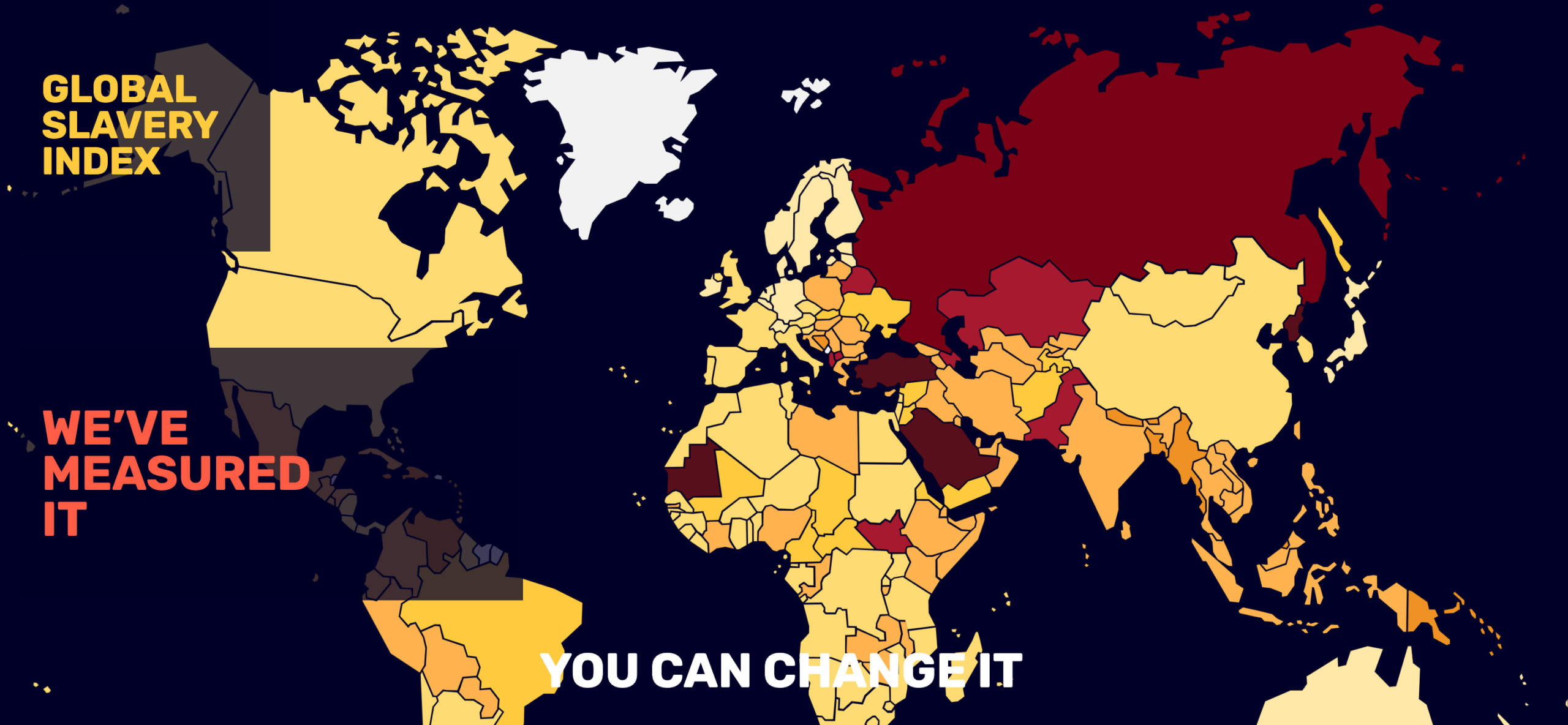
Global Slavery Index
The Global Slavery Index (GSI) by Walk Free provides comprehensive data on the prevalence of modern slavery in 160 countries, detailing how many people are affected, their vulnerabilities, and governmental responses.

Impact at scale
This report by Social Ventures Australia explores the topic of impact at scale within the Australian social sector. It sets out key features of impact at scale, with Australian case studies highlighting different approaches in working towards this goal. The report aims to bring together a uniquely Australian set of perspectives on the topic, which is broadly missing in current literature.
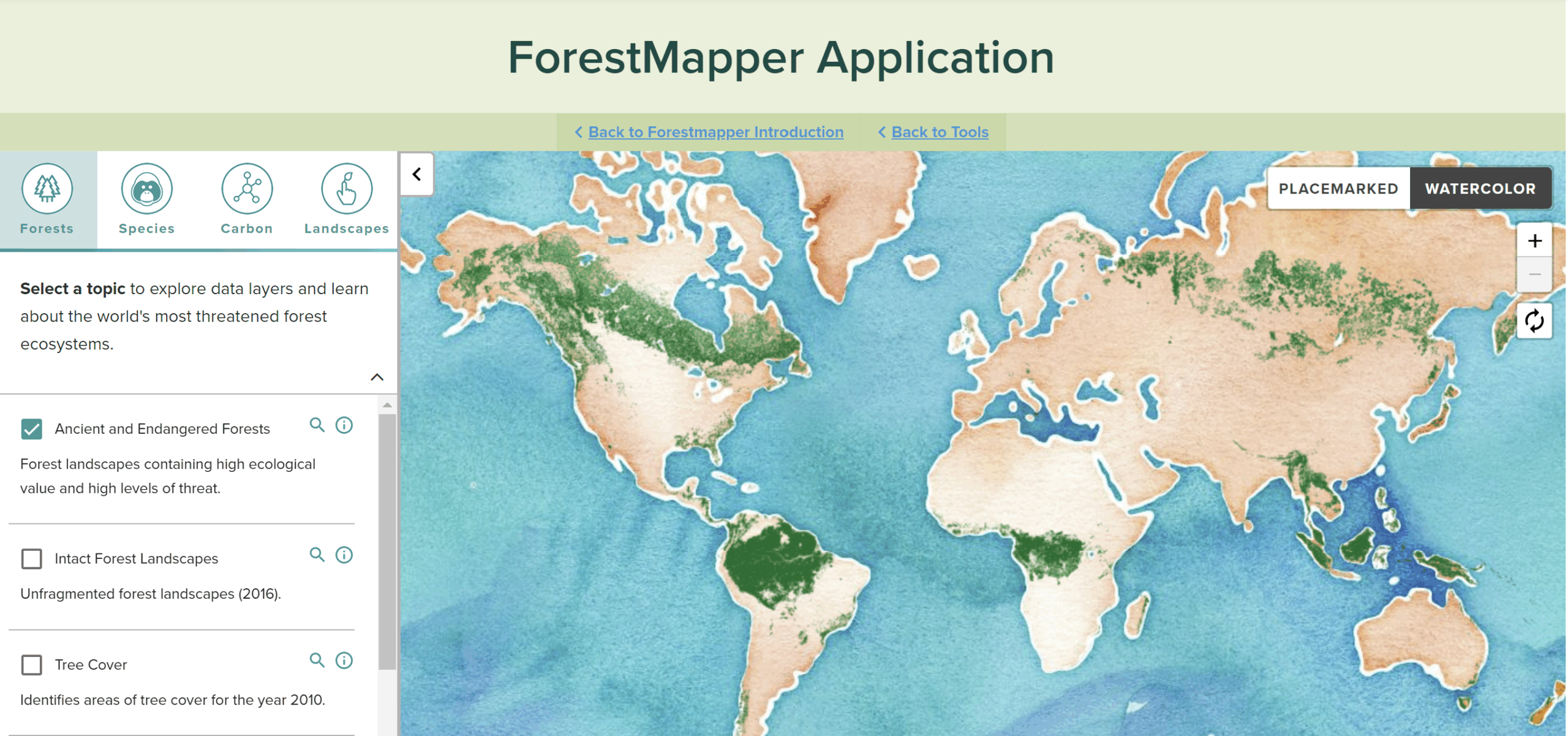
ForestMapper
ForestMapper is an interactive tool designed by Canopy to visually map ancient and endangered forests globally. It helps companies identify sustainable fibre sources and assess risks in their supply chains, featuring data layers on forests, species, carbon, and landscapes across various global regions.
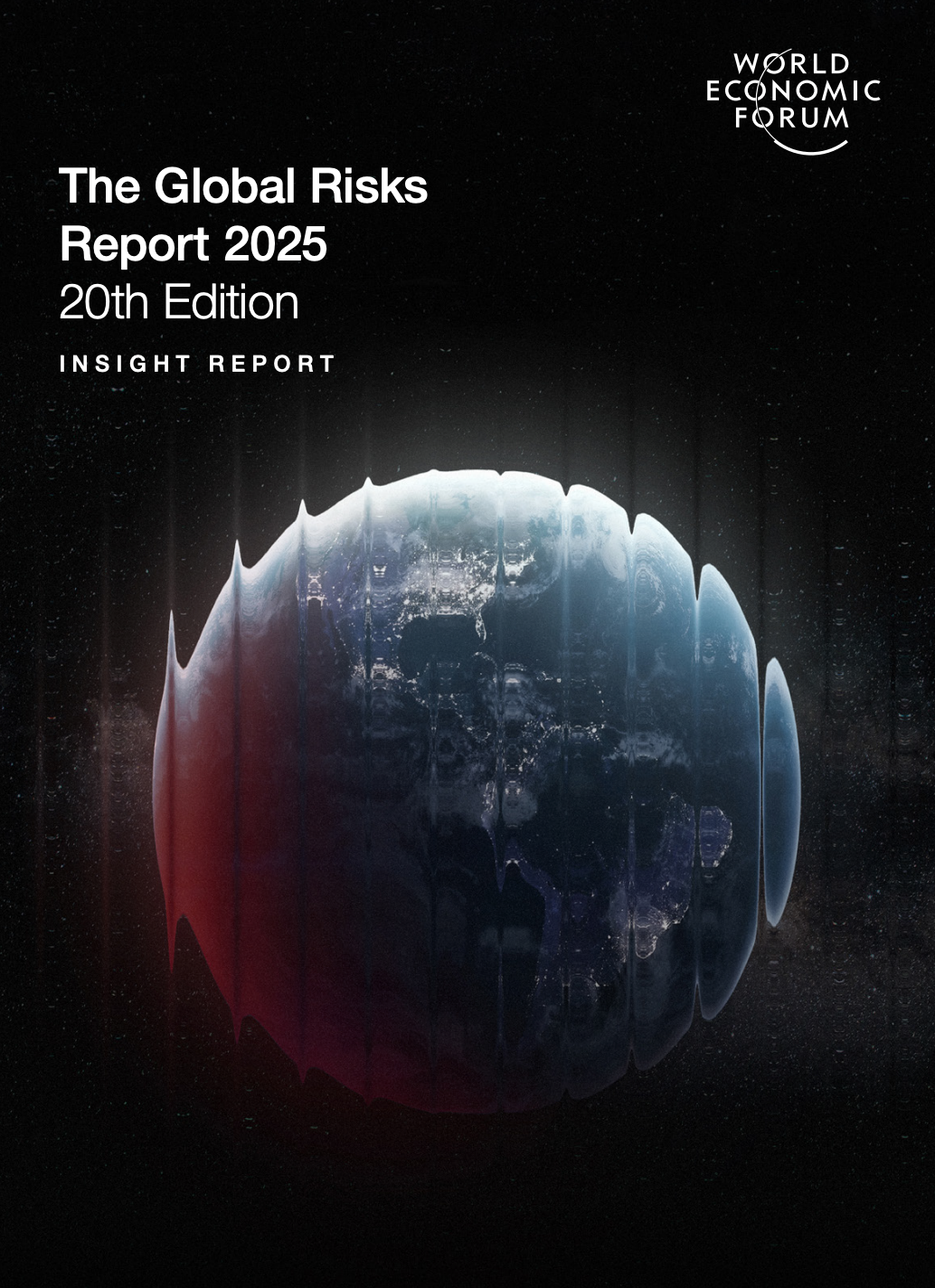
World Economic Forum's global risks report series
The Global Risks Report is a long-running report series published by the World Economic Forum that examines emerging global risks across environmental, social, economic, geopolitical and technological domains. It provides a forward-looking assessment to support risk awareness, strategic planning and decision-making by finance professionals and policymakers.

Human rights and technology: Final report
The report highlights how Australia can achieve innovation while upholding human rights. It offers recommendations on how to protect and promote human rights while responsibly using new technologies. The Commission consulted industry, government, civil society, academia, and leading experts worldwide, producing a template for further accountability and human rights protection.

Decarbonization, population disruption and resource inventories in the global energy transition
The study underscores the necessity of macro-level planning for energy decarbonisation. It delves into the geographical intricacies and dynamics of mineral resource extraction during the transition, providing an empirical foundation to evaluate spatial impacts and demographic shifts. It reveals potential risks and disparities in risk distribution, emphasizing targeted planning's importance.

State of Indigenous business: Driving growth across the Indigenous business sector
The report provides insights into the Indigenous business landscape in Australia. The report outlines the potential economic growth for Indigenous businesses estimated at $8 billion, which could create 19,000 jobs for Indigenous Australians. The report discusses the current challenges facing Indigenous businesses and offers policy recommendations to stimulate growth and improved connection between procurers and Indigenous businesses.


