
Library | Sustainable Finance Practices
Issue/sector focused research
General research and analysis that provides deep dives and insights into specific sustainability issues or industry sectors, addressing the current status, trends, risks, and opportunities for the issue but not specifically addressing a finance or business audience.
Refine
761 results
REFINE
SHOW: 16


The real effects of supply chain transparency regulation – Evidence from Section 1502 of the Dodd-Frank Act
Section 1502 of the Dodd-Frank Act requires firms to disclose if they source conflict minerals from the Democratic Republic of Congo (DRC). The report shows that increased public attention leads to responsible sourcing, which mitigates conflicts in mining regions. Certified smelters play a key role in these efforts.
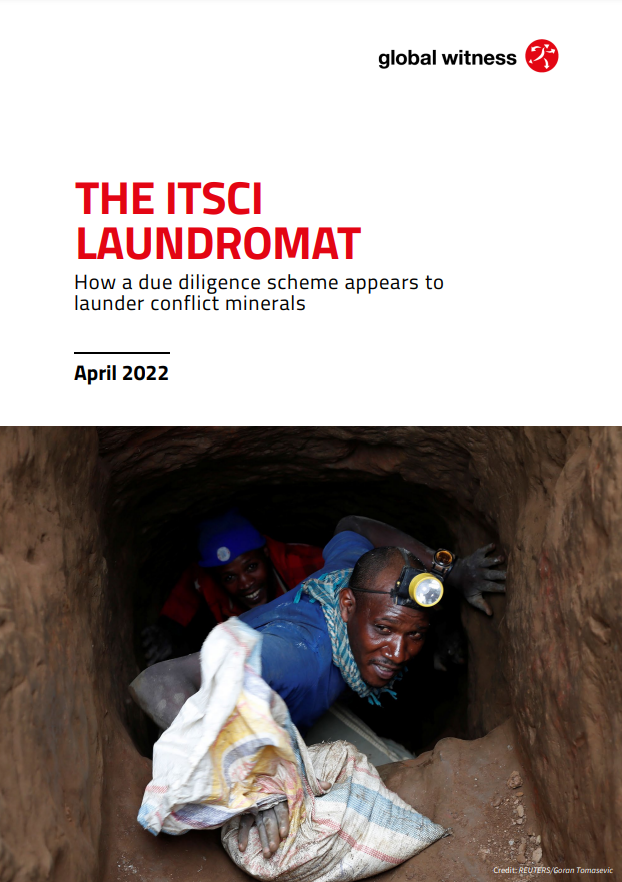
The ITSCI laundromat: How a due diligence scheme appears to launder conflict minerals
This report investigates how the International Tin Supply Chain Initiative (ITSCI) allegedly launders conflict minerals from mines in the Democratic Republic of Congo. It highlights serious failings in the traceability system, enabling smuggling, militia involvement, and child labour in the mineral trade. Recommendations include structural reforms and stricter enforcement by governments and companies.

The conflict minerals handbook: Your guide to compliance
This report outlines best practices for complying with conflict minerals regulations. It covers the definition of conflict minerals, due diligence processes, and the broader impact of responsible sourcing. Key guidelines include using the OECD Due Diligence framework and tools like the Conflict Minerals Reporting Template (CMRT) for supply chain transparency.

An introduction to key ecological concepts, financial opportunities, and risks underpinning aspirations for nature positive
The report introduces key ecological concepts critical to achieving a nature-positive future. It outlines the financial opportunities and risks involved, emphasising the need for collaboration between ecologists and business professionals to effectively implement nature-positive strategies. The report also highlights the challenges and complexities in aligning ecological goals with financial instruments.
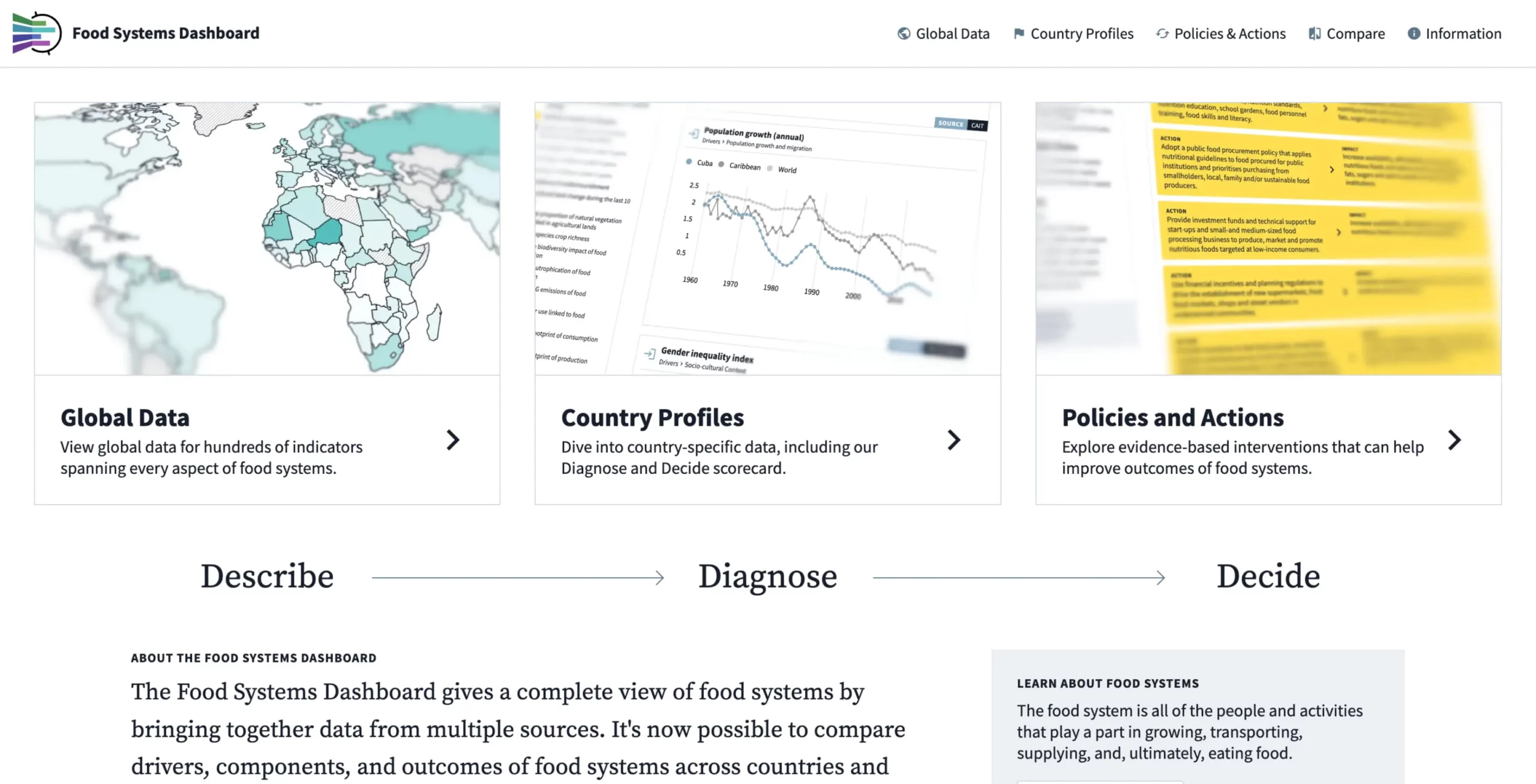
Food Systems Dashboard
The Food Systems Dashboard is a comprehensive tool providing insights into global food systems. It offers data on food production, consumption, and nutrition, enabling users to analyse and compare food systems across countries. This tool supports informed decision-making for improving food security and sustainability.
3 degrees more: The impending hot season and how nature can help us prevent it
This three-part journal explores the severe impacts of a 3°C temperature rise on climate, biodiversity, agriculture, human survival, and the economy, emphasising the need for urgent climate action and nature-based solutions.

Drivers of change: Meeting the energy and data demands of AI adoption in Australia and New Zealand
The report explores the energy challenges posed by AI adoption, highlighting concerns among IT managers about increased energy consumption and uncertainty regarding its impact on sustainability. The research underscores the need for enhanced energy efficiency and green energy solutions to meet ESG goals without hindering AI deployment.

Beyond an age of waste: Turning rubbish into a resource
The report highlights the urgent need to rethink waste as a resource. It emphasises the significance of reducing waste generation, improving waste management practices, and transitioning towards a circular economy to mitigate the environmental impacts of waste. The report presents scenarios for future waste management and advocates for global action to prevent a worsening waste crisis.

Addressing child labour: A guide for the private sector
This guide from the UN Global Compact Network UK offers businesses actionable strategies to eradicate child labour from global supply chains. It outlines the business case for tackling child labour, defines key concepts, and provides concrete steps for prevention, mitigation, and remediation. The guide emphasises the importance of policy commitment, supply chain oversight, and collaboration with stakeholders.

Charting a greener course: The role of Sustainable Aviation Fuels in the net-zero transition
This report examines the potential of sustainable aviation fuels (SAFs) in reducing the environmental impact of aviation. It highlights various types of SAFs, their scalability, and the critical role of investors in supporting high-integrity fuels to achieve net-zero emissions in the aviation sector.

Sustainable aviation fuel policy in the UK
The UK Government has finalised its sustainable aviation fuels (SAF) mandate, requiring jet fuel suppliers to blend SAF into conventional fuel. Despite existing funds, further financial support is needed. The policy landscape is expected to evolve, particularly with the upcoming General Election. The mandate aims to align aviation with climate targets.

Sustainable aviation fuel policy in the United States
The policy summary discusses the US sustainable aviation fuel (SAF) policy, highlighting the favourable regulatory landscape, the Biden administration's support through tax credits and subsidies, and the SAF Grand Challenge. It also covers the different acts, state-level initiatives, and various financial mechanisms to bolster SAF production and adoption, comparing it with EU and UK policies.

Sustainable aviation fuel policy in the European Union (EU)
The EU is developing a policy framework for sustainable aviation fuels (SAFs) to achieve net zero aviation. The ReFuelEU Aviation Initiative mandates SAF blending, with targets rising to 70% by 2050. Supporting measures include the Net Zero Industry Act and the EU Emissions Trading Scheme. Significant investment is required for this transition.
Qualitative assessment of complex and interacting climate risks
This report highlights the limitations of solely relying on quantitative climate risk assessments and emphasises the importance of qualitative methods. It discusses complex interactions between hazards, vulnerabilities, and exposures across built, social, natural, and economic domains, advocating for systems thinking and intersectional approaches to better capture and mitigate climate risks.

Lifetime emissions from aircraft under a net-zero carbon budget
The report evaluates the aviation sector's ability to meet net-zero CO2 emissions by 2050. It projects that current fleet emissions will exhaust half the sector's carbon budget by 2032, necessitating zero-emission aircraft by the mid-2030s to achieve climate goals.

The challenges of scaling up e-kerosene production in Europe
The report highlights the EU's efforts to meet sustainable aviation fuel targets through various projects. Despite a projected 1.7 Mt production capacity by 2030, challenges include regulatory loopholes, high production costs, limited renewable resources, and dependency on biogenic CO2.


