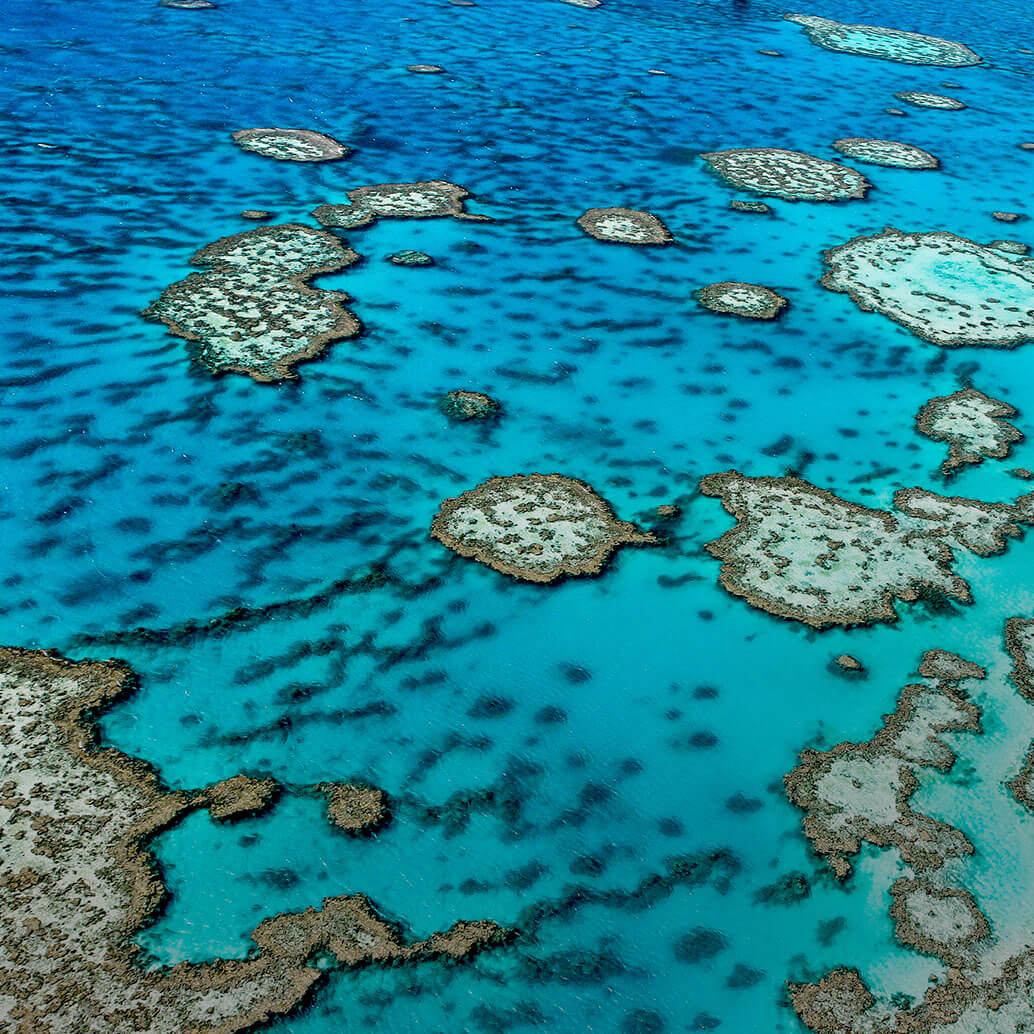
The WDPCA is a global database that consolidates information on protected and conserved terrestrial, inland-water, coastal and marine areas worldwide. Its main purpose is to provide comprehensive, up-to-date spatial and attribute data on legally protected areas and other effective area-based conservation measures (OECMs). Finance professionals may find it relevant when assessing environmental, biodiversity or land-use risks associated with investments, infrastructure or commodity supply chains.
Organisation behind the tool
The WDPCA is managed by the UNEP World Conservation Monitoring Centre (UNEP-WCMC) in collaboration with the International Union for Conservation of Nature (IUCN), and draws data from governments, international conventions, non-state actors and non-governmental organisations worldwide.
What the tool does
Provides a global inventory of protected and conserved areas, combining previously separate databases of protected areas and OECMs. Supplies both spatial (GIS-compatible) data — polygons or point locations — and associated attribute data (e.g. designation type, governance, area, water/land type). Enables users to view, map, query, and download data (subject to licence/ usage restrictions). Offers updated data monthly, reflecting current global coverage and newly designated or amended areas.
Target audience
Primarily conservation agencies, environmental researchers, policymakers, NGOs and governmental bodies. The database is also used by businesses, investors, project developers and financial institutions that require environmental or biodiversity data.
Relevance to finance professionals
- Risk assessment – Enables analysis of exposure to environmental hazards or regulatory risks by identifying whether an investment or project overlaps with protected or conserved areas.
- ESG analysis – Provides data to support biodiversity-related Environmental, Social, Governance (ESG) reporting and screening under emerging sustainability frameworks.
- Market / commodity insights – Informs decisions related to land-use, agriculture, forestry, water, energy or infrastructure by mapping conservation constraints and sensitive ecosystems.
- Investment context – Supports longer-term environmental due diligence, helping investors anticipate regulatory, reputational or ecological risks that could affect asset value or viability.