
About | Mentor | Ishita Rai
Ishita Rai
I summarise and categorise all resources that go into Altiorem’s library, support engagement with Altiorem members, and ad hoc projects that enhance Altiorem’s value proposition and offering to sustainable finance communities.
PROFILE
I summarise and categorise all resources that go into Altiorem’s library, support engagement with Altiorem members, and ad hoc projects that enhance Altiorem’s value proposition and offering to sustainable finance communities.

RECENTLY REVIEWED BY ISHITA RAI
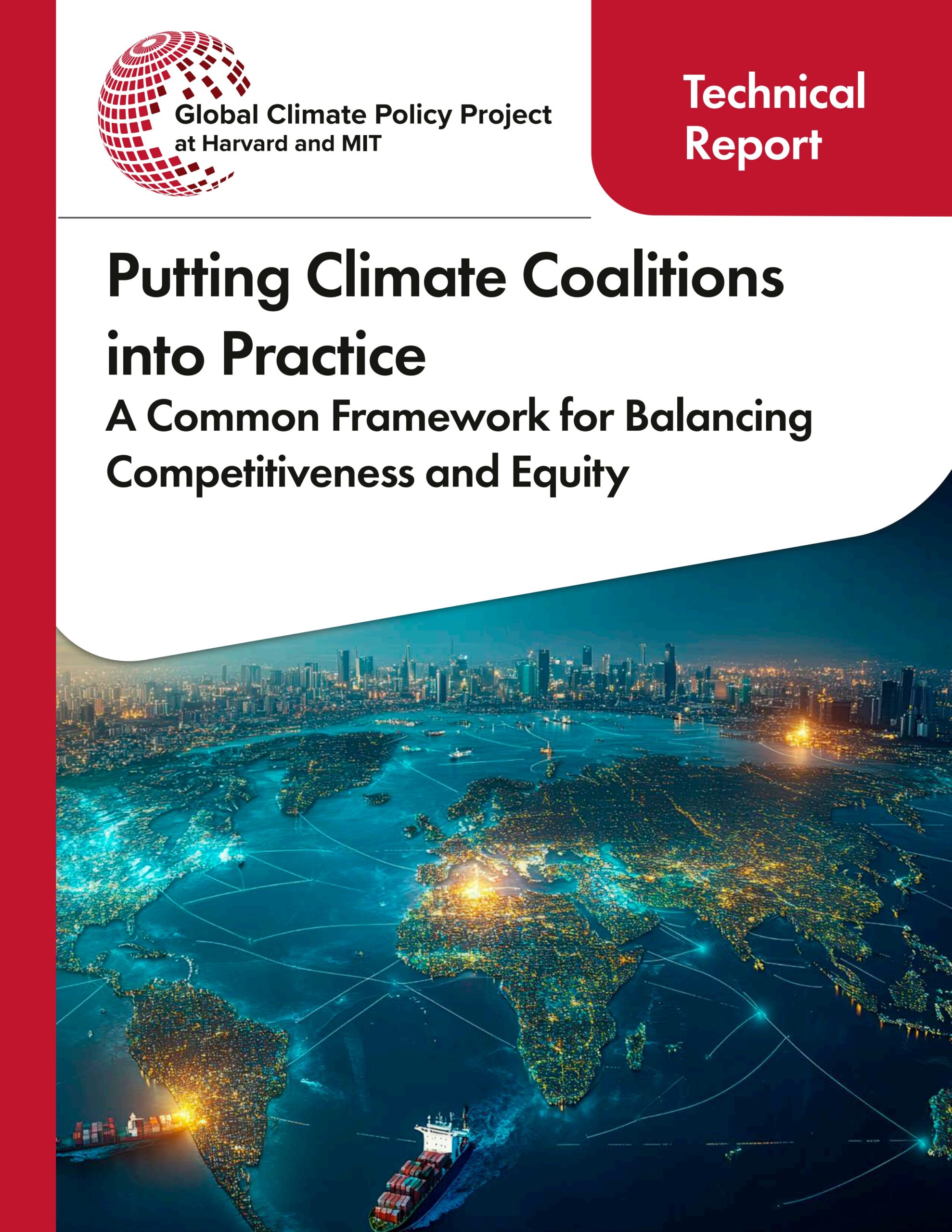
Putting climate coalitions into practice: A common framework for balancing competitiveness and equity
This technical report proposes a framework for international climate coalitions, focusing on emissions-intensive industries such as steel and aluminium. Modelling indicates that coordinated carbon price floors could reduce annual emissions by up to 584 million metric tons. It introduces an 'effective carbon cost' metric to balance global competitiveness and equity.
Global Climate Policy Project at Harvard and MIT
The Global Climate Policy Project is a collaborative research initiative between Harvard University and the Massachusetts Institute of Technology that focuses on international climate policy and energy economics.
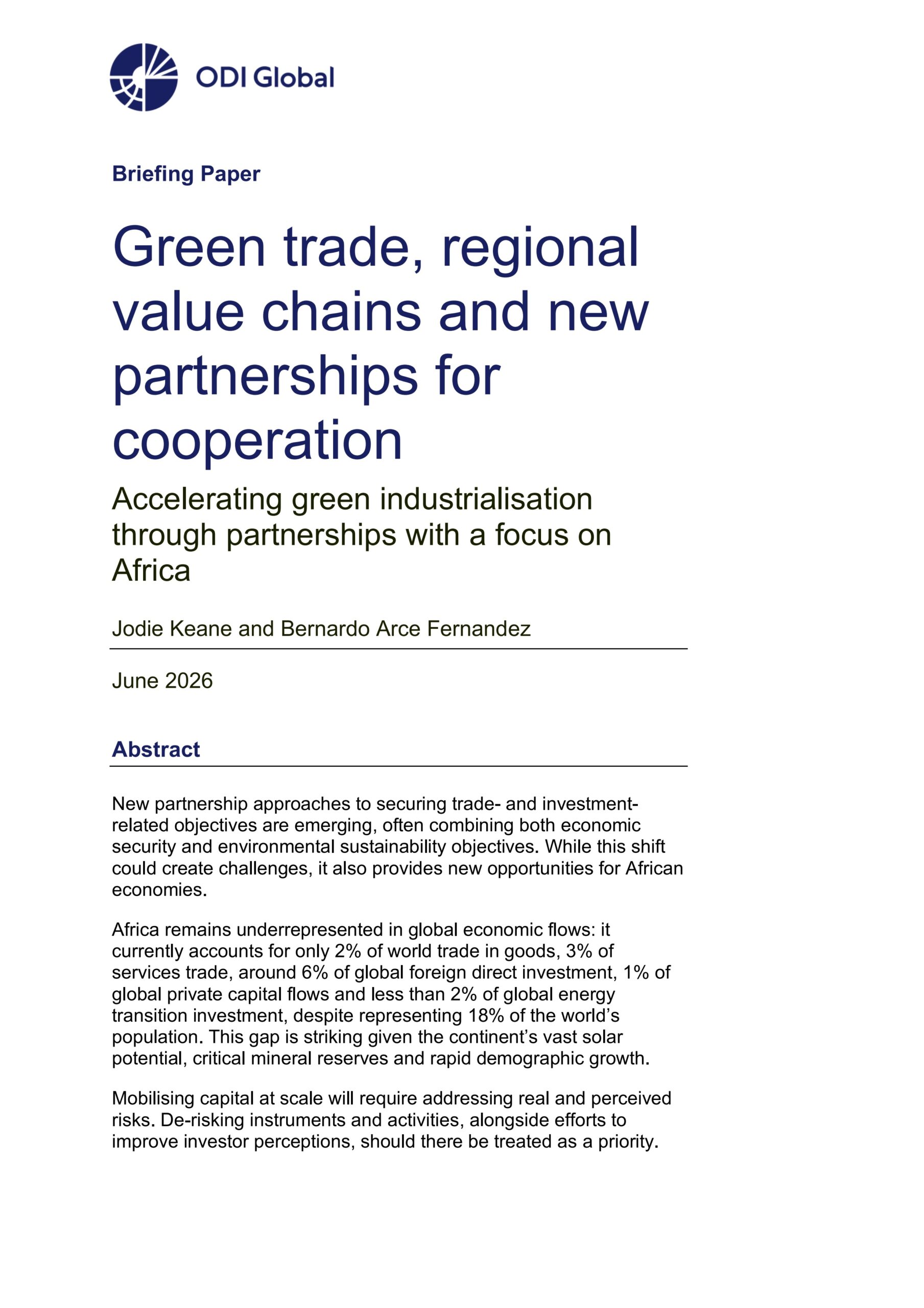
Green trade, regional value chains and new partnerships for cooperation: Accelerating green industrialisation through partnerships with a focus on Africa
This briefing paper examines how green trade and regional value chains can accelerate African industrialisation. It outlines opportunities within the AfCFTA and the African Green Industrialisation Initiative, emphasising the need for de-risking instruments, institutional capacity building, and new partnership frameworks to align international capital with Africa’s sustainable development goals.
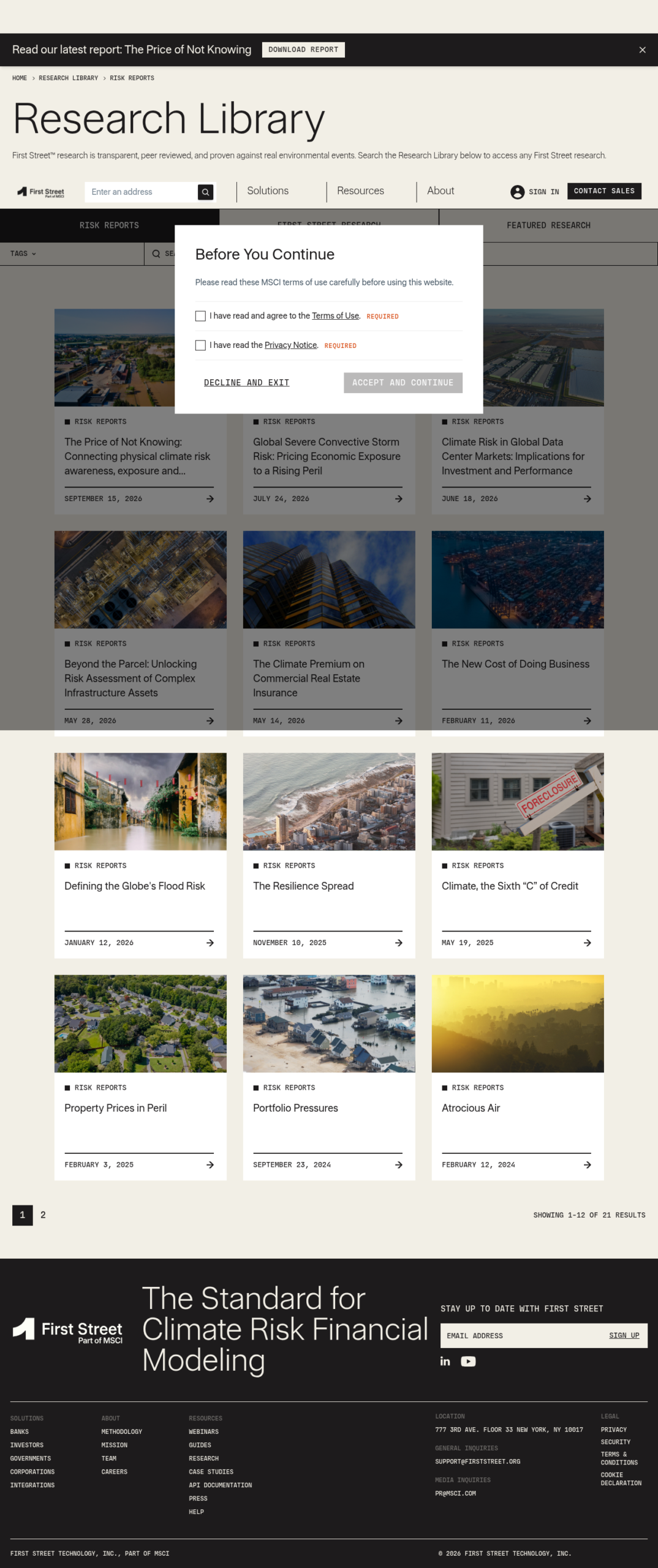
First Street Research Library
The First Street Research Library provides transparent, peer-reviewed reports and climate risk data focused on flooding, fire, and heat. It helps finance professionals quantify physical risks and their economic impacts.
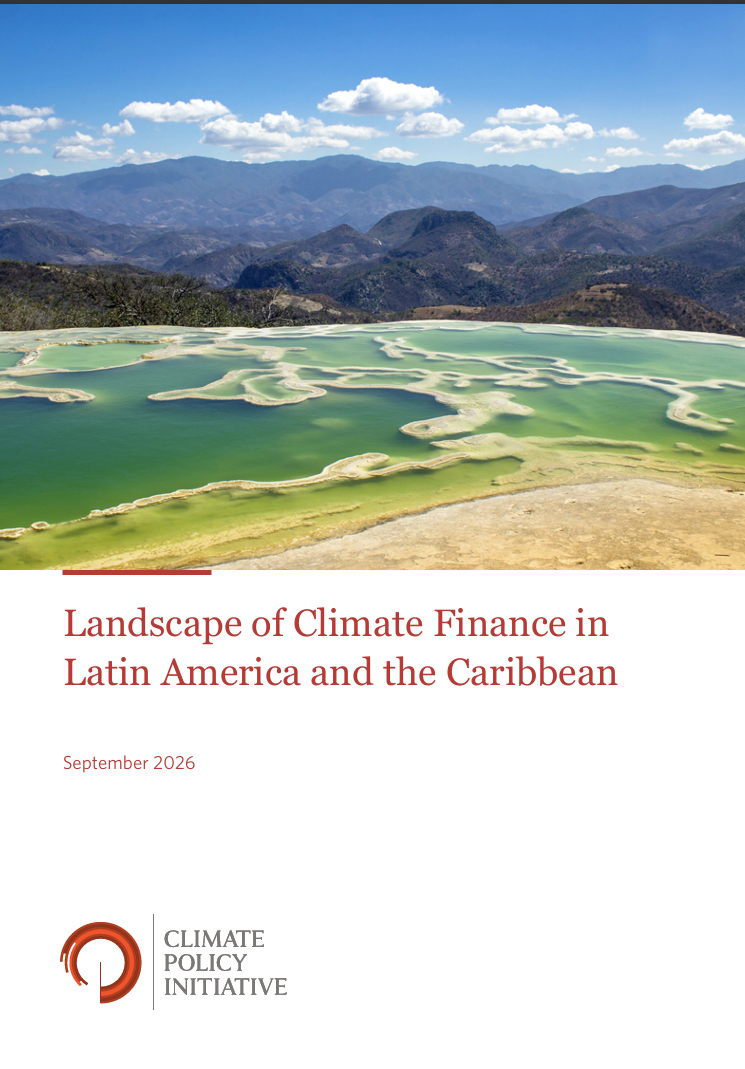
Landscape of Climate Finance in Latin America and the Caribbean
The report assesses climate finance across Latin America and the Caribbean from 2020–2024. Finance doubled to US$108 billion but remains well below estimated needs and unevenly distributed. It examines public and private flows, mitigation and adaptation investment, financing constraints, and measures to mobilise capital and strengthen climate resilience.
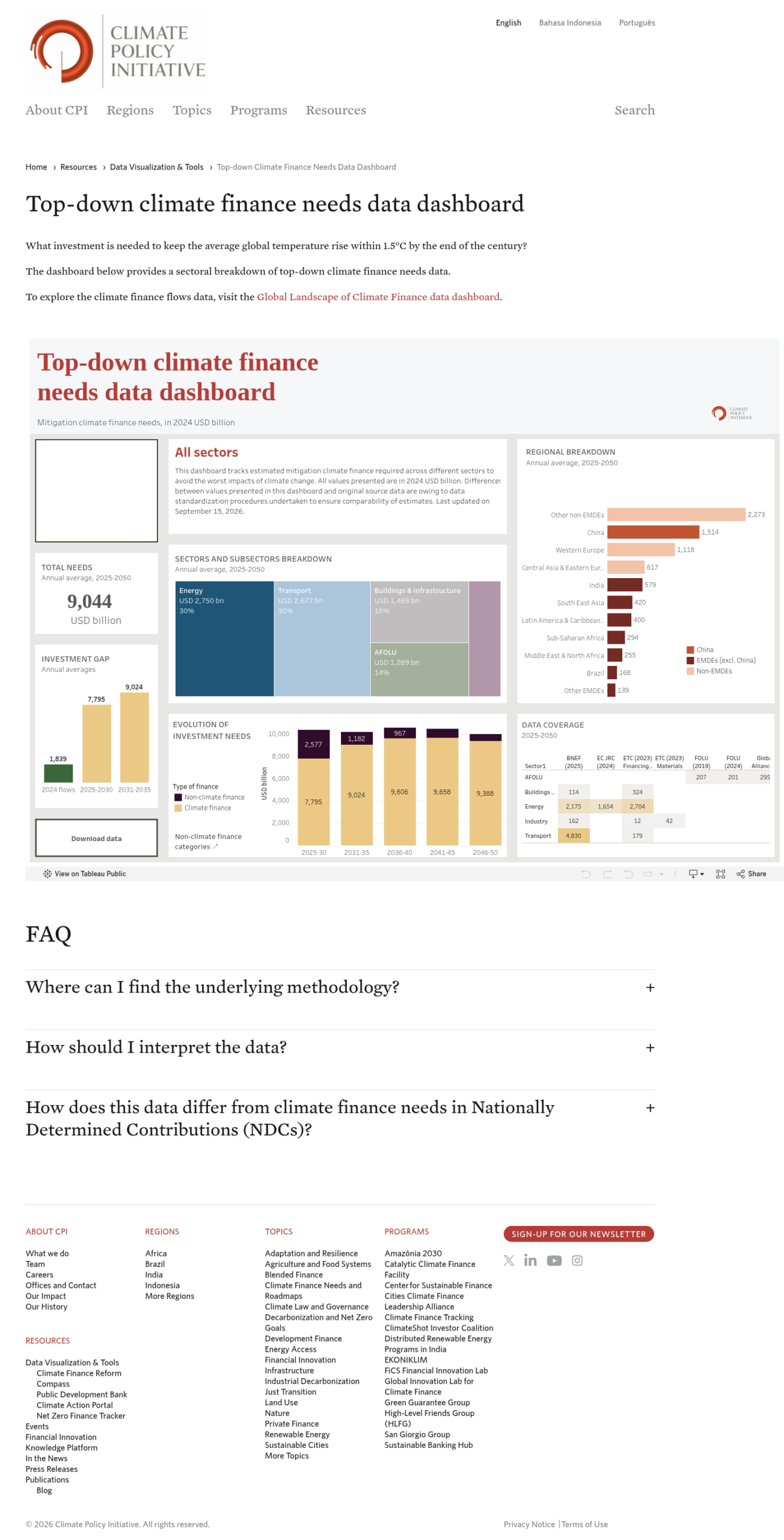
Top-down Climate Finance Needs Data Dashboard
Developed by the Climate Policy Initiative, this dashboard provides interactive visualisations of the global financial requirements for climate mitigation and adaptation, helping finance professionals quantify the investment gap.
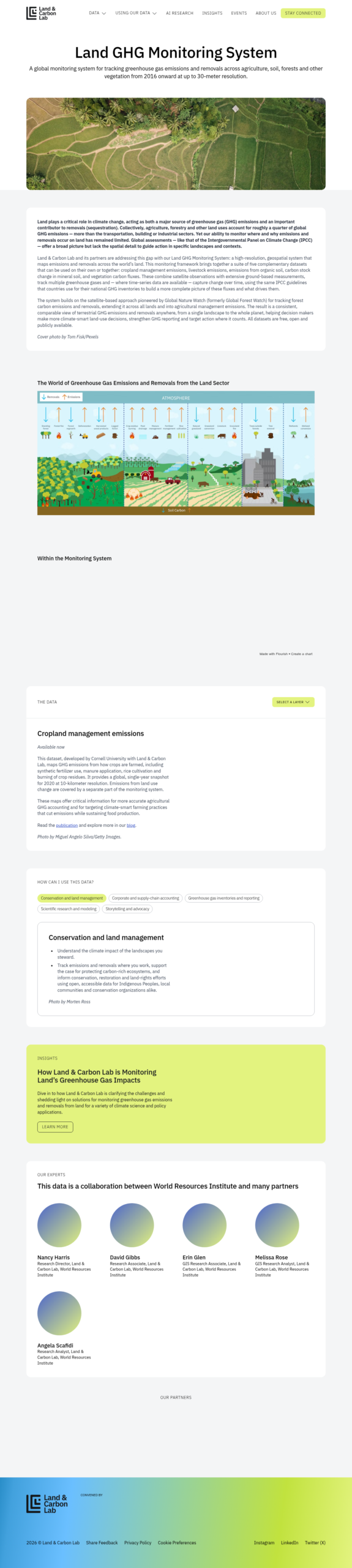
Land GHG Monitoring System
A high-resolution geospatial monitoring system from Land & Carbon Lab and WRI that tracks global greenhouse gas emissions and removals across agriculture, forests, and soils to support corporate accounting and climate-smart land management.
Collaboration in action: How to collectively work towards systems change
This report examines how diverse capital providers collaborate to achieve systems change. It identifies catalytic capital as a pivotal tool for de-risking investments and mobilising private funds. Key findings highlight the necessity of trust, long-term partnerships, and shared metrics to overcome structural barriers and address the $4 trillion SDG financing gap.
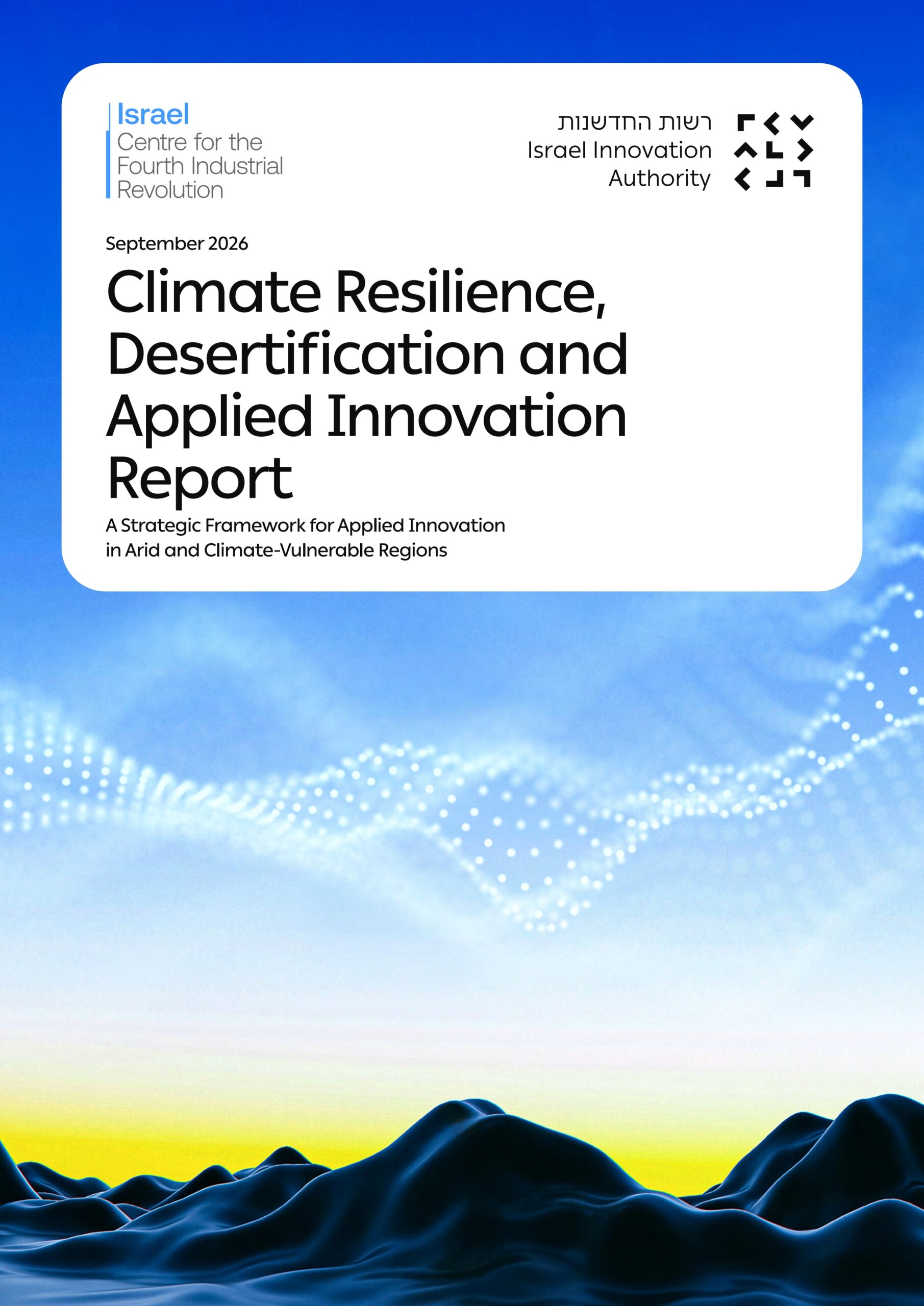
Climate resilience, desertification and applied innovation report: A strategic framework for applied innovation in arid and climate-vulnerable regions
This 2026 report establishes a strategic framework for climate resilience in arid regions. It examines technological solutions in water, agriculture, and energy, highlighting Israel's innovation ecosystem and Azerbaijan's renewable energy transition. The document advocates for integrated systems, cross-border cooperation, and robust governance to combat global desertification and land degradation.

Israel Innovation Authority
The Israel Innovation Authority is an independent, statutory agency that serves as the strategic support and investment arm of the Israeli government. It focuses on cultivating the nation’s high-tech ecosystem through national programs, funding for startups, and strategic policy development.
Centre for the Fourth Industrial Revolution Israel (C4IR Israel)
C4IR Israel is a national hub established to adapt government regulation to emerging technologies and foster cross-sector collaborations. It operates as part of the World Economic Forum's global network to promote agile governance and innovation policy.
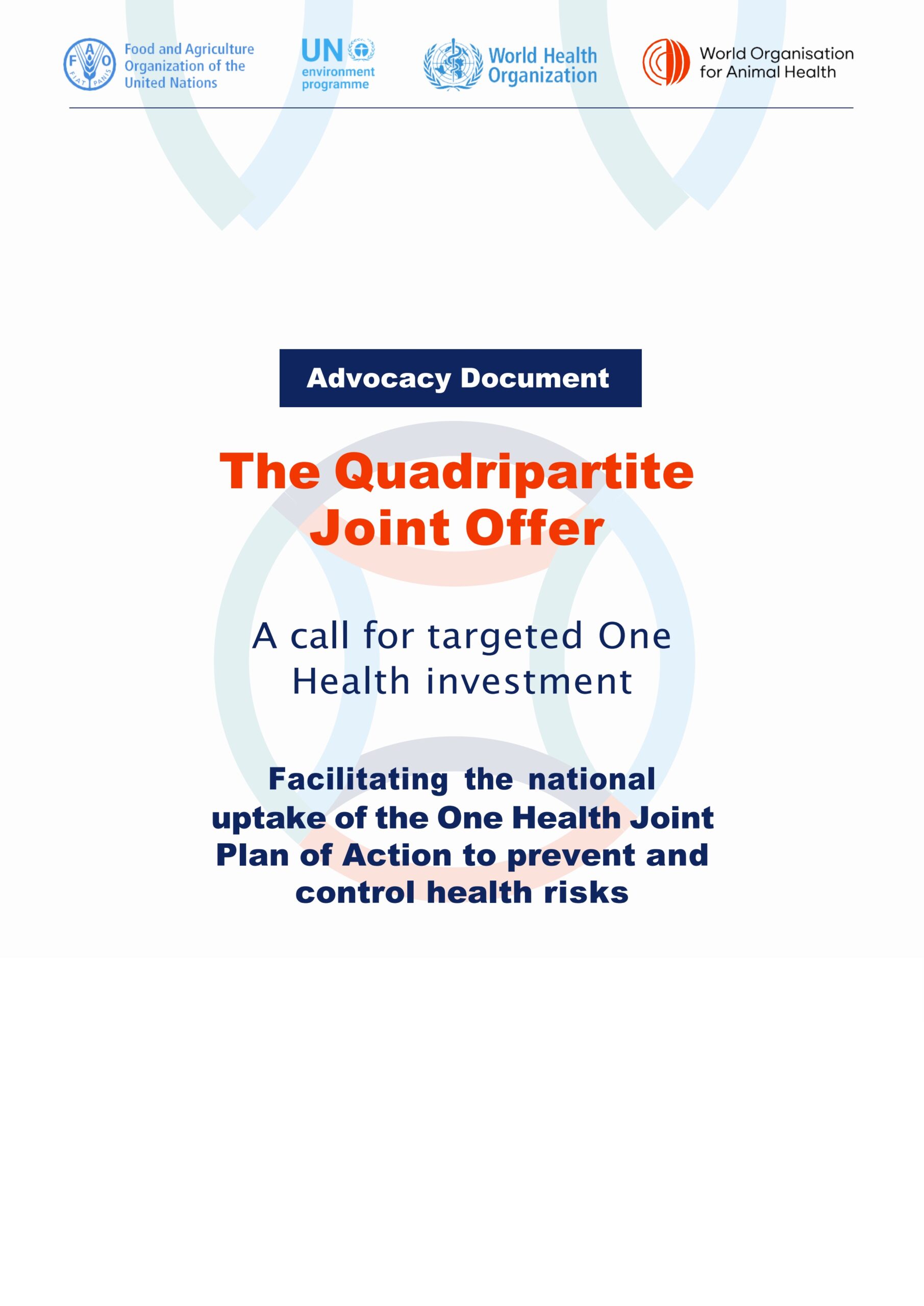
The Quadripartite Joint Offer: A call for targeted One Health investment
This advocacy document calls for targeted investment in the One Health Joint Plan of Action. The Quadripartite collaboration proposes a Joint Offer to support at least ten countries over five years, strengthening governance, multisectoral coordination, and sustainable financing to prevent and control global health risks effectively.
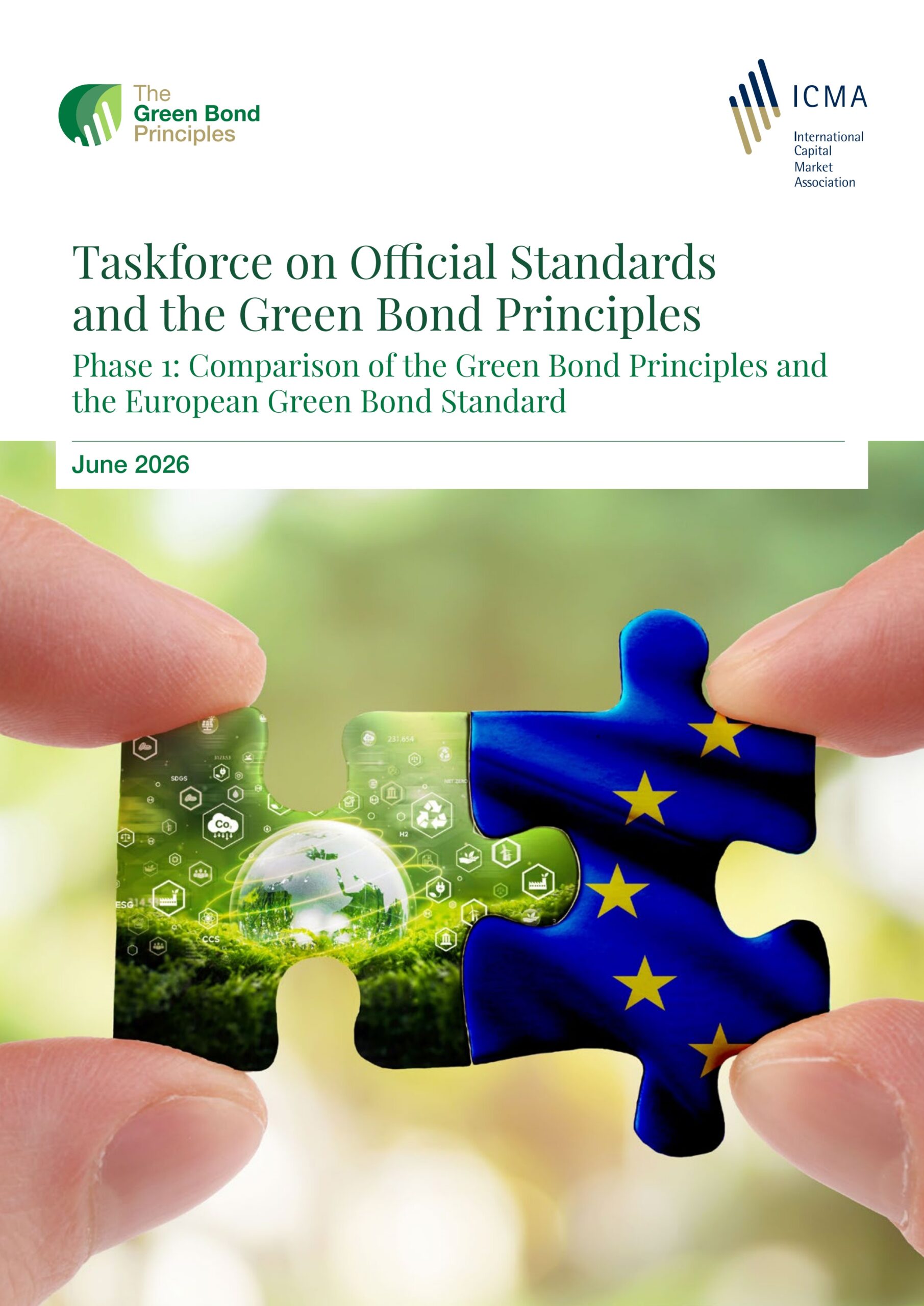
Taskforce on official standards and the Green Bond Principles. Phase 1: Comparison of the Green Bond Principles and the European Green Bond Standard
This report compares the voluntary Green Bond Principles with the regulatory European Green Bond Standard. It identifies high proximity and synergy between the frameworks, providing guidance on how issuers can navigate both sets of requirements to enhance transparency and facilitate global investor recognition in the sustainable finance market.
Financial and economic returns to investing in One Health: Evidence and future directions
This research examines the financial case for investing in One Health to mitigate global health threats. It highlights how integrated approaches reduce costs and improve efficiencies. Through various global case studies, the report demonstrates significant economic returns and provides a strategic blueprint for future sustainable investment.

World Health Organization (WHO)
The World Health Organization (WHO) is a specialized United Nations agency dedicated to promoting global health, keeping the world safe, and serving the vulnerable. It coordinates international health responses, sets health standards, and supports countries in strengthening their health systems.
Embracing carbon uncertainty in portfolio construction
This research introduces a framework for decarbonising sovereign bond portfolios using 'carbon returns'—treating emissions as random variables rather than deterministic values. By applying a modified Hierarchical Risk Parity algorithm with Expected Shortfall, it effectively balances financial and environmental goals, mitigating climate-related tail risks both in-sample and out-of-sample.
RECENTLY PUBLISHED BY ISHITA RAI
ASEAN sustainable finance state of the market series
This series by the Climate Bonds Initiative examines the development of sustainable finance markets across ASEAN. It covers green, social, sustainability and sustainability-linked debt instruments, alongside market structures, taxonomies, transition finance and policy developments supporting sustainable capital markets across the region.
Women's empowerment principles series
This series examines how businesses integrate women’s empowerment and gender equality across leadership, workplaces, marketplaces and communities. It uses the Women’s Empowerment Principles Gender Gap Analysis Tool to assess corporate policies and practices, support benchmarking and identify opportunities for businesses to strengthen gender equality approaches over time.
FCLT Gold Standard: Information and resources
FCLTGlobal’s Gold Standard provides criteria for asset owners, asset managers and companies to support long-term value creation. It outlines recommended practices across governance, incentives, engagement, metrics and future success, including long-term performance measurement, aligned remuneration, sustainability reporting, carbon pricing, diverse decision-making and investment in innovation.
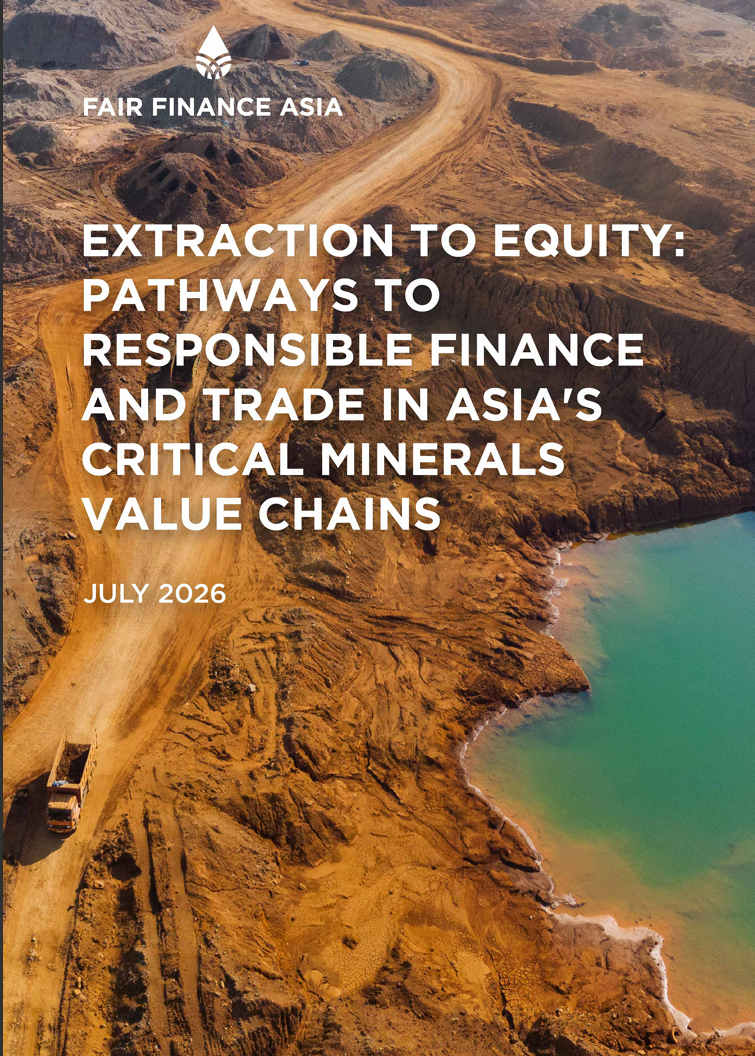
Extraction to equity: Responsible finance and trade for critical minerals in Asia
The report examines critical mineral value chains across selected ASEAN countries, highlighting downstream processing ambitions alongside environmental, human rights and governance risks. It finds trade agreements lack adequate sustainability safeguards and recommends stronger due diligence, impact assessments, benefit-sharing, local value addition, transparency and sustainable finance taxonomies.

Sector insights: Real estate series
Sustainable Fitch Sector Insights Report Series is a series providing analytical assessments of the sustainability profiles of different sectors. It examines sustainability impacts, ESG rating trends, sustainable finance developments, sector-specific issues, and relevant sustainability-related regulations to support finance professionals’ understanding of sector performance.

Planet Tracker
Planet Tracker is a non-profit sustainable finance think tank that produces research, data and investor tools to help financial markets address nature, climate and environmental risks. It supports investors, lenders and companies with analysis on biodiversity, food systems, plastics, water and supply chains to improve long-term capital allocation and stewardship.

Futureproofing Institute
Futureproofing Institute is an independent sustainable finance organisation that develops integrated value methodologies to assess companies’ financial, social and environmental performance. Through research, publications and the Futureproof Index, it supports investors, businesses and policymakers in evaluating long-term value creation, transition risks and responsible investment using evidence-based analysis.
He Pou a Rangi - Climate Change Commission
He Pou a Rangi Climate Change Commission is New Zealand’s independent climate advisory body. It provides evidence-based advice to government on emissions budgets, climate change mitigation and adaptation, while monitoring progress towards national emissions reduction targets. The Commission publishes climate risk assessments, policy advice and monitoring reports to support a low-emissions, climate-resilient economy.

Marsh
Marsh is a global insurance broker and risk advisory firm that helps organisations identify, assess and manage complex risks. Through insurance broking, risk management, cybersecurity, climate risk, analytics and consulting services, Marsh supports businesses across industries in making informed decisions, building resilience and navigating regulatory, operational and financial challenges worldwide.

Motu Economic and Public Policy Research
Motu Research is an independent New Zealand economics and public policy research institute that produces evidence-based research on climate change, emissions trading, wellbeing, housing, productivity, labour markets and human rights. Through publications, data analysis and policy engagement, Motu helps decision-makers, researchers and finance professionals understand key environmental, social and economic challenges.
Value Balancing Alliance
Value Balancing Alliance is a non-profit organisation that develops impact accounting and valuation methodologies to help businesses and investors measure environmental, social and economic impacts alongside financial performance. Through research, pilot studies, publications and collaboration with global companies, it supports sustainability reporting, ESG analysis, impact measurement and informed decision-making.
Council of Europe
Council of Europe is an international organisation that promotes human rights, democracy and the rule of law across Europe. Through the European Court of Human Rights, policy frameworks, monitoring bodies and intergovernmental cooperation, it supports member states on issues including justice, equality, digital rights, governance, social rights and democratic institutions.

Royal London Asset Management
Royal London Asset Management (RLAM) is a UK-based asset manager providing investment solutions across equities, fixed income, multi-asset, property and cash. It integrates environmental, social and governance (ESG) factors into investment decision-making and stewardship activities, offering responsible investment expertise, sustainable investing strategies, market insights and portfolio management services for institutional and intermediary clients worldwide.
Biodiversity Council
Biodiversity Council is an independent Australian expert group founded by 11 universities to promote evidence-based solutions to biodiversity loss. Through research, policy engagement, public communication and First Nations knowledge, Biodiversity Council provides trusted expertise on nature conservation, environmental policy and biodiversity protection for governments, businesses and communities across Australia.
Power Shift Africa
Power Shift Africa is a Pan-African climate and energy think tank focused on climate action, renewable energy and sustainable development. Based in Kenya, it provides policy analysis, advocacy and media engagement to amplify African perspectives on climate justice, clean energy transitions and low-carbon development across Africa and international climate policy discussions.
Migrant Justice Institute (MJI)
Migrant Justice Institute (MJI) is an Australian research and advocacy organisation focused on migrant worker rights, labour exploitation and wage theft. It conducts legal and policy research on migration, workplace justice and supply-chain accountability, supporting evidence-based reform and helping organisations address human rights, modern slavery and ESG-related labour risks.


