
Library | Tag
case studies
Refine
713 results
REFINE
SHOW: 16


Guidance for voluntary climate change mitigation
This guidance outlines expectations for voluntary climate change mitigation in New Zealand. It details six core principles for high-integrity carbon credits, including additionality and permanence. It distinguishes between contribution and exclusive-use claims and clarifies the role of the New Zealand Emissions Trading Scheme and Nationally Determined Contributions.
Reframing financial markets as complex systems: Tools for systemic risk analysis, portfolio management, and system-level investing
This report explores financial markets as complex adaptive systems, advocating for modelling techniques like agent-based models and network theory. It highlights how these tools improve systemic risk analysis and portfolio management by capturing non-linear behaviours, herding, and interconnectedness, providing a framework for more resilient and adaptive global financial systems.
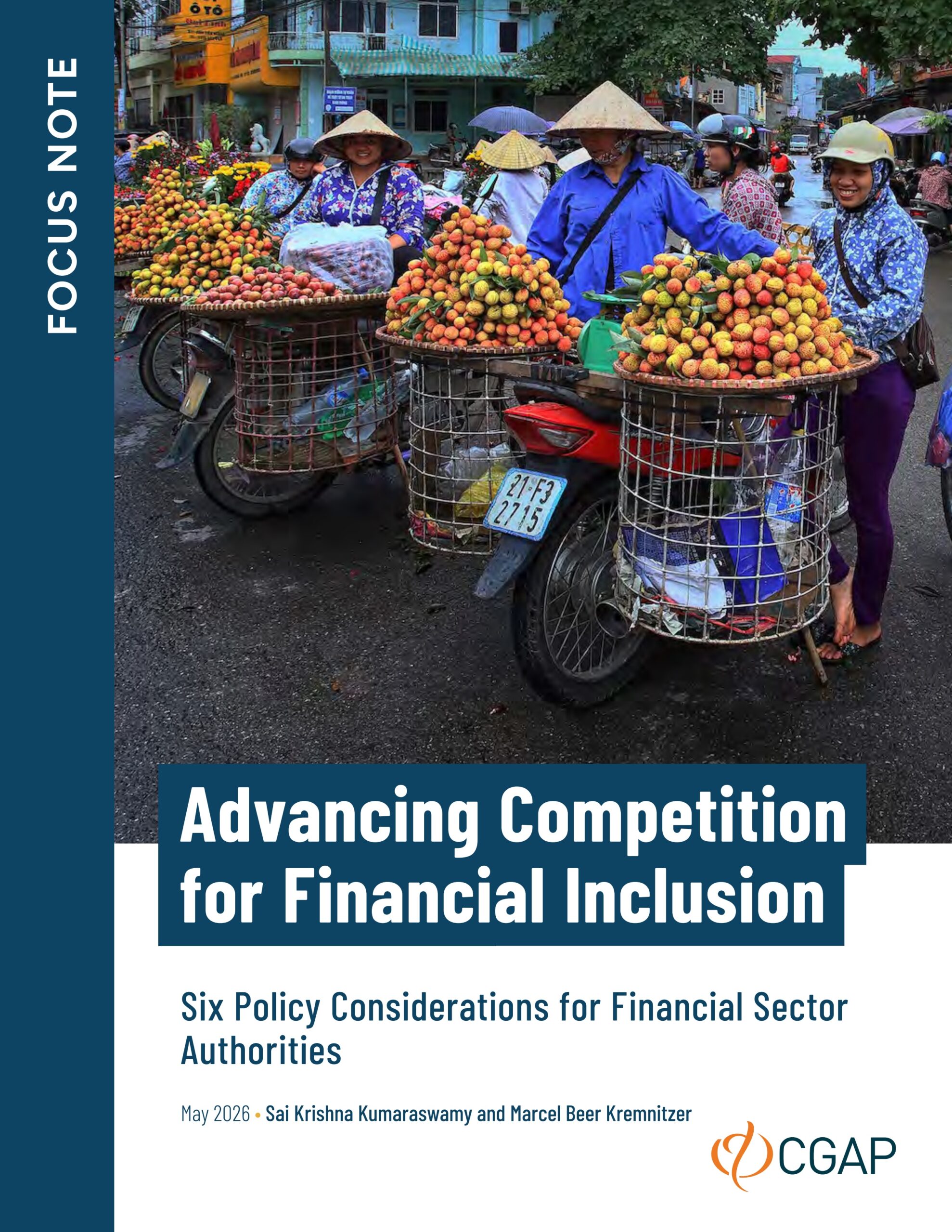
Advancing competition for financial inclusion: Six policy considerations for financial sector authorities
This report provides six policy considerations for financial sector authorities to promote competition and advance financial inclusion. Drawing on eight country case studies, it explains how regulators can use existing mandates, coordinate across sectors, and leverage infrastructure design to address market concentration and support digital financial innovation.
Solutions to protect consumers from fraud in digital finance
Curating 56 successful fraud protection solutions, this report details strategies across intelligence sharing, telecom security, and biometrics. It highlights how AI-driven oversight and multi-sector collaboration, such as Malaysia's NSRC and UK's reimbursement rules, can reduce losses and restore consumer trust in digital financial ecosystems.
Circular economy practice in India: Three case studies
This report examines India’s transition to a circular economy, highlighting policy frameworks like Extended Producer Responsibility and NITI Aayog’s strategic focus areas. Through case studies of Siemens, Tata Steel, and Volvo Construction Equipment, it demonstrates how circular principles drive resource efficiency, waste reduction, and business value.
European state of the climate report series
The European State of the Climate is an annual flagship report series providing structured descriptions and analyses of climate conditions in Europe. Published by the Copernicus Climate Change Service and the World Meteorological Organization, it evaluates Earth system variables and key climate events alongside policy actions for biodiversity.
Raw power: China locks-in global dominance of critical minerals and metals with $120bn outbound investment surge
This report details China's structural "Going Global" strategy, tracking over US$120 billion in outbound investment since 2023 to secure critical mineral supply chains. It examines China's refining dominance and provides strategic recommendations for Australian policymakers to build domestic value-adding capacity in the zero-emissions economy.
Unlocking catalytic capital in Australia
This report examines the role of catalytic capital in Australia, exploring how flexible, risk-tolerant investment can mobilise private capital for social and environmental impact. It defines the current market, identifies barriers to growth, and provides case studies of successful deployment across philanthropic, government, and institutional sectors.
Empowering consumers as partners in sustainability: Case studies on financial regulation and implementation
This report by Fair Finance Asia examines financial regulation through case studies in Thailand, Pakistan, Indonesia, and Cambodia. It highlights systemic gaps in consumer protection, cybersecurity, gender-responsive inclusion, and ESG accountability. Recommendations are provided for regulators and banks to strengthen consumer engagement and promote sustainable finance practices across Asia.
BSI Net Zero Barometer Report Series
This benchmark series examines the UK business landscape's transition to net zero. It tracks commitment levels, drivers, and barriers among senior decision-makers. The research explores how organisations are reframing sustainability as a commercial necessity and highlights the demand for government support, financial incentives, and standardised guidance to achieve 2050 targets.
ASEAN sustainable finance state of the market series
This series by the Climate Bonds Initiative examines the development of sustainable finance markets across ASEAN. It covers green, social, sustainability and sustainability-linked debt instruments, alongside market structures, taxonomies, transition finance and policy developments supporting sustainable capital markets across the region.
Business-led blended finance: A practical playbook
This report examines business-led blended finance, which grew to US$24 billion in 2024. It provides a practical playbook for companies to move from passive recipients to active deal architects, addressing the US$4 trillion SDG financing gap through risk management toolkits, sector analyses, and eight global case studies.
An engaged market: The 2026 state of stewardship report, prepared by the Aotearoa New Zealand stewardship code
This report examines stewardship reporting across New Zealand's investment market for 2025. Representing 20 signatories with $3.8 trillion in assets, it highlights maturing practices in collaborative engagement, escalation, and voting transparency. The document notes increased integration of te ao Māori and provides guidance on strengthening stewardship and voting policies.
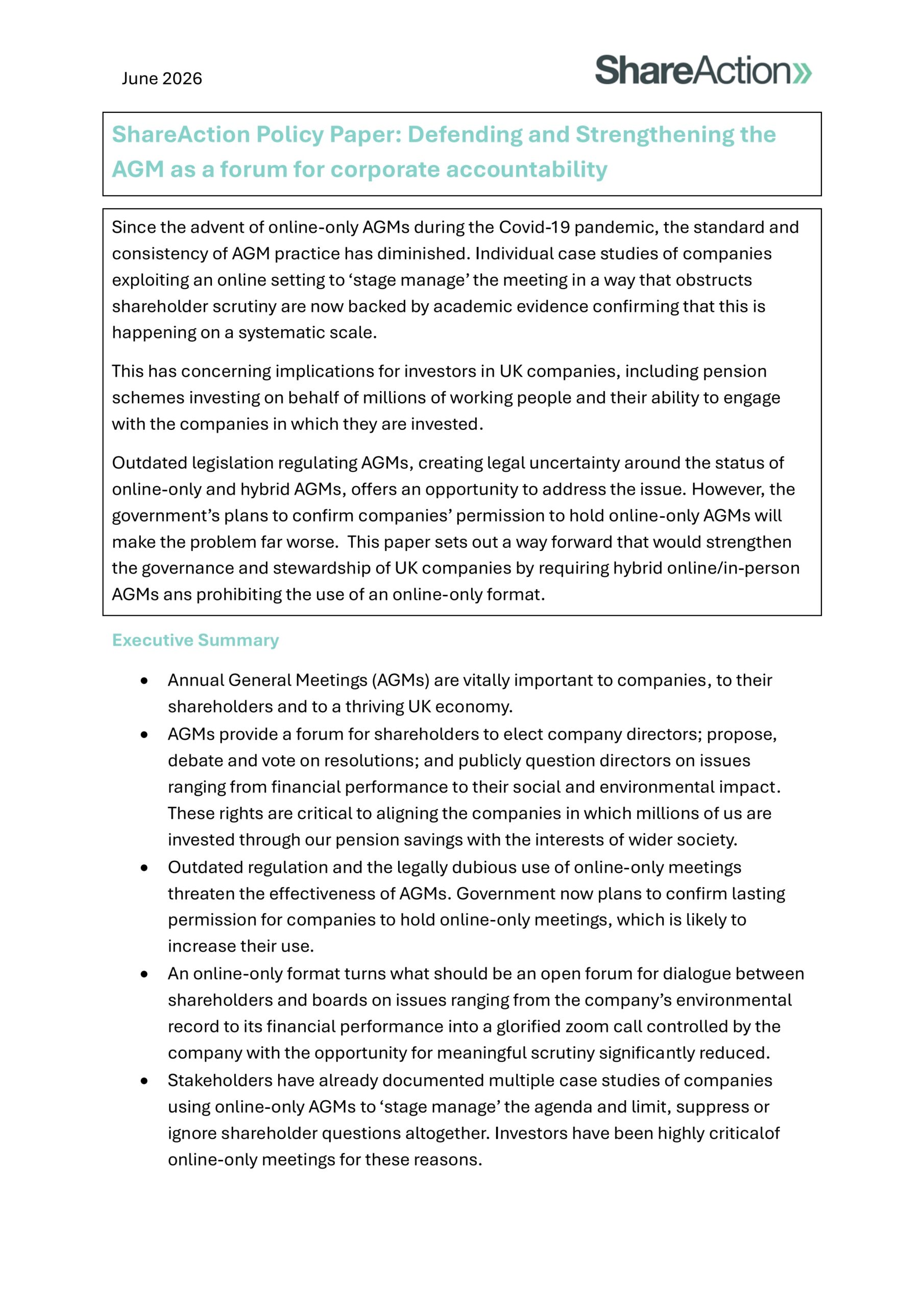
ShareAction policy paper: Defending and strengthening the AGM as a forum for corporate accountability
This ShareAction report advocates for mandatory hybrid AGMs to ensure corporate accountability. It argues that online-only formats diminish shareholder scrutiny and enable management to stage-manage proceedings. The document recommends amending the 2006 Companies Act and provides case studies of poor virtual AGM practices across several major companies.
The total portfolio approach (TPA): A practical guide for navigating the transition to TPA
The report examines the Total Portfolio Approach as an alternative to traditional strategic asset allocation. Drawing on interviews and survey evidence, it explains TPA’s investment, governance, risk, sustainability and organisational foundations, outlines a five-level transition pathway, and provides practical guidance for asset owners assessing readiness and implementation.
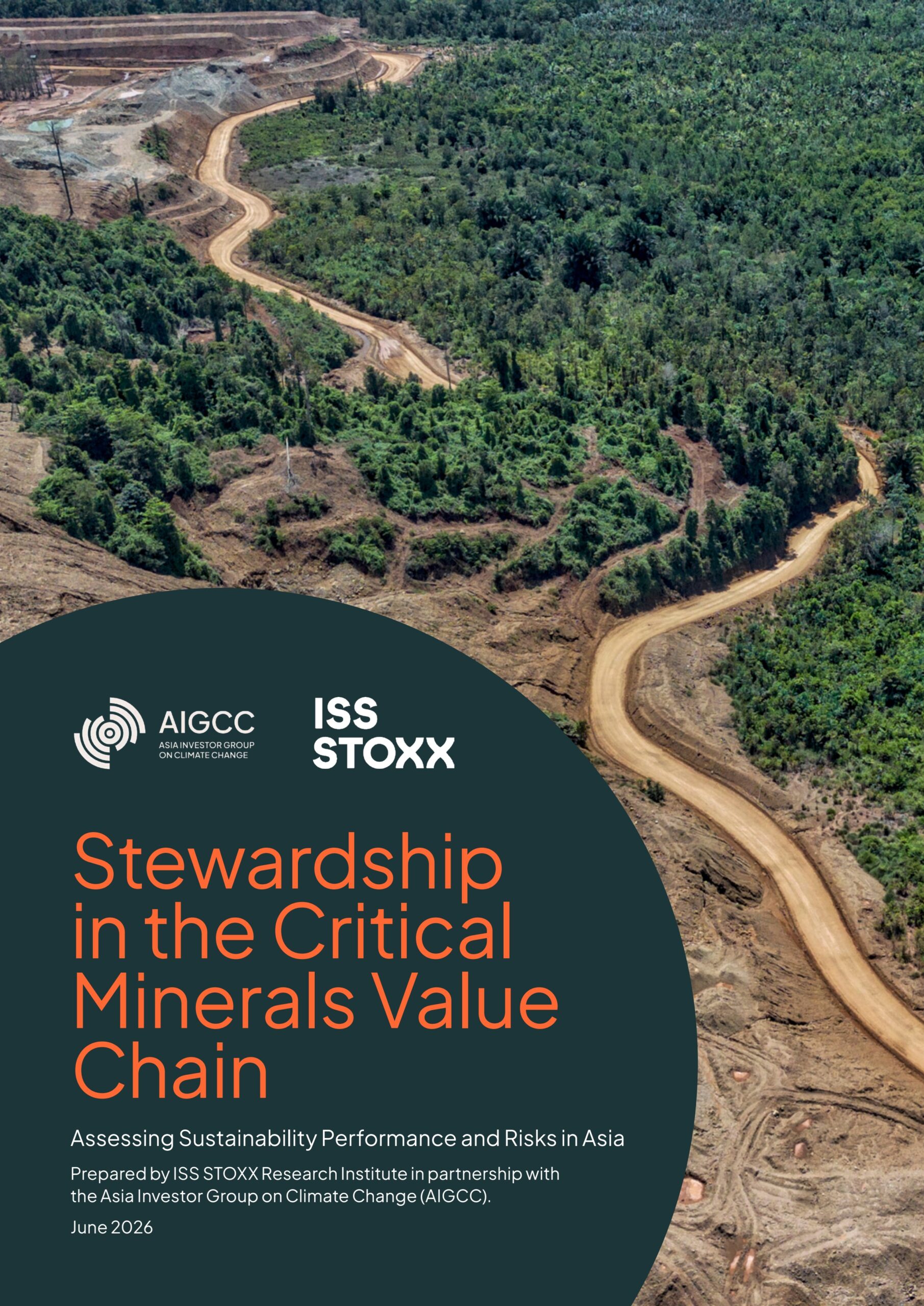
Stewardship in the critical minerals value chain: Assessing sustainability performance and risks in Asia
This research examines sustainability risks in Asia’s critical minerals value chain, focusing on nickel, cobalt and copper. Utilising IRMA-aligned assessments and geospatial data, it highlights gaps between corporate policy and implementation, intensifying physical climate risks, and nature dependencies, providing actionable stewardship priorities for institutional investors in the region.


