
Library | Location
Global
Refine
1515 results
REFINE
SHOW: 16


What do sustainability disclosures disclose?
This research analyses over 15,000 sustainability disclosures from Russell 3000 firms. It finds that while reporting has surged since 2015, informative quality has declined. Adoption of voluntary standards yields mixed results, correlating with reduced 'fluff' but lower narrative specificity. Improvements primarily reflect selection effects rather than organisational learning.
SUSREG annual report series
This benchmark series provides a comprehensive assessment of sustainable financial regulations and central banking activities. It tracks progress across global jurisdictions in integrating climate, environmental, and social risks within banking, insurance, and capital markets sectors, supporting the transition towards a net-zero and nature-positive global economy.
Global EV Outlook series
This benchmark series monitors recent developments in electric mobility across the globe. Produced annually, the report examines deployment of vehicles and infrastructure, battery demand, and policy developments. It evaluates the implications of growing adoption for energy consumption and emissions across major and emerging markets.

Global Methane Tracker 2026
The International Energy Agency report analyses global energy-related methane emissions, highlighting 124 million tonnes emitted in 2025. It examines abatement strategies, satellite data advancements and policy trends. The research underscores that 30% of emissions could be reduced at no net cost, advocating for robust international standards and increased transparency.

Handbook: Harmonised framework for impact reporting for social bonds
This handbook provides a harmonised framework for impact reporting on social bonds. It outlines core principles, recommendations, and sector-specific metrics for categories including affordable housing, essential services, and basic infrastructure. The document aims to enhance transparency and integrity in the social bond market through standardised reporting practices.
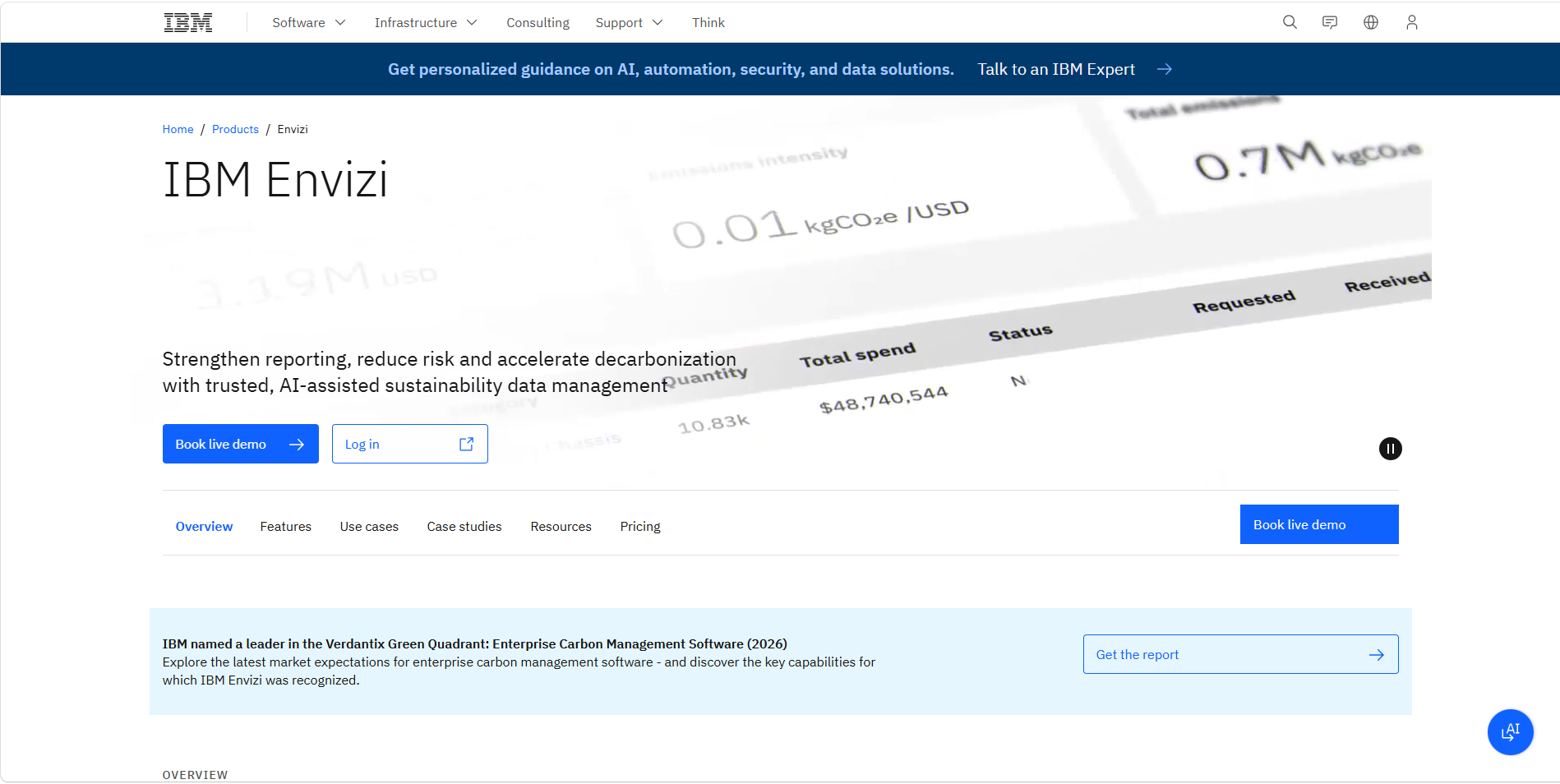
IBM Envizi Emissions
IBM Envizi Emissions is a data analytics platform and API that automates GHG Protocol-aligned emissions calculations. It enables organisations to integrate auditable ESG data into reporting workflows and performance management.
Guarantees: From misdiagnosis to strategic deployment: Evidence from expert practitioner interviews
This research examines why climate-aligned guarantees often fail to mobilise private capital effectively. It identifies structural misalignments within multilateral development banks and suggests that strategic deployment requires a move towards portfolio-based approaches, local-currency financing, and better risk layering to address specific investment constraints in emerging markets.
The Paris Agreement ten years later: Navigating climate uncertainty and tipping points
This research evaluates the Paris Agreement ten years on, highlighting critical implementation and ambition gaps. It identifies a triple-track crisis involving geophysical inertia, cognitive barriers, and policy lags. The report proposes a precautionary paradigm using technological and financial levers to navigate climate uncertainty and prevent irreversible tipping points.
Artificial intelligence and the future of finance: A framework for structural change
This report examines how artificial intelligence is transforming capital markets by shifting the industry from informational scarcity to analytical abundance. It introduces a structural framework involving capability, adoption, substitution, and recomposition, exploring alternative future states and the evolving nature of fiduciary accountability, market stability, and professional expertise.
How certain can we be about NGFS Climate Scenarios?
This research analyses uncertainty in Network for Greening the Financial System (NGFS) climate scenarios across four vintages and 254 variables. It finds that revisions to initial conditions and model recalibration often exceed scenario and model uncertainty, requiring cautious interpretation in financial risk assessments.
Industrial policies for multi-stage production: The battle for battery-powered vehicles
This research analyses industrial policies for the multi-stage electric vehicle supply chain. It evaluates consumer subsidies and local content requirements, finding that while protectionist measures expand domestic production, they can significantly increase costs and reduce overall adoption compared to unconditional subsidies that maximise scale economies.
AI managed household portfolios: A preliminary report
This research investigates AI-managed household portfolios, finding that large language models recommend undiversified portfolios concentrated in high-momentum, large-cap technology stocks. While returns may exceed market benchmarks, they do not provide abnormal returns when adjusted for risk characteristics. Recommendations are primarily driven by media attention rather than investment skill.
Seeing the goal, missing the truth: Human accountability for AI bias
Research demonstrates that Large Language Models exhibit purpose-conditioned bias when informed of downstream tasks. Goal-aware prompting leads to in-sample overfitting and inflated performance before knowledge cutoffs. Results indicate that disclosing objectives compromises neutrality, necessitating the separation of measurement and evaluation in AI-assisted workflows to ensure statistical validity.
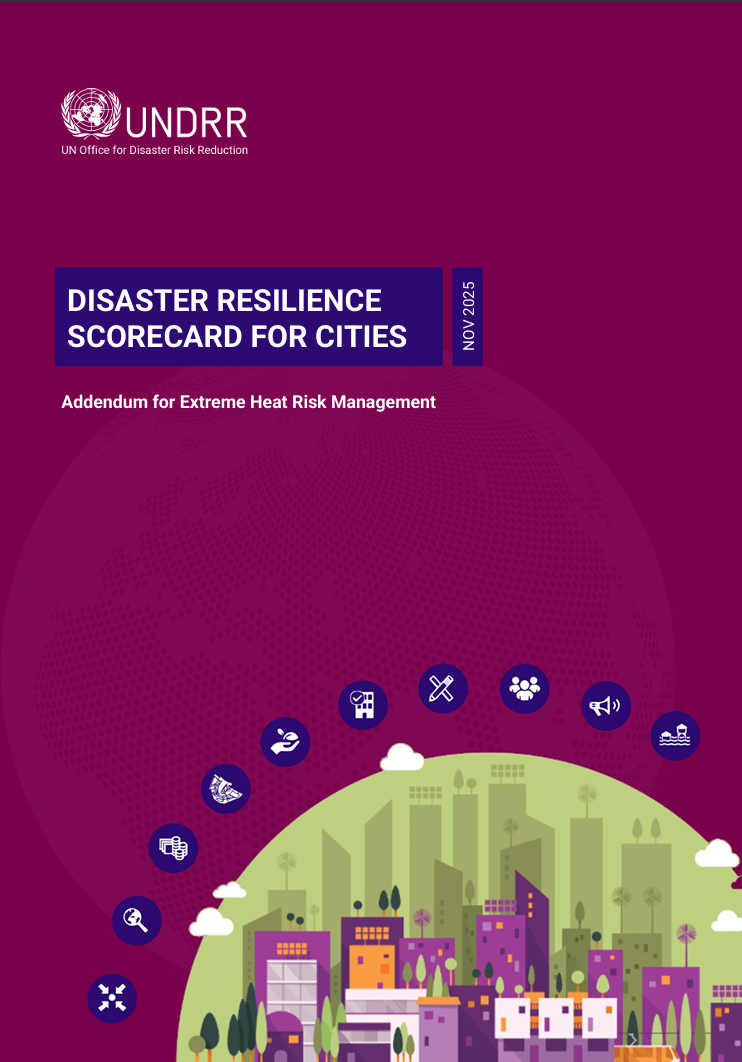
Disaster resilience scorecard for cities: Addendum for extreme heat risk management
An addendum to the Disaster Resilience Scorecard for Cities, this tool helps local governments assess and strengthen extreme heat risk management. It uses 18 indicators to evaluate governance, infrastructure, and financial planning to build long-term urban resilience against rising temperatures.
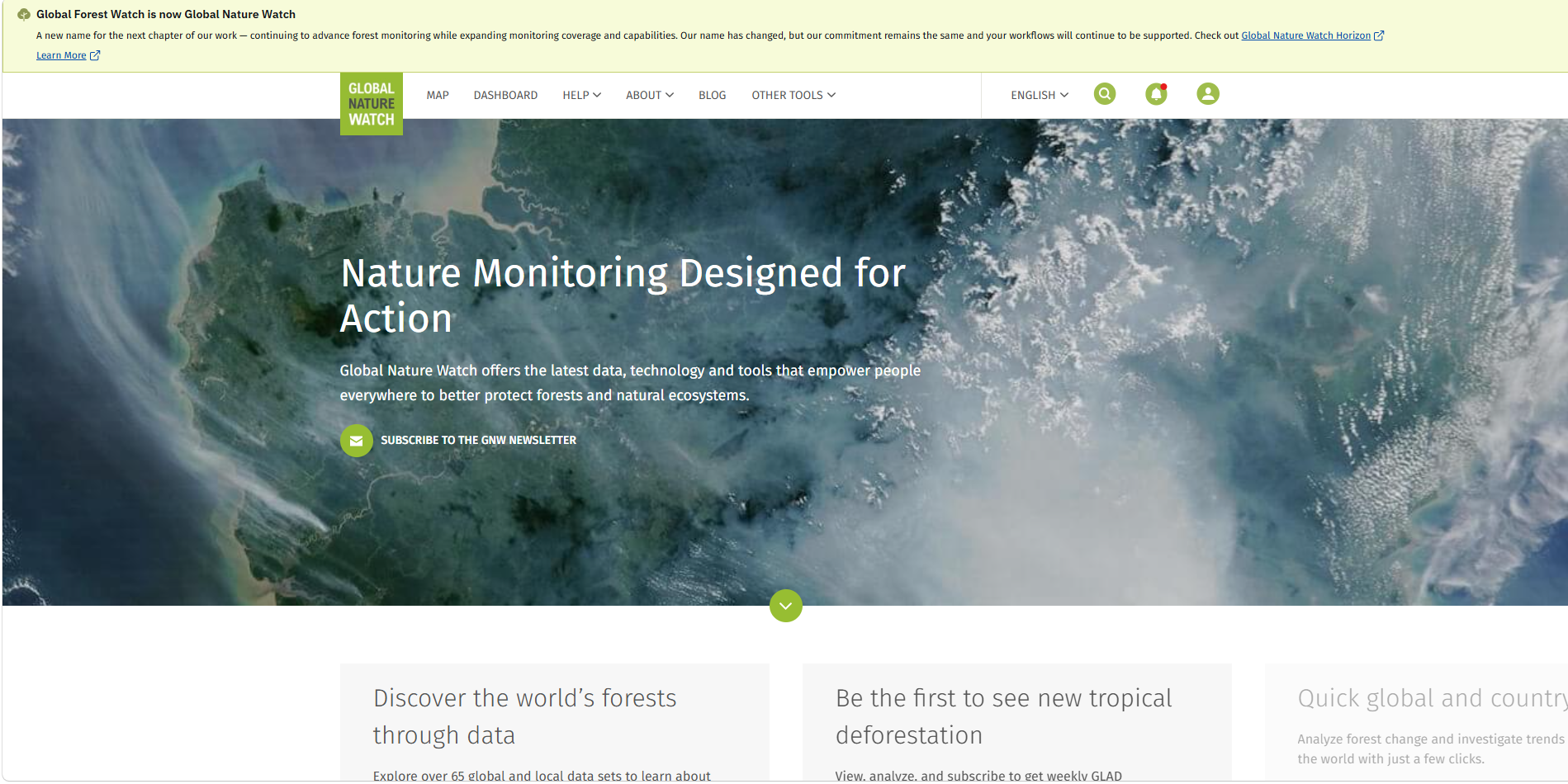
Global Nature Watch
Global Nature Watch is an AI-powered Earth monitoring platform developed by the World Resources Institute and Google. It provides near-real-time data on land-use changes across various ecosystems to support nature-based risk assessment and environmental reporting.
Climate change mitigation and adaptation: What works for data centres? Part 3
This report evaluates climate change mitigation and adaptation strategies for data centres using the ClimaTech database. It assesses the effectiveness of decarbonisation across three scopes and analyses resilience measures for flood, storm, heat, and wildfire risks, providing quantitative performance metrics for various technological solutions.


