
Library | Location
Global
Refine
1512 results
REFINE
SHOW: 16


SBTi Corporate Net-Zero Standard version 2.0
The SBTi Corporate Net-Zero Standard Version 2.0 provides a framework for science-based target setting and implementation. It introduces an implementation hierarchy, transition planning requirements, and a voluntary Ongoing Emissions Responsibility programme. The standard focuses on context-specific targets and best-efforts delivery to reach net-zero by 2050.

Oxford-GlobeScan global corporate affairs survey series
This benchmark series provides an overview of opinions, trends, and challenges within the corporate affairs function. Produced annually, the research captures insights from senior professionals globally to track the evolution of the corporate affairs agenda, focusing on reputation, sustainability, geoeconomics, and stakeholder engagement.
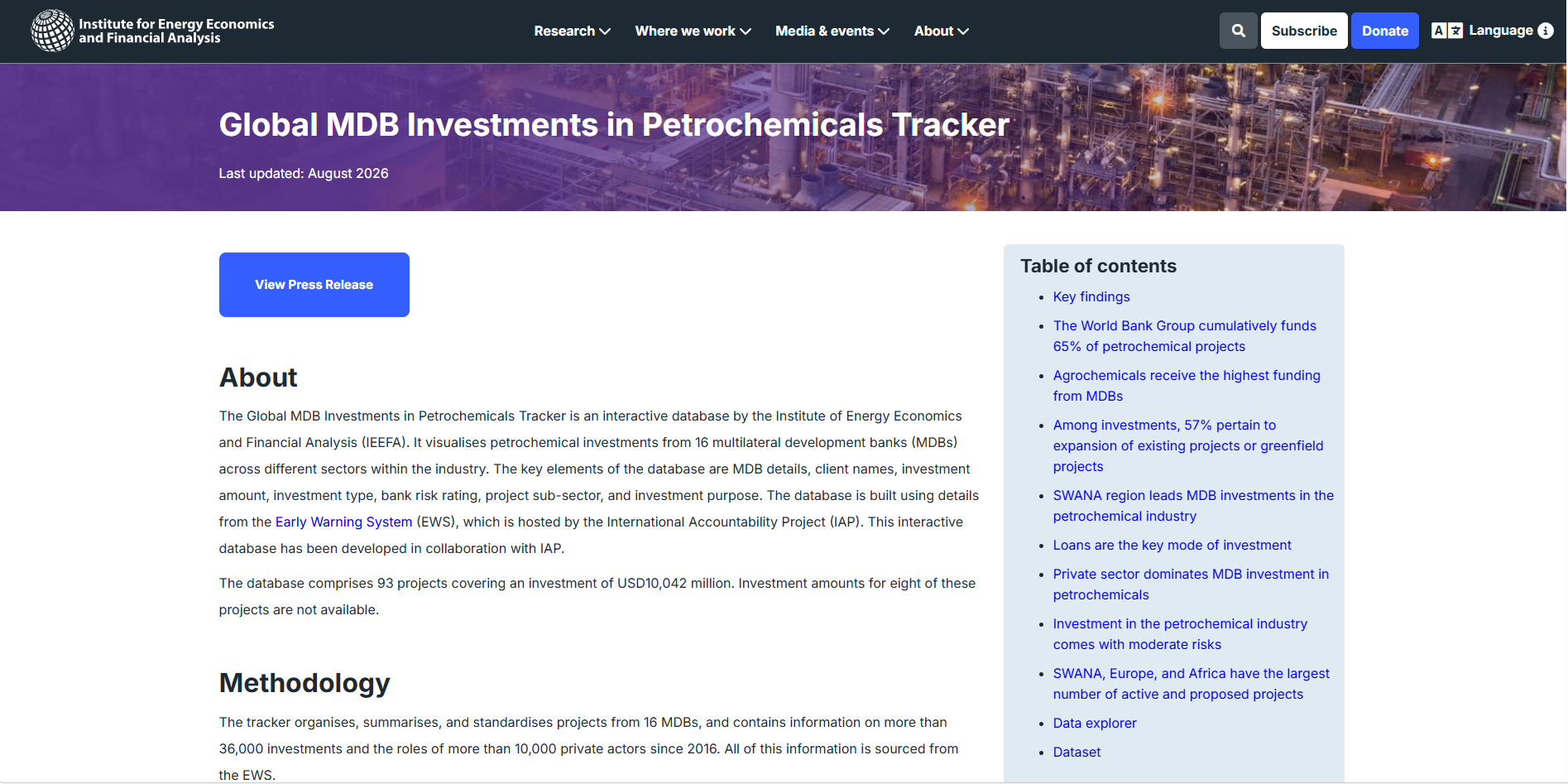
Global MDB Investments in Petrochemicals Tracker
An interactive database and map developed by IEEFA and IAP that tracks over USD 10 billion in petrochemical investments from 16 multilateral development banks, highlighting institutional exposure to fossil-fuel-intensive projects.
Reuters Institute digital news report series
This research series provides a comprehensive annual analysis of digital news consumption globally. It tracks audience trends across 48 markets, focusing on trust, platform usage, and the transition to digital formats. This benchmark series informs stakeholders about the evolving information environment and changing news habits across diverse demographics.
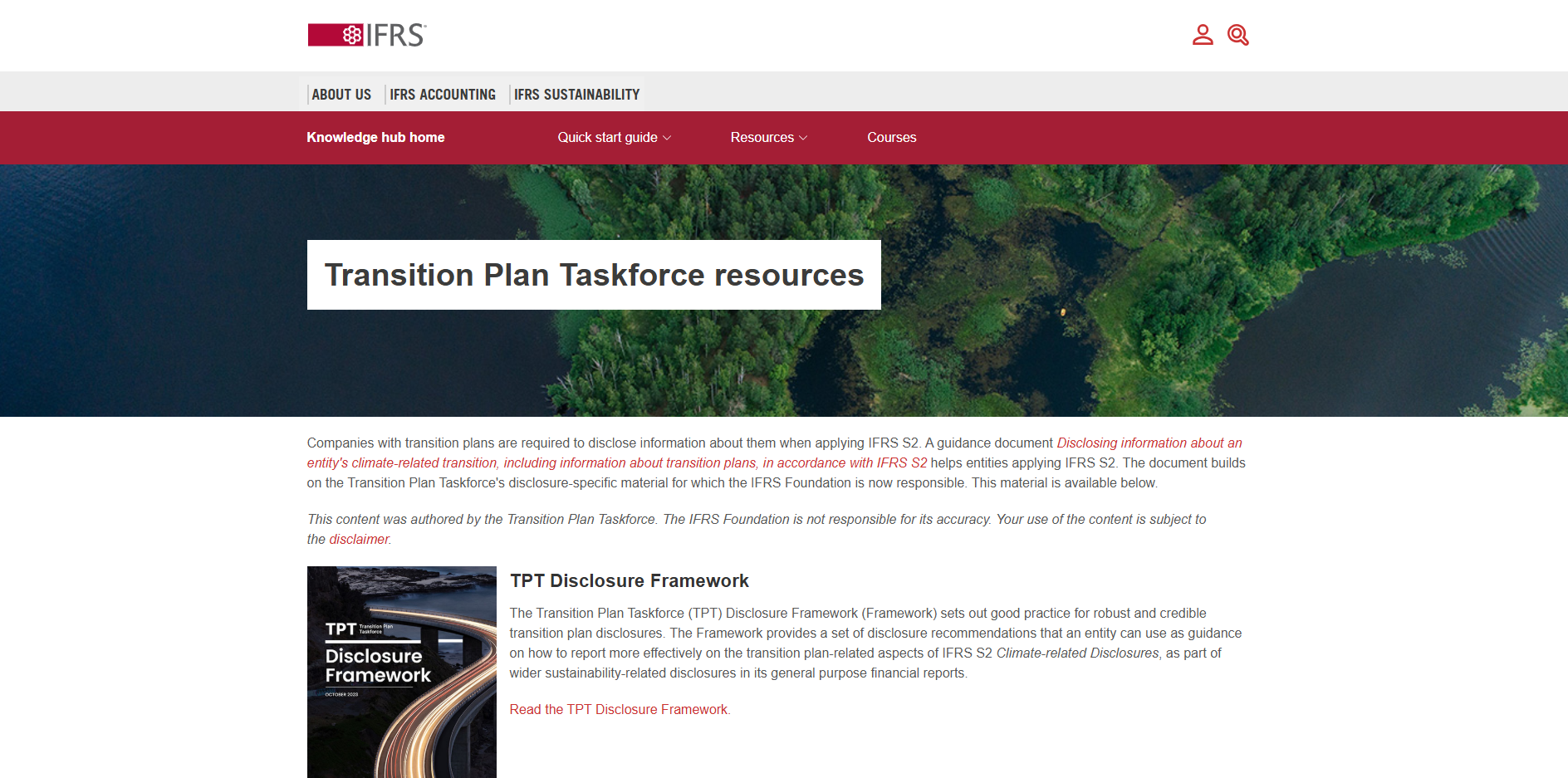
Transition Plan Taskforce Resources
A suite of guidance materials, including the TPT Disclosure Framework and sector-specific guides, designed to help organisations create and disclose robust climate transition plans in alignment with IFRS S2.
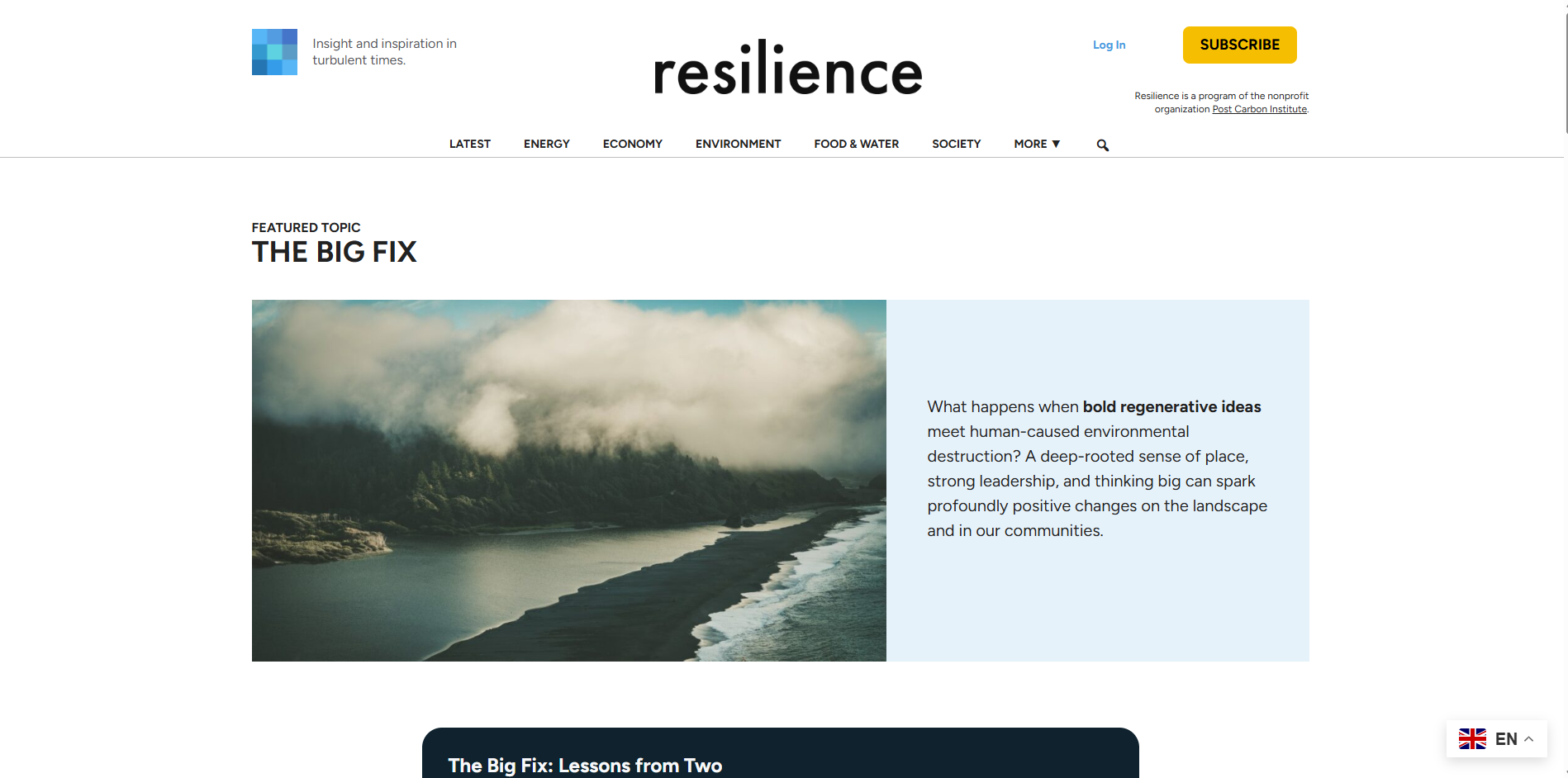
The Big Fix Resource Collection
The Big Fix is a resource hub from Resilience.org and the Post Carbon Institute focused on systemic resilience. It provides curated research and news to help professionals understand and navigate the interconnected ecological and economic challenges of the 21st-century polycrisis.

Super-duper El Nino and the bigger problem
This report analyses the 2026 super El Nino, identifying it as the strongest in the modern record. It discusses accelerating human-made global warming, the doubling of Earth’s energy imbalance, and severe health implications. Findings highlight that rising temperatures significantly increase mortality risks for vulnerable populations across Europe and Asia.

Weekly cat report: Review of global catastrophe activity
This series provides a weekly review of global catastrophe activity, covering meteorological events and preliminary financial loss estimates. It tracks natural disasters such as severe convective storms, flooding, and landslides across multiple regions to assist in risk assessment. This report is part of a regular series.

Oil market report series
This monthly series provides a comprehensive analysis of global oil market fundamentals, including supply, demand, refinery throughputs, and price developments. Produced by the International Energy Agency, it offers detailed data and forecasts to support evidence-based decision-making. This document is part of a benchmark series.
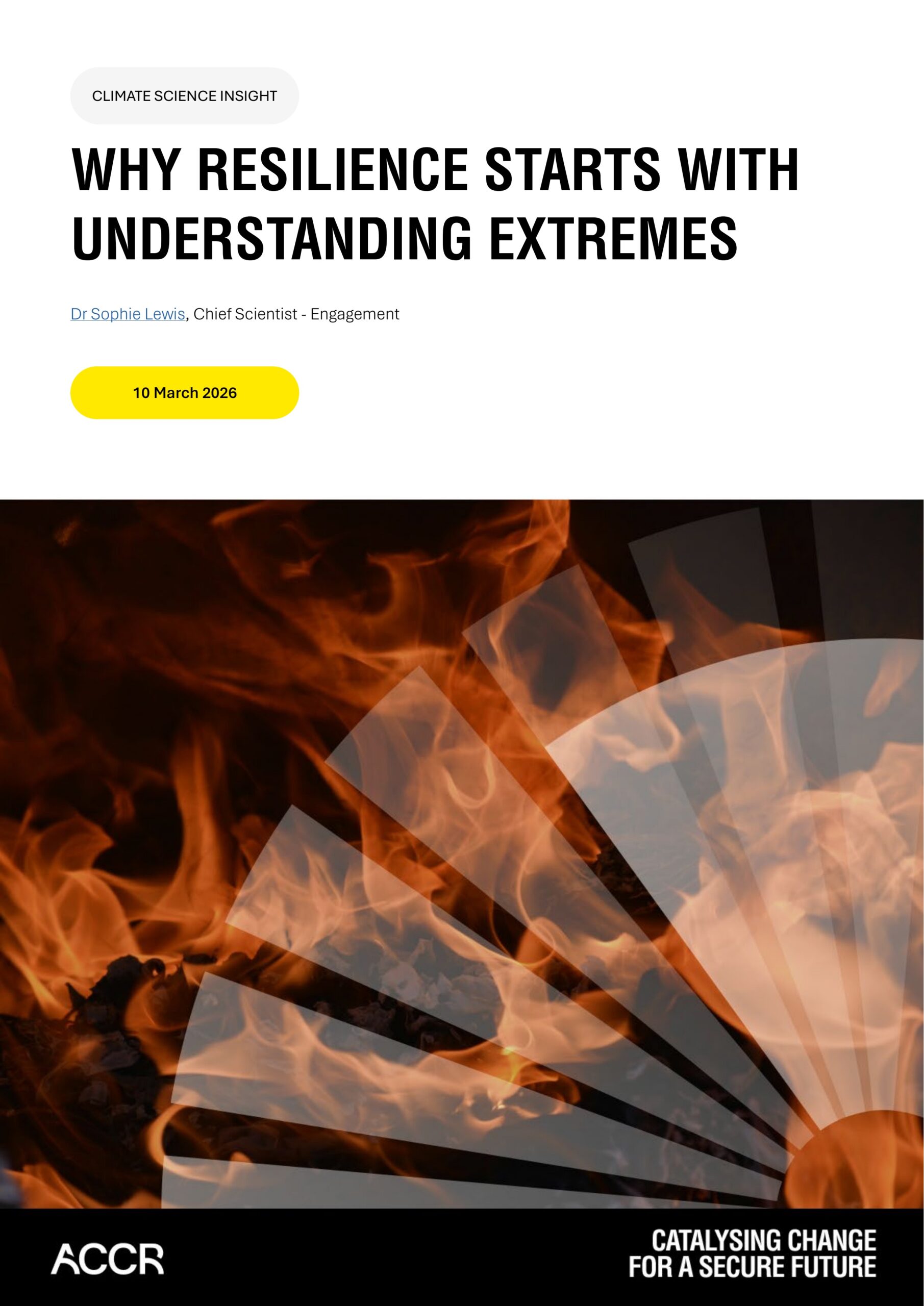
Why resilience starts with understanding extremes
Climate resilience requires understanding high-impact, low-probability tail risks. Rising temperatures are transforming extreme events into common occurrences. Using examples like the 2025 Los Angeles wildfires, this report advocates for assessing high-end warming scenarios and tipping points to evaluate the robustness of portfolios and assets against cascading physical risks.
BSI Net Zero Barometer Report Series
This benchmark series examines the UK business landscape's transition to net zero. It tracks commitment levels, drivers, and barriers among senior decision-makers. The research explores how organisations are reframing sustainability as a commercial necessity and highlights the demand for government support, financial incentives, and standardised guidance to achieve 2050 targets.
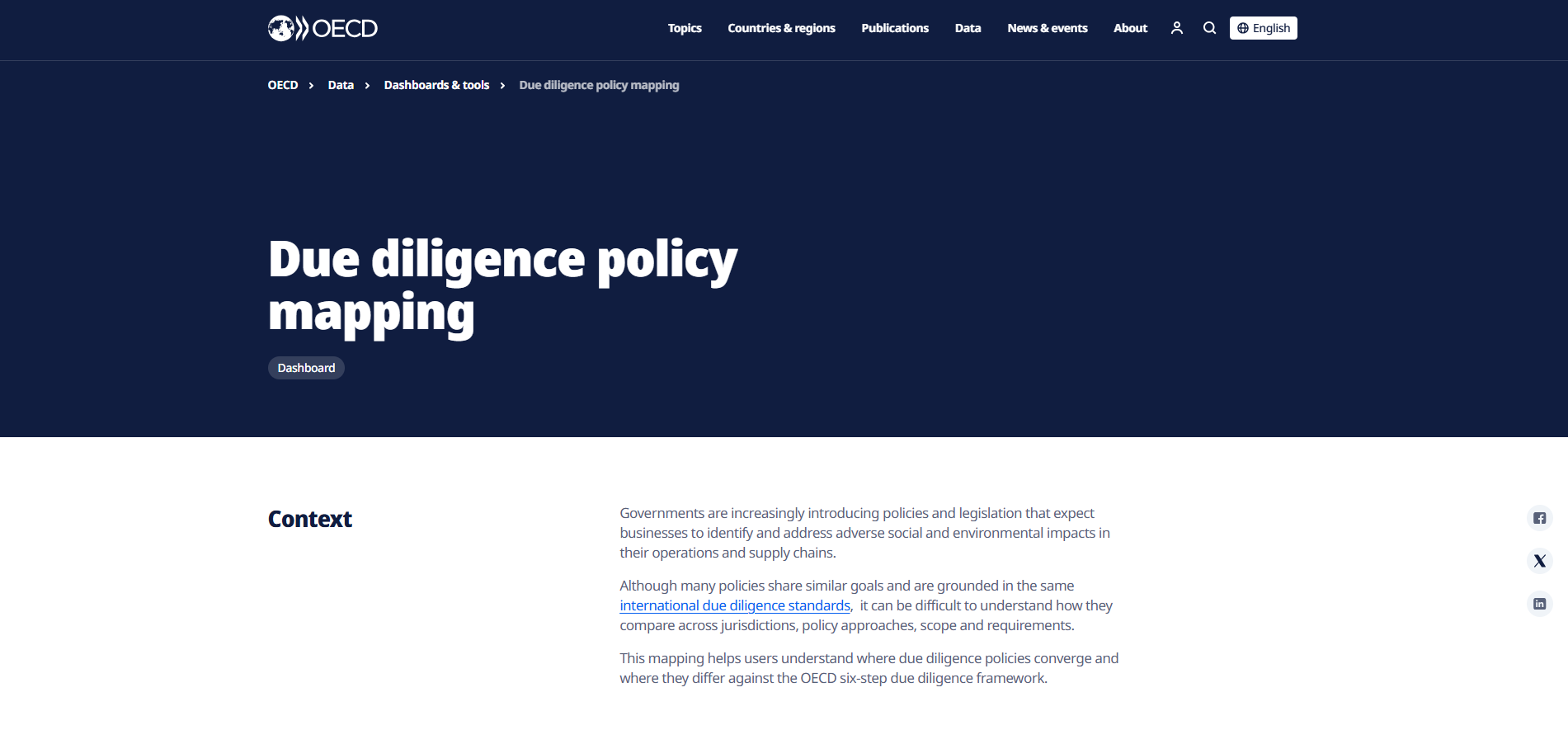
OECD Due Diligence Policy Mapping Tool
The OECD Due Diligence Policy Mapping Tool compares global responsible business conduct legislation against the OECD's six-step framework. It helps users identify regulatory convergence and differences in mandatory due diligence requirements.
WWF Risk Filter Suite
A free online screening suite from WWF featuring Water and Biodiversity Risk Filters. It helps financial institutions and companies identify nature-related physical and regulatory risks across portfolios using 80+ global datasets.
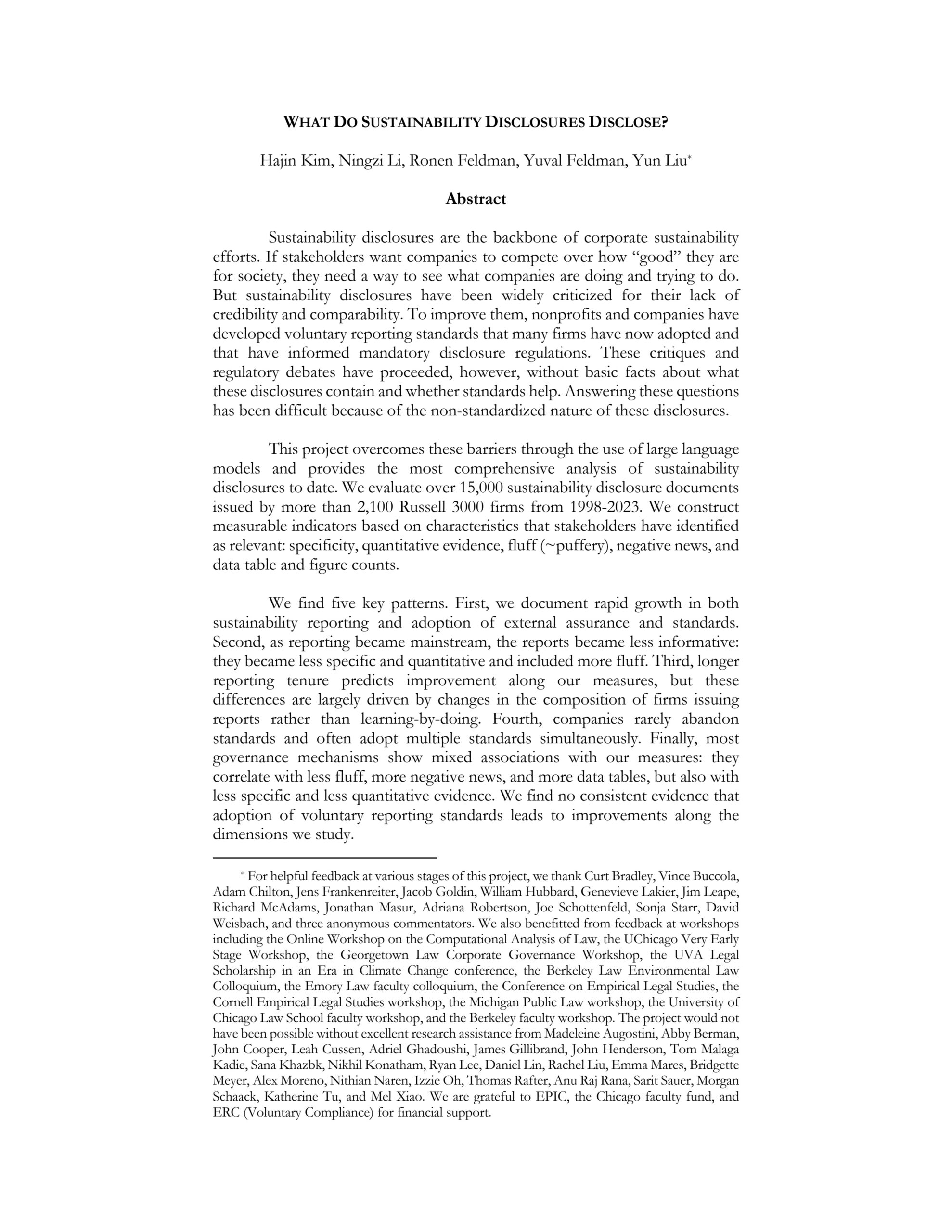
What do sustainability disclosures disclose?
This research analyses over 15,000 sustainability disclosures from Russell 3000 firms. It finds that while reporting has surged since 2015, informative quality has declined. Adoption of voluntary standards yields mixed results, correlating with reduced 'fluff' but lower narrative specificity. Improvements primarily reflect selection effects rather than organisational learning.
SUSREG annual report series
This benchmark series provides a comprehensive assessment of sustainable financial regulations and central banking activities. It tracks progress across global jurisdictions in integrating climate, environmental, and social risks within banking, insurance, and capital markets sectors, supporting the transition towards a net-zero and nature-positive global economy.
Global EV Outlook series
This benchmark series monitors recent developments in electric mobility across the globe. Produced annually, the report examines deployment of vehicles and infrastructure, battery demand, and policy developments. It evaluates the implications of growing adoption for energy consumption and emissions across major and emerging markets.


