
Library | Location
Global
Refine
1522 results
REFINE
SHOW: 16


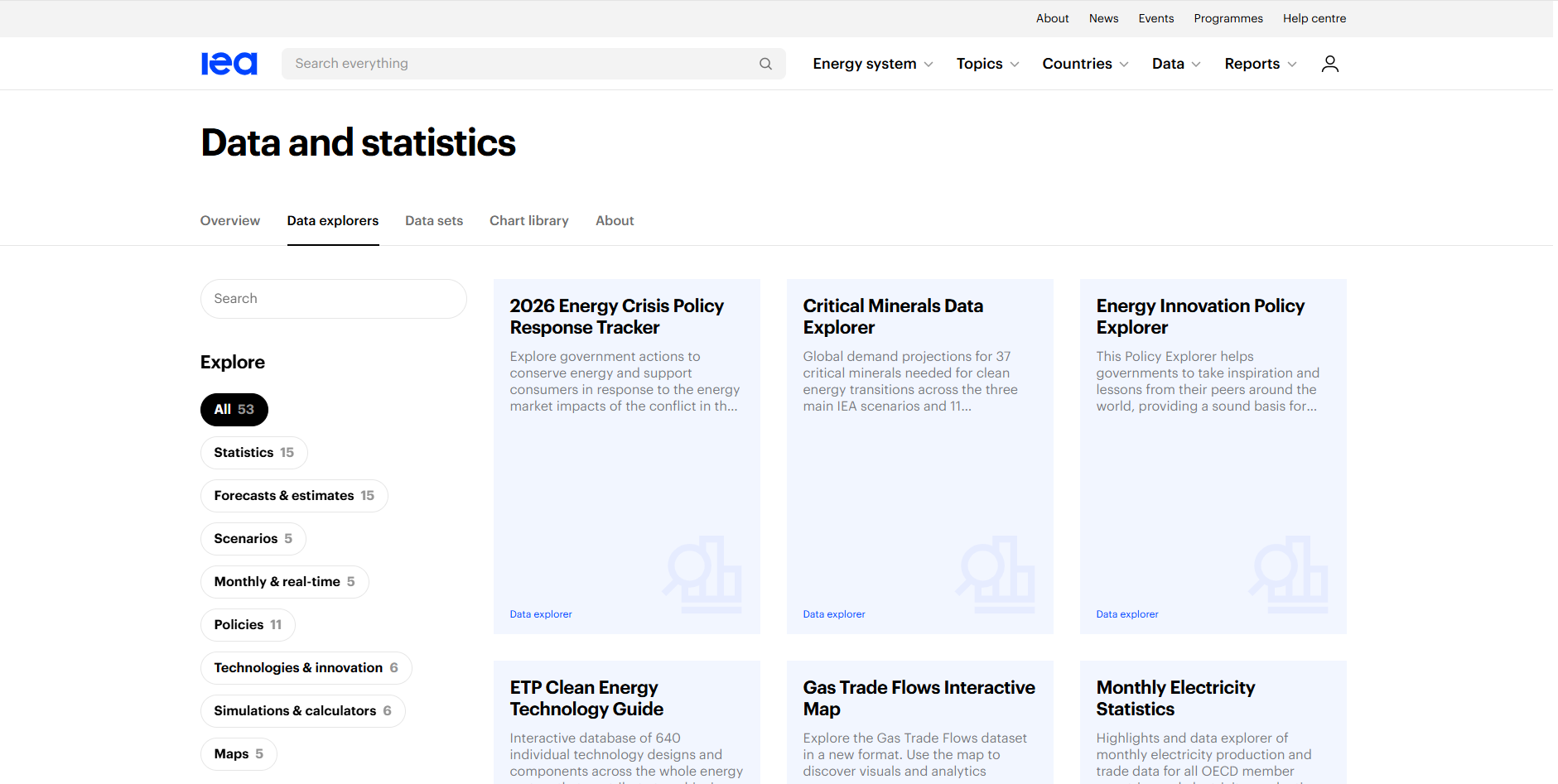
IEA's interactive data explorer
The IEA's Interactive data explorer provides access to visualisations and databases covering 640 energy technology designs and global climate commitments. It assists finance professionals in tracking energy transitions and regional net zero outlooks.
Assessing the quality of adaptation finance tool
A CPI decision-support tool for public finance providers to assess adaptation finance quality across project, market, and system levels.

ASCOR (Assessing Sovereign Climate-related Opportunities and Risks)
ASCOR is the first publicly available, independent, and open-source investor framework and database assessing the climate-related opportunities and risks of sovereign bond issuers. The initiative provides academically rigorous data to help investors assess how sovereigns manage climate risks and stimulate transparency between issuers and financial institutions.
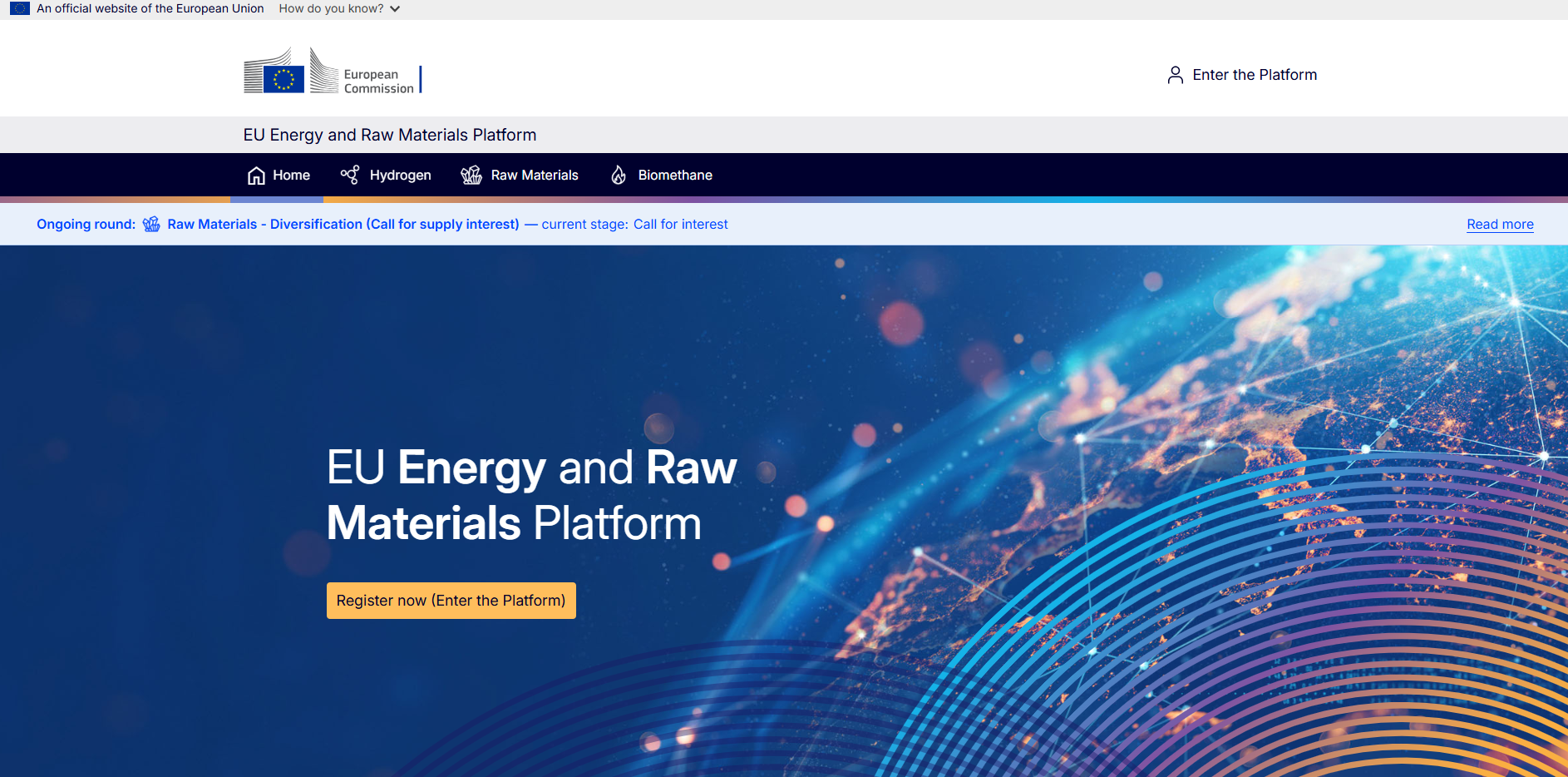
EU energy and raw materials mechanism platform
EU Commission platform aggregating demand for critical raw materials to connect buyers, suppliers, and financial institutions across strategic sectors.
Financial Innovation Knowledge Platform
CPI's platform offering practical tools, research, and guidance for public and private actors developing and investing in climate finance vehicles.
Mapping social and environmental due diligence legislation
This OECD report maps 21 legislative measures across 11 jurisdictions concerning social and environmental due diligence. It identifies key areas of convergence and divergence in regulatory scope and requirements. The findings aim to support international policy co-operation, reduce implementation complexity, and promote consistent global enforcement approaches.
Ocean investment protocol: 2026 revised draft for consultation: A multi-stakeholder plan to enable funding for the Sustainable Ocean Economy
This report provides a framework for scaling finance towards a sustainable ocean economy. It outlines recommendations for financial institutions, insurers, governments, and central banks to manage risks and capture opportunities. The protocol aims to mobilise the US$1 trillion required by 2030 to protect marine ecosystems and ensure prosperity.

Tips on effective grievance mechanisms for businesses
This report outlines strategies for businesses to implement effective grievance mechanisms aligned with UN Guiding Principles. It highlights how robust engagement can prevent potential financial losses of $25-40 million. Guidance covers design, internal governance, and maintaining effectiveness in high-risk environments to build stakeholder trust and ensure human rights compliance.
Fair Finance Ghana ESG policy assessment report
This report assesses ESG policies across five Ghanaian banks using international benchmarks. Results show low sustainability integration, particularly regarding climate change and transparency. It recommends adopting global frameworks, extending ESG accountability to lending portfolios, and improving standardised reporting to align the sector with international best practice.
Fair Finance International
Fair Finance International is an international civil society network of over 150 CSO partners and allies dedicated to shifting financial systems toward human rights and environmental protection. Coordinated by Oxfam Novib, the network uses rigorous methodology and policy assessments to benchmark the investment practices of financial institutions.
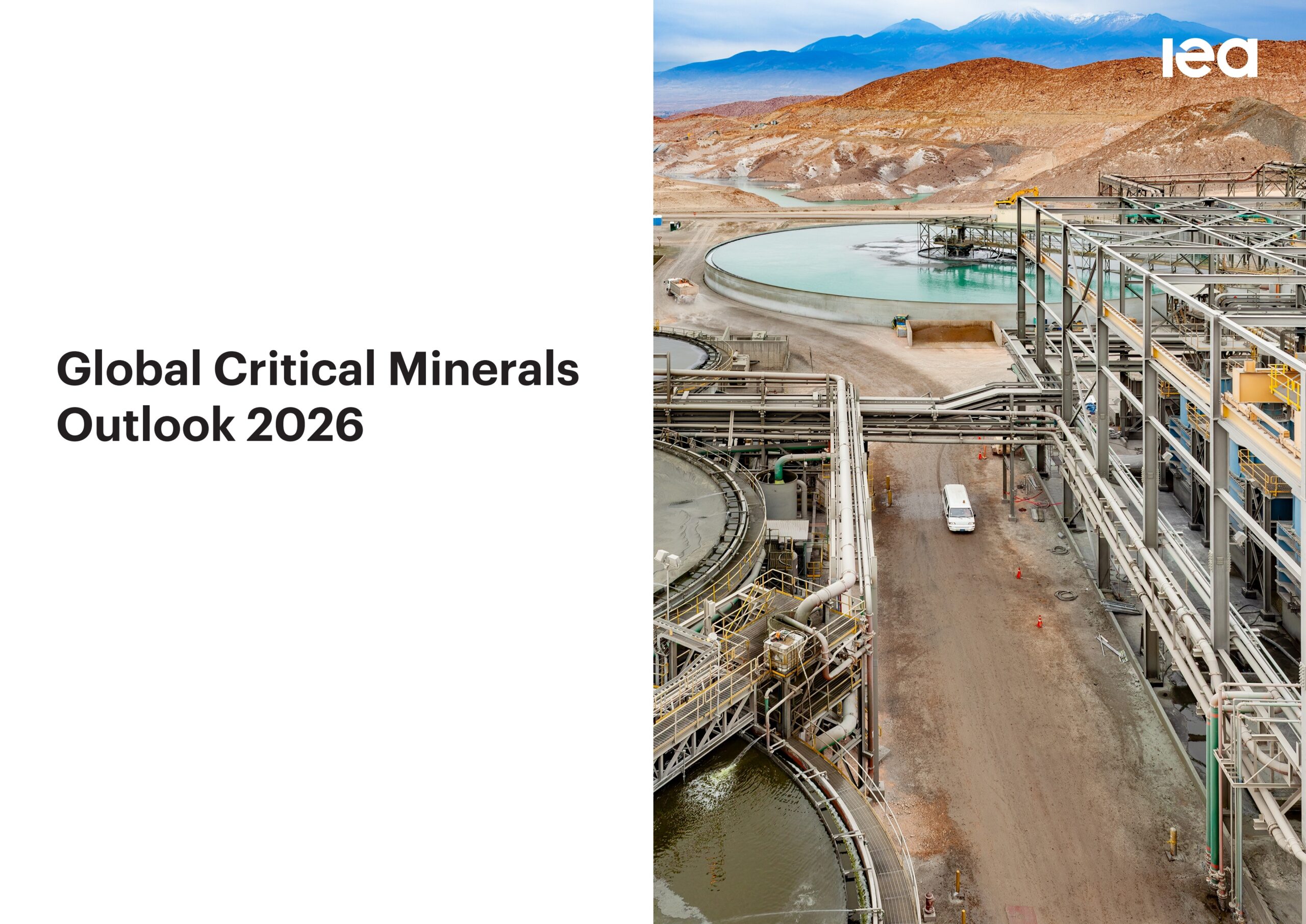
Global critical minerals outlook series
The Global Critical Minerals Outlook is an annual series published by the IEA that tracks market, investment, technology, and policy trends across critical mineral supply chains. Each edition provides medium- and long-term demand and supply projections for key energy minerals, covering supply security, concentration risks, and diversification developments.
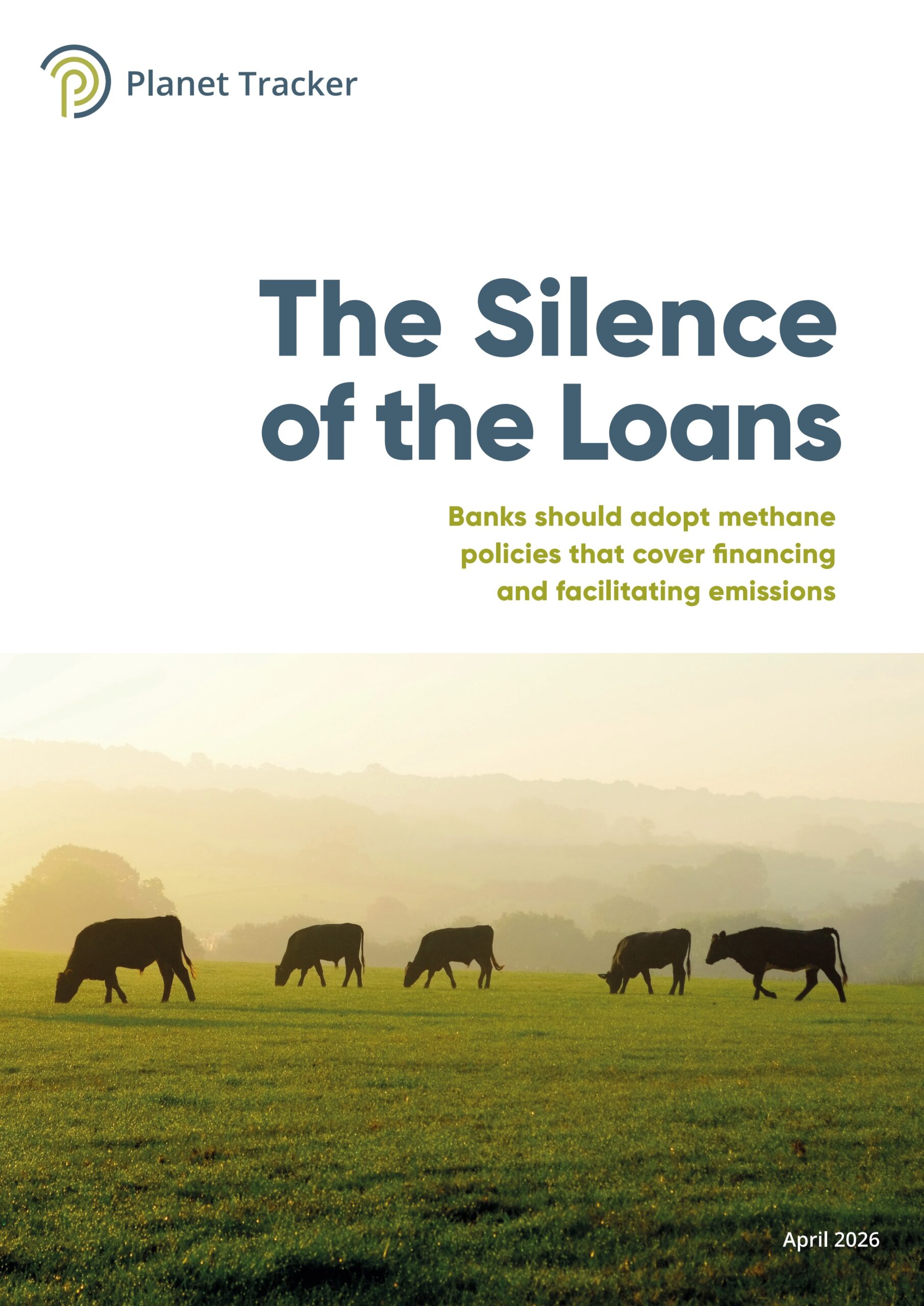
The silence of the loans: Banks should adopt methane policies that cover financing and facilitating emissions
Planet Tracker examines twenty-five banks' policies regarding agricultural methane emissions. Despite methane's high potency, no banks have specific reduction targets for this sector. Most policies focus solely on direct financing, ignoring facilitated debt which constitutes 96% of corporate funding, creating significant financial and regulatory risks for lenders.
Global energy review series
The Global Energy Review is an annual benchmark series published by the International Energy Agency (IEA) that assesses trends across the entire energy sector, covering all fuels, technologies, regions, and energy-related CO2 emissions for the preceding calendar year.
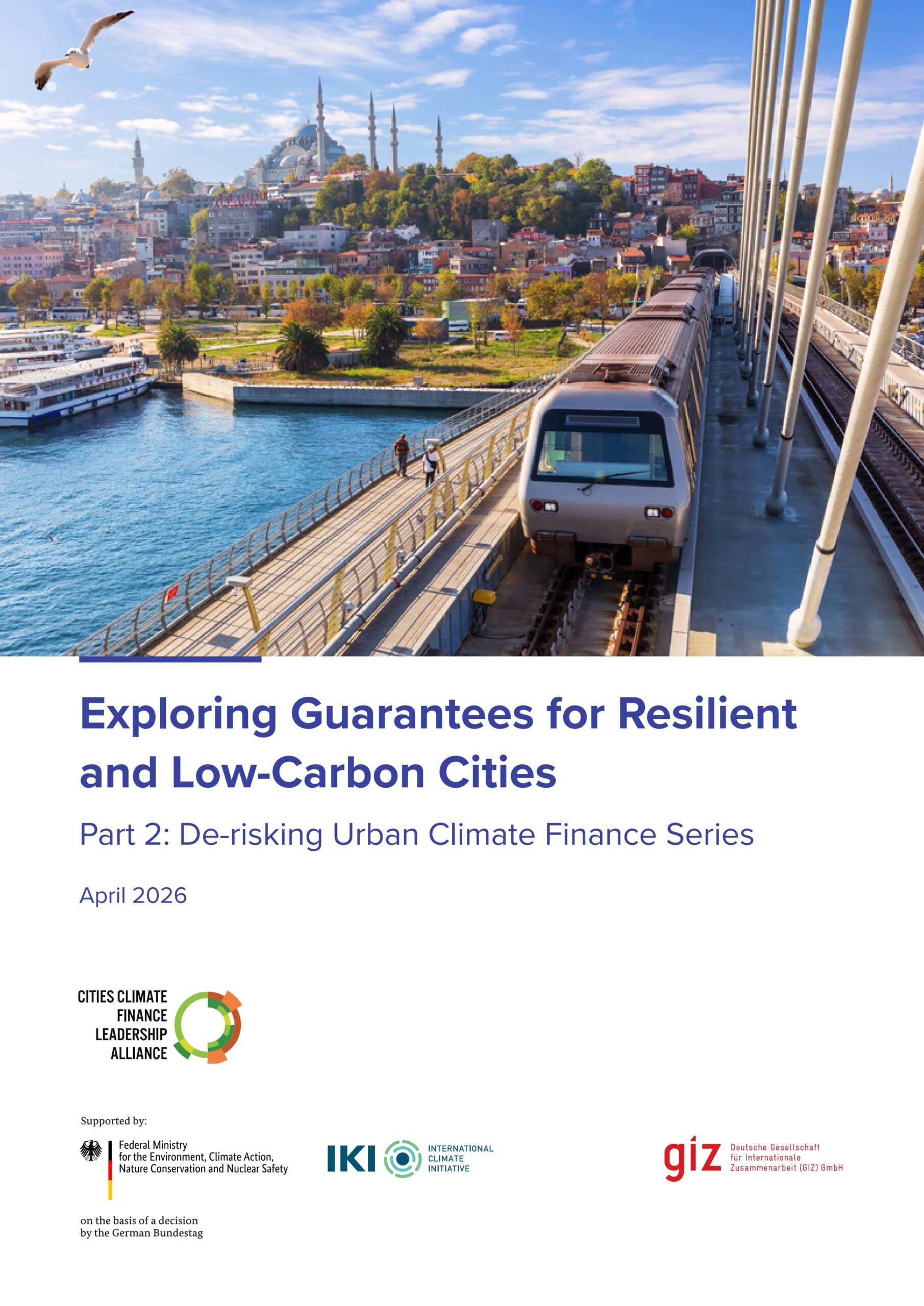
Exploring guarantees for resilient and low-carbon cities: Part 2: De-risking urban climate finance series
This report examines how guarantees can unlock private climate finance for cities. It identifies barriers to uptake in emerging markets, such as high costs and complex structures. Proposed solutions include strengthening governance, standardising products, and expanding regional facilities to mobilise the USD 4.3 trillion required annually by 2030.
Mapping the landscape of net-zero nature-positive finance: A review of definitions and frameworks
This report provides a comprehensive review of definitions and frameworks for net-zero, nature-positive, and climate-nature finance. It identifies alignment areas and implementation gaps, advocating for integrated risk and investment approaches to achieve global sustainability goals under the Paris Agreement and the Kunming-Montreal Global Biodiversity Framework.
Environmental claims, climate promises, and ‘greenwashing’ by meat and dairy companies
This research examines environmental claims from 33 major meat and dairy companies. It finds that 98% of 1,233 identified claims constitute greenwashing. While most claims are climate-related, many are unverifiable future promises lacking scientific evidence. The industry’s sustainability reporting often mimics tactics used by the fossil fuel sector.


