
Library | Location
Global
Refine
1522 results
REFINE
SHOW: 16


Insurers' resilience toolkit: A practical taxonomy of climate adaptation and resilience measures
This research provides a practical taxonomy for the insurance sector to advance climate adaptation and resilience. Analysing over 200 measures, it highlights structural barriers and enabling conditions for scaling initiatives. The report advocates for a shift from post-event compensation towards proactive risk reduction and long-term stakeholder engagement.
Toward transformation in finance: Seeds of nature-positive futures
This research examines "finance for nature seeds" — innovative initiatives aimed at transforming the financial sector to reverse nature loss. By analysing 92 global projects, the study identifies diverse approaches to funding nature stewardship, highlighting current reliance on market-based mechanisms and the potential for inclusive, value-pluralistic financial systems.
Tropical rainforest loss slowed in 2025, but fire is a growing threat to forests worldwide
Global tropical primary forest loss decreased 36% in 2025, though 4.3 million hectares were destroyed. Significant policy-driven reductions occurred in Brazil, but global deforestation remains 70% above levels required for 2030 targets. Fires drove 42% of global tree cover loss, with severe impacts in Canada and Europe.
Understanding inequality as a macro-financial risk to markets and diversified portfolios
This research identifies economic inequality as a systemic macro-financial risk to markets. It examines how wealth concentration and market power destabilise economies, fuel social instability, and hinder progress on global challenges. The report advocates for new financial analysis tools and disclosure frameworks to integrate social-related risks into investment strategies.
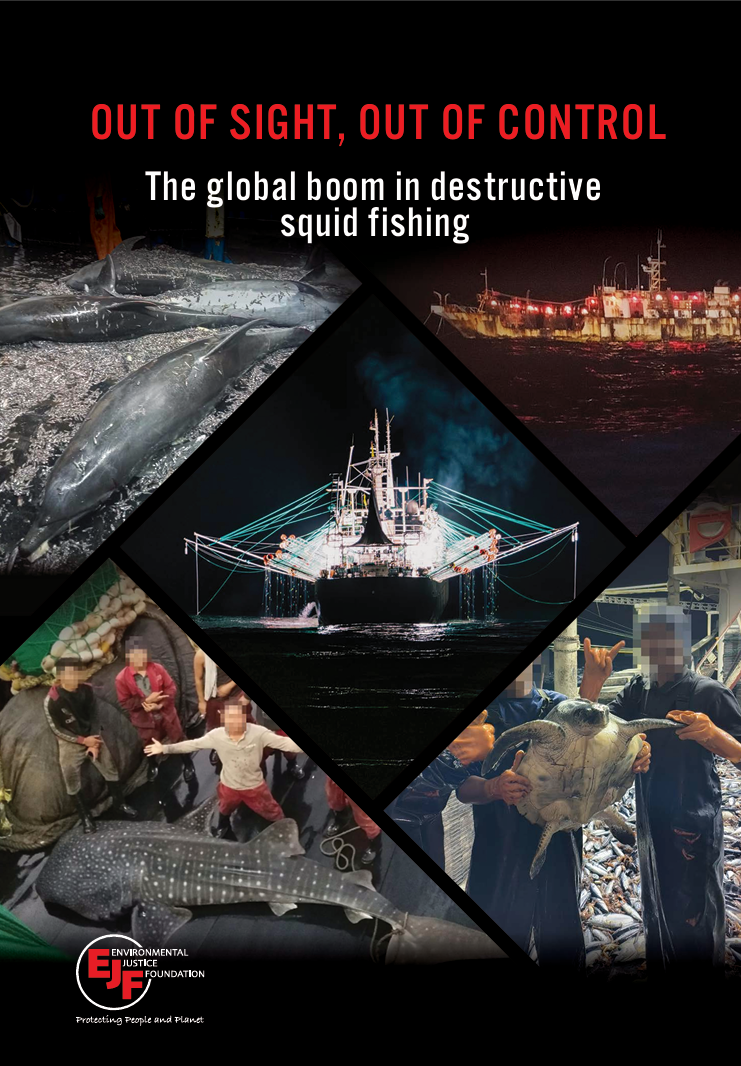
EJF's squid fisheries series
This report series examines global squid fisheries, focusing on governance gaps, illegal, unreported and unregulated (IUU) fishing, labour and human rights issues, supply chain transparency, and fisheries management. It analyses risks across key squid fisheries and explores policy and regulatory measures to support more sustainable and accountable fishing practices.
Just transition metrics benchmark
Just Transition Metrics is a benchmark series developed by Shift in collaboration with multiple organisations. It provides a foundational, sector-agnostic set of quantitative metrics designed to assess the 'justness' of companies' climate-related transition plans, covering workforce, communities, and value chain impacts.

Sector insights: Real estate series
Sustainable Fitch Sector Insights Report Series is a series providing analytical assessments of the sustainability profiles of different sectors. It examines sustainability impacts, ESG rating trends, sustainable finance developments, sector-specific issues, and relevant sustainability-related regulations to support finance professionals’ understanding of sector performance.
GIIN state of the market series
The GIIN's State of the Market is an annual benchmark series tracking the scale, activity, financial performance, and allocation patterns of the global impact investing market through a comprehensive survey of impact investors across asset classes, geographies, and sectors.
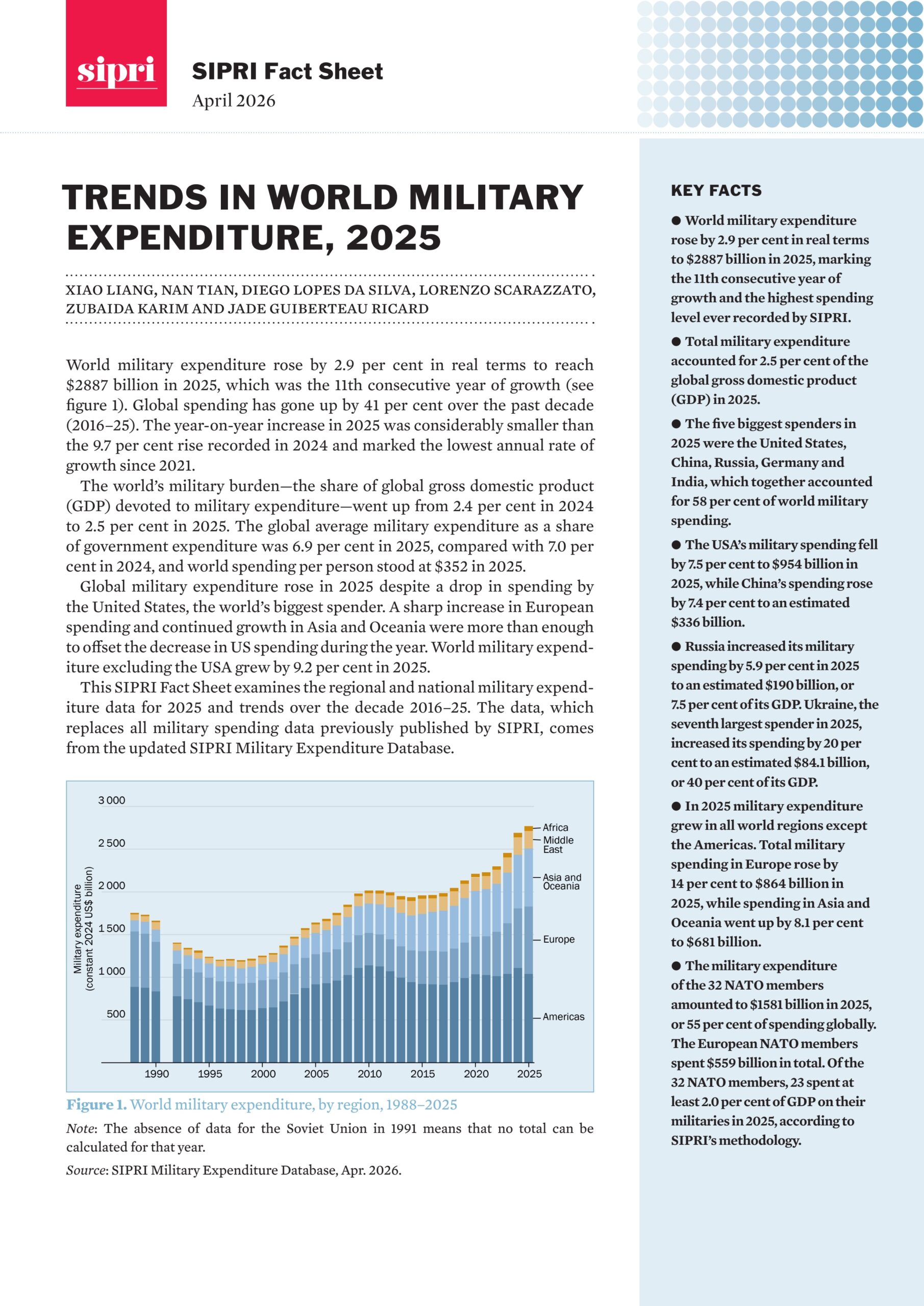
Trends in world military expenditure series
A benchmark series by SIPRI tracking annual global military expenditure across countries and regions. Published as an annual fact sheet, it provides data on spending levels, military burdens as a share of GDP, and decade-long trends to support evidence-based analysis of defence economics worldwide.
Sustainable signals: Individual investors series
Sustainable Signals: Individual Investors is an annual survey series by the Morgan Stanley Institute for Sustainable Investing. It tracks global individual investor sentiment, portfolio allocations, return expectations, thematic priorities, and barriers related to sustainable investing across North America, Europe, Asia Pacific, and MENA.

Rate the raters series
Rate the Raters is a benchmark series by the ERM Sustainability Institute tracking corporate perceptions of ESG rating agencies. It examines quality, usefulness, trust, and engagement with ESG raters across regions and industries, offering a longitudinal view of the evolving ESG ratings landscape for companies and investors.
Global report on food crises series
The Global Report on Food Crises is an annual benchmark series tracking acute food insecurity, malnutrition and forced displacement in countries facing food crises. Produced by FAO, WFP and the Global Network Against Food Crises, it delivers consensus-based, multi-agency analysis to guide humanitarian and development decision-making globally.
Scientific Climate Ratings
Scientific Climate Ratings delivers forward-looking, science-based climate risk ratings quantifying financial materiality of physical and transition risks for infrastructure assets globally.
EarthAction
A global civil society network founded at the 1992 Earth Summit, EarthAction unites over 2,600 partner organisations across 165 countries to mobilise citizens and policymakers in support of a more just, peaceful, and sustainable world.
Transition Acceleration Framework (TAF)
TAF is a forward-looking analytical framework by Rhodium Group that evaluates where climate investment and policy will accelerate decarbonisation.

Plastic footprint guidelines
The Plastic Footprint Network's guidance document presents a science-based methodology for assessing corporate plastic footprints. Developed by over 100 professionals from 35 organisations, the framework comprises 11 modules covering macroplastics and microplastics, providing practitioners with a step-by-step process for measuring plastic leakage and reporting results.


