
Library | Resource Types
Research
We summarise credible research and reports on sustainable finance and ESG issues. Our summaries, along with our AI ChatBot saves members time reading large reports, to focus on knowledge building and action.
Refine
2421 results
REFINE
SHOW: 16


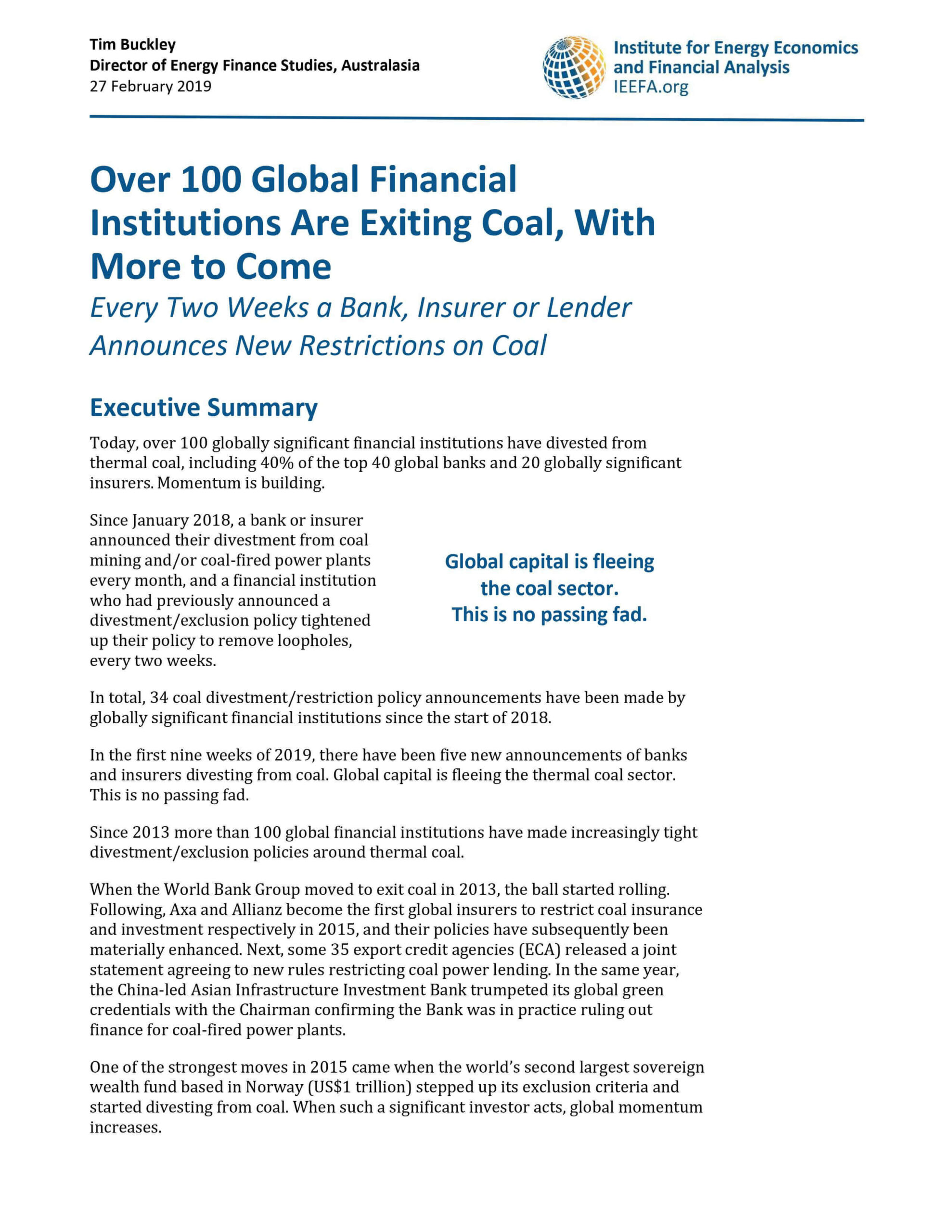
Over 100 global financial institutions are exiting coal, with more to come
This report published by IEEFA highlights the fact that over a hundred globally significant financial institutions are divesting from coal projects. It mentions that these major financial institutions, including commercial banks, insurance companies, pension funds, asset management companies, and development finance institutions, are building up the momentum against coal projects.
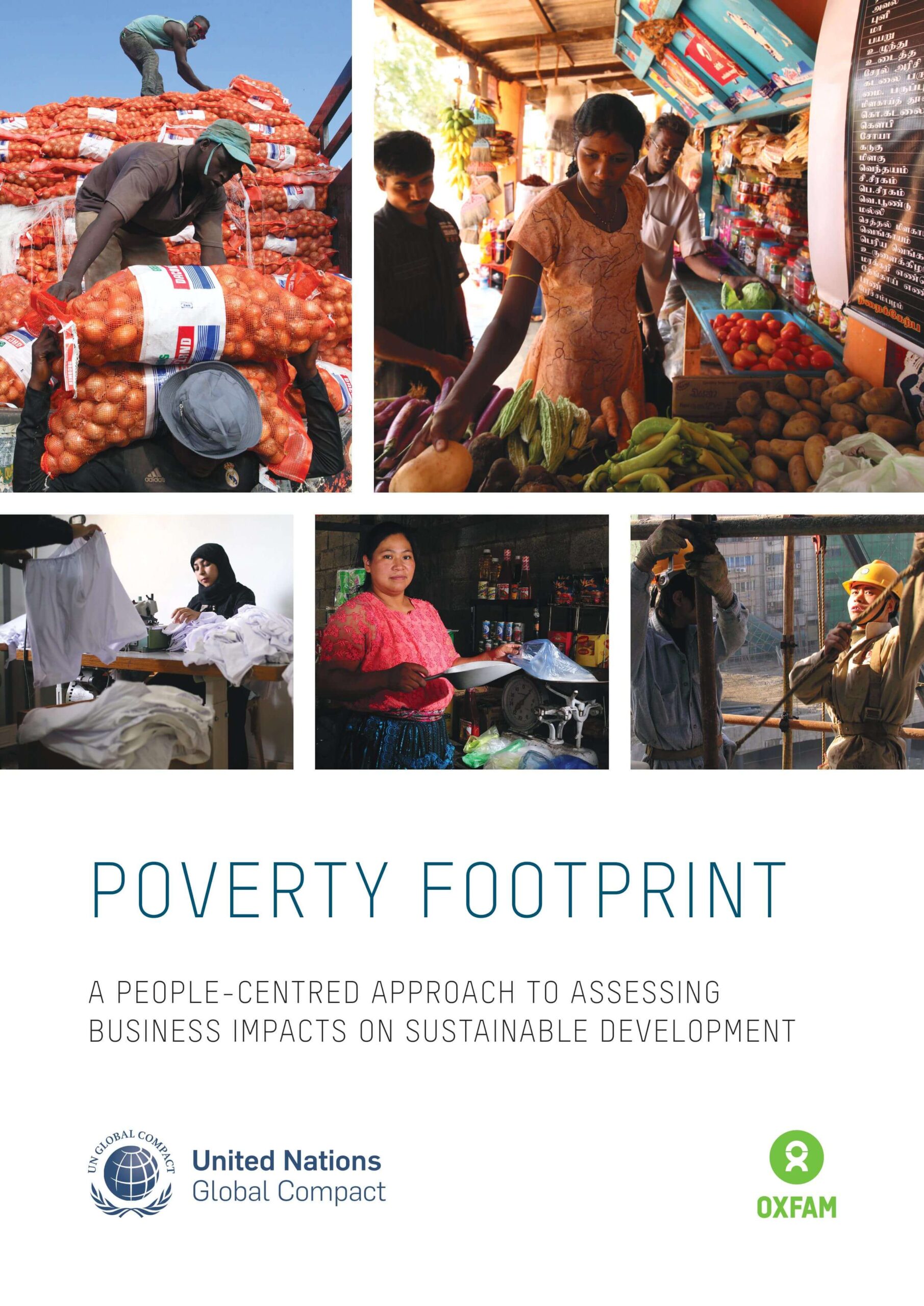
Poverty Footprint
The Poverty Footprint is a tool that enables companies and partners to implement a people-centred assessment of corporate impacts on poverty. The report is used to better understand the impacts of operations and value chain on people and poverty, and to turn this learning into action.
SDG Industry Matrix: Energy, natural resources and chemicals
The Industry Matrix aims to inspire and inform the private sector, driving it towards inclusiveness and sustainable prosperity by identifying opportunities for greater social and environmental change. This Matrix applies to industries involved in energy, natural resources and chemicals, outlining ways that companies can create value for shareholders as well as society.
How to invest in the low-carbon economy: An institutional investors' guide
This report introduces the investment strategies available to investors in their efforts to align their portfolios with a lower carbon, more climate-resilient economy. The guide focuses on three main areas for investor action: climate-aligned investment opportunities, integration of climate-related risks and opportunities into investment processes, and phasing out investment in thermal coal.
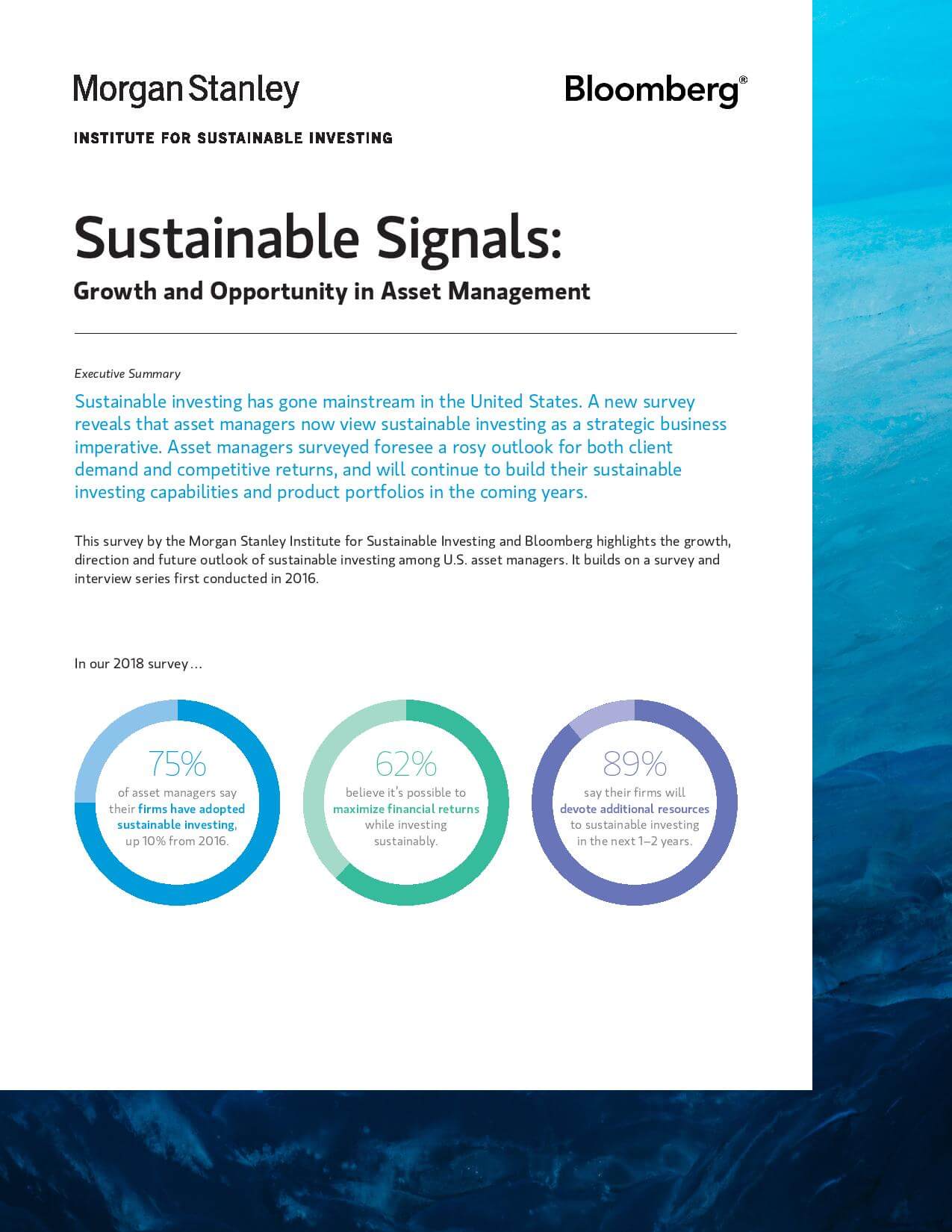
Sustainable signals: Growth and opportunity in asset management
Morgan Stanley Institute for Sustainable Investing and Bloomberg L.P. report highlights how sustainable investing has transformed from a given fiduciary duty into a strategic business imperative in the financial markets. Asset managers in the U.S. perceive this shifting investment landscape as a new opportunity to create increasingly competitive returns and more productive portfolios in the coming years.

Sustainable reality: Analyzing risk and returns of sustainable funds
Based on research conducted on the performance of nearly 11,000 mutual funds from 2004 to 2018, Morgan Stanley Institute for Sustainable Investment finds no statistically significant difference in returns between sustainable funds and traditional funds. However, sustainable funds demonstrated 20% lower downside risk than traditional funds.

Edwards Mother Earth Foundation: An impact investment case study
A case study of a 100% impact investing strategy conducted by a private foundation with a $35 million portfolio. The report lays out a roadmap similar foundations can follow in pursuing impact investing.
ESG considerations in fixed income: Observation of 10 ESG integration trends
This paper shares key ESG integration trends that Russell Investments has found in the fixed income market. It is based off observations derived from their 2019 Annual ESG Manager Survey and discussions with fixed income market practitioners looking at ESG considerations and implementations in their investment process.

Sustainability-linked bond principles: Voluntary process guidelines
This report introduces the Sustainability-Linked Bond (SLB) Principles and provides guidelines for structural features, disclosure and reporting, to bring integrity into the SLB market. The guide is intended for market participants and designed to drive the provision of information to increase capital allocation in these instruments.
The case for sustainable bond investing strengthens
This report is an expanded research study on a previous study conducted by Barclays. It provides deep insight into the relationship between environmental, social and governance (ESG) factors and their influence on credit portfolio performance. In particular, looking at the effect of ESG on euro-denominated and US investment grade and high-yield bond markets.
ESG in fixed income
This guide created by BMO Global Asset Management shows how and why they incorporate ESG factors and stewardship activities into their corporate fixed income investments and engagement approach. The guide also looks at how the growing sustainable bonds market is enabling fixed income investors to align investments with sustainability goals.

Sustainable investing and bond returns
A research study conducted by the Barclays Research team seeking to assess the link between environmental, social and governance (ESG) ratings and credit portfolio performance. In addition, the report provides a general overview over sustainable investing and the top trends driving the rapid rise of its popularity.
SDG Industry Matrix: Industrial manufacturing
The Industry Matrix outlines 17 Sustainable Development Goals with industry specific practical examples that companies can incorporate and follow. These industry specific ideas outline opportunities to create blended value by addressing both shareholder interests and welfare of the society.

T100 Powered Ascent report: Insights from the frontiers of impact investing 2018
The Powered Ascent report is the second in the T100 Impact Portfolio Series. The T100 Project is a longitudinal study of the impact investing experience of Toniic 100% Impact Network members. The report combines an analysis of investment portfolio data from 76 members with stories of their personal journeys.

Fixed income: An introduction to responsible investment
This guide provides an introduction on how investors can consider environmental, social and governance (ESG) issues when assessing fixed income instruments and their issuers. It outlines options for how to include ESG issues when building a fixed income portfolio and when working with issuers on how they manage ESG issues.
SDG Industry Matrix: Transportation
The main purpose of the Matrix is to attract and influence the transportation industry to take measures that drive the Sustainable Development Goals (SDGs). The Matrix provides industry specific ideas and leading examples for each SDG, and outlines opportunities for the industry, as well as society, through shared value.


