
Library | Resource Types
Research
We summarise credible research and reports on sustainable finance and ESG issues. Our summaries, along with our AI ChatBot saves members time reading large reports, to focus on knowledge building and action.
Refine
1834 results
REFINE
SHOW: 16


Business models and investments for nature: Full report, 2nd edition
This report by the EU Business & Biodiversity Platform presents ten existing finance practices for investing in nature across sectors including forestry, regenerative agriculture, green infrastructure, and urban ecosystems. It explores how financial instruments such as green bonds, blended finance, and sustainability-linked loans can be structured, scaled, and replicated to help close the biodiversity finance gap.

Cracking the code: Using nature data to understand the impact of the ASX200
This report analyses the nature-related impacts of Australia's ASX200 companies. It finds that utilities, energy, and materials sectors exert the highest direct environmental pressures, whereas financials and retail sectors possess significant supply chain impacts. The report advocates for TNFD-aligned disclosures and proactive investor stewardship to mitigate systemic risks.
Reining in big tech corporations: Why platform governance requires structural regulation
This paper argues that big tech platform corporations function as state-empowered artificial legal entities rather than private contractual arrangements. Highlighting their structural and governance power, the author suggests that these organisations require structural regulation and democratic oversight to recalibrate the delegated powers granted by states.
DBSA: Financial instrument design for an effective carbon market in South Africa
The Development Bank of Southern Africa details two proposed financial instruments to support the domestic voluntary carbon market: a carbon credit-backed bond and a repurchase facility. These tools aim to mobilise private capital, address early-stage funding shortages, and improve liquidity for carbon reduction projects.
Reliability of sustainability claims: Addressing greenwashing through regulations
This report analyses 23 regulatory instruments across 12 jurisdictions to assess global responses to greenwashing. It highlights the reliance on cross-sectoral consumer protection laws and identifies challenges in substantiation. Recommendations include adopting proportionate approaches, investing in data infrastructure, and clarifying the role of voluntary sustainability standards.
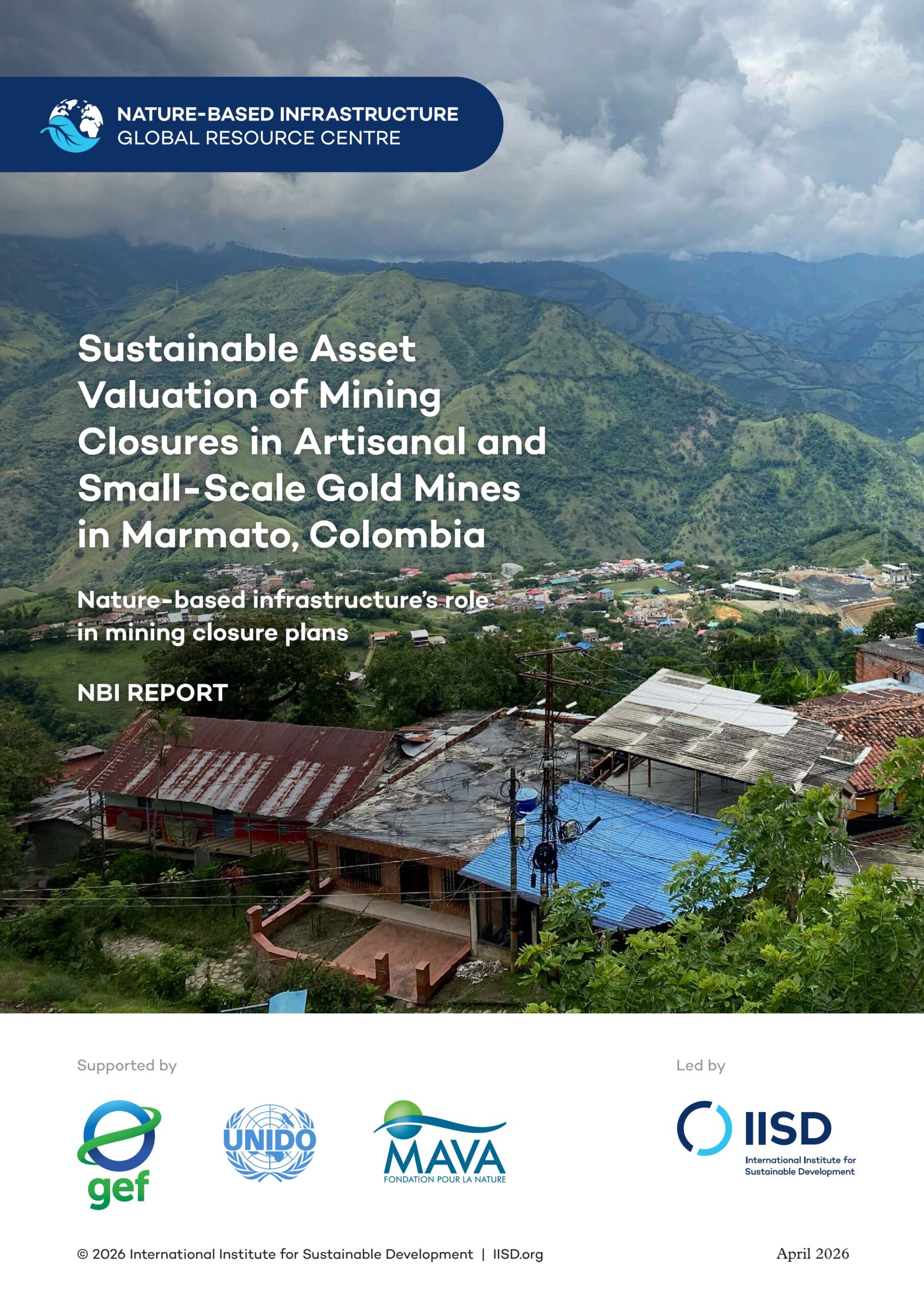
Sustainable asset valuation of mining closures in artisanal and small-scale gold mines in Marmato, Colombia: Nature-based infrastructure’s role in mining closure plans
This report assesses mine-closure strategies for artisanal and small-scale gold mining in Marmato, Colombia. Applying a systems-based valuation methodology, it highlights the economic and environmental benefits of progressive formalisation and closure, emphasising early risk reduction, physical stabilisation, and ecosystem rehabilitation to improve territorial safety.
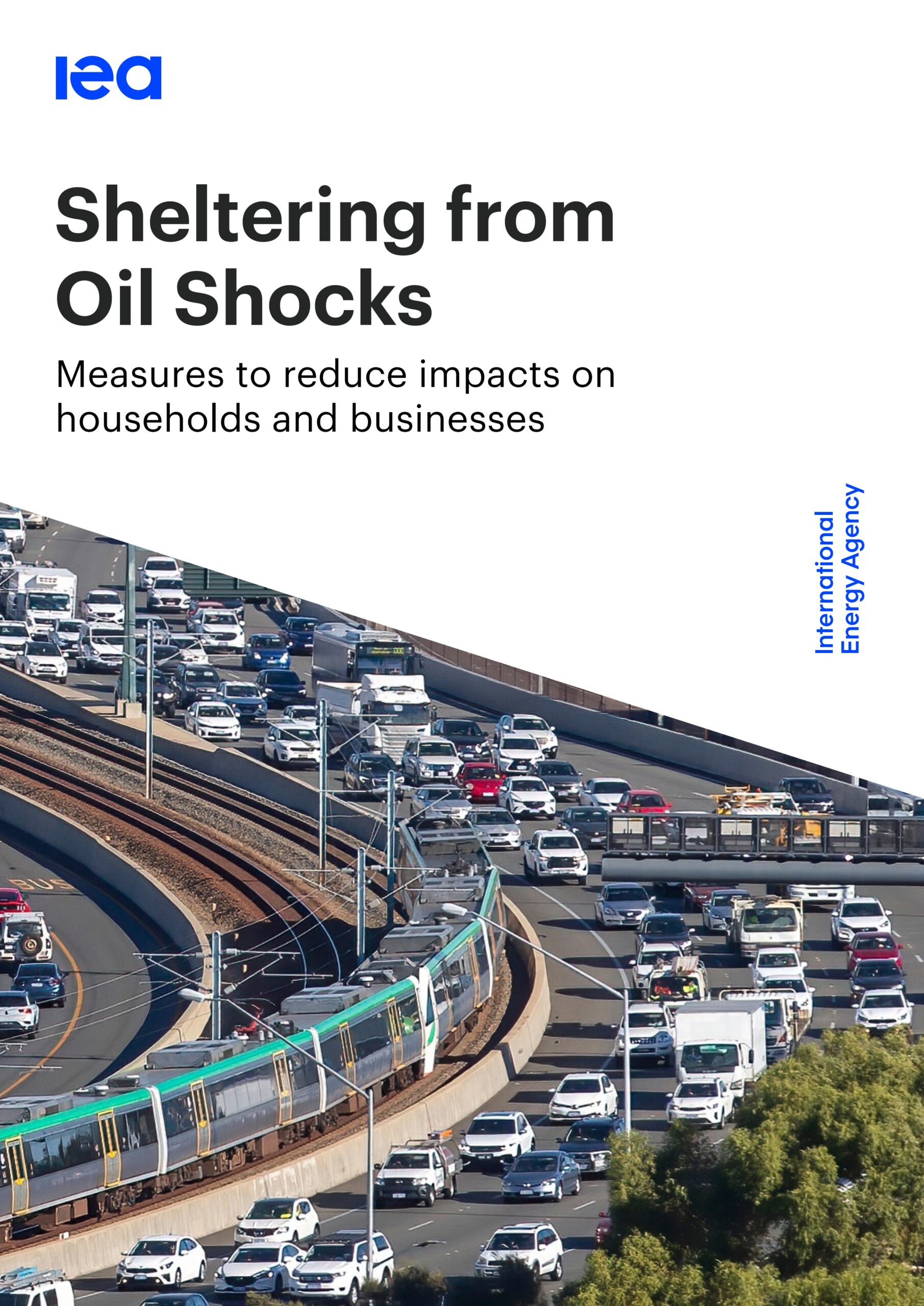
Sheltering from oil shocks: Measures to reduce impacts on households and businesses
This International Energy Agency report outlines measures to reduce the impact of oil supply disruptions on households and businesses. It details short-term and structural strategies across road and air transport, industry, and cooking fuels to lower demand and shield vulnerable consumers from rising energy costs.
Getting political finance right: Preventing corruption with UNCAC CoSP resolution 11/7
This report analyses the implications of UNCAC Resolution 11/7 on political finance, detailing key transparency measures, safeguards against illicit funding, and strategies to ensure state neutrality. It provides practical guidance for legislators and watchdogs to effectively implement oversight mechanisms and prevent corruption globally.
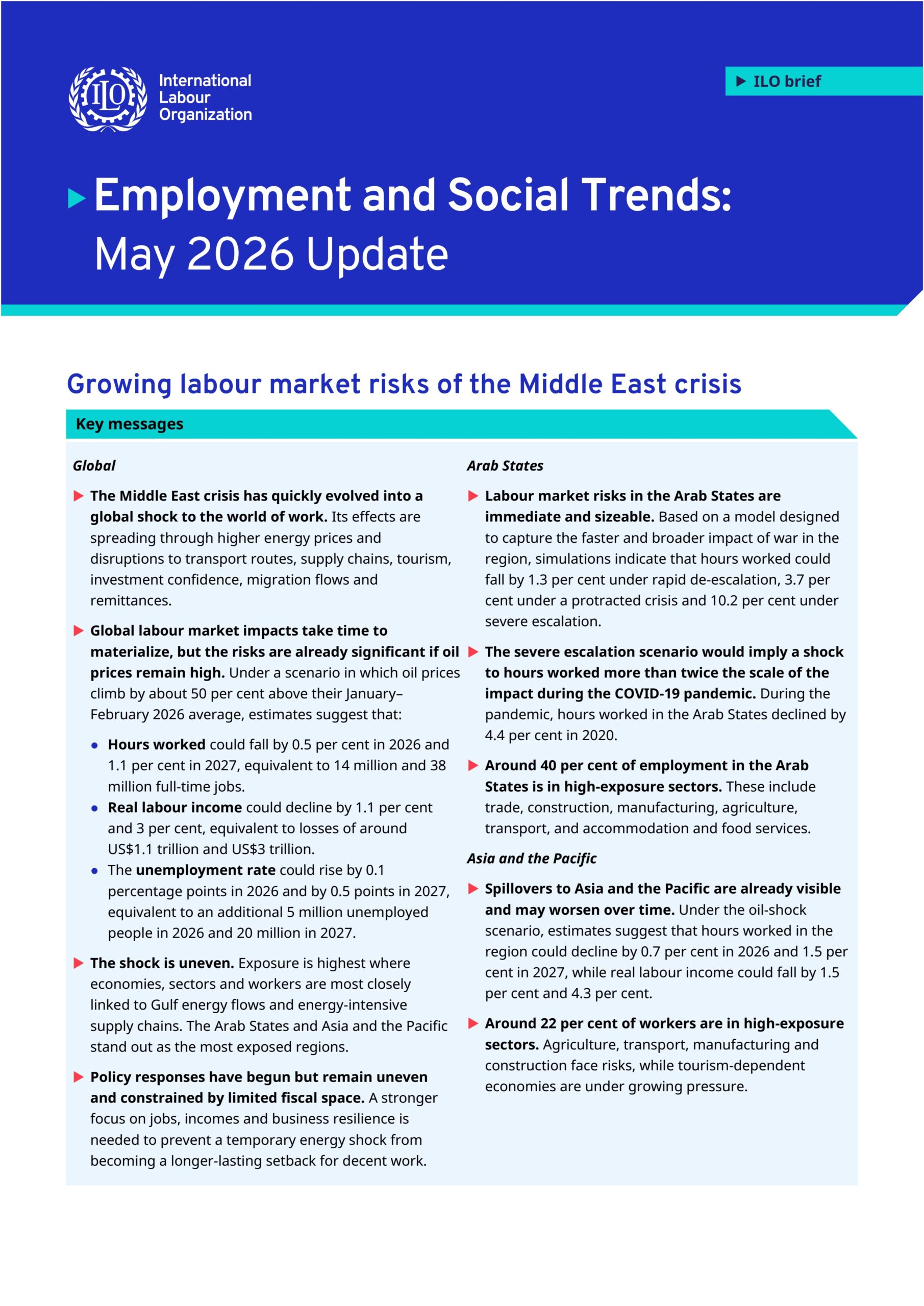
Employment and social trends: May 2026 update: Growing labour market risks of the Middle East crisis
This report analyses the global labour market risks of the Middle East crisis. It estimates significant potential declines in working hours and real labour incomes, highlighting heightened vulnerabilities in the Arab States and the Asia-Pacific region due to disrupted energy markets, supply chains, and transport routes.
Standards for integrity in political finance: A global policy position
This report outlines global standards for integrity in political finance. It advocates for comprehensive reforms spanning transparency, limits on donations and expenditure, gender equality in funding, state neutrality, and robust accountability to prevent corruption and level the electoral playing field worldwide.
Counting what counts: A compass of progress for people and planet
This report presents a new framework and a dashboard of 31 indicators proposed by the UN High-Level Expert Group to measure societal progress beyond GDP. It emphasises equitable, inclusive and sustainable well-being, offering actionable recommendations for global adoption and enhanced statistical capacity by 2027.
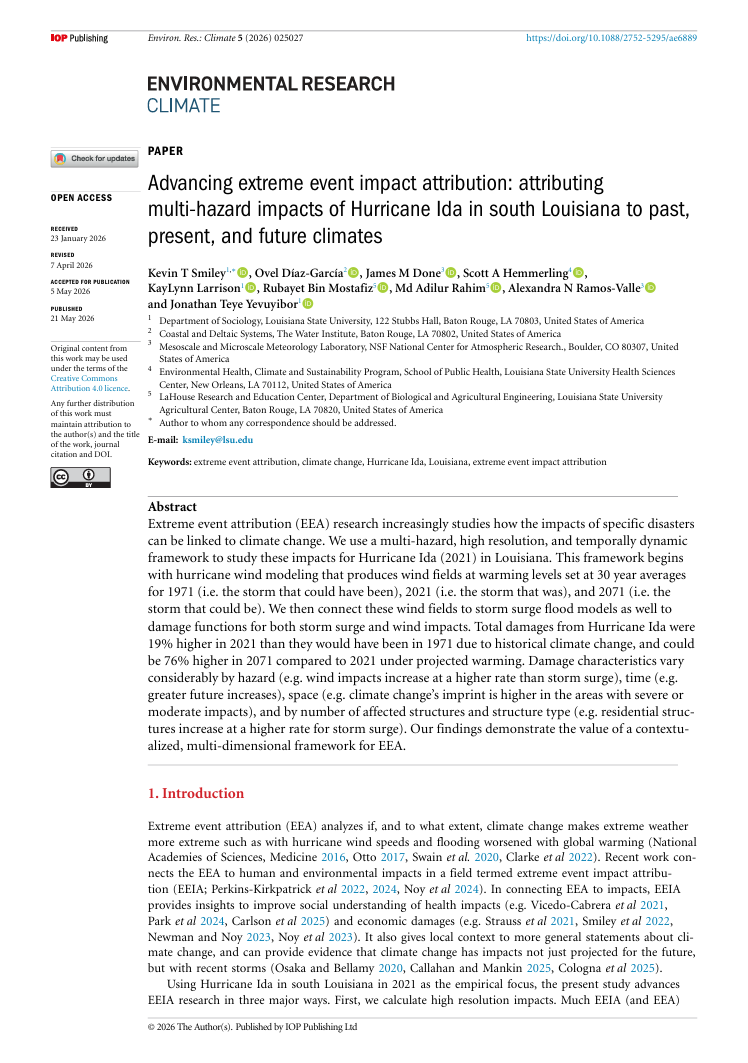
Advancing extreme event impact attribution: Attributing multi-hazard impacts of Hurricane Ida in south Louisiana to past, present, and future climates
This report examines the impacts of Hurricane Ida in south Louisiana, using a multi-hazard framework to attribute economic damages to historical and projected climate change. It finds that total damages were 19% higher in 2021 due to historical climate change and could be 76% higher by 2071.
Digitalisation and innovation: Opportunities and risks for financial health
This report examines the impact of digital innovation on financial health. It outlines opportunities in payments, credit, savings, and insurance, whilst highlighting emerging risks such as fraud, overindebtedness, and ill-suited investments. The authors propose policy responses to enhance regulatory frameworks and promote responsible digitalisation in financial services.
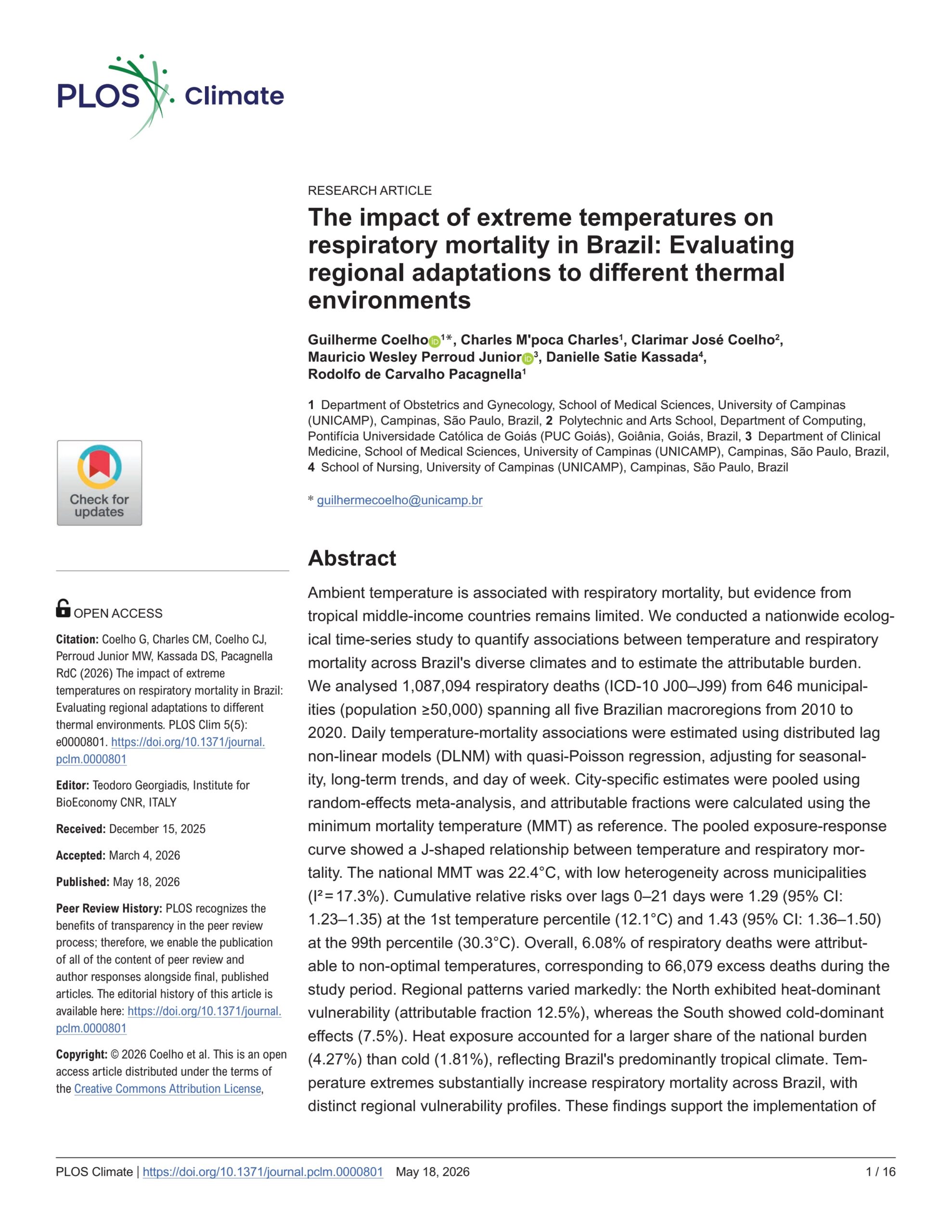
The impact of extreme temperatures on respiratory mortality in Brazil: Evaluating regional adaptations to different thermal environments
This report analyses the impact of extreme temperatures on respiratory mortality across 646 Brazilian municipalities from 2010 to 2020. Findings reveal a J-shaped exposure-response curve, with heat-related deaths dominating in tropical northern regions, whilst cold-related mortality predominates in the subtropical south, underscoring the need for region-specific climate adaptation policies.
CARE for women: Investing in care delivery to improve women’s lives and livelihoods
This report examines the 34% of the global women's health gap caused by care delivery failures. Focusing on cardiovascular risk and perinatal depression, it outlines the CARE framework to standardise screening and referral pathways, demonstrating that preventative care investments yield a three- to six-fold return.
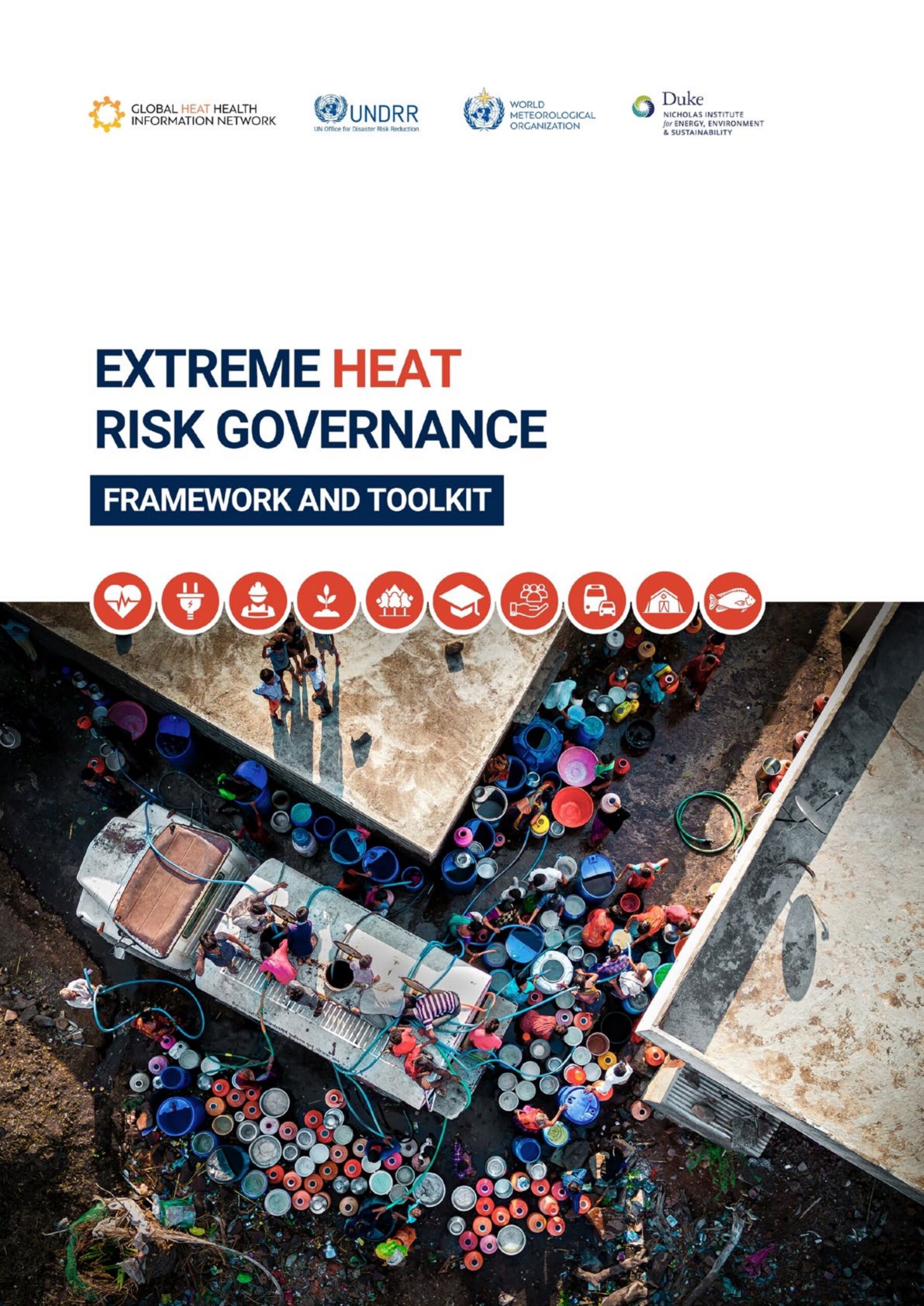
Extreme heat risk governance: Framework and toolkit
This report presents a comprehensive framework and toolkit to help governments and stakeholders manage extreme heat risk. It provides actionable guidance, a maturity assessment tool, and strategies to operationalise governance and develop effective heat action plans across multiple sectors and timescales.


