
Library | Resource Types
Research
We summarise credible research and reports on sustainable finance and ESG issues. Our summaries, along with our AI ChatBot saves members time reading large reports, to focus on knowledge building and action.
Refine
1834 results
REFINE
SHOW: 16


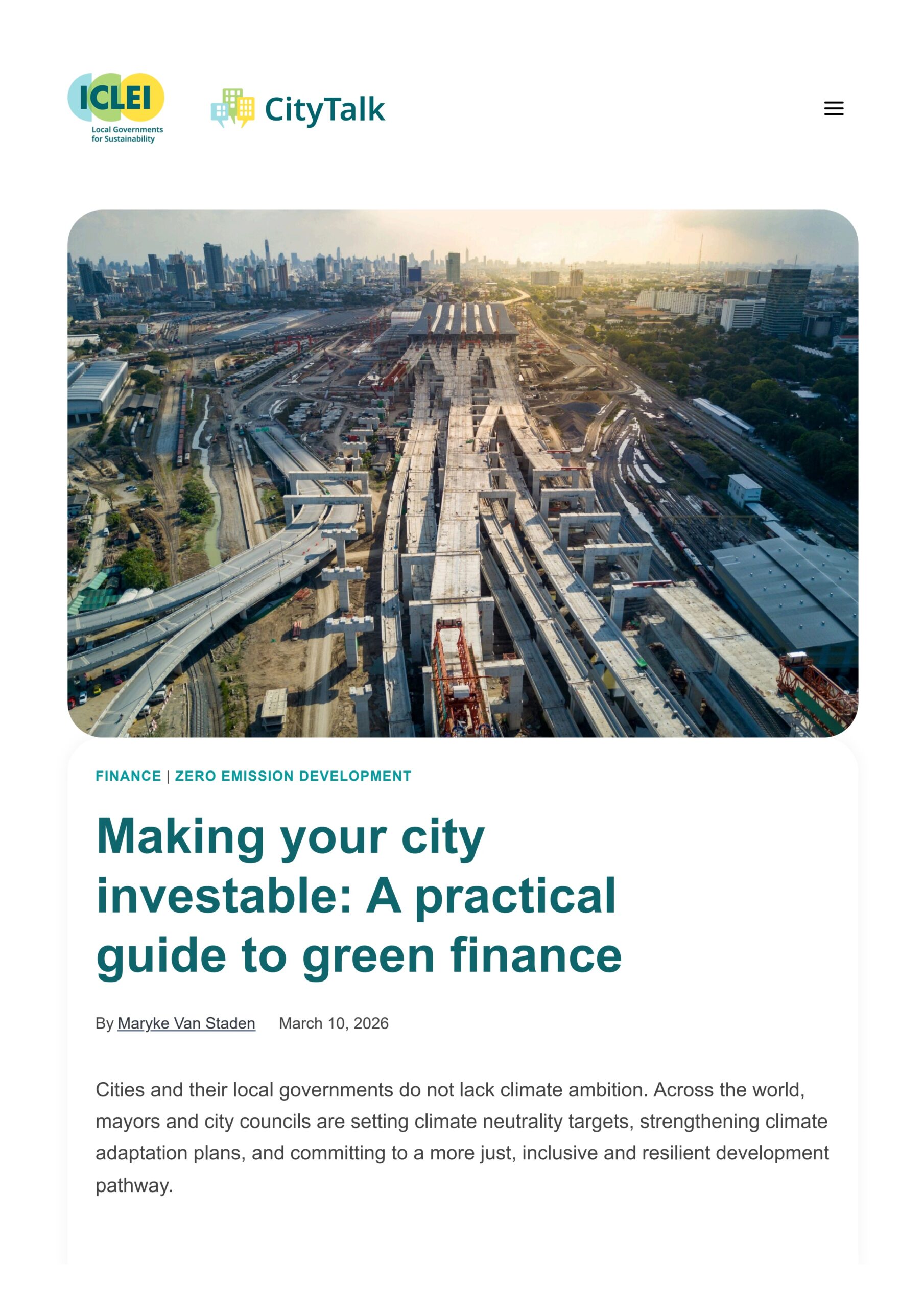
Making your city investable: A practical guide to green finance
This guide outlines how local governments can access green finance by shifting from ad hoc initiatives to embedded institutional strategies. Highlighting successful international examples, it emphasises the importance of transparent governance, predictable project pipelines, and standardised reporting to build investor confidence and secure long-term climate capital.
Viability of standalone battery energy storage tariffs discovered in 2025
This report examines the viability of standalone battery energy storage tariffs in India during 2025. It highlights a significant divergence between aggressive tariff reductions and actual project costs, evaluating associated execution risks, supply chain dependencies, and the need for procurement framework reforms to ensure sector resilience.
Update on China's climate policy from the 2026 two sessions: How Chinese companies and industry are shaping the energy transition agenda
This report analyses corporate engagement in China's climate and energy policy during the 2026 Two Sessions. It outlines the 15th Five-Year Plan's carbon intensity reduction target and examines how the oil, gas, new energy, and automotive sectors are influencing the nation's decarbonisation and energy transition agenda.
Beyond the illusion of innovative climate finance at scale in Africa: A market-informed blueprint for Kenya's just and resilient climate transition
This report examines why Kenya's climate finance gap persists despite strong institutions, renewable energy leadership and financial inclusion gains. It identifies seven flawed assumptions and recommends a nationally co-ordinated country investment platform to mobilise domestic capital, align incentives and deliver a just and resilient climate transition.
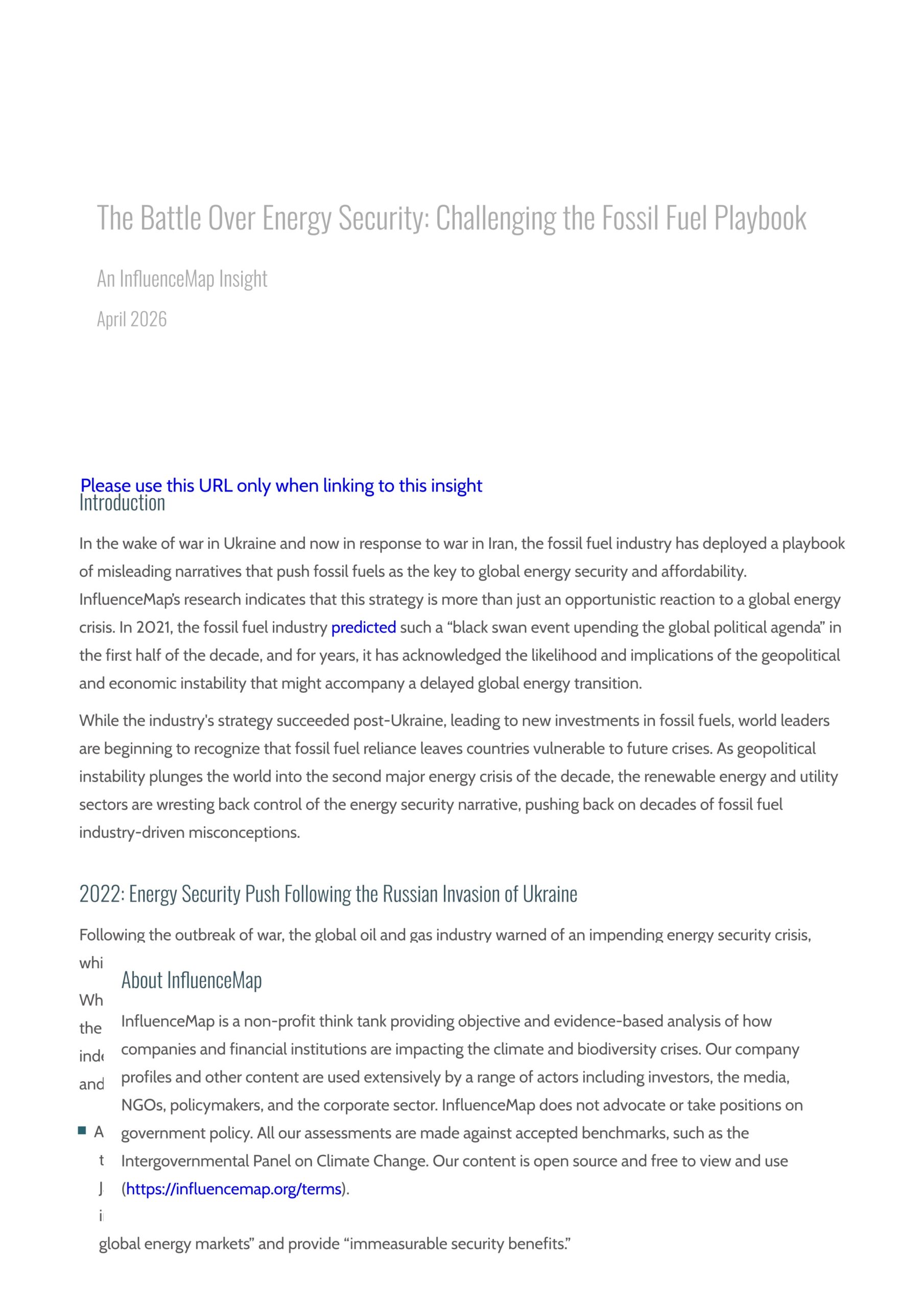
The battle over energy security: Challenging the fossil fuel playbook
This report by InfluenceMap analyses how the fossil fuel industry uses geopolitical instability to promote energy security narratives. It highlights the industry's historical playbook of delaying the renewable transition and outlines current counter-arguments from renewable sectors advocating for electrification to ensure genuine energy independence and affordability.
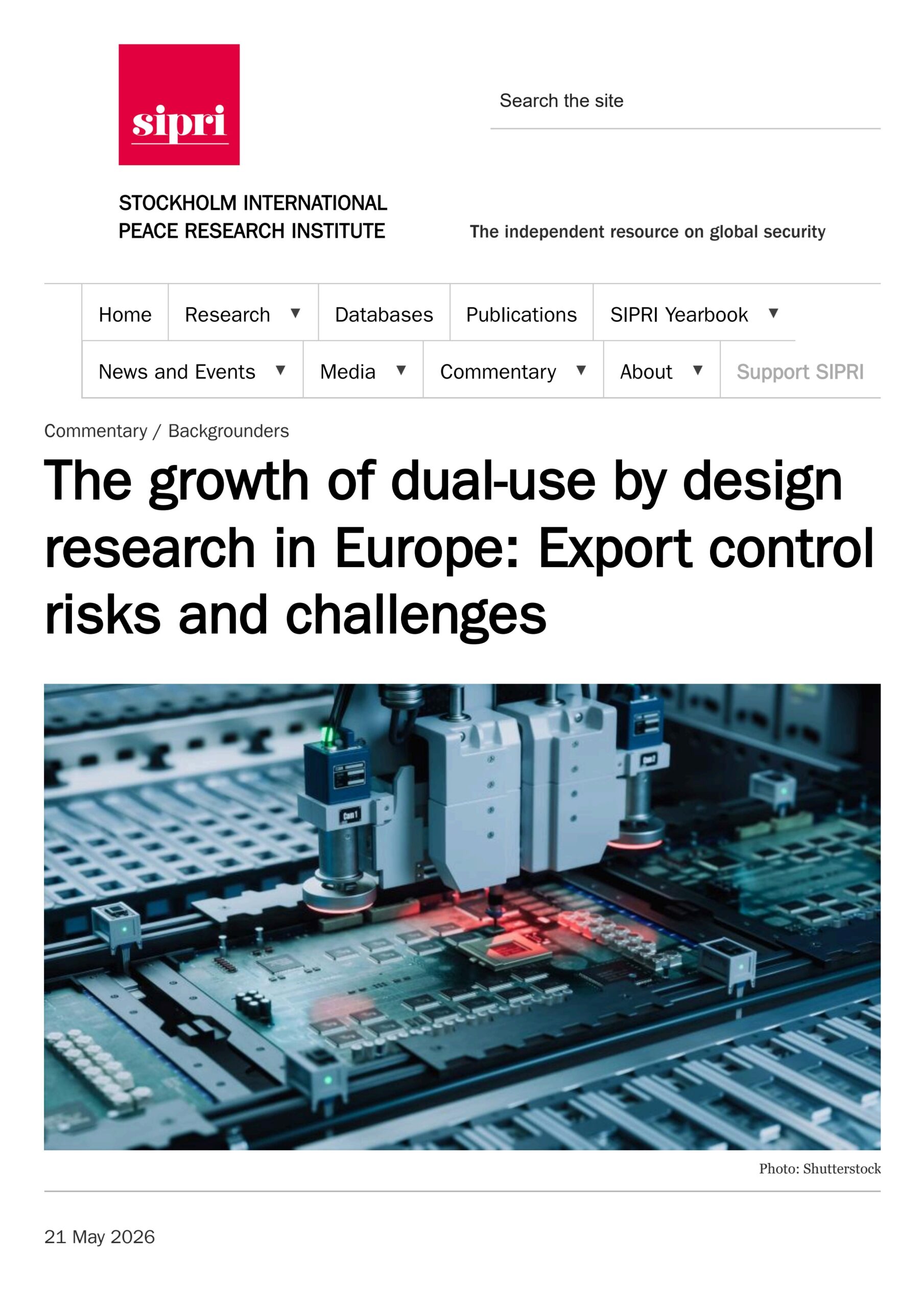
The growth of dual-use by design research in Europe: Export control risks and challenges
This report explores how increased funding for 'dual-use by design' research in Europe blurs the line between civilian and military ecosystems. It highlights proliferation risks and identifies challenges for export controls, arguing for a broader, integrated governance framework to safeguard international research collaboration and security.
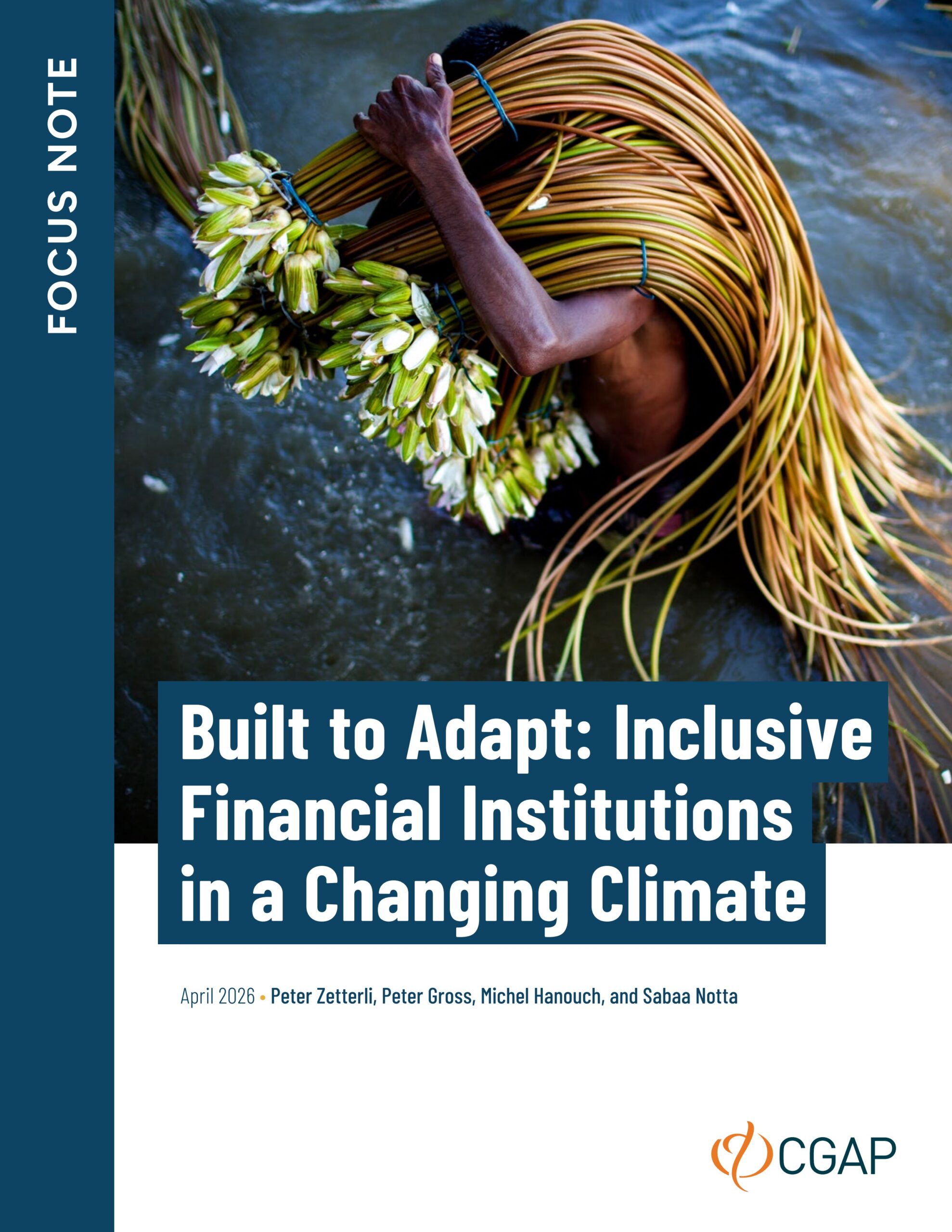
Built to adapt: Inclusive financial institutions in a changing climate
This report explores how inclusive financial institutions can build climate resilience for themselves and their clients. It outlines strategies for risk assessment, innovative risk financing, and adapting product offerings. By adopting a mutually beneficial approach, providers can maintain their social mission while navigating intensifying climate impacts.
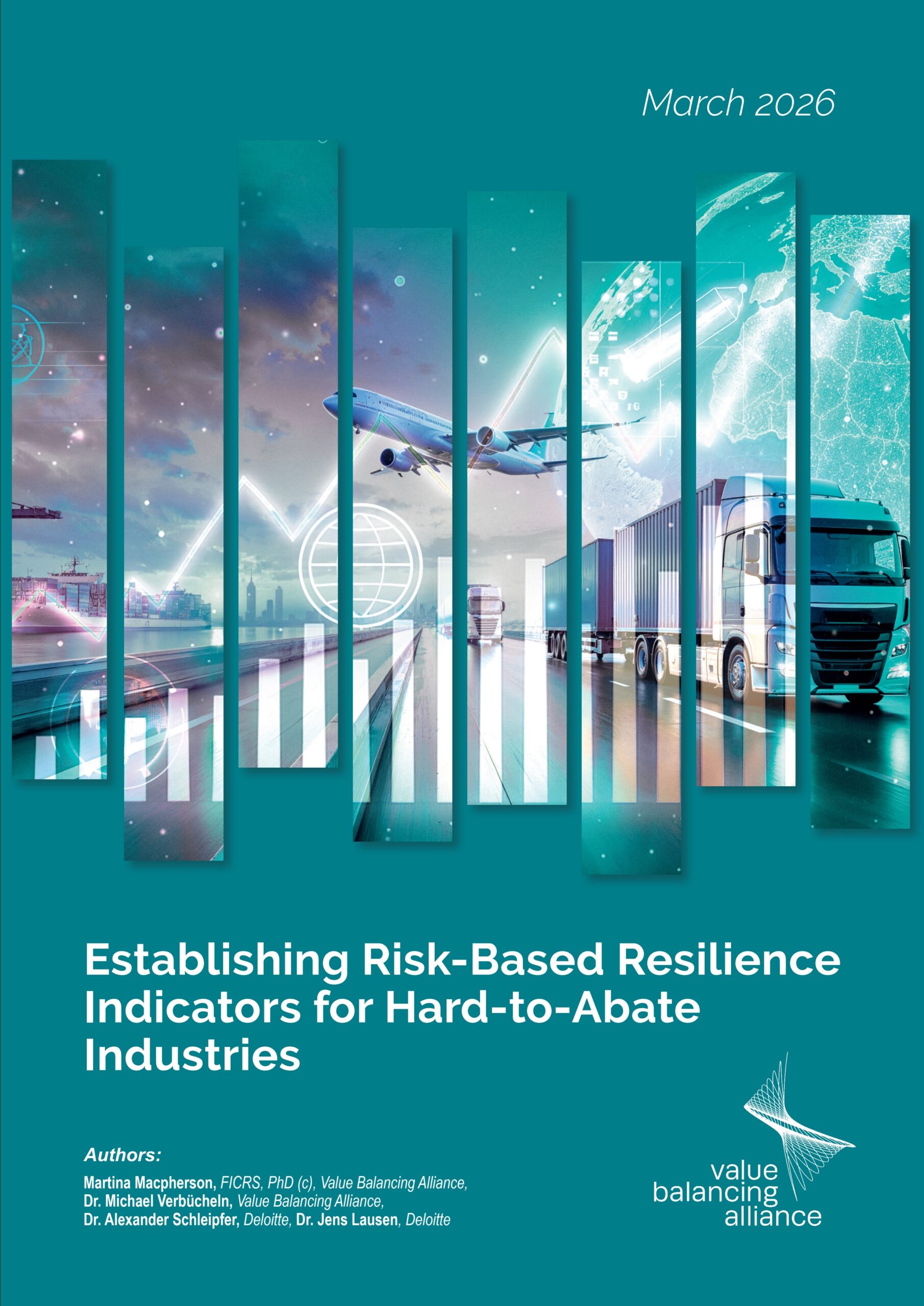
Establishing risk-based resilience indicators for hard-to-abate industries
This report develops a Resilience Indicator for hard-to-abate sectors, evaluating transition and physical climate risks. It offers a transparent, risk-based tool for investment decisions, focusing on cash-flow stability and adaptive capacity, to provide more actionable insights than generic ESG scores.
Update: Tech firms’ responses to our call for action to protect children
This report assesses tech firms' responses to regulatory demands for improved online child safety. Despite new duties, children remain exposed to harmful content via personalised feeds. While some platforms committed to enhanced age assurance and grooming protections, further action is required to enforce minimum age policies effectively.
Socially-minded investors and corporate behavior
This report examines whether socially-minded investors influence corporate behaviour through voting, managerial incentives, or identity investing. It concludes that existing channels offer limited impact and evaluates potential legal reforms, such as binding shareholder votes and mandatory disclosures, to better align corporate actions with these investors' preferences.
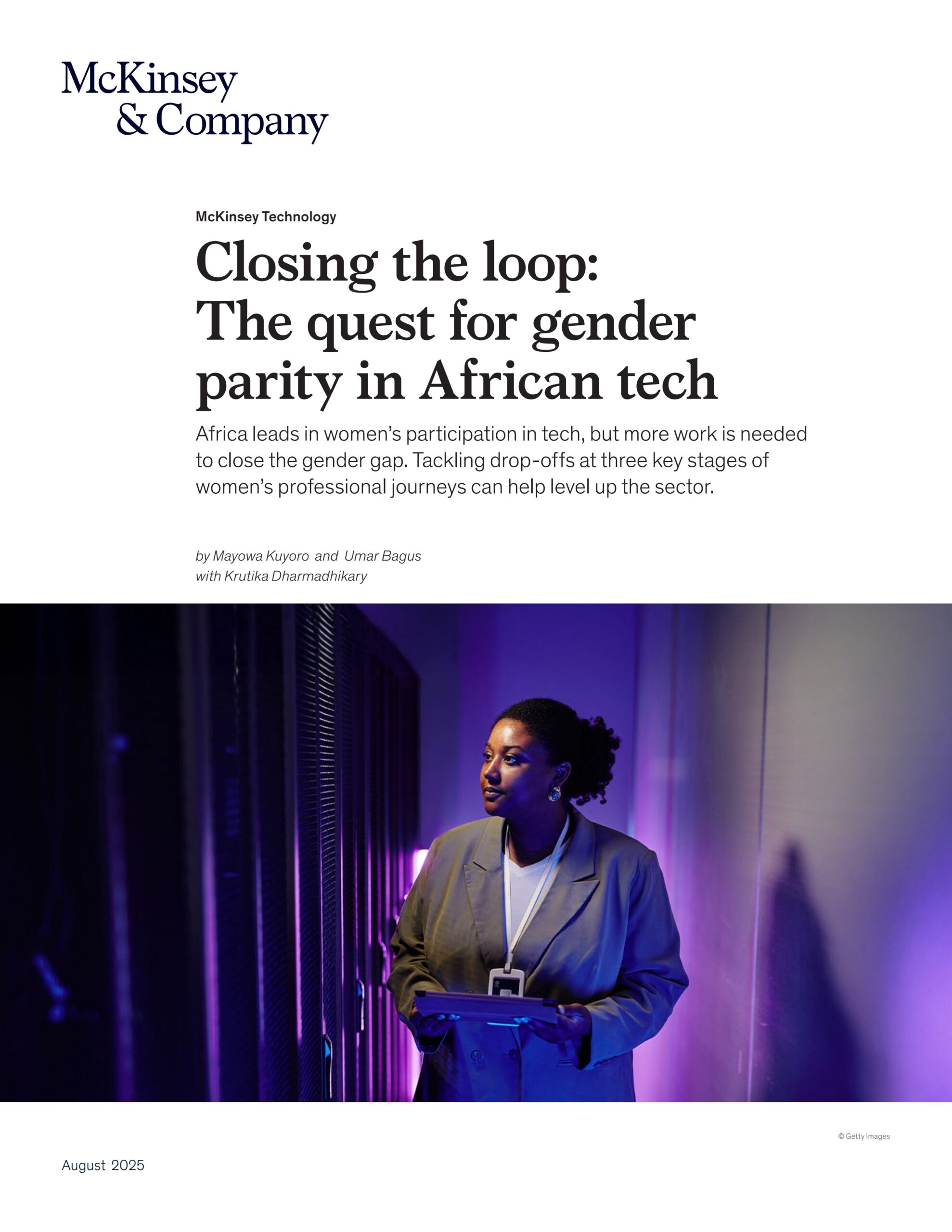
Closing the loop: The quest for gender parity in African tech
This report examines gender parity in Africa's technology sector. While Africa leads in women's STEM representation globally, significant drop-offs occur at key career stages. The research identifies barriers such as biases and funding gaps, offering actionable strategies to enhance recruitment, support career progression, and increase access to start-up financing.
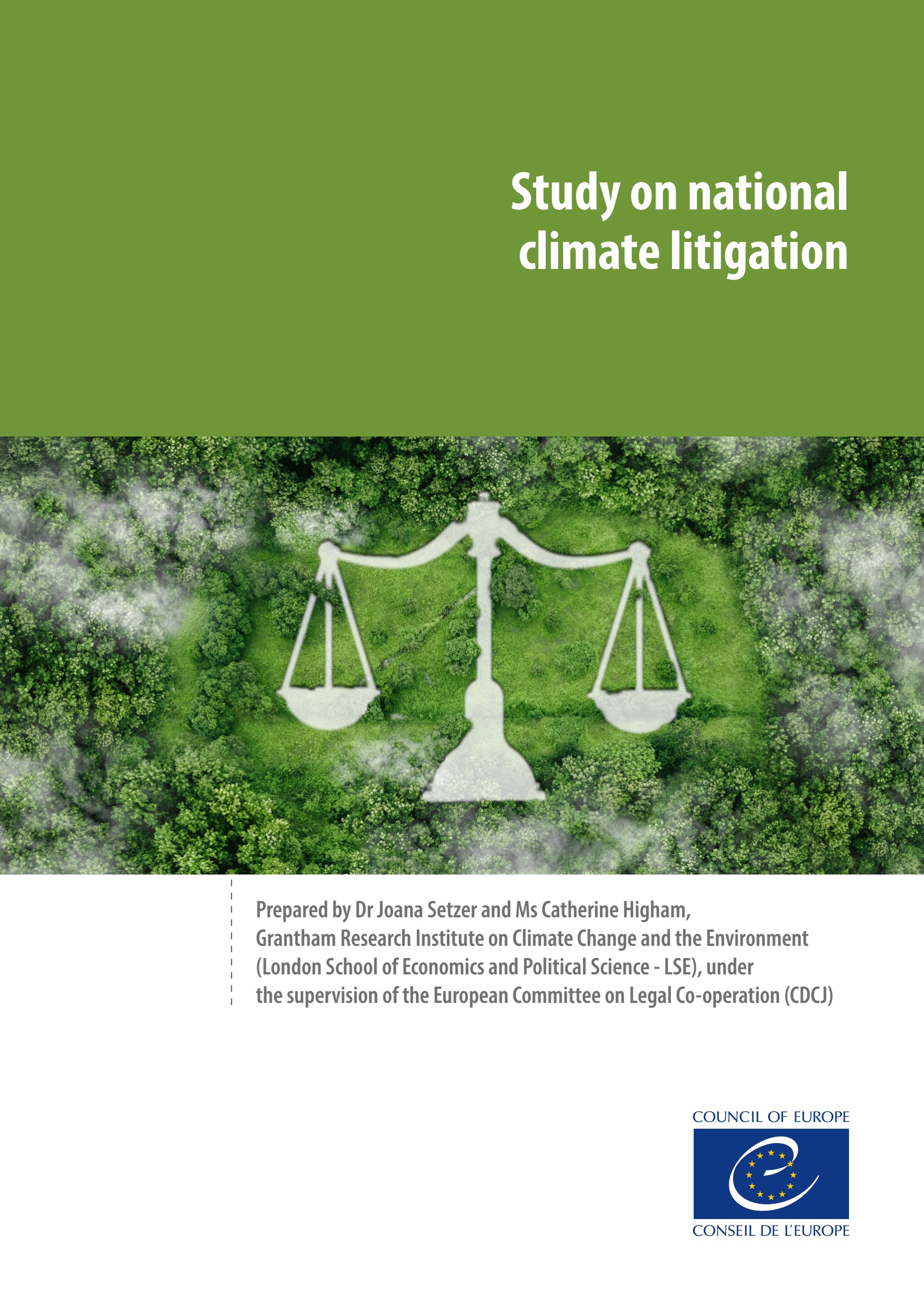
Study on national climate litigation
This report analyses strategic climate litigation trends across Europe, examining cases against states and corporations. It highlights key legal strategies, including human rights claims and polluter-pays mechanisms, while assessing the challenges of enforcing damages and the evolving obligations of governments and high-emitting businesses.
AI corporate governance and Ben & Jerry’s risk
This report analyses the governance structures of OpenAI, Anthropic, and Ben & Jerry’s. It examines the risks of appointing independent guardians to prioritise social missions over shareholder profits. The findings highlight how fully insulated guardians can harm investors and undermine their own missions without proper accountability mechanisms.
The European chemical sector's influence on biodiversity policy
This report analyses how major European chemical companies and industry associations influence biodiversity policy in the EU and US. It reveals that no assessed company aligns fully with science-based biodiversity goals, highlighting oppositional lobbying against critical regulations concerning pesticides, PFAS, and harmful chemicals.
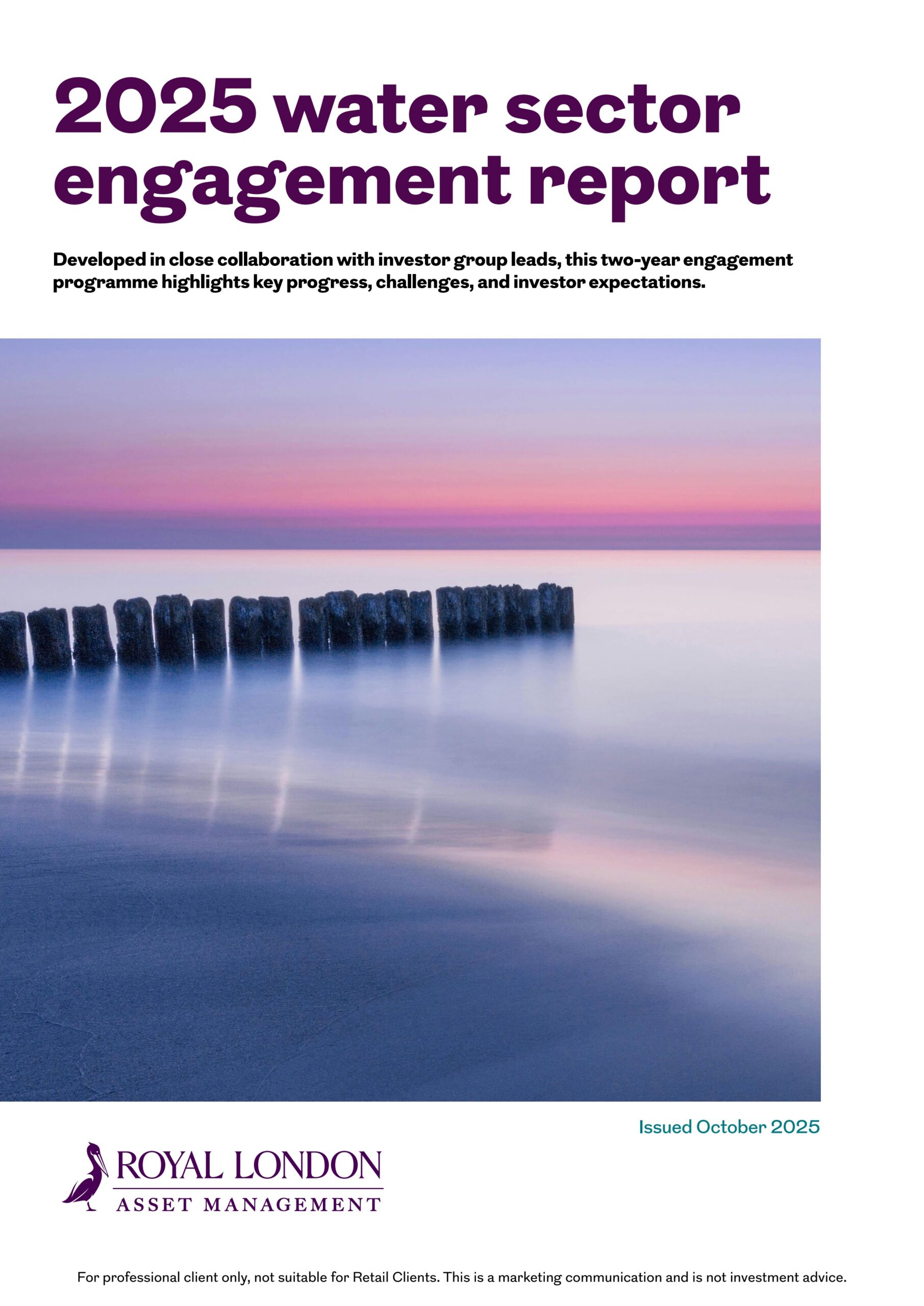
2025 Water sector engagement report
Royal London Asset Management's 2025 report presents findings from a two-year engagement programme with 11 UK water utility companies across four pillars: climate change adaptation, biodiversity, affordability, and antimicrobial resistance. Nearly all companies showed improvement from baseline scores, with biodiversity recording the most notable progress.
Optional shareholder voting
This paper examines optional shareholder voting by institutional managers (IMs) using newly available SEC data on say-on-pay votes. Only 44% of IMs vote, yet their aggregate voting footprint is twice that of mutual funds. IMs use voting as a monitoring tool, with larger positions associated with greater opposition to management.


