
Library | Things to learn
Solutions and alternatives to current business, finance, and economic systems and theories
Refine
201 results
REFINE
SHOW: 16


Governing the commons: The evolution of institutions for collective action
Elinor Ostrom examines the management of common-pool resources such as rivers, bridges and grazing areas. Ostrom discusses the ‘tragedy of the commons’ and environmental, economic and social threats to common-pool resources. Ostrom applies political and economic theory and policy literature to discuss potential solutions and challenge conventional approaches.

Investing in low-carbon transitions: Energy finance as an adaptive market
This article explores the role of financial markets in capitalising low-carbon energy systems and long-term change. Ultimately, the authors contend that current assumptions on efficient market behaviour do not fit the energy industry, and to reliably capitalise on low-carbon transitions, an adaptive market assumption should be held.

Winning without win-win? Recommendations on financial market strategies for biodiversity and nature
Expert recommendations for investors regarding financial market strategies to address urgent risks in biodiversity and nature, including examples of meaningful market actions and critique of 'win-win' thinking in investment decision-making. Recommendations drawn from a private cross-sectoral dialogue hosted by Preventable Surprises in February 2021.
Universal circular economy policy goals: Enabling the transition to scale
As industries and governments move towards the circular economy, clear and aligned direction is needed for a rapid transition to scale. This paper proposes five universal policy goals that can help governments build healthier economic recoveries and lower the costs of transition for businesses across sectors.

Implementing the Taskforce on Climate-Related Financial Disclosures (TCFD) recommendations: A guide for asset owners
The guide sets out a practical framework to support asset owners in implementing the Taskforce on Climate-related Financial Disclosures (TCFD) recommendations. The guide focuses on the actions that asset owners can take to improve processes around governance, strategy, risk management and metrics/targets for managing climate risks and opportunities.
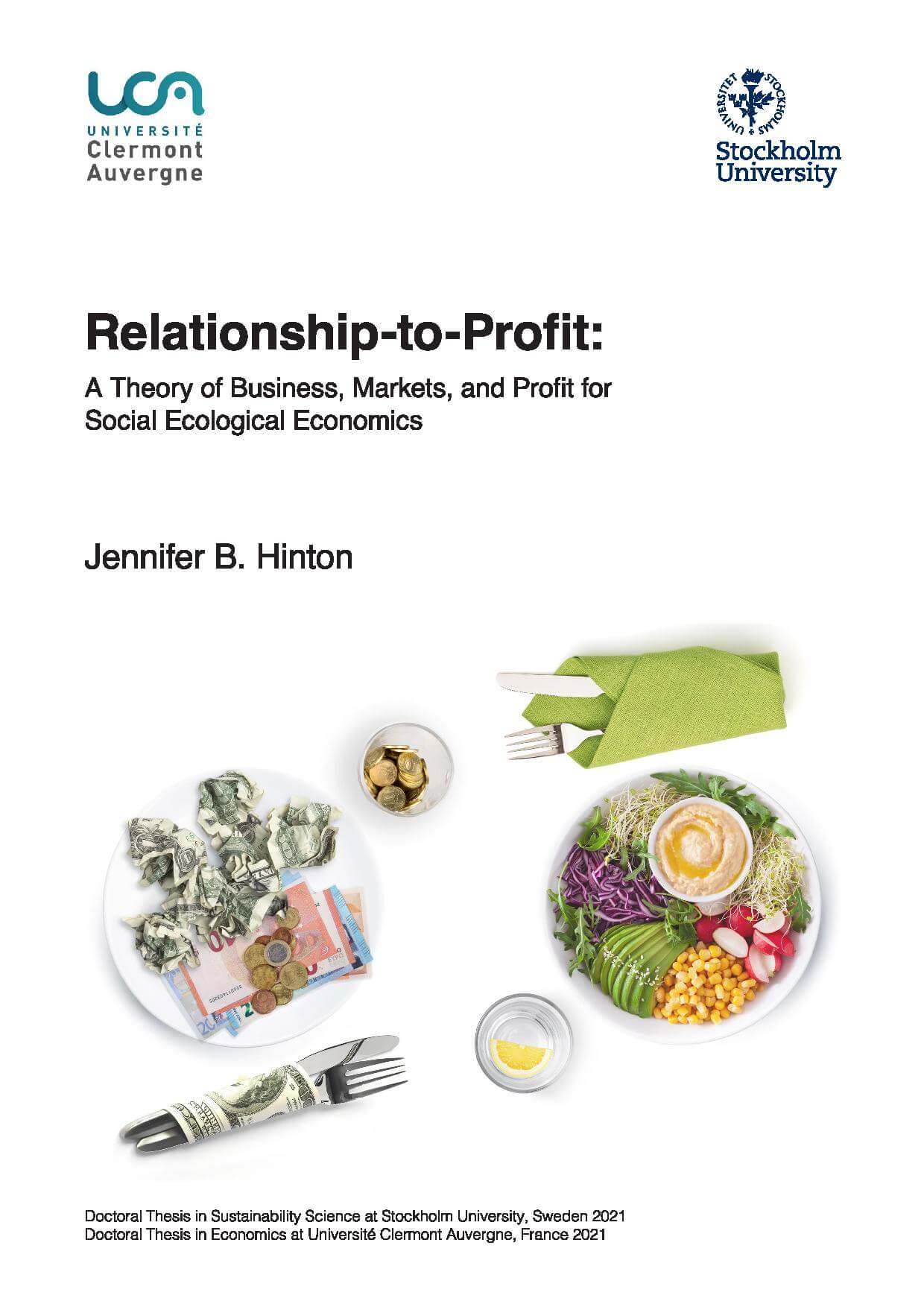
Relationship-to-profit: A theory of business, markets, and profit for social ecological economics
Supporting post-growth transformation, this doctoral thesis posits a new theory: relationship-to-profit theory. This explains the social and ecological implications of how businesses relate to profit, and argues that for economies to be sustainable businesses and markets should treat profit as a means rather than an end-in-itself.

Digital financial services
Discusses the potential of digital financial services (DFS) to reduce poverty and promote economic growth. Analyses DFS role in financial inclusion within households and emerging markets and developing economies. Examines constraints of regulations and frameworks and provides case studies from countries that have enabled DFS in their economy.

Banking on a low-carbon future II: A ranking of the 20 largest European banks’ responses to climate change
This report ranks the 20 largest European banks based on their response to climate change as of the 6th December 2019. The report highlights that while the European banking sector is making progress in reflecting climate-related risks, there is need for greater integration of these risks fully into strategies, processes, risk management tools and transparency.

Getting to green: Showcasing leading approaches to climate change within the European banking sector
Banks are affected by climate change and have the ability to make an impact through their support and finance of certain industries. Banks must start setting precedent for ambitious climate disclosure. This paper provides recommendations on how banks can align their business models with the goals of the Paris Agreement.

Scaling finance for the Sustainable Development Goals
Explores the role of corporate partnerships and financial intermediaries that can scale finance and increase capital and activities in regions that are key for the realisation of the Sustainable Development Goals (SDGs). Through case studies, it illustrates various pathways for capital markets to maximise SDG investments at acceptable risk levels.
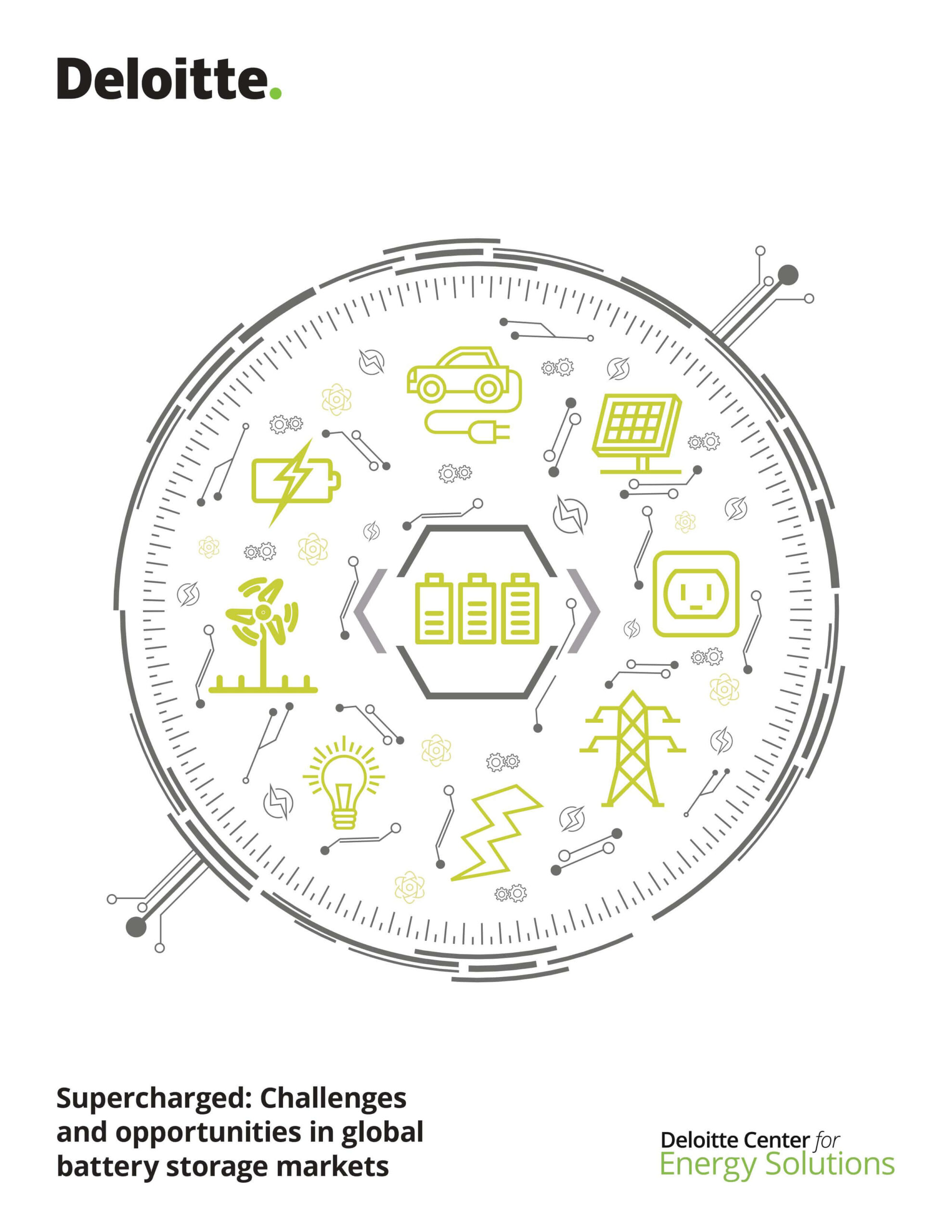
Supercharged: Challenges and opportunities in global battery storage markets
This reports analyses trends in the global battery storage market. It identifies key drivers as well as key constraints and identifies areas for policy makers to support its development.
SDG Compass: The guide for business action on the SDGs
This guide provides the tools, knowledge and expertise to assist businesses to formulate a strategy that puts sustainability at the core of its approach. Presenting five steps that direct businesses on how to align strategies and how to quantify and oversee commitments to the Sustainable Development Goals.

Final report: Recommendations of the Task Force on Climate-related Financial Disclosures
This report contains the final recommendations of the Task Force on Climate-related Financial Disclosures. It includes information on climate-related risks and opportunities, scenario analysis, and guidance to support organisations from all sectors to make climate-related financial disclosures consistent with these recommendations.
Sustainability, well-being, and economic growth
Substantial reductions in economic growth for environmental and social sustainability may be unnecessary. Policies and market signals are required to conserve natural resources, equally distribute wealth and mitigate the impacts of climate change. It is argued that environmental and social goals are of greater importance in meeting the needs of society than economic development.
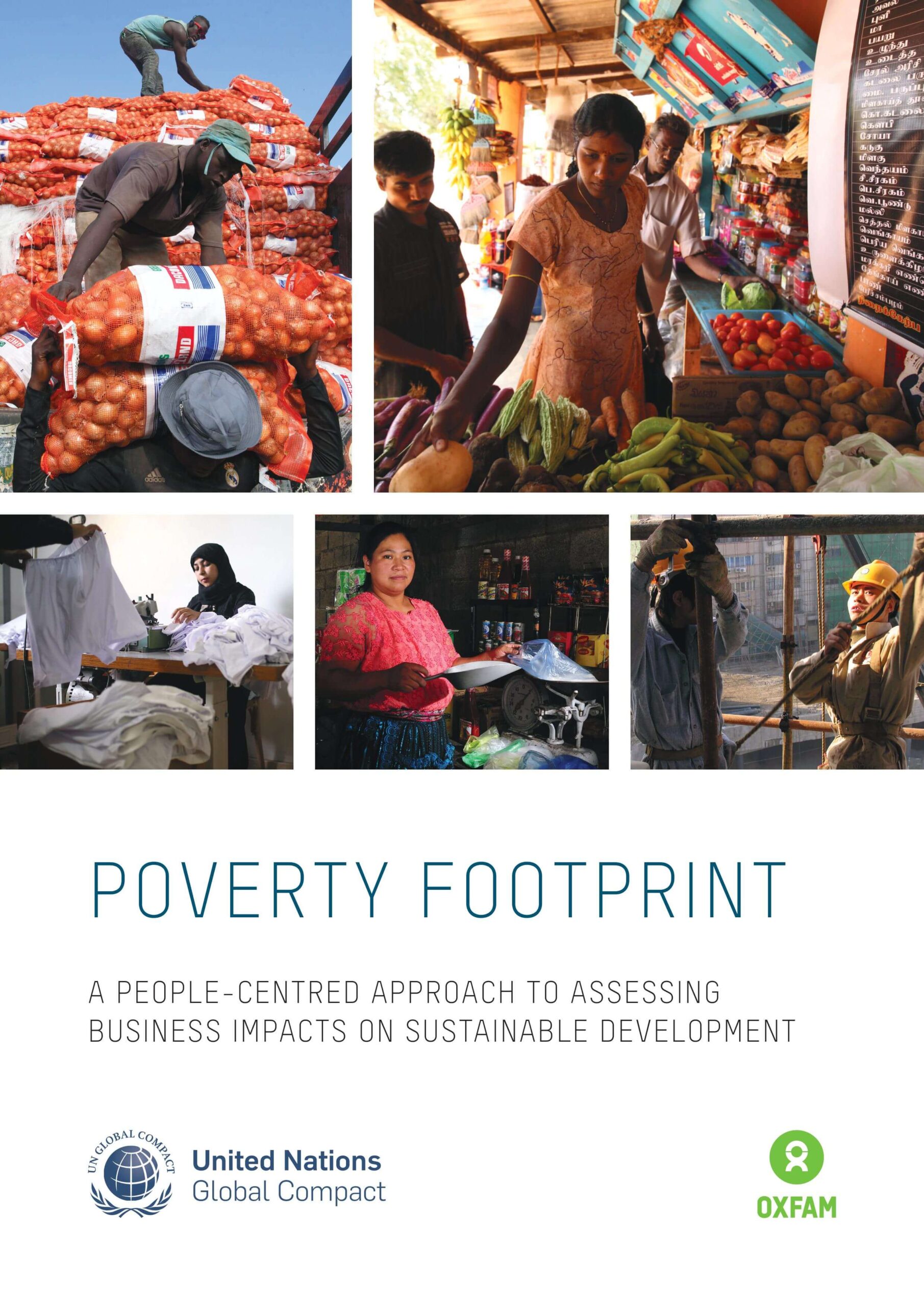
Poverty Footprint
The Poverty Footprint is a tool that enables companies and partners to implement a people-centred assessment of corporate impacts on poverty. The report is used to better understand the impacts of operations and value chain on people and poverty, and to turn this learning into action.
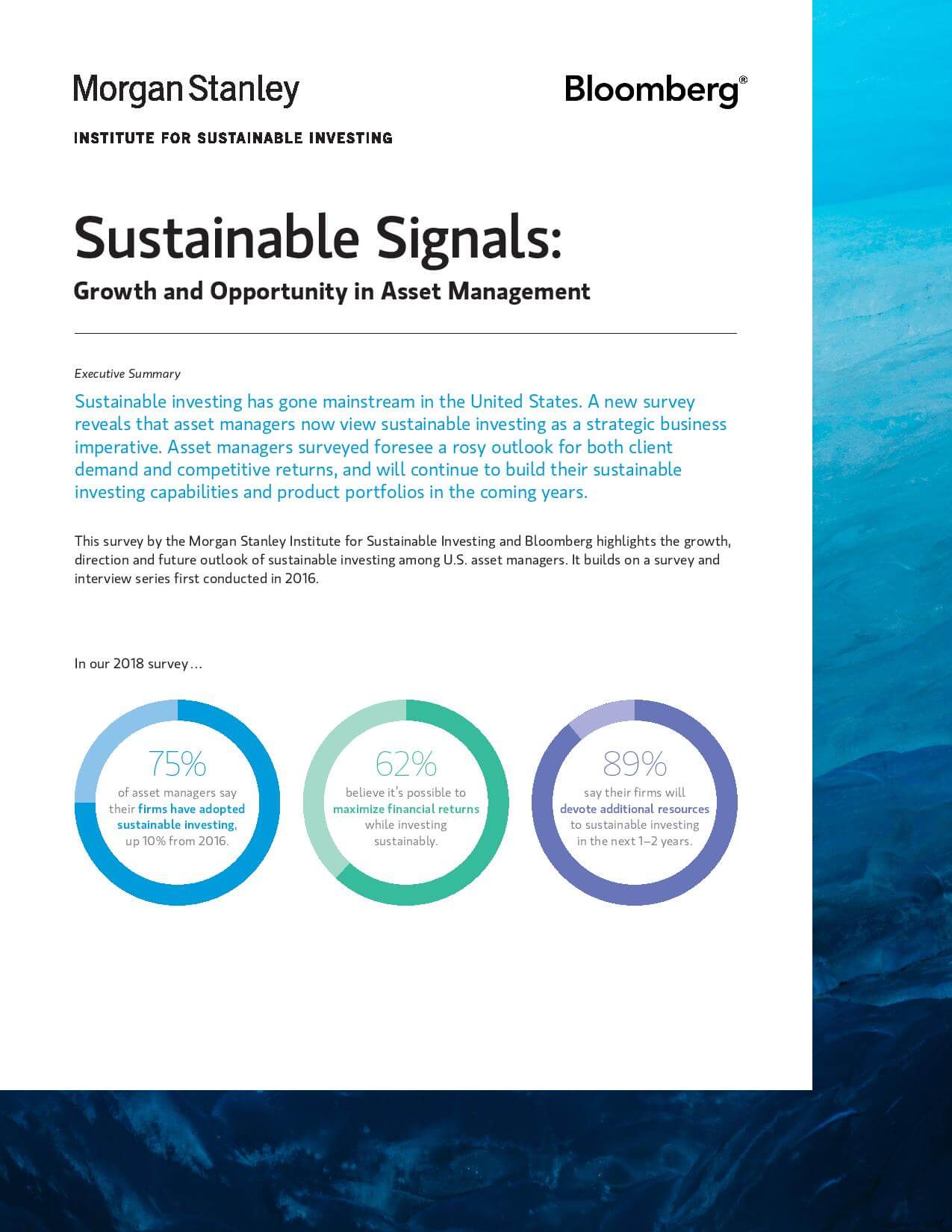
Sustainable signals: Growth and opportunity in asset management
Morgan Stanley Institute for Sustainable Investing and Bloomberg L.P. report highlights how sustainable investing has transformed from a given fiduciary duty into a strategic business imperative in the financial markets. Asset managers in the U.S. perceive this shifting investment landscape as a new opportunity to create increasingly competitive returns and more productive portfolios in the coming years.


