
Library | ESG issues
Climate Change
Climate change, driven by human-induced greenhouse gas (GHG) emissions, is increasing global temperatures and extreme weather events. Major GHGs like carbon dioxide and methane primarily come from burning fossil fuels, deforestation, and agriculture. Key sectors contributing to emissions include energy, industry, transport, buildings, and land use, making mitigation and adaptation essential for environmental and economic stability.

Refine
1177 results
REFINE
SHOW: 16


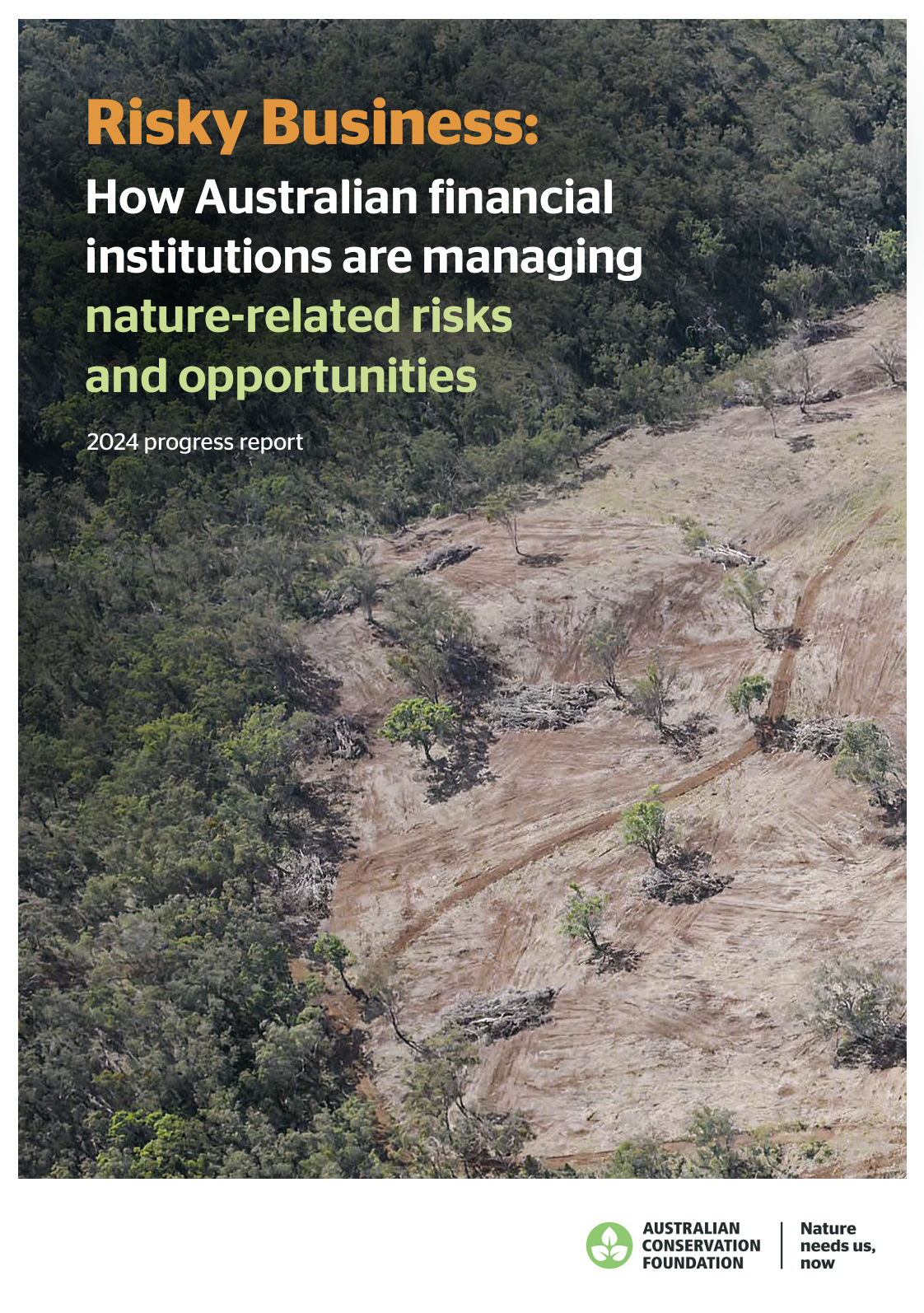
Risky business: How Australian financial institutions are managing nature-related risks and opportunities
This report assesses how ten banks and ten super funds in Australia are addressing nature-related risks and opportunities. It evaluates their strategies, risk management, target setting, and stakeholder engagement, highlighting areas of progress and identifying where further action is needed to mitigate financial risks associated with nature loss.
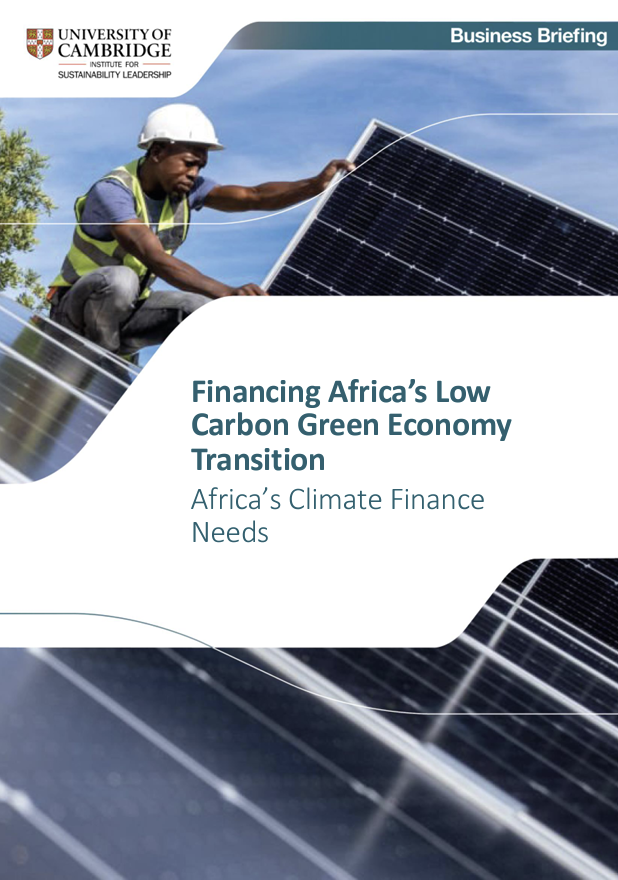
Financing Africa's low carbon green economy transition: Africa's climate finance needs
This report outlines how African states must spend at least US$2.5tn by 2030 to meet climate commitments. It shows that emission reduction makes up close to 80% of spending, with plans for adaptation to climate change costed at US$418 billion.
Climate change litigation databases
The Climate Change Litigation Database is an online tool providing access to a comprehensive collection of global climate change litigation cases. It is designed to support legal and finance professionals by offering detailed information and insights into climate-related legal actions and decisions worldwide.
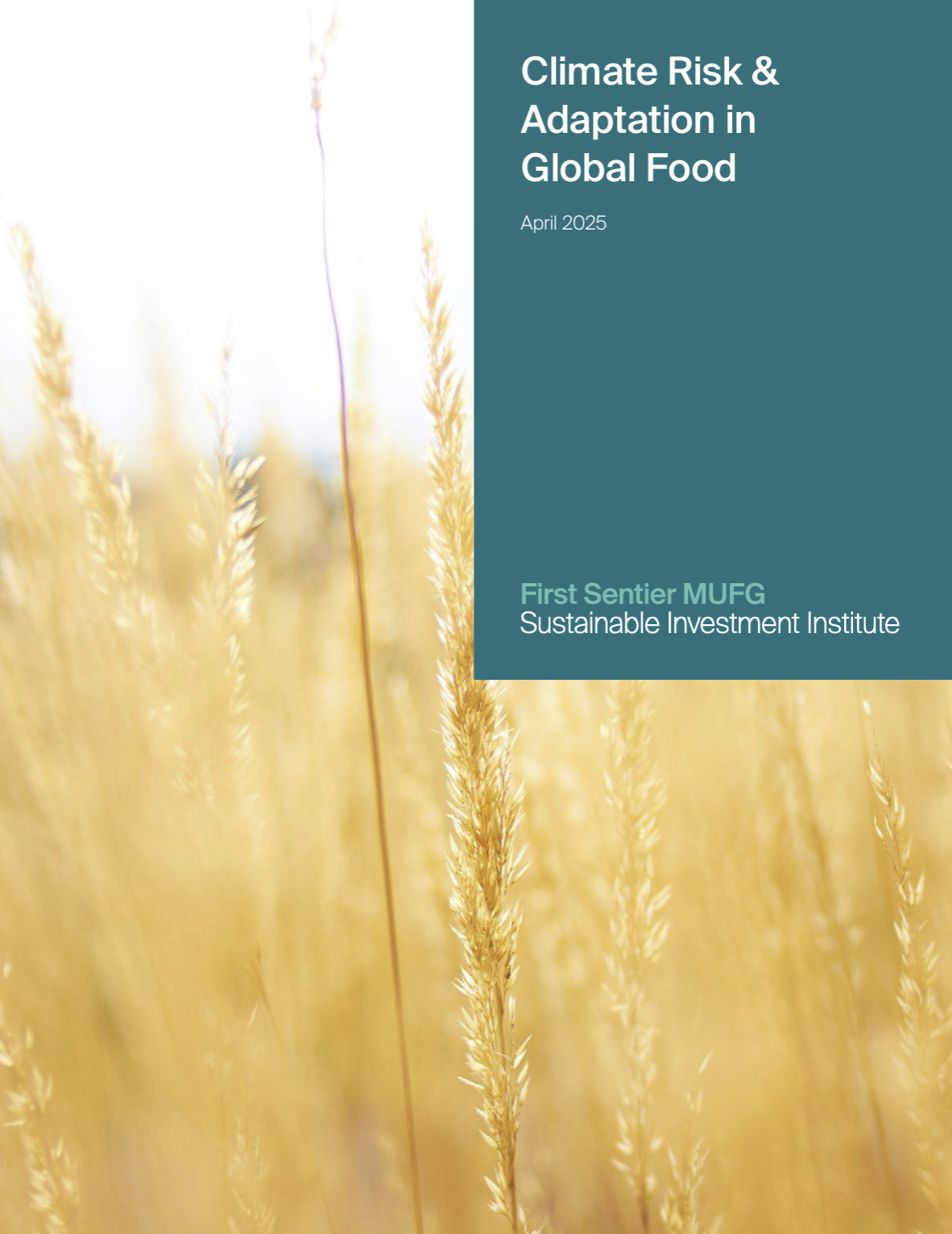
Climate risk and adaptation in global food
The report outlines rising climate risks to global food supply chains, projecting up to $38 trillion in damages by 2050. It explores mitigation and adaptation strategies across crops, livestock, and fisheries, and highlights investor actions to build resilience, support sustainable practices, and adapt to shifting market, environmental, and regulatory conditions.
Reconsidering the macroeconomic damage of severe warming
This study finds that accounting for global weather conditions significantly increases projected macroeconomic damage from climate change. Global GDP losses by 2100 may rise from ~11% to ~40% under high emissions. Incorporating global effects also reduces the optimal warming threshold from 2.7°C to 1.7°C, aligning with Paris Agreement targets.
AIGCC's the state of investor climate transition in Asia benchmark series
This benchmark series examines how Asian investors are approaching net zero and climate-aligned investment, including target setting, portfolio alignment, climate risk assessment, stewardship, investment strategies and barriers to implementation across asset classes and markets in Asia.
IGCC's state of net zero investment series
Annual survey-based analysis of net zero investment practices among 65 Australian institutional investors managing AU$4.2 trillion, covering climate targets, physical risk, engagement, disclosure, and governance.

Climate action 100+ net zero company benchmark
Climate Action 100+ focuses on 169 companies crucial to the global net-zero emissions transition. The tool provides assessments of these companies' alignment with climate goals, aiding investors in evaluating climate-related financial risks and opportunities.
Landing the economic case for climate action with decision makers
The report outlines strategies to better communicate the economic rationale for climate action to decision makers. It examines barriers, including limited capacity and political constraints, and recommends clearer economic framing, stronger narratives, and alignment with national development goals to drive engagement and support for climate policies.
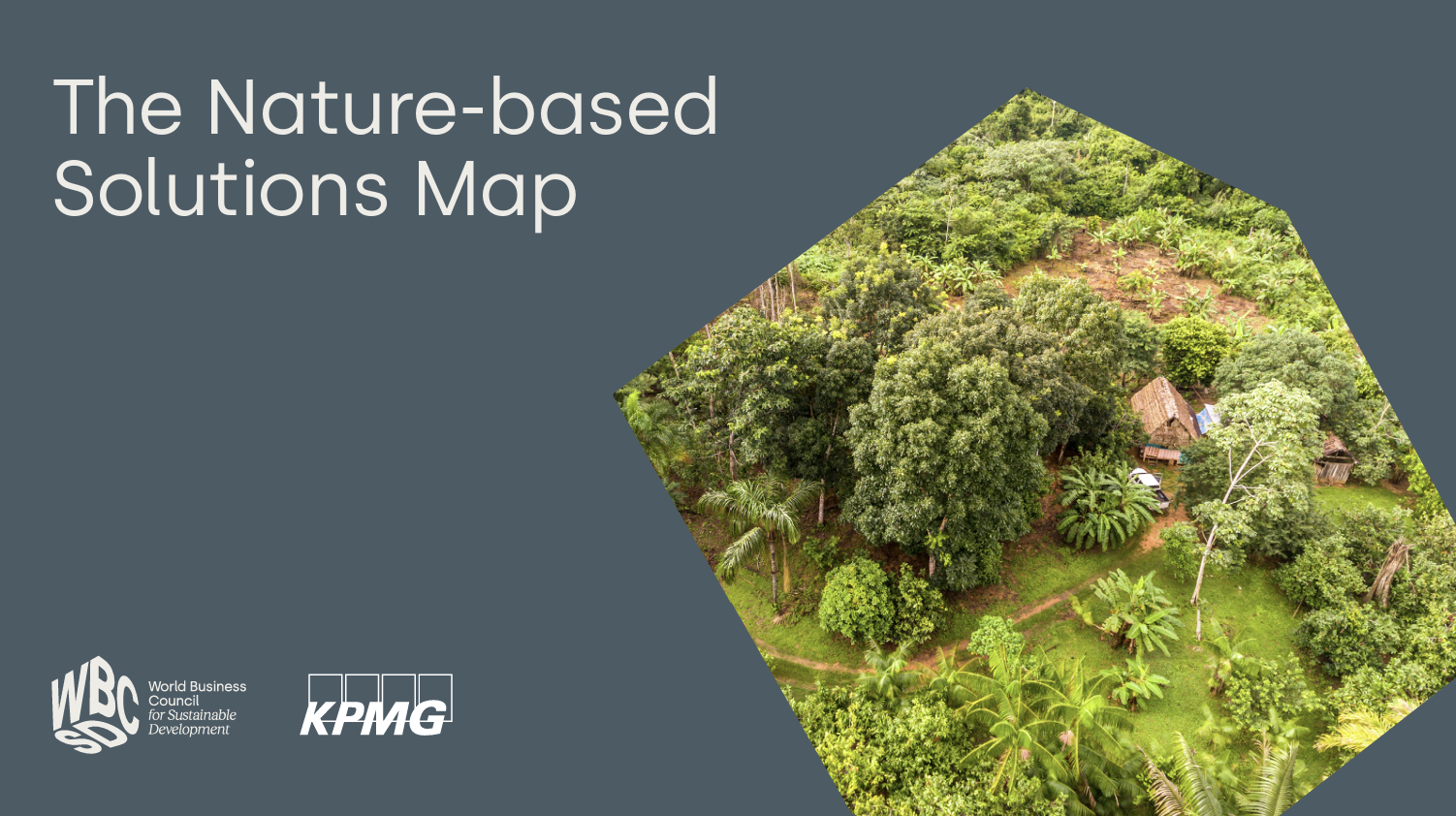
The nature-based solutions map
This tool is designed to help businesses identify relevant nature-based solutions (NbS) for addressing challenges related to core business operations, climate, nature, water, and social equity. It categorises NbS based on business needs and biomes, facilitating decision-making. The map serves as a starting point, requiring further development for implementation.
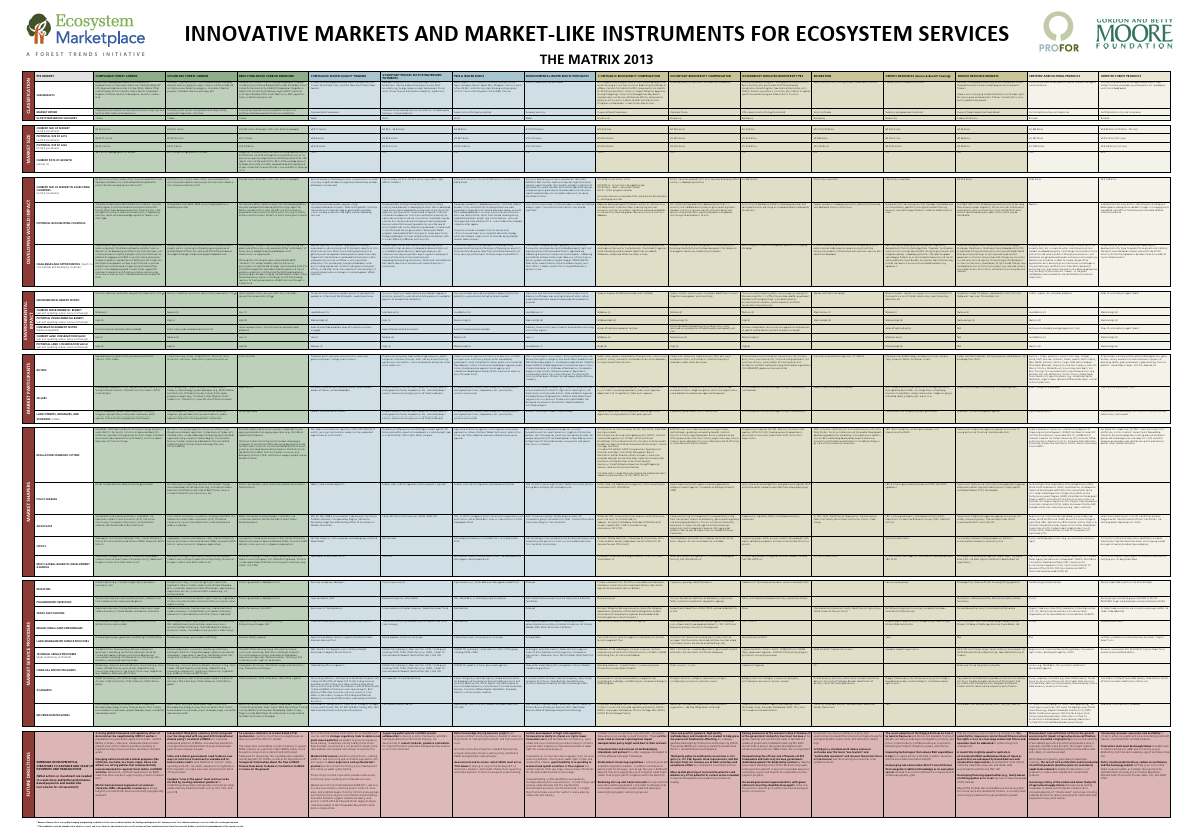
Innovative markets and market-like instruments for ecosystem services
This tool provides investors with a framework for evaluating and comparing different nature-based investment opportunities. It helps identify projects that offer the best combination of financial returns and environmental impact, supporting informed investment decisions.

Earth Security
Earth Security partners with companies, investors, and governments to quantify the economic value of ecosystems, promoting investments in nature-based solutions. Their initiatives include developing mangrove-positive investment funds and integrating natural infrastructure for climate resilience.
Environmental Finance's biodiversity insight series
This series explores the evolving role of biodiversity in sustainable finance, investment strategies, and regulatory developments. It examines biodiversity risk, natural capital investment, reporting frameworks, and financial instruments supporting conservation efforts. The series provides insights into emerging market mechanisms, data challenges, and the integration of biodiversity considerations into financial decision-making.

Australian Impact Investments (Aii)
Australian Impact Investments (Aii) is a specialist asset consulting firm dedicated to mobilising capital for positive social and environmental impact alongside financial returns. Established in 2014, Aii collaborates with charitable trusts, foundations, family offices, wealth advisors, and institutions, offering bespoke impact strategies, rigorous investment analysis, and comprehensive portfolio management. With a focus on responsible investing, Aii assists clients at every stage of their impact journey.
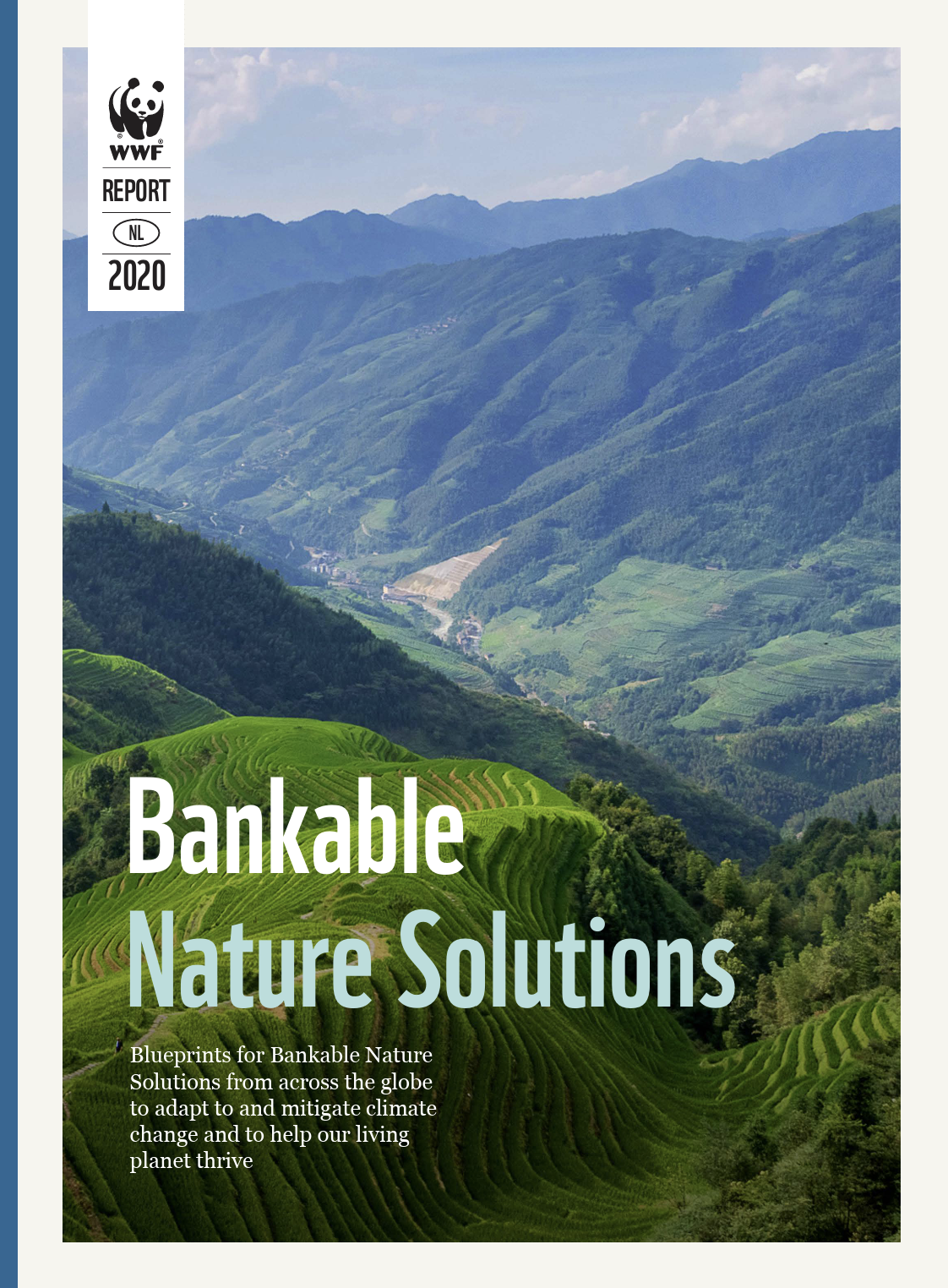
Bankable nature solutions
This report aims to support readers in understanding Bankable Nature Solutions (BNS) and start identifying and developing their own BNS project by providing Blueprints for Bankable Nature Solutions from across the globe to adapt to and mitigate climate change and to help our living planet thrive.
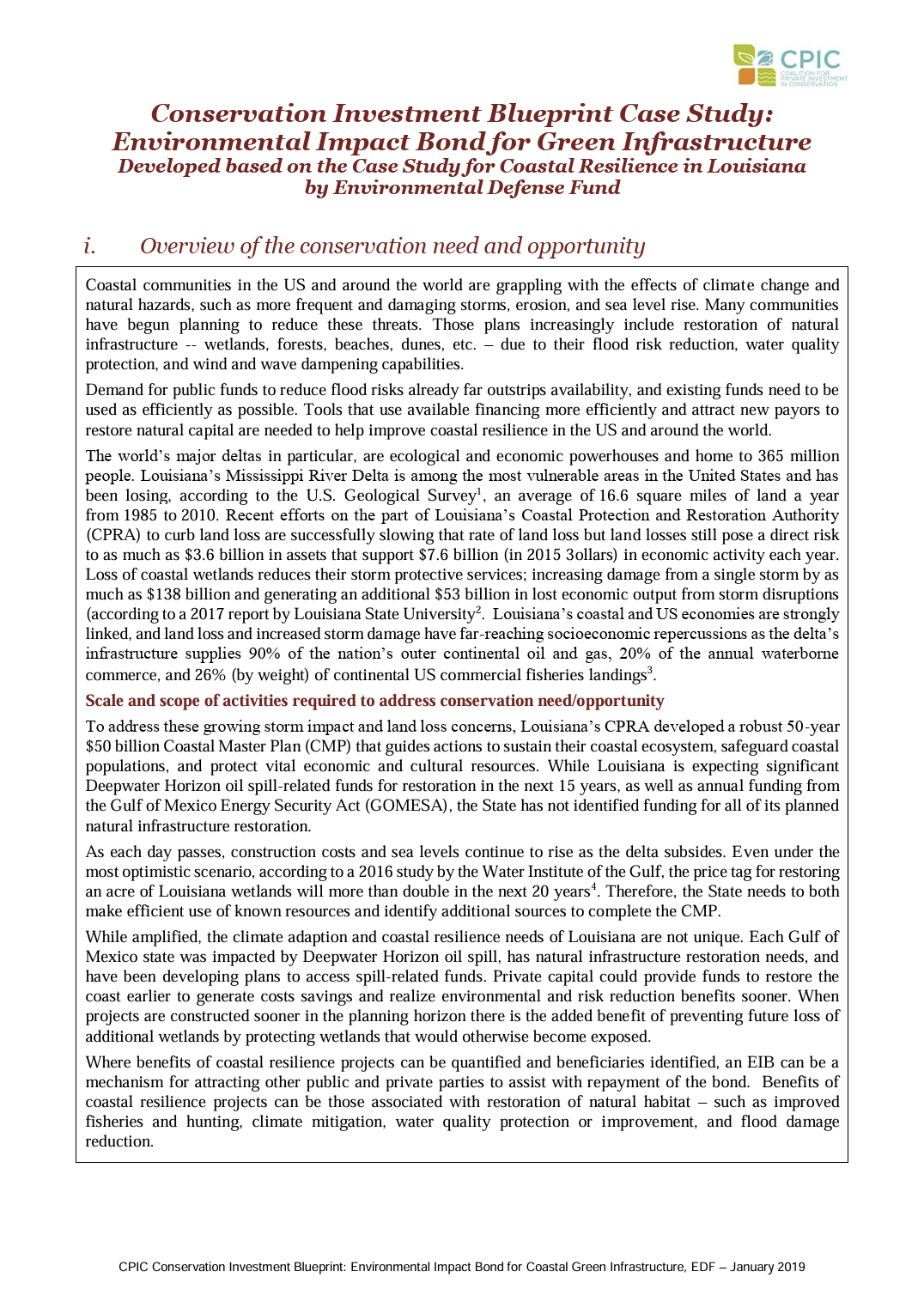
Conservation investment blueprint: Environmental impact bond for green infrastructure - coastal resilience
This case study outlines the Environmental Impact Bond (EIB) model for funding coastal resilience projects. It focuses on Louisiana’s wetland restoration to mitigate storm damage and land loss. The EIB attracts private investment, enabling earlier project implementation, cost savings, and ecological benefits. It aligns financial incentives with conservation goals through performance-based returns.


