
Library | ESG issues
Governance
The governance pillar in ESG (environmental, social, and governance) refers to the systems, policies, and practices that ensure an organisation is managed responsibly and ethically. It includes issues such as board structure, reporting & disclosures, shareholders & voting, and risk management. Strong governance reduces risks, enhances trust, and supports long-term business sustainability.
Refine
2256 results
REFINE
SHOW: 16


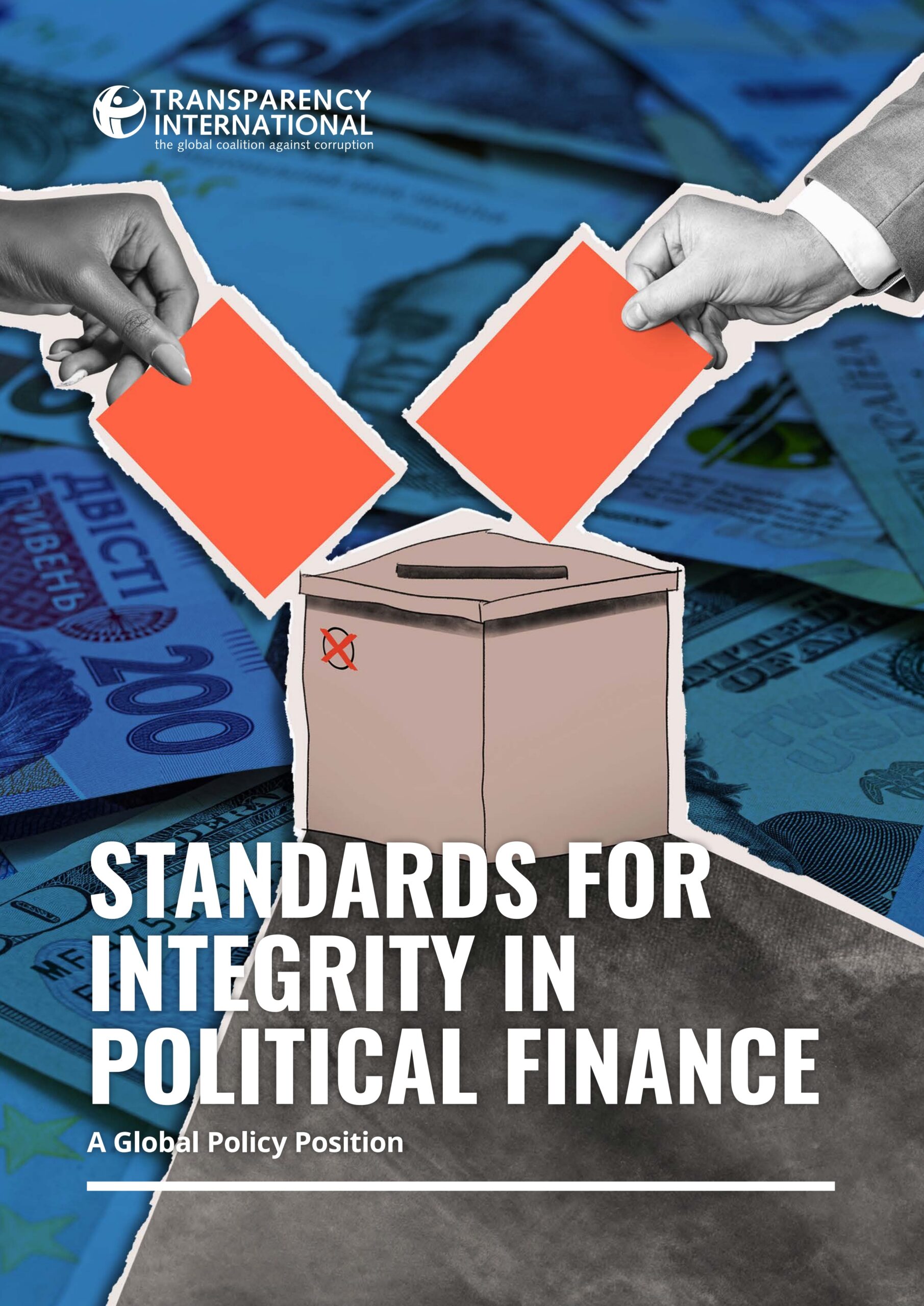
Standards for integrity in political finance: A global policy position
This report outlines global standards for integrity in political finance. It advocates for comprehensive reforms spanning transparency, limits on donations and expenditure, gender equality in funding, state neutrality, and robust accountability to prevent corruption and level the electoral playing field worldwide.
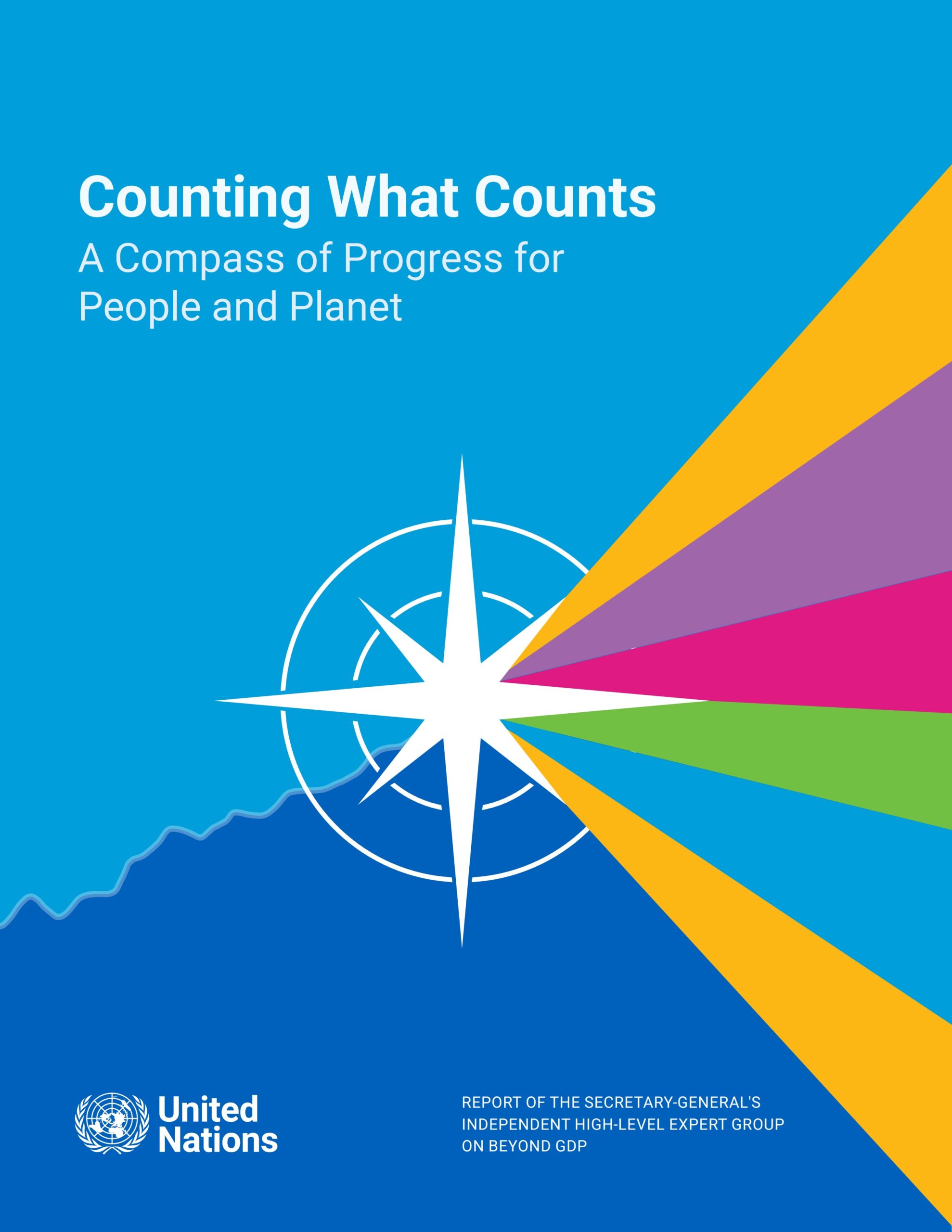
Counting what counts: A compass of progress for people and planet
This report presents a new framework and a dashboard of 31 indicators proposed by the UN High-Level Expert Group to measure societal progress beyond GDP. It emphasises equitable, inclusive and sustainable well-being, offering actionable recommendations for global adoption and enhanced statistical capacity by 2027.
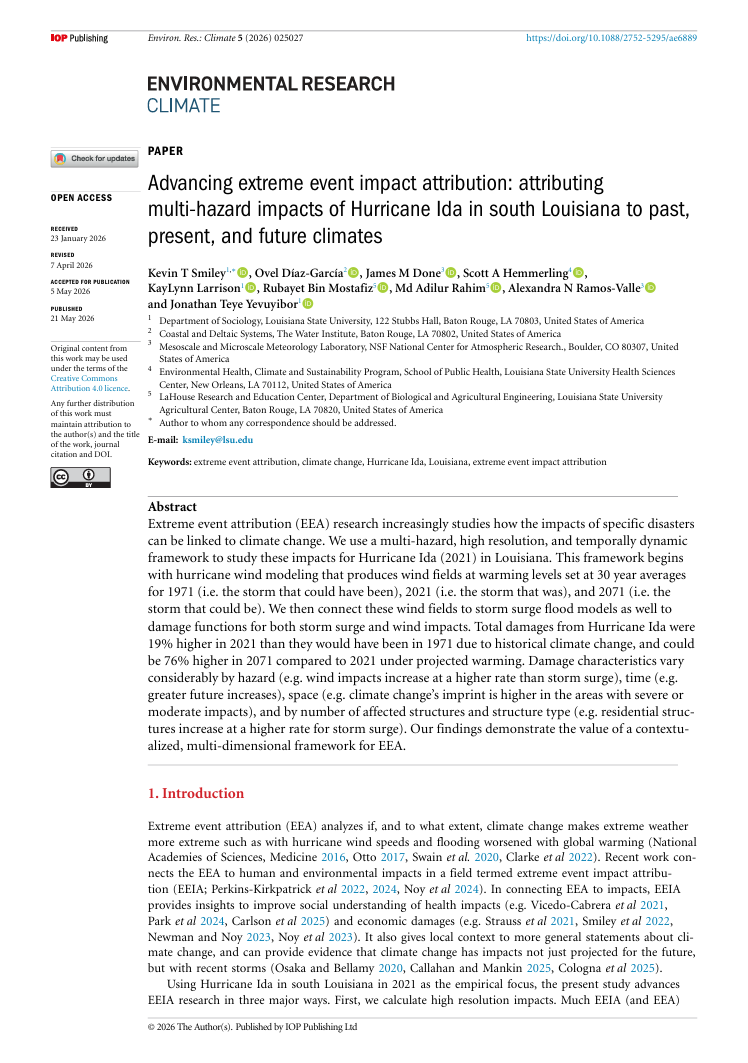
Advancing extreme event impact attribution: Attributing multi-hazard impacts of Hurricane Ida in south Louisiana to past, present, and future climates
This report examines the impacts of Hurricane Ida in south Louisiana, using a multi-hazard framework to attribute economic damages to historical and projected climate change. It finds that total damages were 19% higher in 2021 due to historical climate change and could be 76% higher by 2071.
Digitalisation and innovation: Opportunities and risks for financial health
This report examines the impact of digital innovation on financial health. It outlines opportunities in payments, credit, savings, and insurance, whilst highlighting emerging risks such as fraud, overindebtedness, and ill-suited investments. The authors propose policy responses to enhance regulatory frameworks and promote responsible digitalisation in financial services.
OHCHR Knowledge Gateway
The OHCHR Knowledge Gateway provides access to human rights knowledge, practices, and resources to support implementation of international standards.
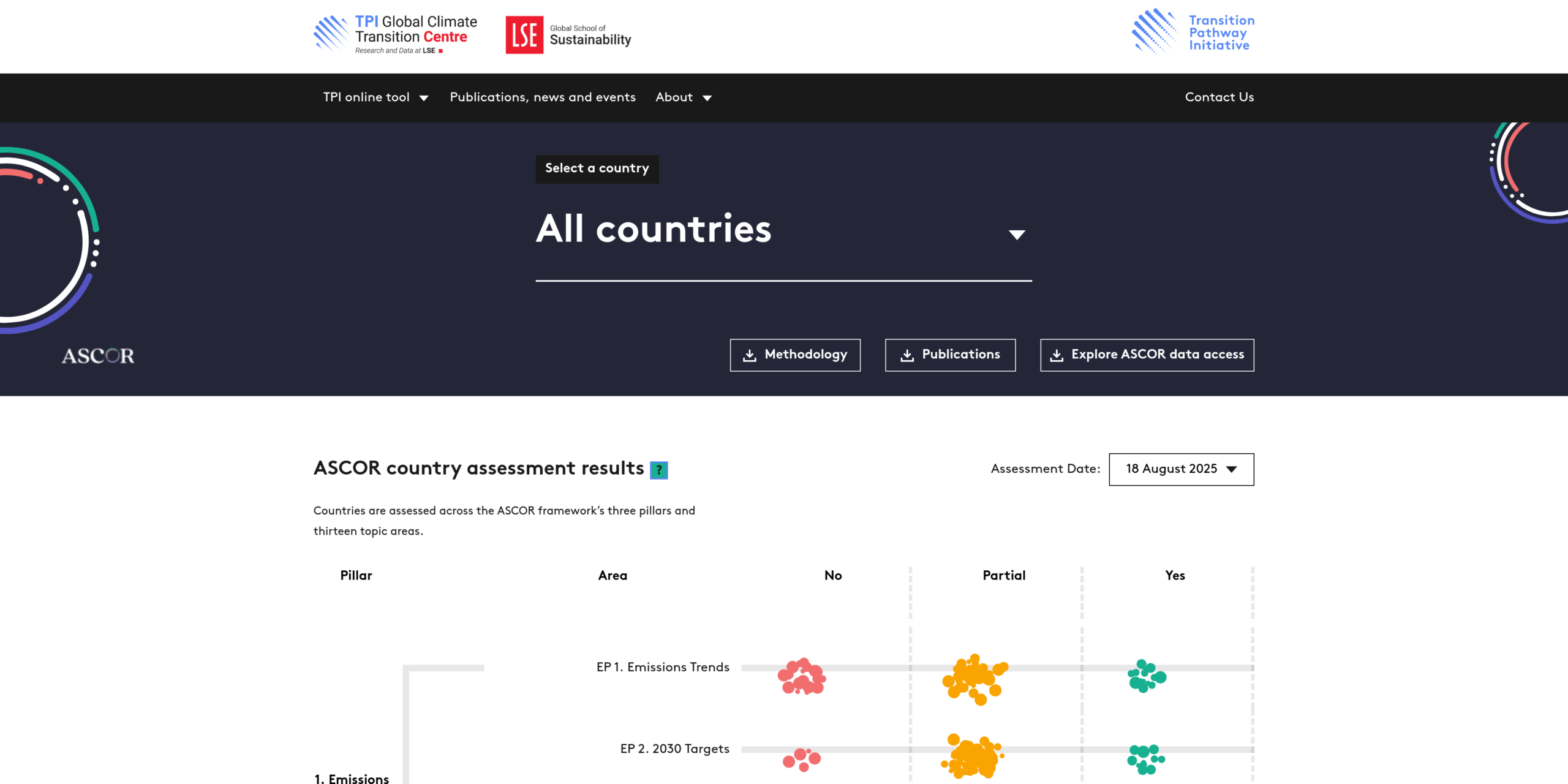
ASCOR Tool
The ASCOR Tool is an investor-led framework for assessing how countries manage the low-carbon transition and the impacts of climate change.
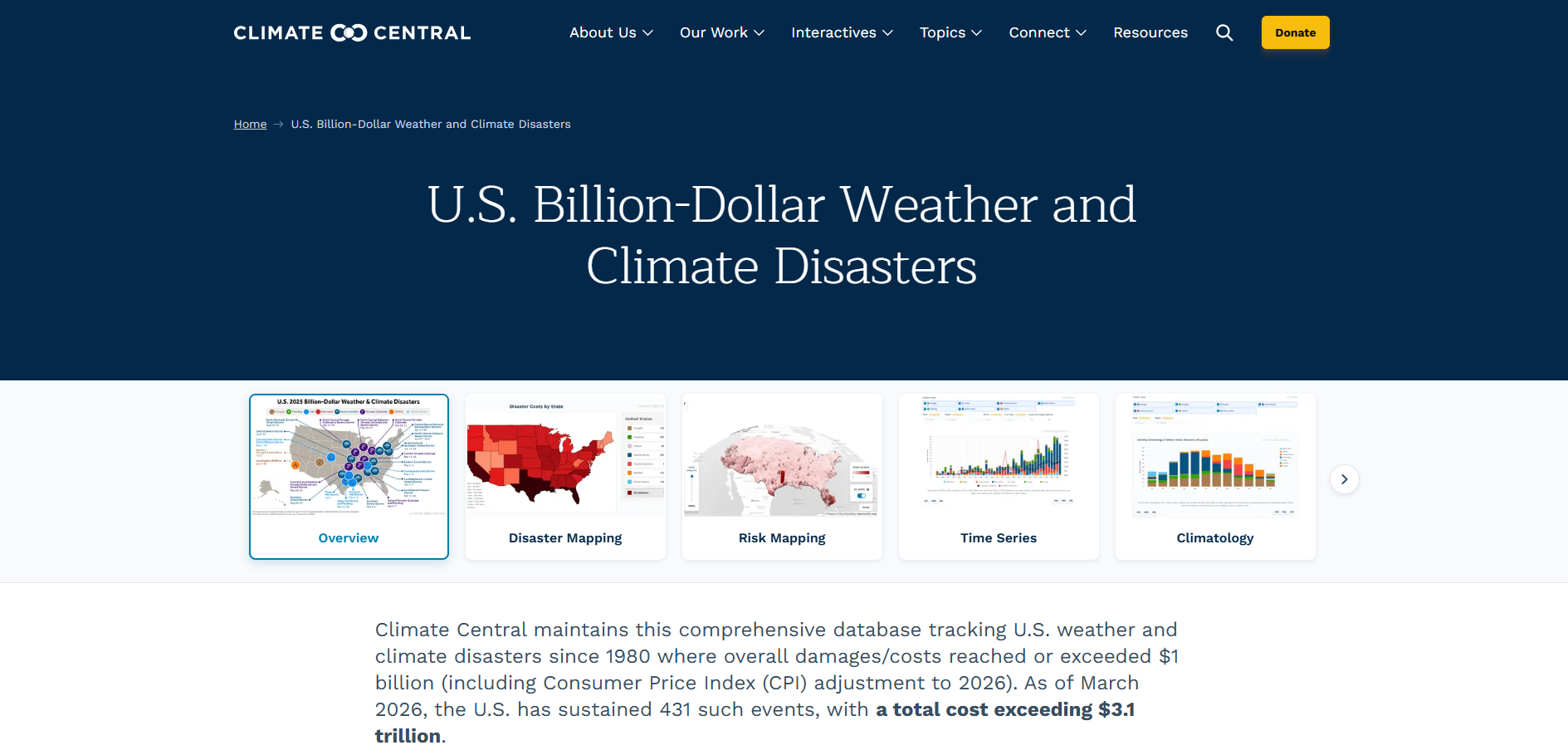
U.S. billion-dollar weather and climate disasters database
Climate Central’s database tracks the most costly U.S. weather and climate disasters since 1980, providing data on events causing $1 billion in damage.
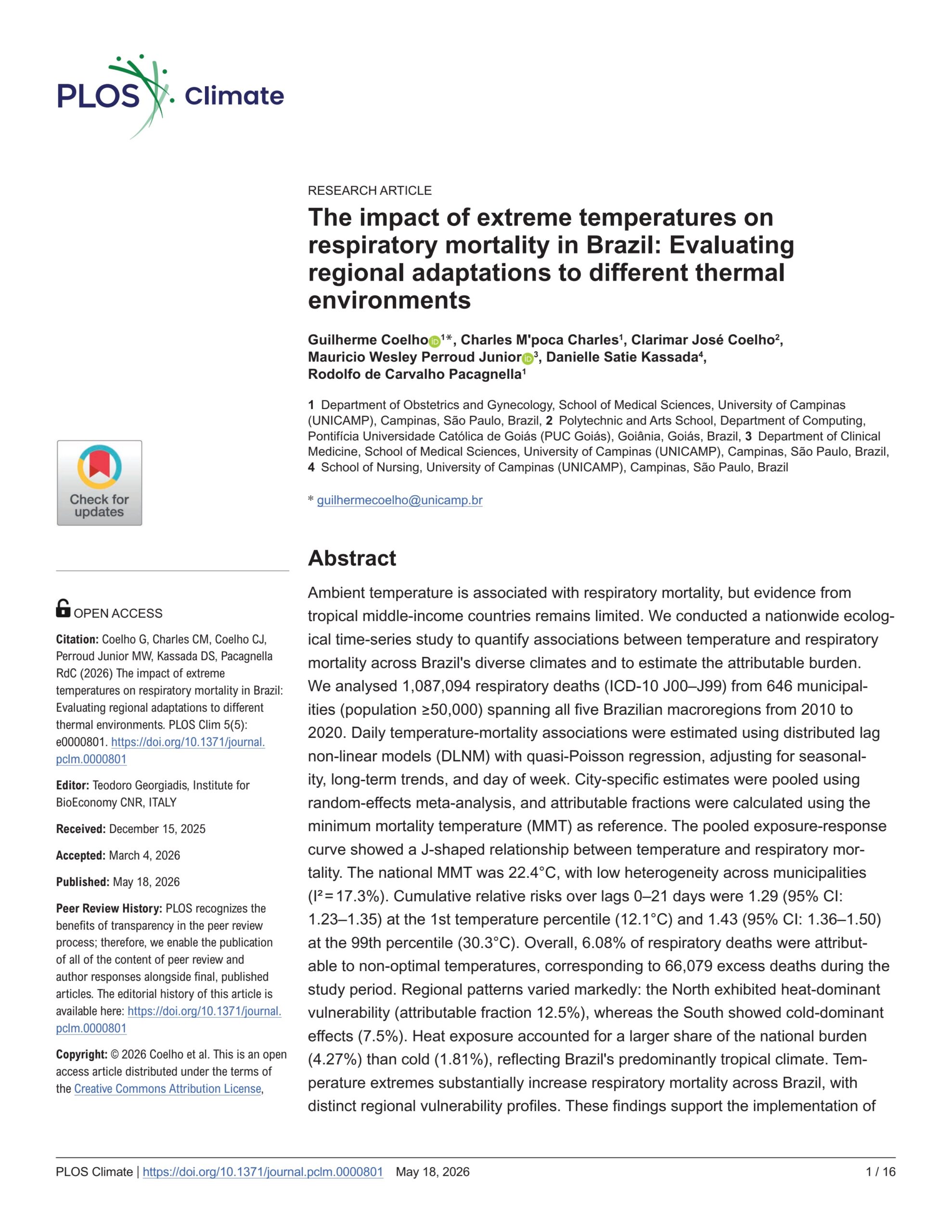
The impact of extreme temperatures on respiratory mortality in Brazil: Evaluating regional adaptations to different thermal environments
This report analyses the impact of extreme temperatures on respiratory mortality across 646 Brazilian municipalities from 2010 to 2020. Findings reveal a J-shaped exposure-response curve, with heat-related deaths dominating in tropical northern regions, whilst cold-related mortality predominates in the subtropical south, underscoring the need for region-specific climate adaptation policies.
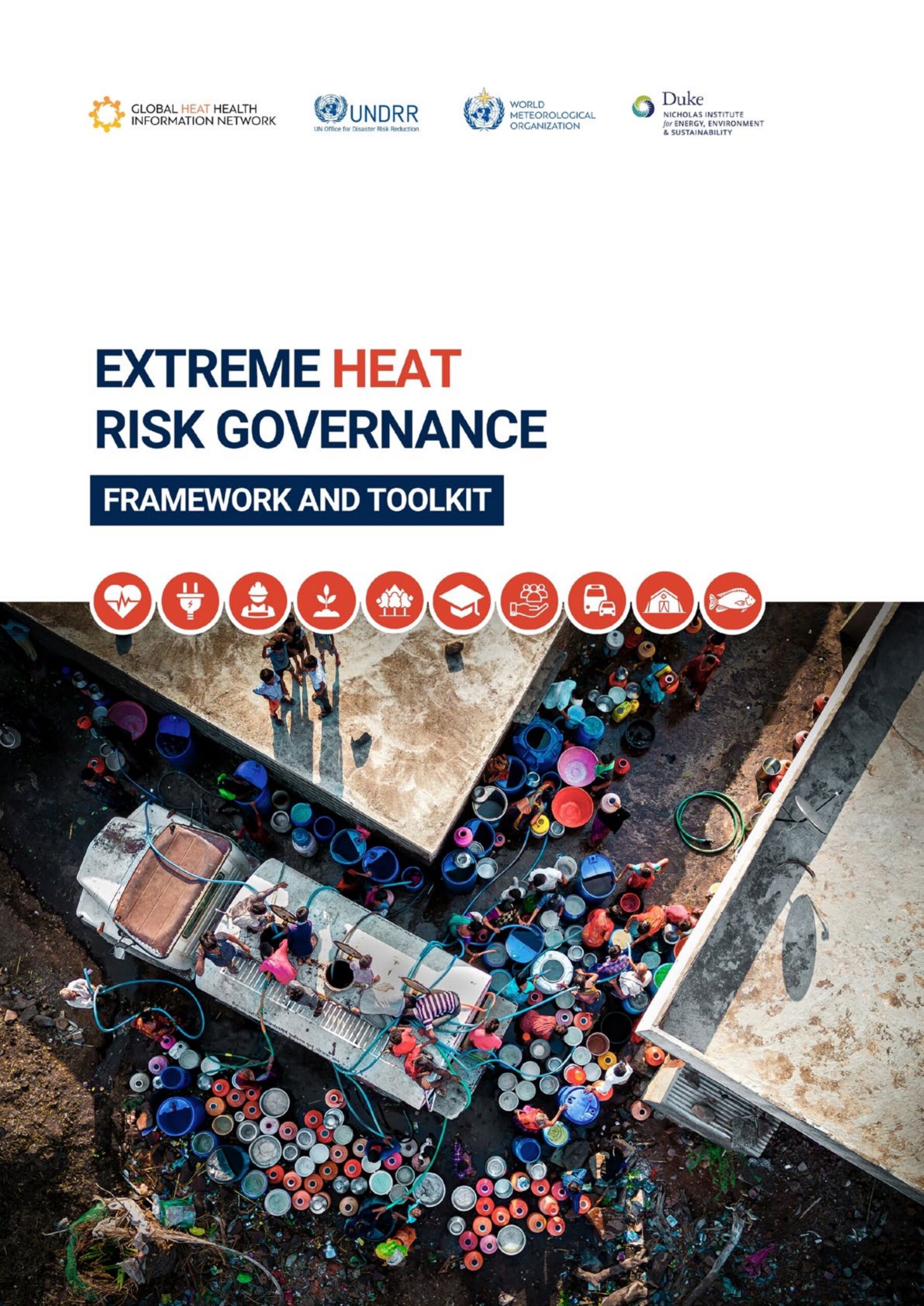
Extreme heat risk governance: Framework and toolkit
This report presents a comprehensive framework and toolkit to help governments and stakeholders manage extreme heat risk. It provides actionable guidance, a maturity assessment tool, and strategies to operationalise governance and develop effective heat action plans across multiple sectors and timescales.
The state of sustainable finance (2025-2030) global architecture, jurisdictional approaches and emerging trends
This report examines global sustainable finance architecture and institutional shifts from 2025 to 2030. It assesses regulatory approaches across nine major jurisdictions, highlighting the European Union as the benchmark. The analysis identifies structural trends, including transition finance scaling, nature risk integration, and the harmonisation of sustainability reporting.
Food systems and antimicrobial resistance: Impacts on food safety, animal production and trade
This report examines the impact of antimicrobial resistance in food systems on public health, animal production, and international trade. It highlights the role of food-borne pathogens and commensal bacteria in transmitting resistance, evaluates risk analysis models, and recommends enhanced surveillance, antimicrobial stewardship, and standardisation of global trade regulations.
Market-shaping states: A new theory of public sector capacities and capabilities
This report introduces a market-shaping theory of the public sector, arguing that governments must act as proactive co-creators of public value. It presents a three-layered framework of structural capacities, organisational routines, and dynamic capabilities to help states navigate socio-technical challenges, steer innovation, and drive sustainable societal transformations.
Aligning transition planning and financial planning: A guide for finance teams
This guidance assists finance teams in integrating transition planning into their organisation's core financial processes. It outlines steps to prepare, assess current positions, prioritise actions, and embed sustainability strategies into medium-term financial planning. The report provides practical frameworks for financing, improving decision-making, and monitoring progress towards climate resilience.
Leaning on uncertainty: Are European countries overrelying on carbon removals to reach climate targets?
This report analyses the climate strategies of six European countries and the European Commission, revealing a risky overreliance on unproven carbon dioxide removal technologies. It highlights fragmented planning, absent feasibility assessments, and policies contradicting scientific advice, warning that current approaches threaten effective climate action.
Mobilising trade associations as a force for good: A playbook for companies
This playbook outlines a five-step framework for companies to manage their indirect policy engagement through trade associations. It provides guidance on articulating science-based climate policy priorities, assessing association alignment, engaging to drive improvement, and rigorously reviewing memberships to ensure they support corporate sustainability targets.
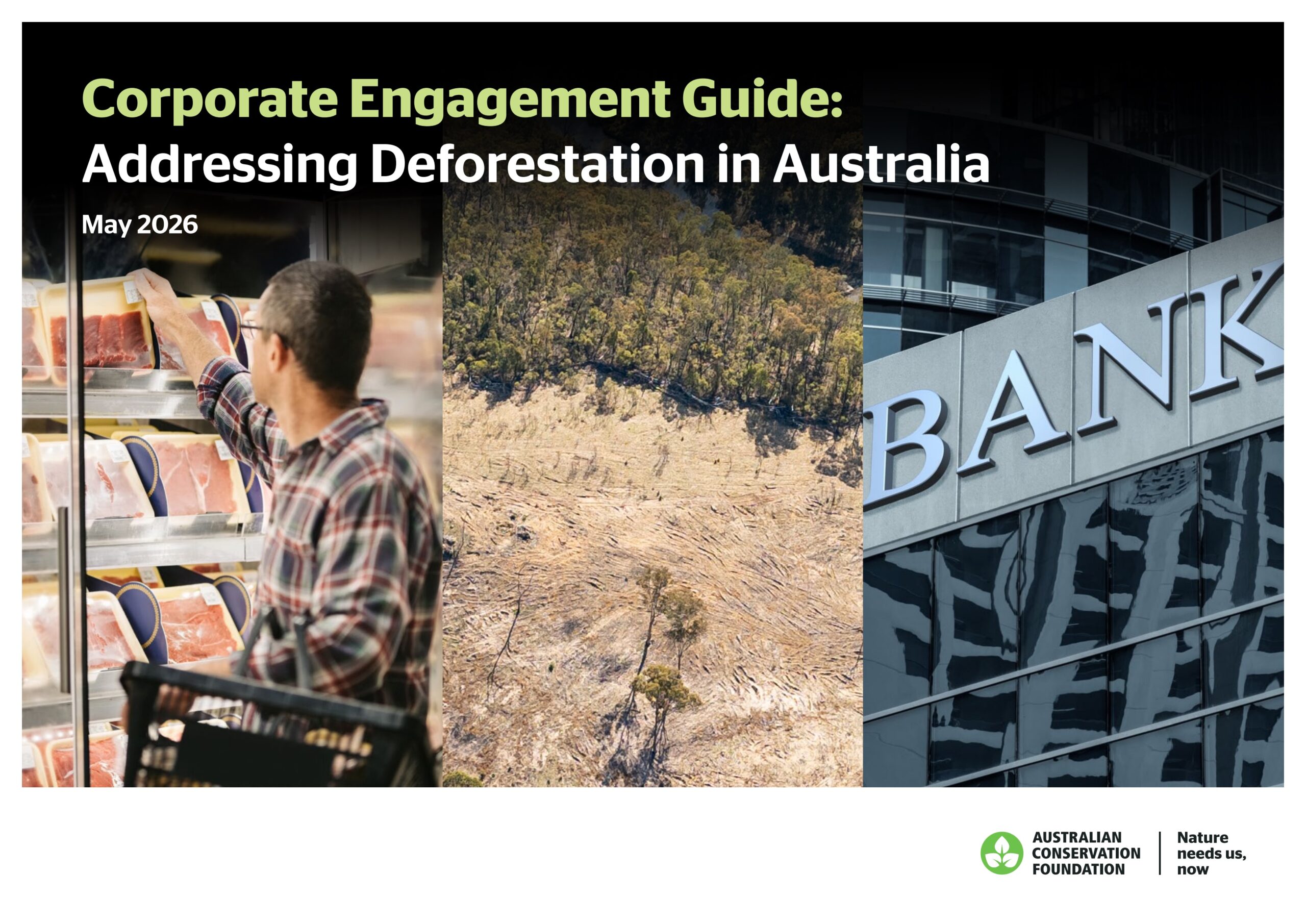
Corporate engagement guide: Addressing deforestation in Australia
This corporate engagement guide provides institutional investors with a step-by-step pathway to address deforestation within Australia's largest listed supermarkets and banks. It evaluates the current progress of major companies and offers actionable guidance to implement robust deforestation-free commitments, safeguard financial stability, and mitigate systemic economic risks.


