
Library | ESG issues
Governance
The governance pillar in ESG (environmental, social, and governance) refers to the systems, policies, and practices that ensure an organisation is managed responsibly and ethically. It includes issues such as board structure, reporting & disclosures, shareholders & voting, and risk management. Strong governance reduces risks, enhances trust, and supports long-term business sustainability.
Refine
2256 results
REFINE
SHOW: 16



Sub-Saharan Field Research and Consultancies (SFR)
Sub-Saharan Field Research and Consultancies (SFR) is a Nairobi-based organisation providing expert research, consulting, and training services across Africa. Specialising in social and environmental impact assessments, SFR supports sustainable development initiatives by delivering actionable insights. Clients include governments, NGOs, and private sector firms.

Project on Resources and Governance (PRG)
Project on Resources and Governance (PRG) focuses on improving natural resource governance to benefit local communities in resource-rich countries. Through research and partnerships with governments, organisations, and institutions, PRG aims to create evidence-based solutions that enhance resource management, reduce conflicts, and promote sustainable development.

Practical guide to minerals due diligence implementation
This guide provides practical steps for companies to implement due diligence in their mineral supply chains, aligning with OECD, SEC, and EU regulations. It focuses on establishing strong management systems, identifying and mitigating supply chain risks, and ensuring compliance with responsible sourcing standards to prevent human rights abuses and support ethical mineral sourcing practices.

International Peace Information Service (IPIS)
IPIS Research (International Peace Information Service) is an independent research institute focusing on conflict mapping, natural resources, and business and human rights in sub-Saharan Africa. Through in-depth analysis and field research, IPIS provides valuable insights for policymakers, NGOs, and businesses seeking to understand complex issues in these regions.

Responsible Minerals Initiative (RMI)
Responsible Minerals Initiative (RMI) helps companies ensure responsible mineral sourcing from conflict-affected regions. RMI provides tools, standards, and guidance for supply chain transparency, risk management, and ethical sourcing practices.

Alignment assessment of industry programmes with the OECD Minerals Guidance
The report evaluates the extent to which five industry programmes align with the OECD Due Diligence Guidance for responsible mineral sourcing. It highlights gaps and improvements in standards and implementation, focusing on due diligence, risk assessment, and audit practices across mineral supply chains.

An introduction to key ecological concepts, financial opportunities, and risks underpinning aspirations for nature positive
The report introduces key ecological concepts critical to achieving a nature-positive future. It outlines the financial opportunities and risks involved, emphasising the need for collaboration between ecologists and business professionals to effectively implement nature-positive strategies. The report also highlights the challenges and complexities in aligning ecological goals with financial instruments.

CDC Biodiversité
CDC Biodiversité is a French organisation focused on biodiversity conservation and sustainable development. It works on integrating biodiversity into economic activities, offering innovative solutions for businesses and policymakers. CDC Biodiversité promotes sustainable finance, environmental impact assessments, and nature-based solutions to address global biodiversity challenges.
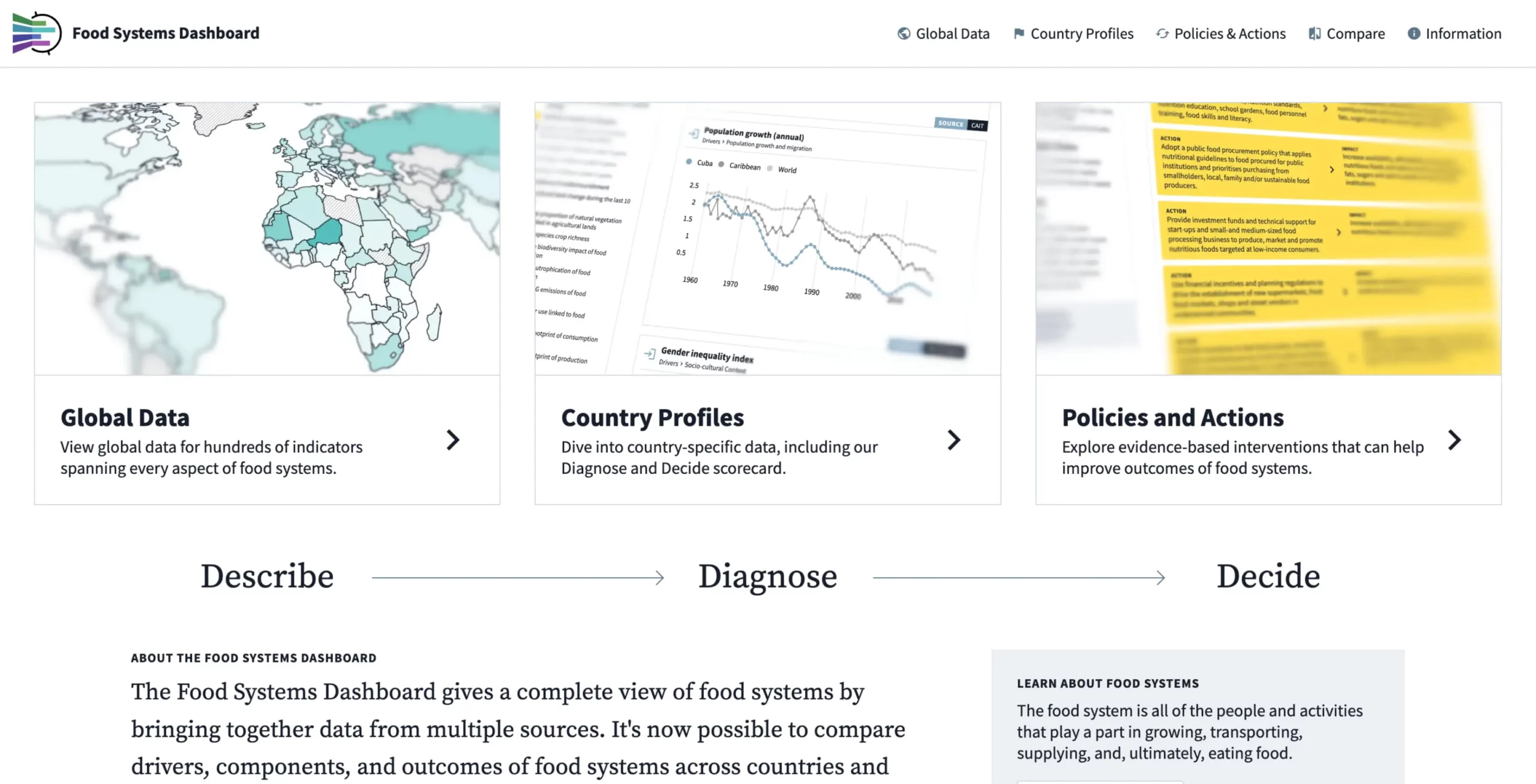
Food Systems Dashboard
The Food Systems Dashboard is a comprehensive tool providing insights into global food systems. It offers data on food production, consumption, and nutrition, enabling users to analyse and compare food systems across countries. This tool supports informed decision-making for improving food security and sustainability.

Equity lens toolkit for venture capital investors: Mitigating gender bias within investment processes
The toolkit provides practical tools to help VCs and investors identify and mitigate gender bias in their investment processes. It equips them with strategies to uncover overlooked opportunities and promote inclusive practices, particularly for women founders in the Asia-Pacific region, ultimately fostering a more diverse and equitable investment landscape.
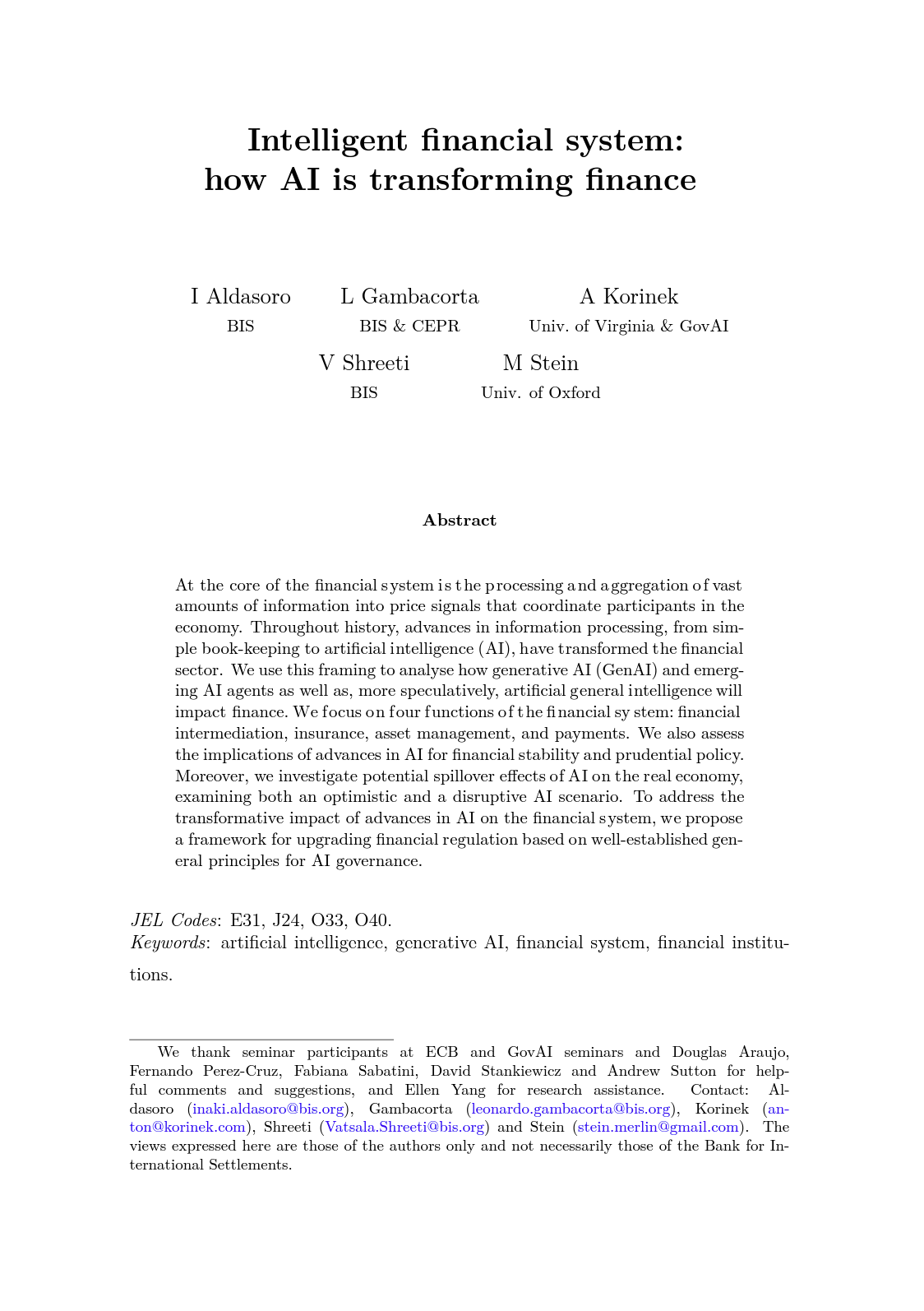
Intelligent financial system: How AI is transforming finance
The report explores the transformative role of AI in the financial sector, focusing on financial intermediation, insurance, asset management, and payments. It highlights both opportunities and challenges, including implications for financial stability and the need for upgraded financial regulation to manage the risks associated with AI's growing influence.
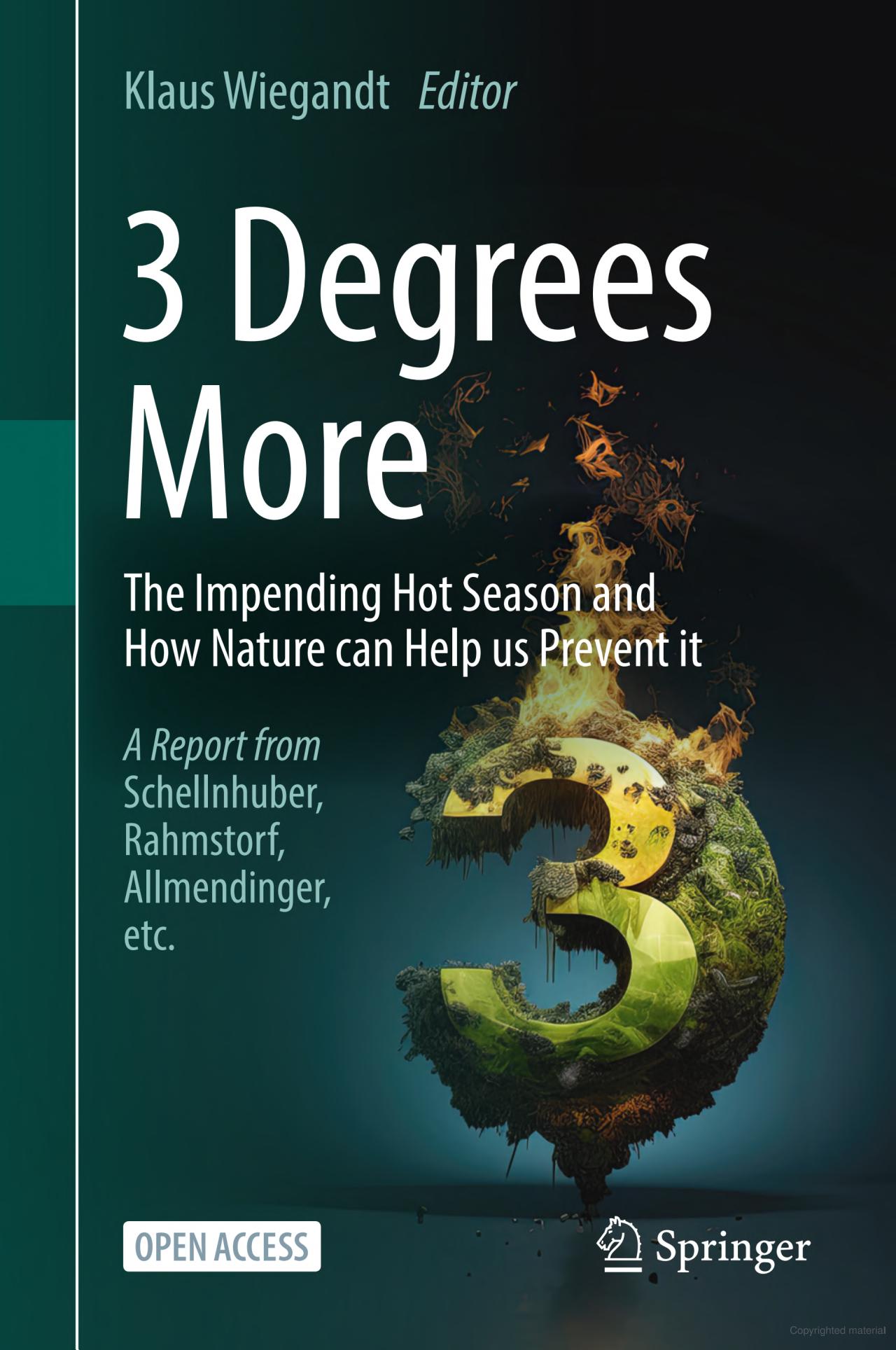
3 degrees more: The impending hot season and how nature can help us prevent it
This three-part journal explores the severe impacts of a 3°C temperature rise on climate, biodiversity, agriculture, human survival, and the economy, emphasising the need for urgent climate action and nature-based solutions.

Drivers of change: Meeting the energy and data demands of AI adoption in Australia and New Zealand
The report explores the energy challenges posed by AI adoption, highlighting concerns among IT managers about increased energy consumption and uncertainty regarding its impact on sustainability. The research underscores the need for enhanced energy efficiency and green energy solutions to meet ESG goals without hindering AI deployment.

Work Health Index
The Work Health Index tool measures workplace health and wellbeing across various sectors. It provides organisations with insights into their performance, highlighting areas for improvement and enabling data-driven strategies to enhance employee wellbeing and productivity.

How the oil industry has sustained market dominance through policy influence
The report details how the oil and gas industry has systematically opposed renewable energy and electric vehicles through a long-standing narrative playbook. This opposition has hindered the global energy transition, contributing significantly to continued high emissions and delaying critical climate action.

Storylines: A science-based method for assessing and measuring future physical climate-related financial risk
The report presents a method called "storylines" for assessing future physical climate-related financial risks. It emphasises plausibility over probability, allowing for a more comprehensive understanding of uncertainties and risks in financial disclosures, particularly in the context of extreme climate events. This approach enhances risk assessment by integrating climate science with traditional financial analysis frameworks.


