
Library | ESG issues
Risk Management
Risk management is the process by which organisations identify, assess, prioritise and respond to threats to their objectives. In sustainable finance it extends conventional financial risk to cover environmental, social and governance exposures, including physical and transition climate risk, nature dependencies, human rights liability and conduct risk. Many of these are long dated, systemic and poorly captured by traditional models. Sound practice connects risk identification to governance, disclosure and capital allocation rather than treating it as a reporting exercise.
Team Altiorem recommends


Refine
368 results
REFINE
SHOW: 16


Bridging climate and credit risk: Current approaches and emerging trends for climate-related credit risk assessment methodologies—insights from a global survey
This report examines findings from a survey of 32 global banks on climate-related credit risk assessment. It highlights progress in probability of default modelling and widespread adoption of NGFS scenarios, while identifying persistent challenges in data reliability, technical expertise, and the quantification of financial impacts on capital requirements.
The illusion of resilience in a degrading supply chain
Senior UK food executives warn that environmental degradation and climate change pose significant financial risks to supply chains. Current industry focus on short-term growth masks structural vulnerabilities. Investors are urged to challenge board capabilities and demand long-term resilience strategies to secure future profitability and food security.
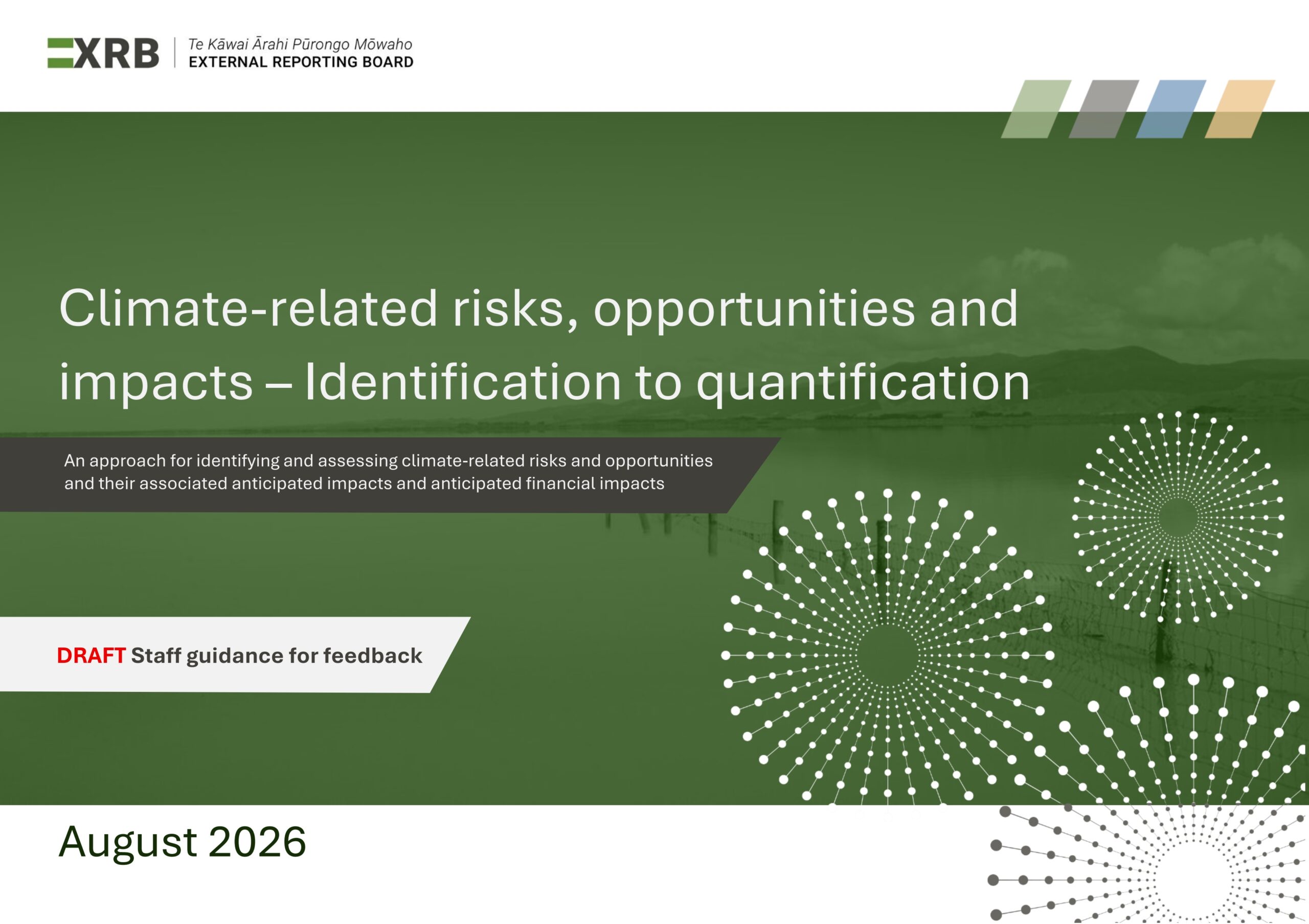
Climate-related risks, opportunities and impacts – Identification to quantification: An approach for identifying and assessing climate-related risks and opportunities and their associated anticipated impacts and anticipated financial impacts
This guidance for New Zealand climate reporting entities details a five-phase framework to identify and assess climate-related risks and opportunities. It provides a structured approach for moving from qualitative impact assessment to the quantification of financial impacts, supporting compliance with climate standards and strengthening strategic resilience.
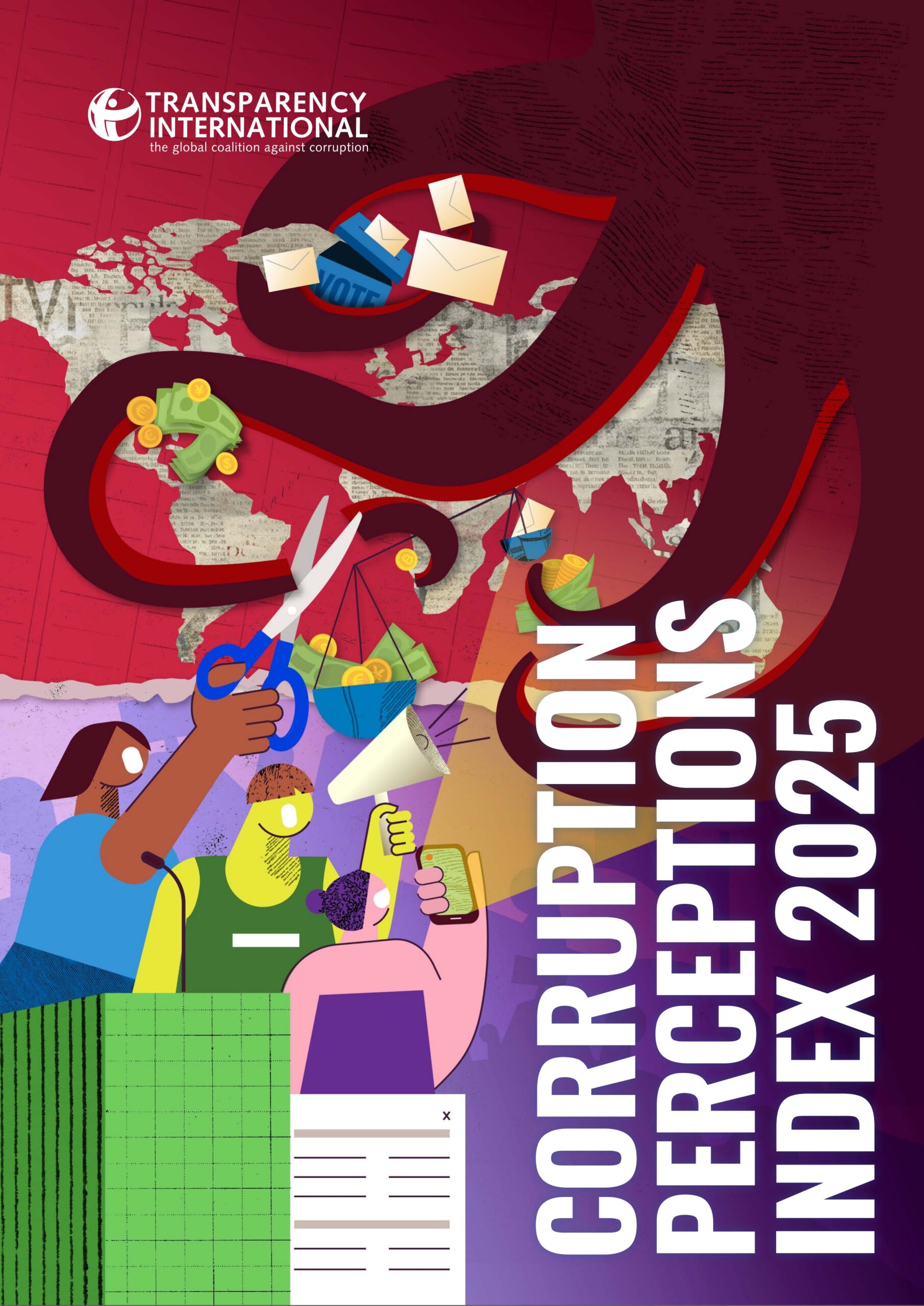
Corruption perceptions index series
The Corruption Perceptions Index is a global benchmark series assessing perceived public sector corruption levels across 182 countries and territories. Produced by Transparency International, the index draws on independent data to provide comparative scores, assisting stakeholders in identifying governance risks and evaluating the effectiveness of anti-corruption reforms and institutional integrity.
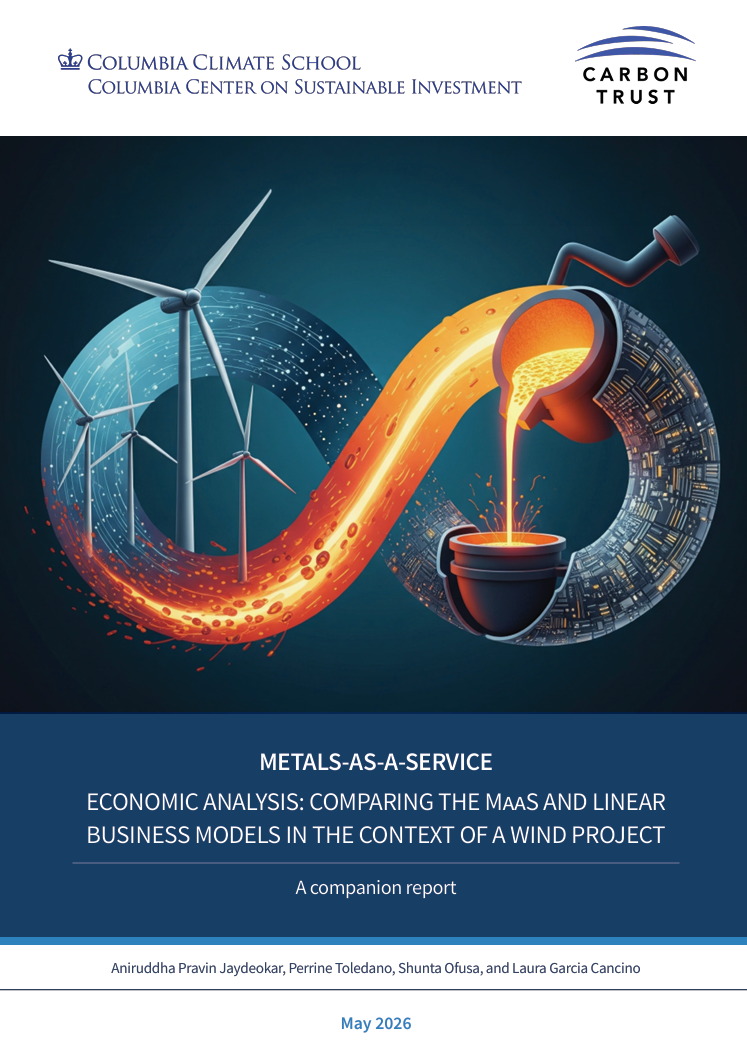
Metals-as-a-Service economic analysis: Comparing the MAAS and linear business models in the context of a wind project
This research compares Metals-as-a-Service (MaaS) and linear business models in onshore wind projects. It finds that MaaS improves risk-adjusted performance, increasing project internal rate of return to 19.94% and reducing levelised cost of energy by 15%. The analysis assesses financial viability and risk mitigation strategies for stakeholders.
First Street Research Library
The First Street Research Library provides transparent, peer-reviewed reports and climate risk data focused on flooding, fire, and heat. It helps finance professionals quantify physical risks and their economic impacts.
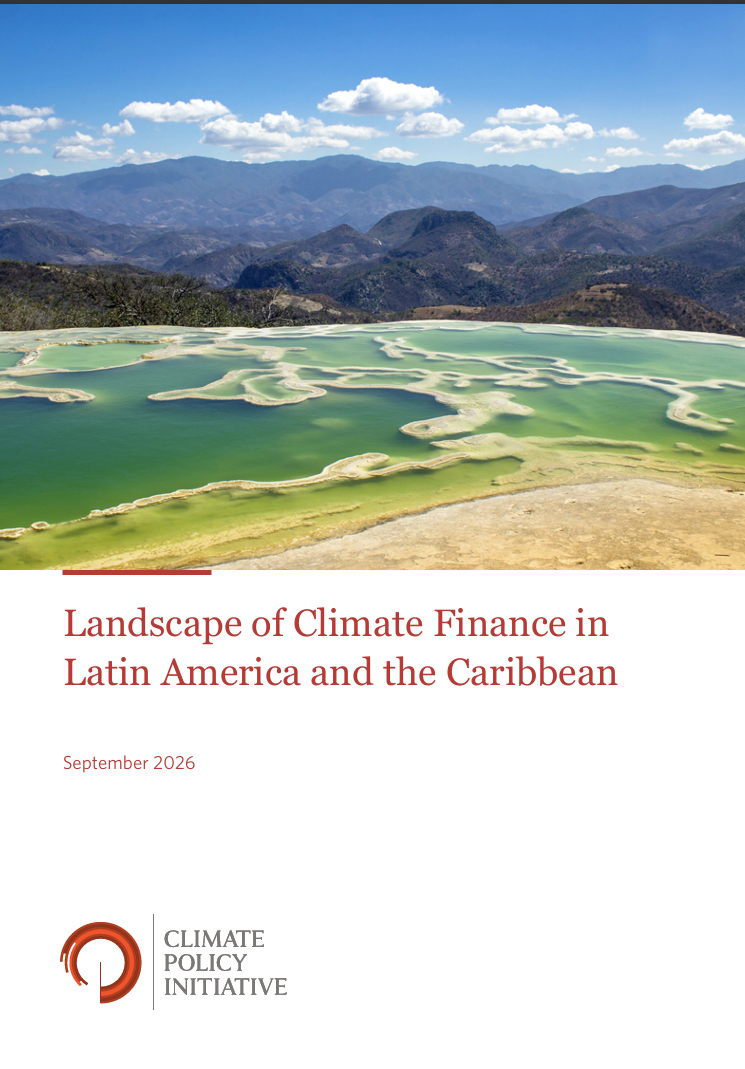
Landscape of Climate Finance in Latin America and the Caribbean
The report assesses climate finance across Latin America and the Caribbean from 2020–2024. Finance doubled to US$108 billion but remains well below estimated needs and unevenly distributed. It examines public and private flows, mitigation and adaptation investment, financing constraints, and measures to mobilise capital and strengthen climate resilience.
Top-down Climate Finance Needs Data Dashboard
Developed by the Climate Policy Initiative, this dashboard provides interactive visualisations of the global financial requirements for climate mitigation and adaptation, helping finance professionals quantify the investment gap.
Embracing carbon uncertainty in portfolio construction
This research introduces a framework for decarbonising sovereign bond portfolios using 'carbon returns'—treating emissions as random variables rather than deterministic values. By applying a modified Hierarchical Risk Parity algorithm with Expected Shortfall, it effectively balances financial and environmental goals, mitigating climate-related tail risks both in-sample and out-of-sample.
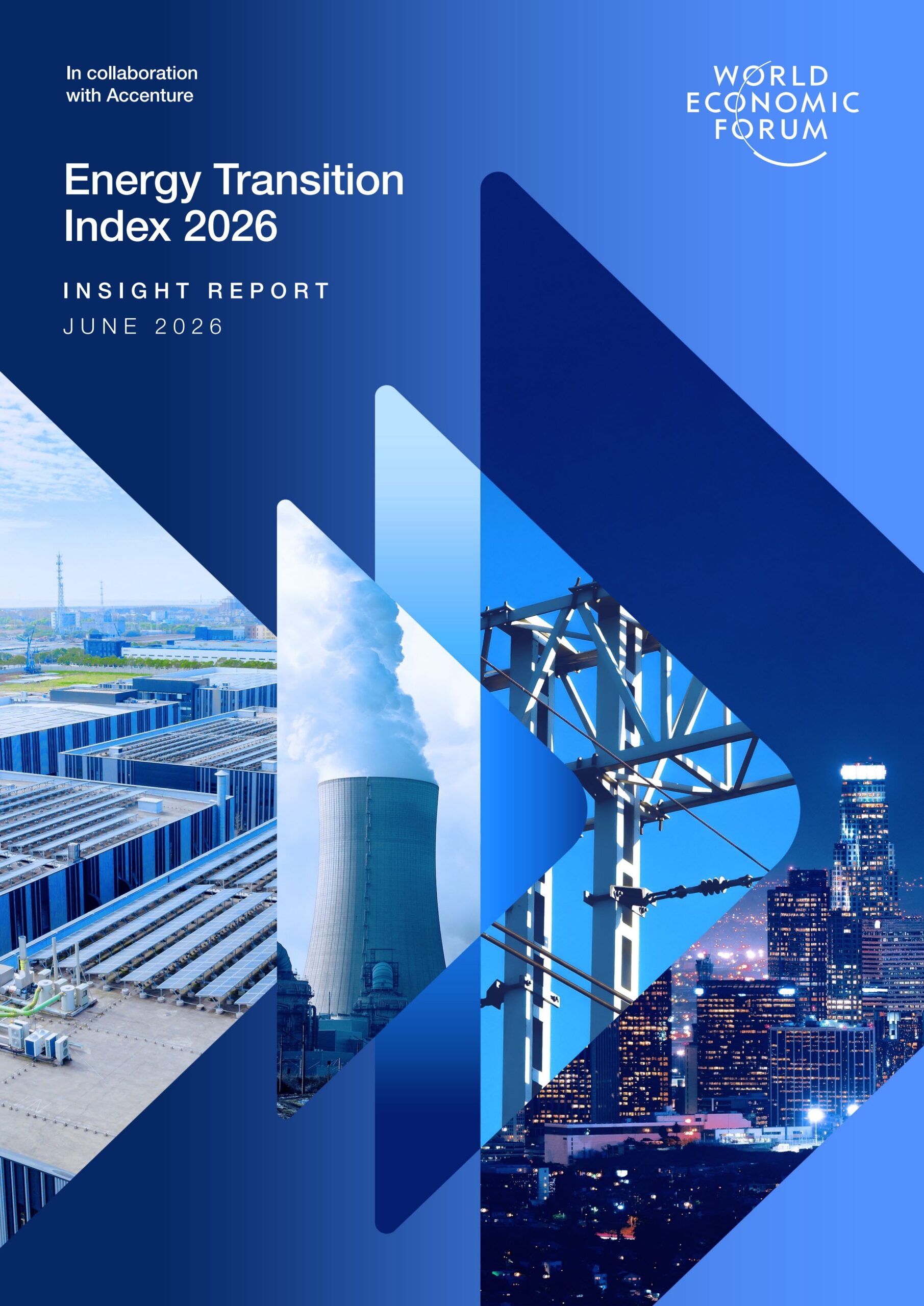
Energy transition index series
The Energy Transition Index is a benchmark series providing a structured, data-driven framework to assess national energy systems and track transition progress across 120 countries. It evaluates performance through security, equity, and sustainability lenses, alongside transition readiness factors, helping decision-makers identify gaps and understand the conditions required for resilience.
The value of non-value-maximizing managers
This research argues that hiring managers biased towards poorly-measured goals, such as social impact, is often optimal. This selection allows organisations to implement high-powered financial incentives for well-measured tasks without neglecting non-financial objectives. The study highlights how managerial selection and incentive design function as complementary governance tools.
UDB Currency Risk-Sharing Facility: Instrument design report
The UDB Currency Risk-Sharing Facility manages foreign exchange risks for climate lending in Uganda. By combining partial hedging with tail-risk guarantees, it offers a cost-effective alternative to traditional instruments. This facility enables affordable local-currency financing while protecting the bank's balance sheet against significant Ugandan shilling depreciation.
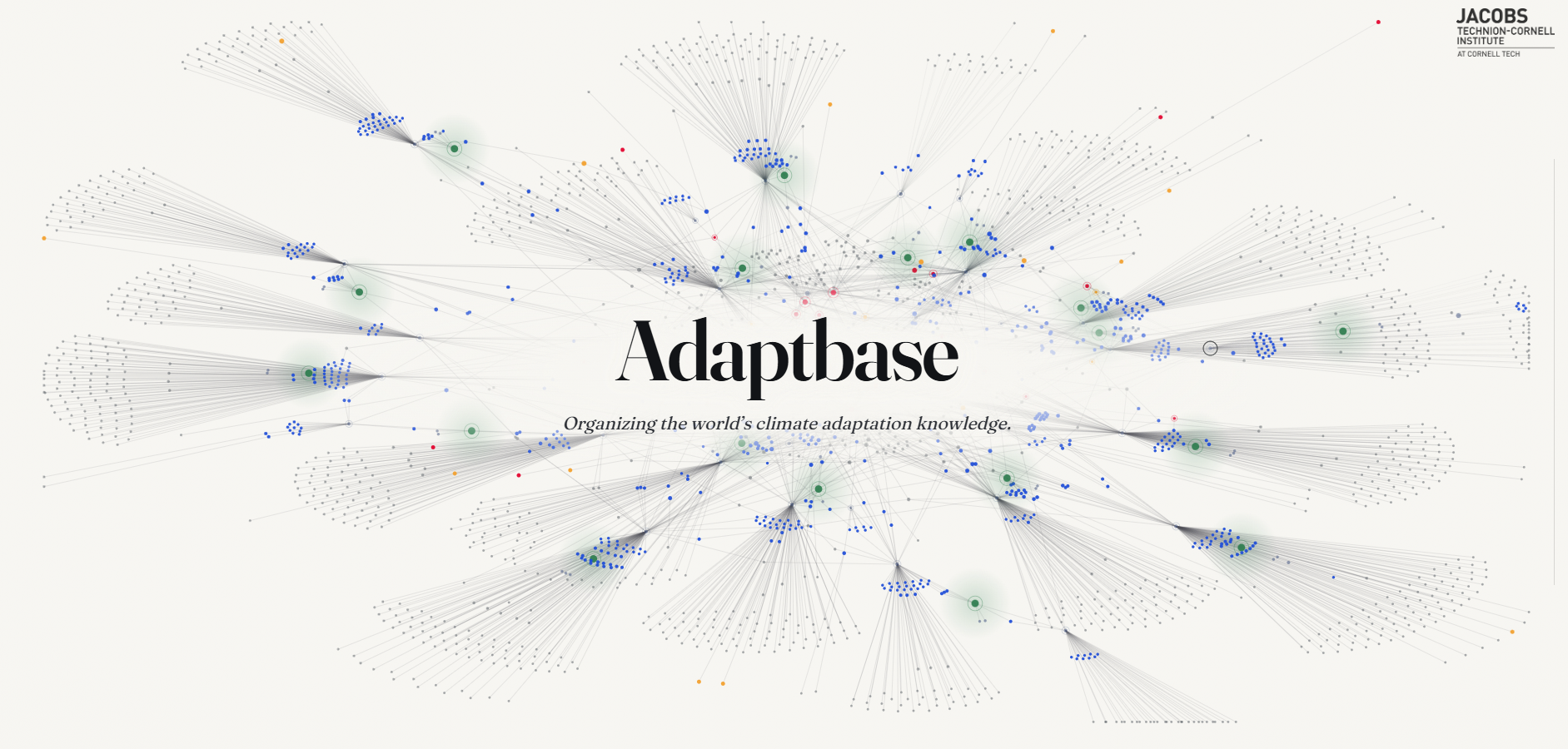
Adaptbase Search
Adaptbase Search is an AI-powered knowledge base that structures climate adaptation data from global city plans. It allows finance professionals to track urban resilience investments, benchmark city responses to climate hazards, and verify adaptation claims through a standardised knowledge graph of actions and outcomes.
Liability and pricing of dual-use AI
This research analyses AI provider liability for dual-use models enabling both cyberattacks and defence. It demonstrates that while liability can improve welfare by reducing contest resources through higher prices, it may increase harm by weakening precautions. Market competition and guardrail incentives significantly influence optimal liability shares.
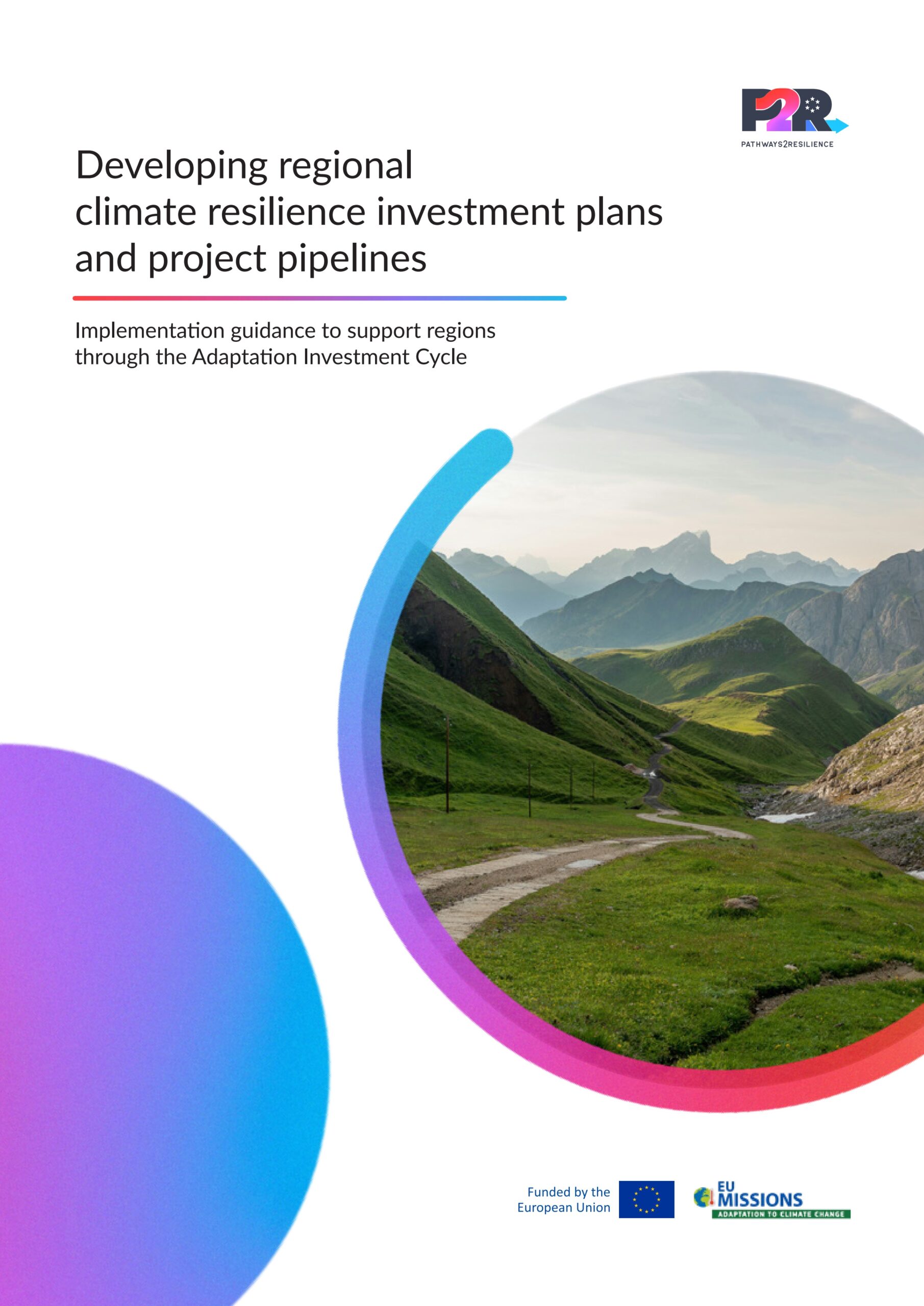
Developing regional climate resilience investment plans and project pipelines: Implementation guidance to support regions through the Adaptation Investment Cycle
This guidance outlines the six-phase Adaptation Investment Cycle for European regions to develop Climate Resilience Investment Plans. It details how to address financing barriers, conduct economic appraisals, and structure bankable project pipelines, aiming to bridge the adaptation funding gap through strategic public and private sector engagement.
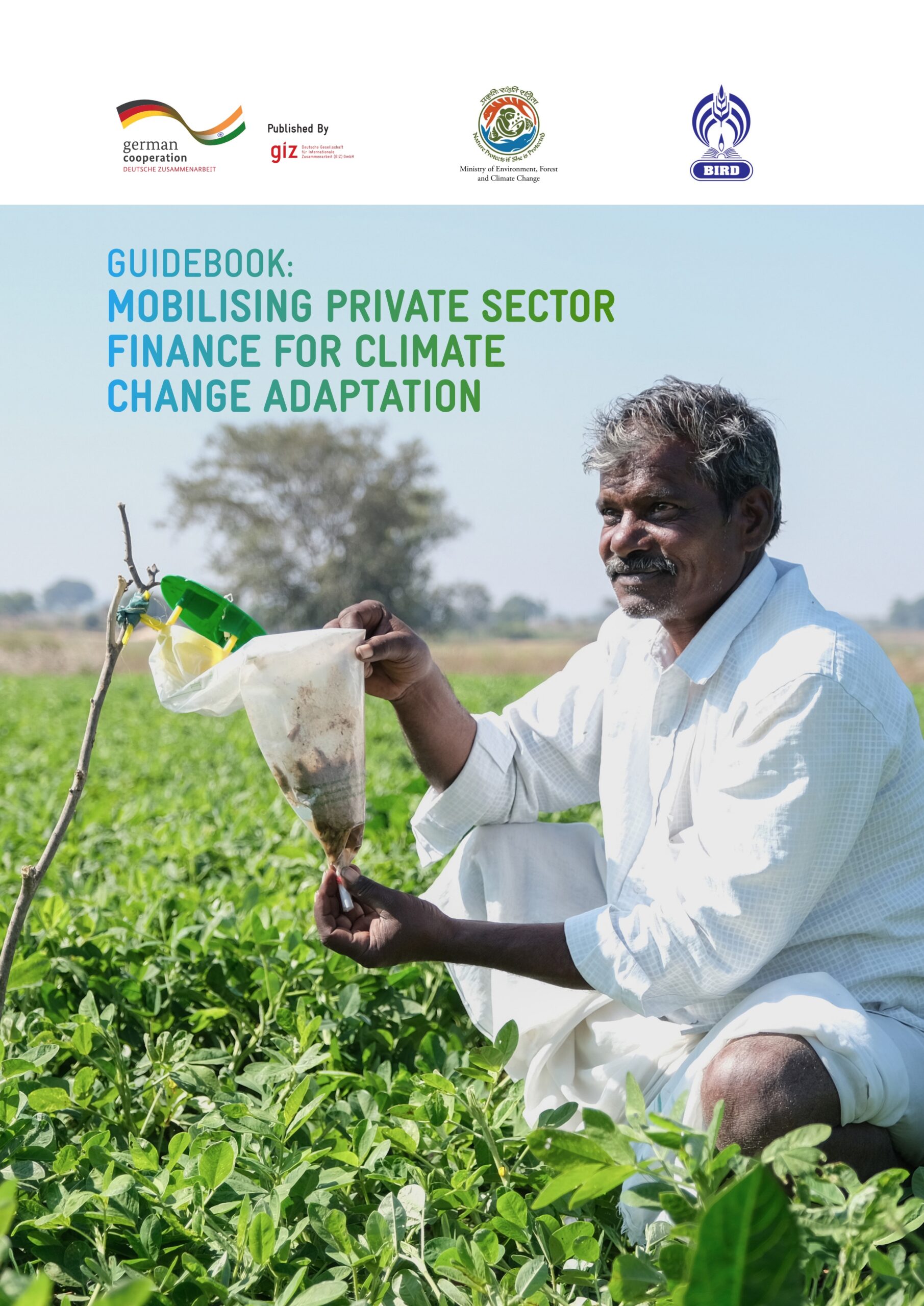
Guidebook: Mobilising private sector finance for climate change adaptation
This guidebook provides a structured framework for designing and financing climate change adaptation projects in India. It addresses barriers to private sector participation, offers methodologies for risk and impact assessment, and explores diverse funding mechanisms, including blended finance, green bonds, and catastrophe insurance, to bridge the significant adaptation funding gap.


