
Library | ESG issues
Risk Management
Risk management is the process by which organisations identify, assess, prioritise and respond to threats to their objectives. In sustainable finance it extends conventional financial risk to cover environmental, social and governance exposures, including physical and transition climate risk, nature dependencies, human rights liability and conduct risk. Many of these are long dated, systemic and poorly captured by traditional models. Sound practice connects risk identification to governance, disclosure and capital allocation rather than treating it as a reporting exercise.
Team Altiorem recommends


Refine
482 results
REFINE
SHOW: 16


Net Zero Finance Tracker (NZFT) Dashboard
The Net Zero Finance Tracker (NZFT) is an interactive tool by Climate Policy Initiative that monitors 1,500 financial institutions. It tracks climate commitments, risk management, and real-economy impacts to help professionals benchmark transition progress across the global financial system.
Nature in portfolios: A practical framework for investment decision-making
This report introduces Northern Trust Asset Management’s Nature Framework, a three-pillar approach for integrating nature-related risks and opportunities into investment portfolios. It demonstrates that significant biodiversity impact reductions and nature-aligned outcomes can be achieved with modest active risk through targeted, materiality-based implementation and active stewardship.
Impact Management Project
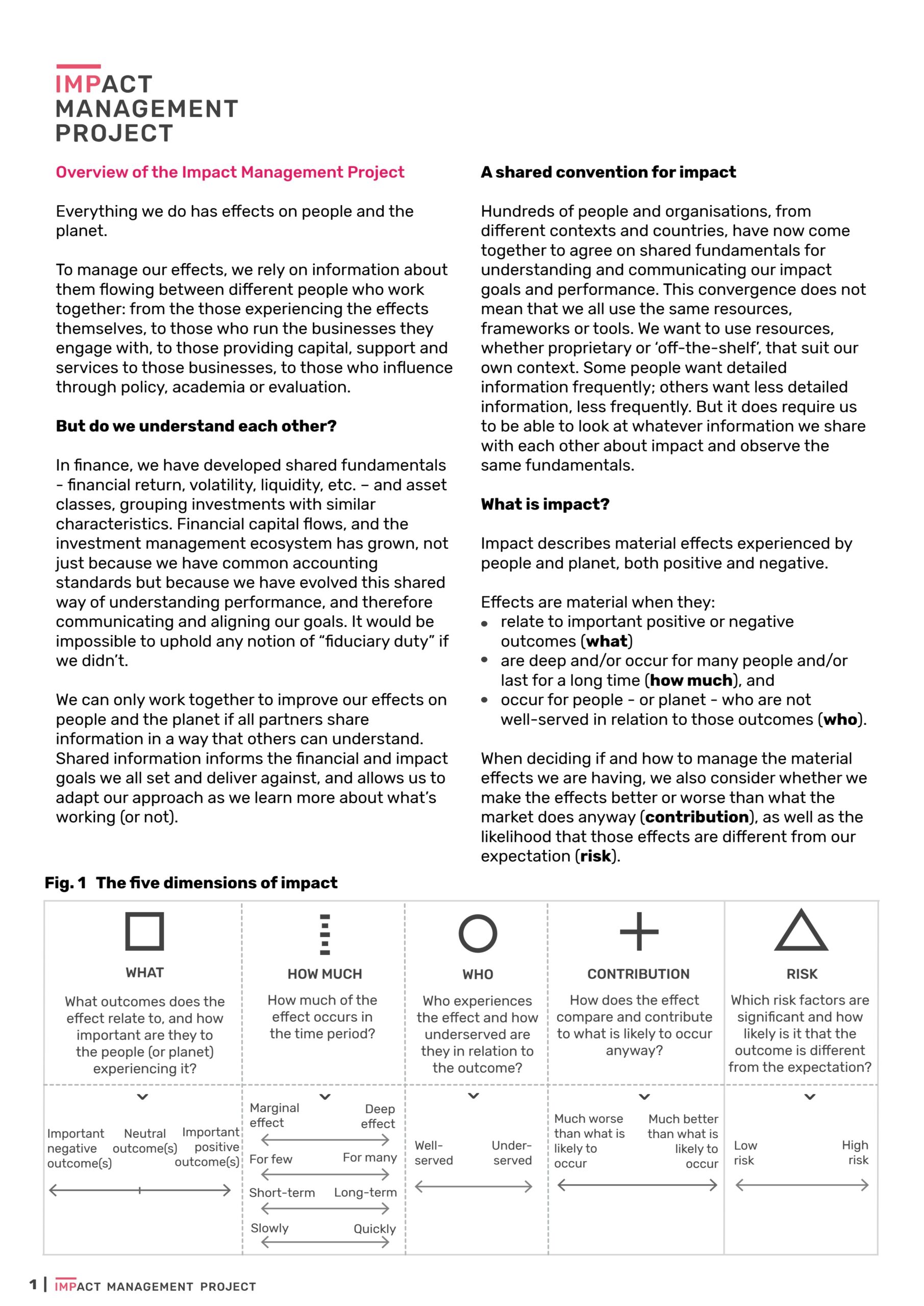
The Impact Management Project provides a shared convention for understanding and managing material effects on people and the planet. It introduces five dimensions of impact: what, how much, who, contribution, and risk. The framework assists businesses and investors in using data-driven assessments to mitigate negative outcomes and increase positive performance.
FPIC-360° Tool
The FPIC-360° Tool, developed by Equitable Origin, is a digital platform designed to facilitate and monitor Free, Prior, and Informed Consent (FPIC) processes. It helps developers and investors manage Indigenous rights-based engagement and mitigate social risks in energy and infrastructure projects.
Guidelines on Member States' adaptation strategies and plans
1. Identify document purpose. 2. Highlight key implementation steps. 3. Note new policy areas. 4. Verify UK English and word count. These guidelines assist EU Member States in updating climate adaptation strategies and plans. Aligned with the European Climate Law, the report outlines processes for risk assessment, stakeholder engagement, and implementation. It also introduces critical policy areas, including just resilience, nature-based solutions, and climate stress testing.
Forging ahead: A 2026 assessment of investor climate action across North America
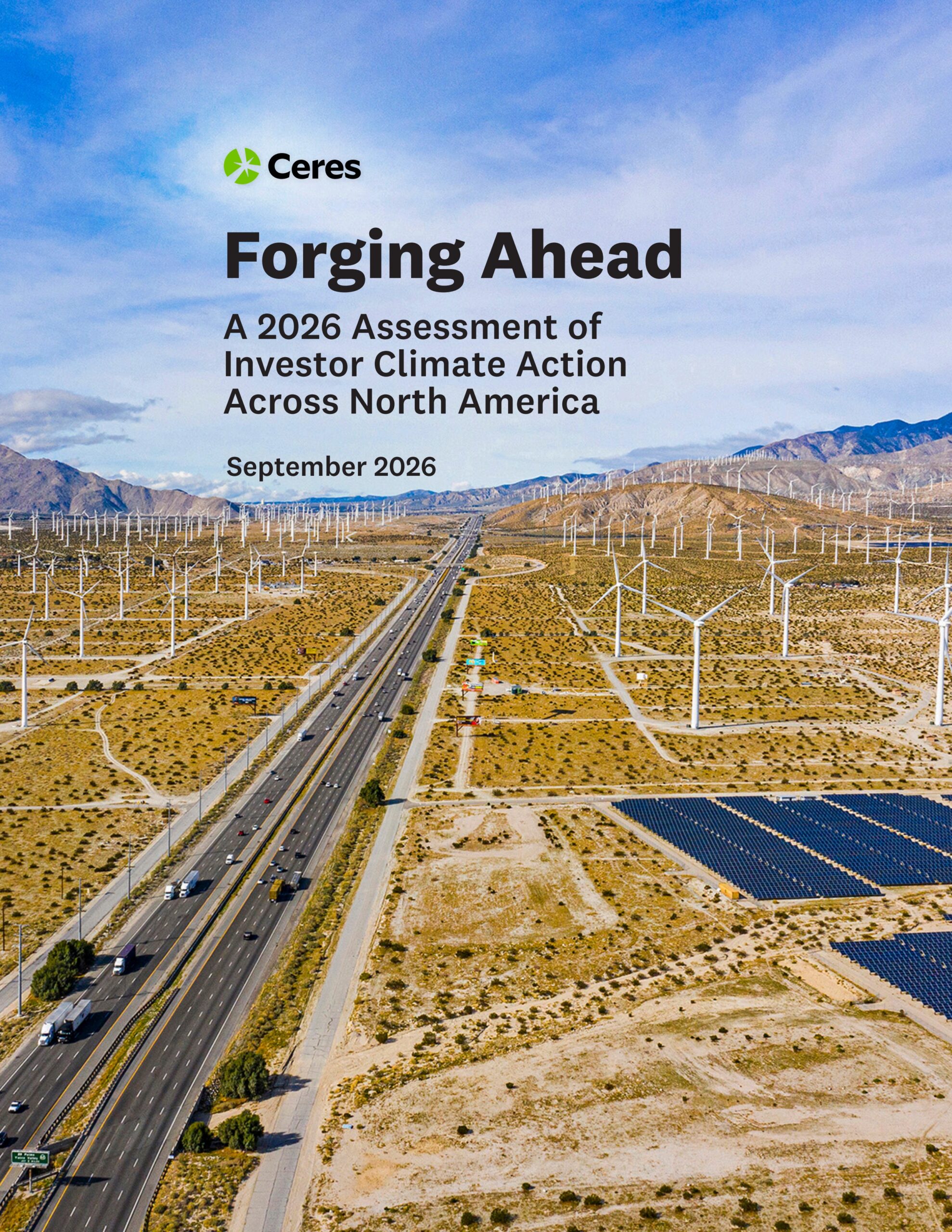
This 2026 assessment of 50 large North American investors reveals that most are prioritising climate risk management and clean economy opportunities despite shifting regulations. Findings show 74% assess portfolio risks and allocate capital to climate solutions, though only 22% have disclosed explicit, measurable targets for increasing these investments.
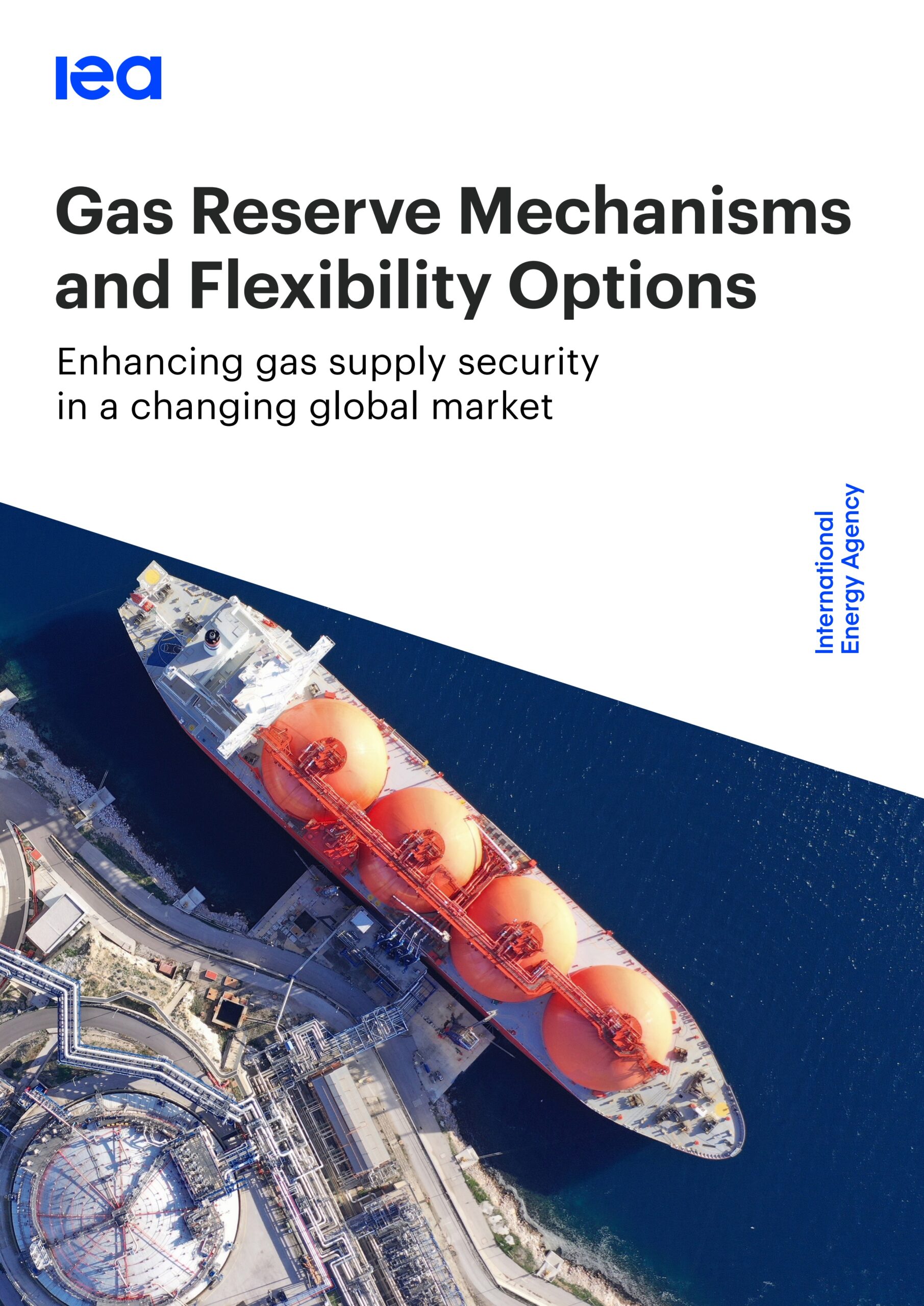
Gas reserve mechanisms and flexibility options: Enhancing gas supply security in a changing global market
This report examines mechanisms to enhance gas supply security, including physical reserves, commercial flexibility, and policy tools. It analyzes the transition to an interconnected, geopolitically complex market, advocating for international cooperation, strategic buffers, and innovative contracting to mitigate future supply disruptions and extreme price volatility.
Trends in climate risk reporting: Lessons from initial voluntary corporate reports under California’s SB 261
This research analyses 154 voluntary corporate climate risk reports submitted under California’s SB 261. It identifies early trends in governance, strategy, risk management, and metrics. Findings highlight that while risk awareness is widespread, gaps remain in financial quantification, quantitative scenario analysis, and the development of formal transition plans.
Indigenous rights and Canadian pension funds
This report evaluates 11 Canadian pension managers on their alignment with Indigenous rights and free, prior and informed consent (FPIC). It identifies significant policy gaps and material financial risks, recommending that funds adopt UNDRIP-aligned frameworks and refuse to invest in major projects lacking the explicit consent of impacted communities.
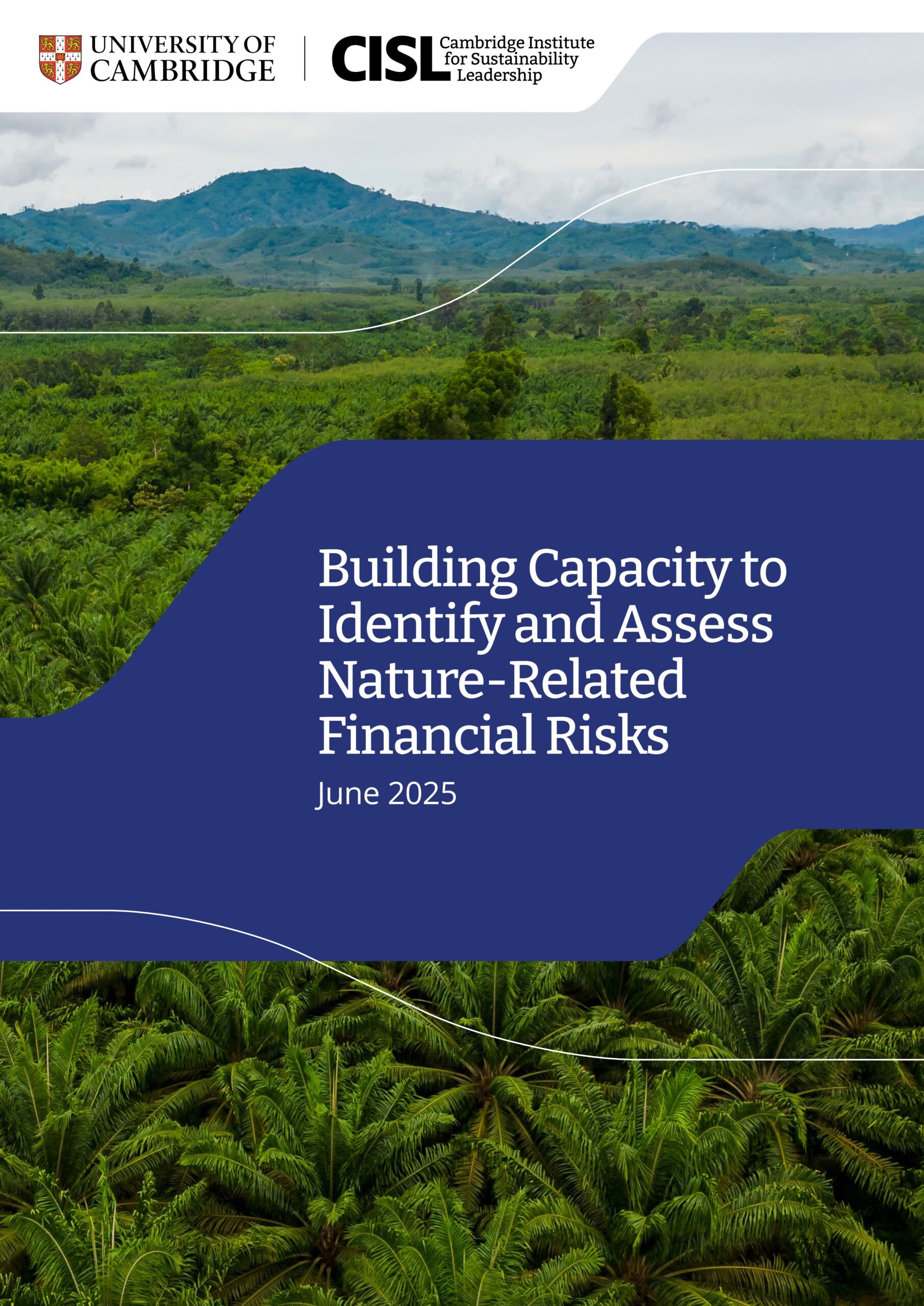
Building capacity to identify and assess nature-related financial risks
This report examines nature-related financial risks in the Indonesian and Malaysian palm oil sectors. Using scenario analysis, it evaluates how an intensified El Niño and ecosystem degradation affect production, costs, and credit risk. Findings highlight the vulnerability of upstream producers and the necessity for banks to assess nature-based dependencies.
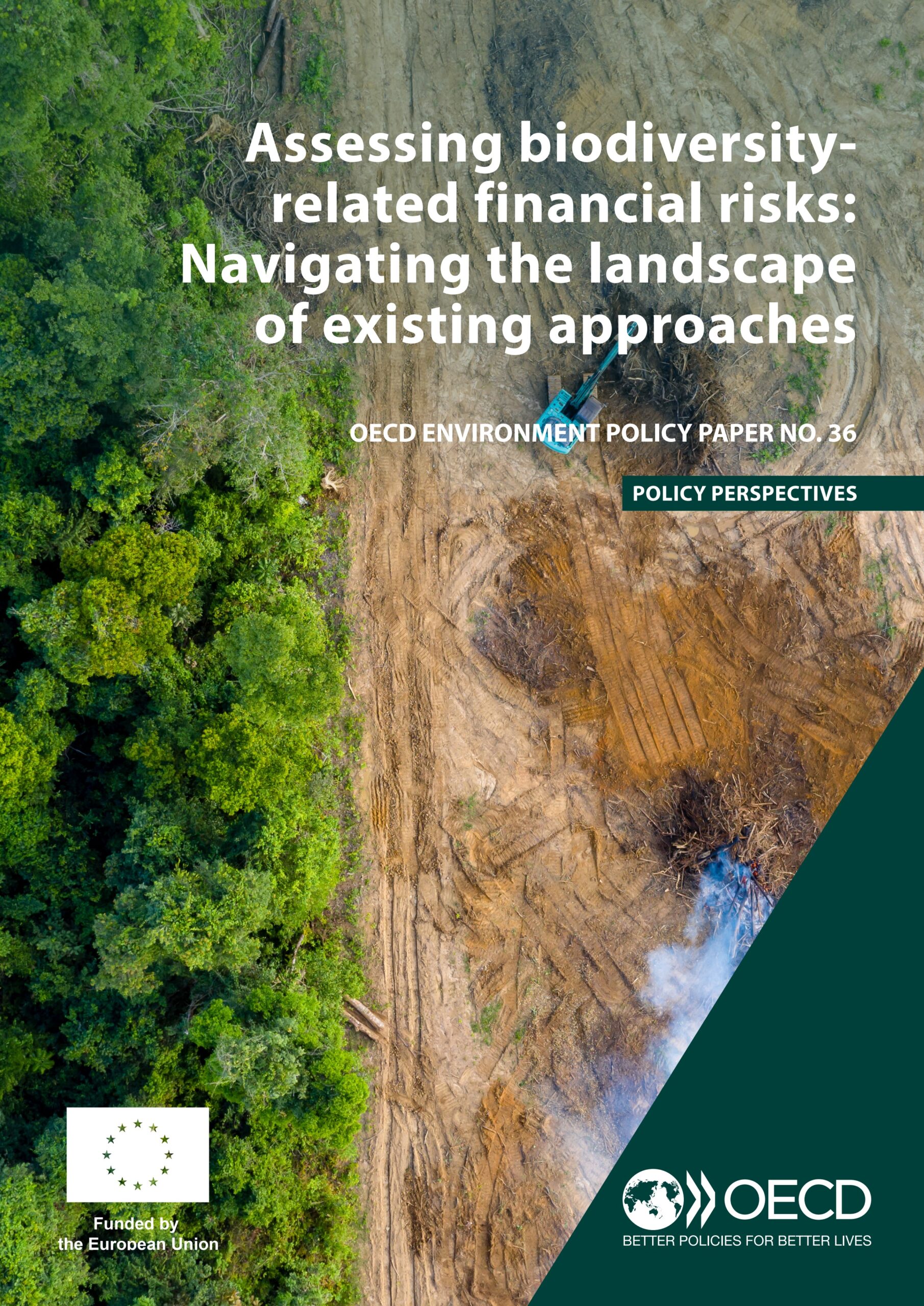
Assessing biodiversity-related financial risks: Navigating the landscape of existing approaches
This OECD report examines methodologies for assessing biodiversity-related financial risks. It identifies physical and transition transmission channels, reviews metrics like Mean Species Abundance, and highlights the implications of the Kunming-Montreal Global Biodiversity Framework. The findings inform a new supervisory framework for central banks to manage ecosystem-related instability.
FSB takes stock of the wide range of regulatory and supervisory initiatives on nature-related financial risks
The Financial Stability Board (FSB) has published a stocktake of initiatives concerning nature-related financial risks. While some authorities recognise material risks from biodiversity loss, the global regulatory landscape remains at an early stage. Challenges include significant data gaps and the need to translate financial exposures into risk measures.
The economic case for nature: A global Earth-economy model to assess development policy pathways
This World Bank report examines the economic rationale for investing in nature using a global Earth-economy model. It demonstrates that ecosystem service collapse could reduce global GDP by $2.7 trillion by 2030, while "nature-smart" policy reforms can deliver significant economic gains and support global conservation targets.
Governing digital assets and crypto-enabled financial crime
This report examines the growth of crypto-enabled financial crime and the resulting governance gap. It proposes a four-layer multilateral framework to harmonise international standards between bodies like the FATF and INTERPOL. The strategy aims to protect financial integrity through technical integration and cross-border cooperation without suppressing permissionless innovation.
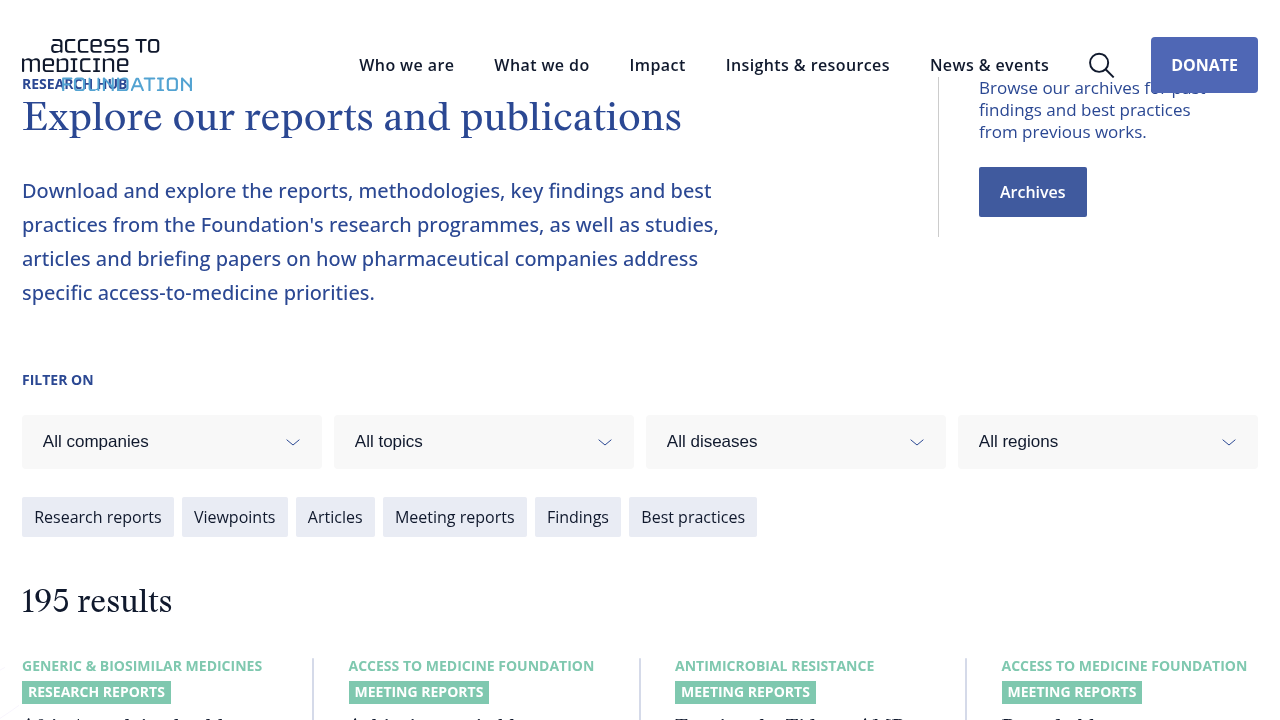
Access to Medicine Foundation Research Hub
The Research Hub is a repository of reports and data on how pharmaceutical companies address global health equity. It offers company profiles, benchmarks, and thematic research to help investors assess ESG performance and access-related risks in the healthcare sector.
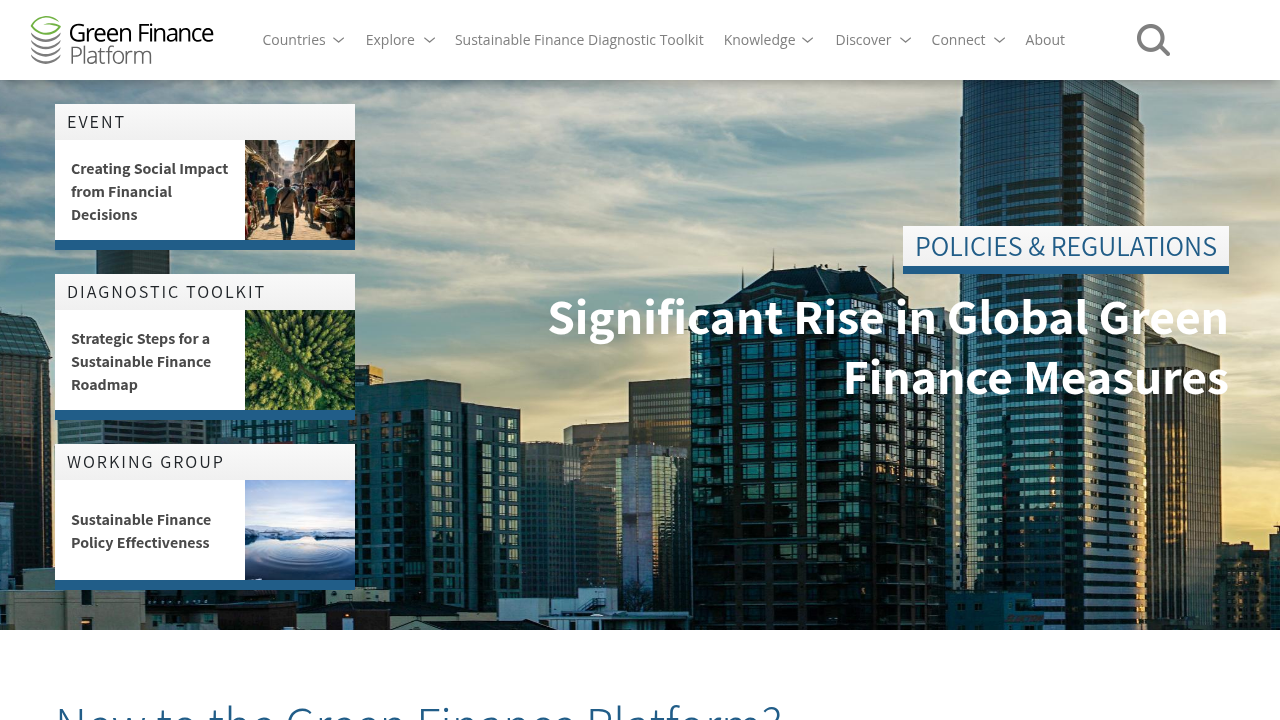
Green Finance Platform
The Green Finance Platform is a global resource hub providing a database of green financial policies, diagnostic toolkits, and research from organisations including UNEP and the World Bank to support sustainable investment.


