
Library | ESG issues
Social
The social pillar in ESG (environmental, social, and governance) assesses a organisation’s impact on people and society. It covers labour practices, diversity and inclusion, human rights and community engagement. Prioritising social responsibility not only benefits society but also mitigates risks, strengthens reputation, and creates long-term value for businesses and investors.
Refine
1325 results
REFINE
SHOW: 16


ESG ratings and the French Duty of Vigilance Law
An analysis of the 2017 French Duty of Vigilance Law’s impact on corporate ESG and financial performance. Using difference-in-differences analysis, the study finds a significant negative association with social and environmental ESG scores, suggesting the law reduces rating "gaming" or prompts the production of more realistic risk disclosures.
Seeing green: The effects of financial exposures on support for climate action
This research evaluates a randomised controlled trial using financial exposure to the energy sector to build support for climate action. Findings demonstrate that ownership of green and brown assets increases support for mitigation policies through a learning mechanism, where participants consume more financial news and improve their environmental knowledge.
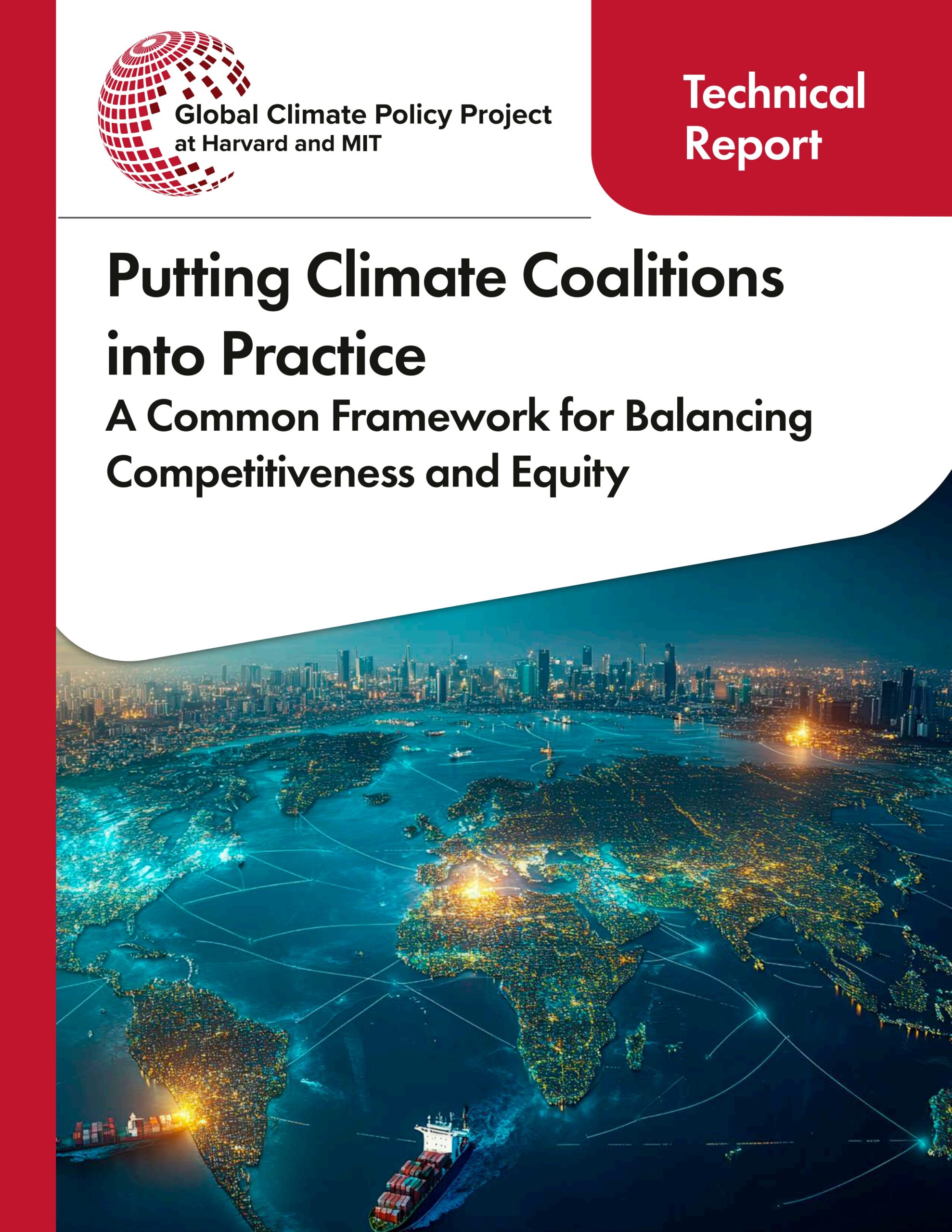
Putting climate coalitions into practice: A common framework for balancing competitiveness and equity
This technical report proposes a framework for international climate coalitions, focusing on emissions-intensive industries such as steel and aluminium. Modelling indicates that coordinated carbon price floors could reduce annual emissions by up to 584 million metric tons. It introduces an 'effective carbon cost' metric to balance global competitiveness and equity.
Green trade, regional value chains and new partnerships for cooperation: Accelerating green industrialisation through partnerships with a focus on Africa
This briefing paper examines how green trade and regional value chains can accelerate African industrialisation. It outlines opportunities within the AfCFTA and the African Green Industrialisation Initiative, emphasising the need for de-risking instruments, institutional capacity building, and new partnership frameworks to align international capital with Africa’s sustainable development goals.
The Quadripartite Joint Offer: A call for targeted One Health investment
This advocacy document calls for targeted investment in the One Health Joint Plan of Action. The Quadripartite collaboration proposes a Joint Offer to support at least ten countries over five years, strengthening governance, multisectoral coordination, and sustainable financing to prevent and control global health risks effectively.
Financial and economic returns to investing in One Health: Evidence and future directions
This research examines the financial case for investing in One Health to mitigate global health threats. It highlights how integrated approaches reduce costs and improve efficiencies. Through various global case studies, the report demonstrates significant economic returns and provides a strategic blueprint for future sustainable investment.
Energy transition index series
The Energy Transition Index is a benchmark series providing a structured, data-driven framework to assess national energy systems and track transition progress across 120 countries. It evaluates performance through security, equity, and sustainability lenses, alongside transition readiness factors, helping decision-makers identify gaps and understand the conditions required for resilience.
UDB Currency Risk-Sharing Facility: Instrument design report
The UDB Currency Risk-Sharing Facility manages foreign exchange risks for climate lending in Uganda. By combining partial hedging with tail-risk guarantees, it offers a cost-effective alternative to traditional instruments. This facility enables affordable local-currency financing while protecting the bank's balance sheet against significant Ugandan shilling depreciation.
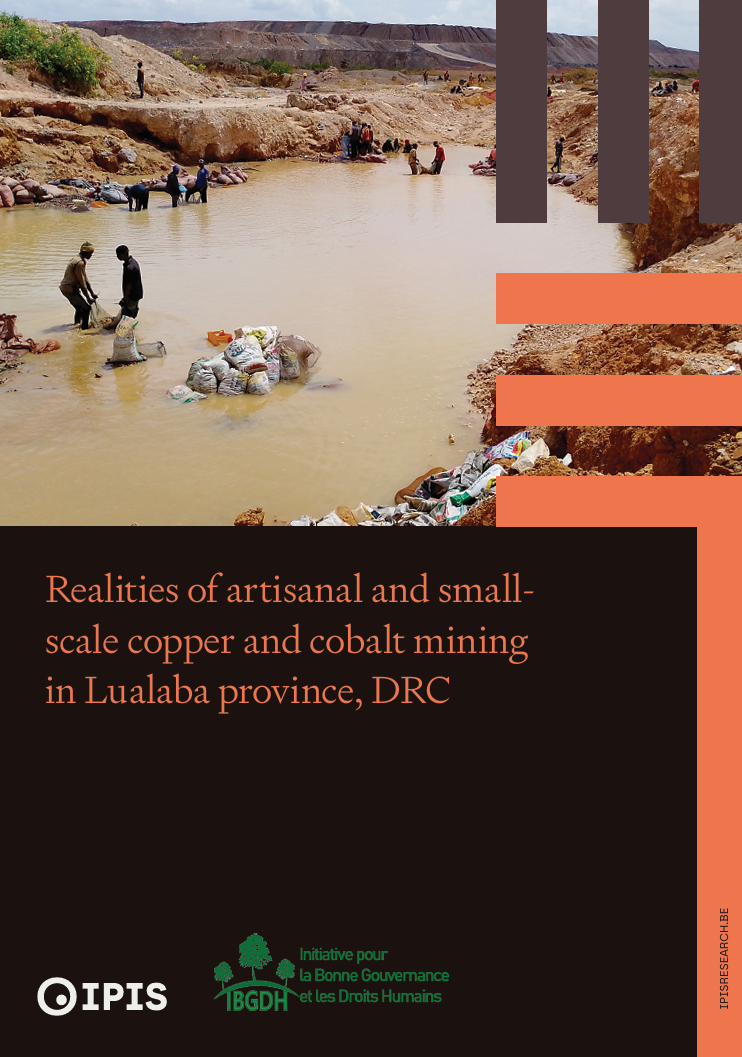
Realities of artisanal and small-scale copper and cobalt mining in Lualaba province, DRC
IPIS and IBGDH mapped 51 artisanal copper and cobalt mines in Lualaba, DRC, employing an estimated 109,000 miners. The study finds few viable designated zones, cooperative elite capture, tension with industrial concessions, unsafe conditions, child labour and extortion by state agents, and recommends creating legal spaces for artisanal miners.
Old workers, young machines: Can AI and automation offset population ageing?
This report assesses the capacity of artificial intelligence and robots to automate ageing workforces across 135 economies. While automation could offset demographic pressures, its effectiveness is limited because ageing often occurs in sectors with low automation potential, such as health and agriculture, particularly in several fast-ageing advanced economies.
Liability and pricing of dual-use AI
This research analyses AI provider liability for dual-use models enabling both cyberattacks and defence. It demonstrates that while liability can improve welfare by reducing contest resources through higher prices, it may increase harm by weakening precautions. Market competition and guardrail incentives significantly influence optimal liability shares.
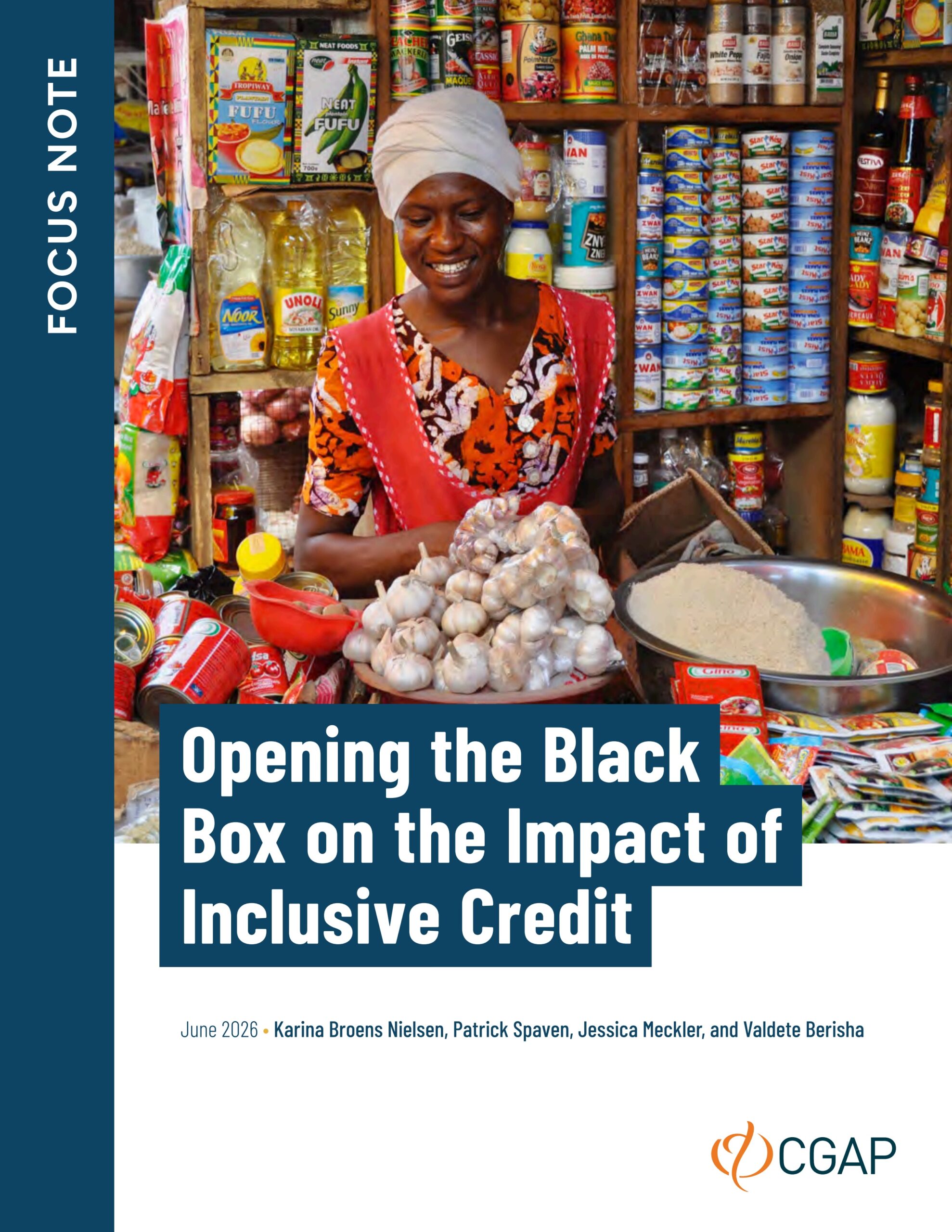
Opening the black box on the impact of inclusive credit
This report examines inclusive credit's impact using a five-factor framework: who, how, what for, where, and when. Drawing on 405 studies and machine learning analysis, it advocates for "precision credit"—matching product design to borrower circumstances—to move beyond average effects and ensure meaningful developmental outcomes in emerging markets.
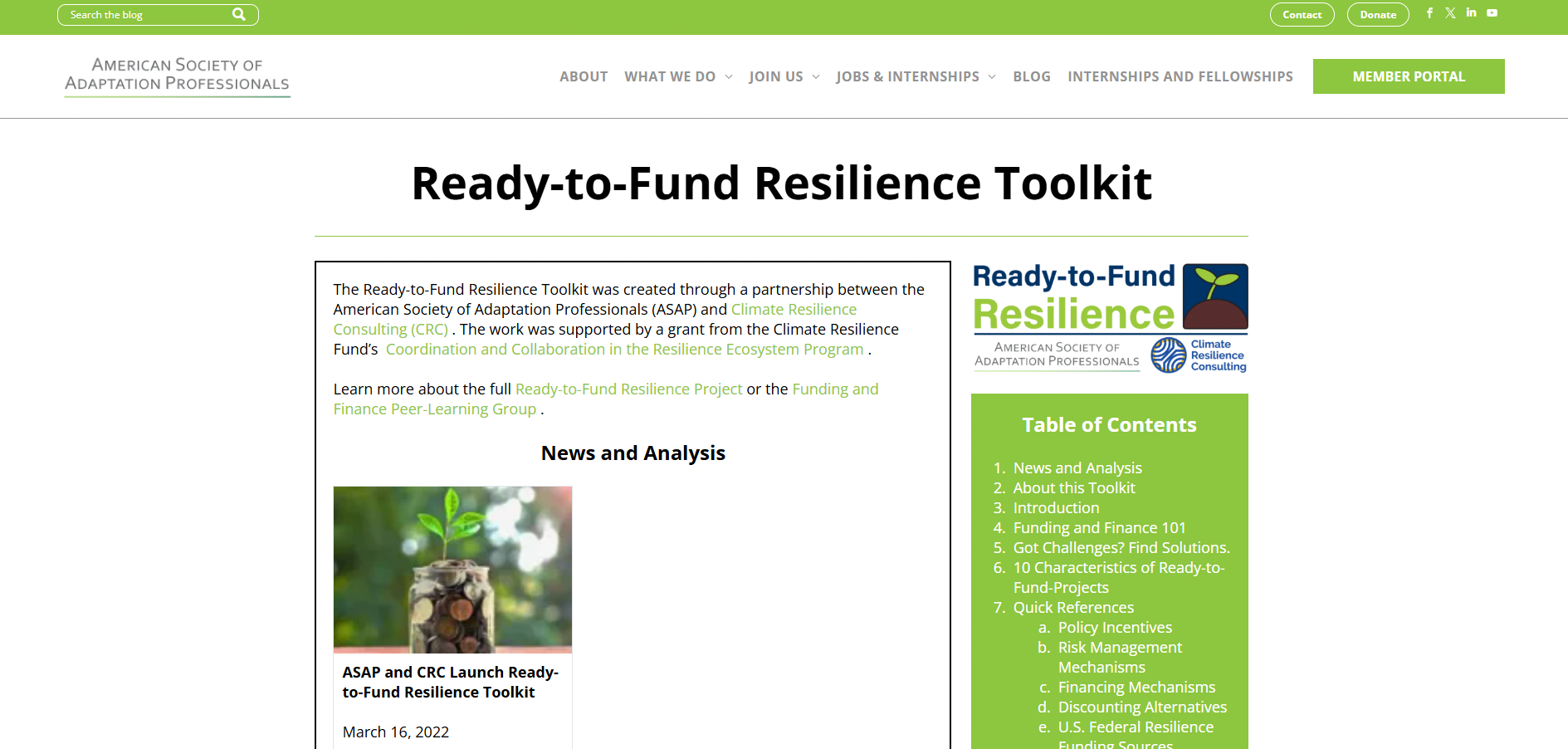
Ready-to-Fund Resilience Toolkit
A framework and diagnostic tool developed by the American Society of Adaptation Professionals to help climate projects move from planning to investment-ready status. It provides criteria for assessing project maturity, equity, and financial feasibility.
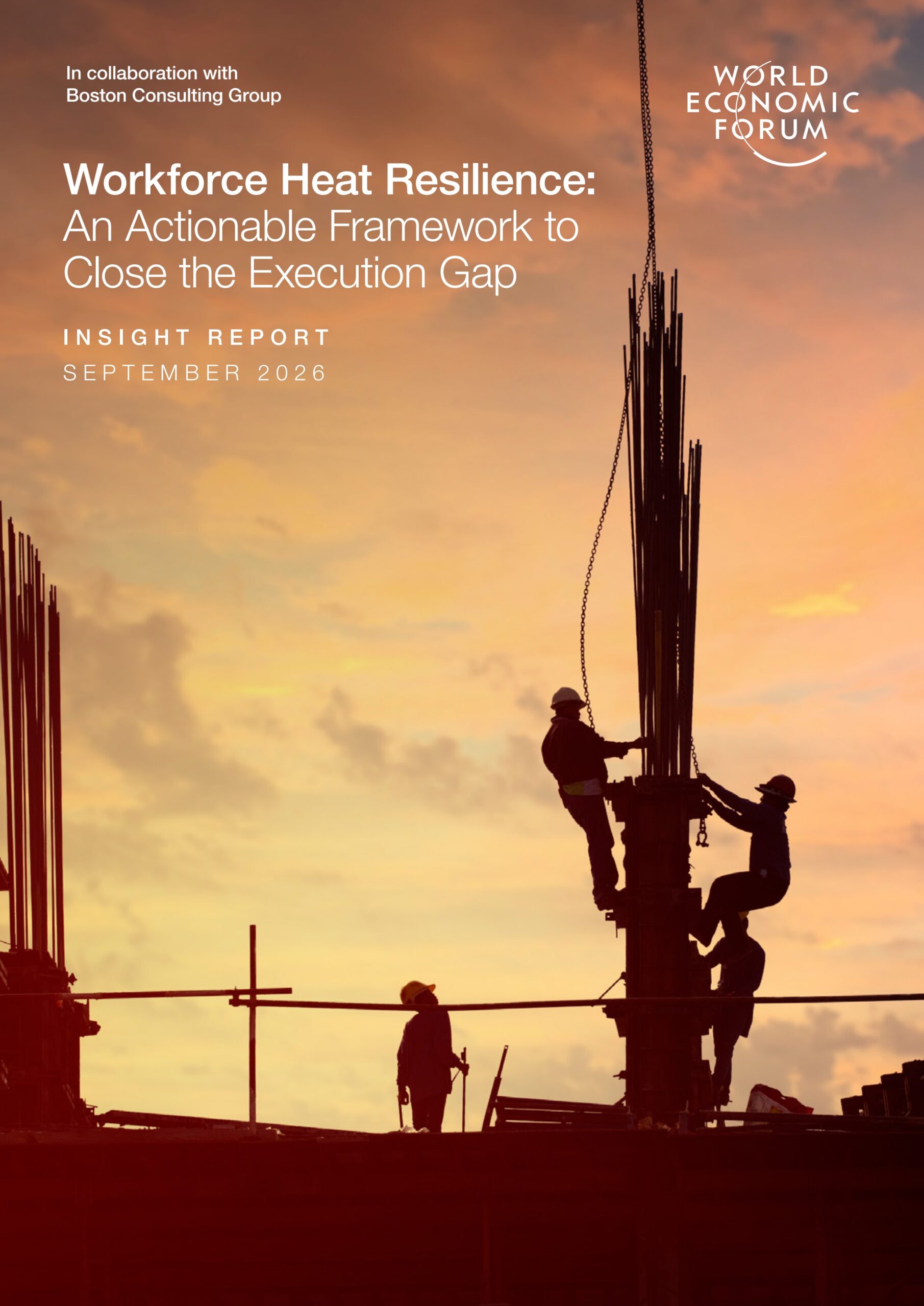
Workforce heat resilience: An actionable framework to close the execution gap
This report provides a framework for businesses to address workforce heat risks. It details a seven-step roadmap to assess climate impacts, design tailored interventions, and scale resilience. With heat-driven productivity losses projected to reach $2.4 trillion by 2030, the document highlights the strategic necessity of protecting workers.
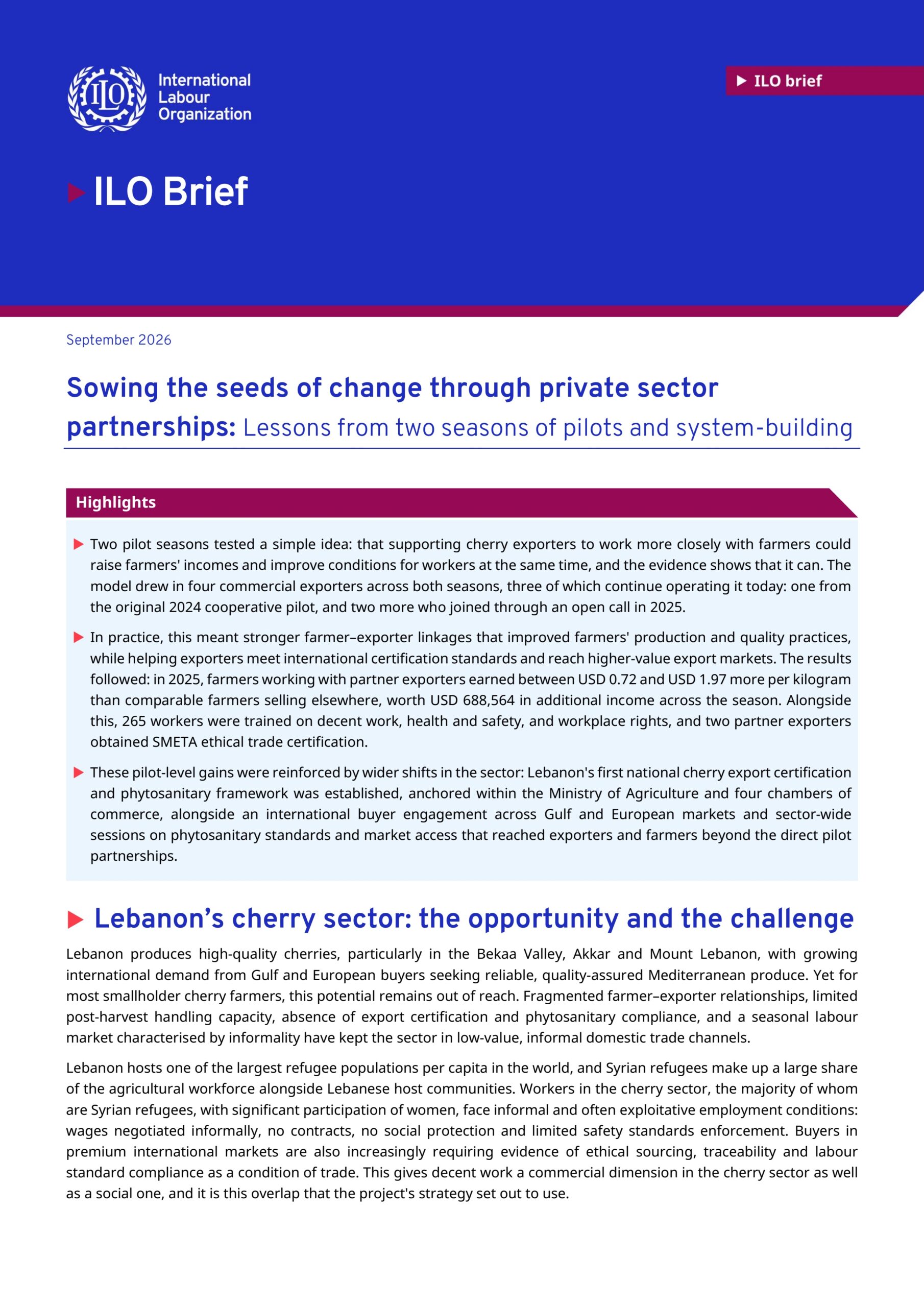
Sowing the seeds of change through private sector partnerships: Lessons from two seasons of pilots and system-building
This ILO report evaluates the BOUZOUR project's efforts to strengthen Lebanon’s cherry sector through private sector partnerships. By establishing a national phytosanitary framework and improving exporter-farmer linkages, the initiative increased farmer incomes by USD 688,564 in 2025, enhanced worker conditions, and expanded access to high-value international markets.
Public finance in the digital era: Emerging themes 2026
This report explores emerging themes in digital-era public financial management (PFM) for 2026. It examines the integration of artificial intelligence, digital public infrastructure, and earth observation to improve fiscal oversight, tax administration, and public welfare, while highlighting risks from declining international aid and proprietary software lock-in.


