
Library | ESG issues
Social
The social pillar in ESG (environmental, social, and governance) assesses a organisation’s impact on people and society. It covers labour practices, diversity and inclusion, human rights and community engagement. Prioritising social responsibility not only benefits society but also mitigates risks, strengthens reputation, and creates long-term value for businesses and investors.
Refine
1118 results
REFINE
SHOW: 16


FINRA's Fund Analyzer
The FINRA Fund Analyzer helps finance professionals assess fees, expenses, and potential savings for mutual funds, ETFs, and exchange-traded products. It provides detailed cost comparisons and projections to support informed investment decisions. Suitable for evaluating long-term fund performance and cost efficiency in the UK and Australian markets.

Modern slavery UK benchmark reports
The CCLA Modern Slavery UK Benchmark is an annual benchmark series assessing how major UK-listed companies disclose and act on modern slavery risks in their operations and supply chains, supporting investor engagement and improved corporate practice on human rights due diligence.

The real effects of supply chain transparency regulation – Evidence from Section 1502 of the Dodd-Frank Act
Section 1502 of the Dodd-Frank Act requires firms to disclose if they source conflict minerals from the Democratic Republic of Congo (DRC). The report shows that increased public attention leads to responsible sourcing, which mitigates conflicts in mining regions. Certified smelters play a key role in these efforts.
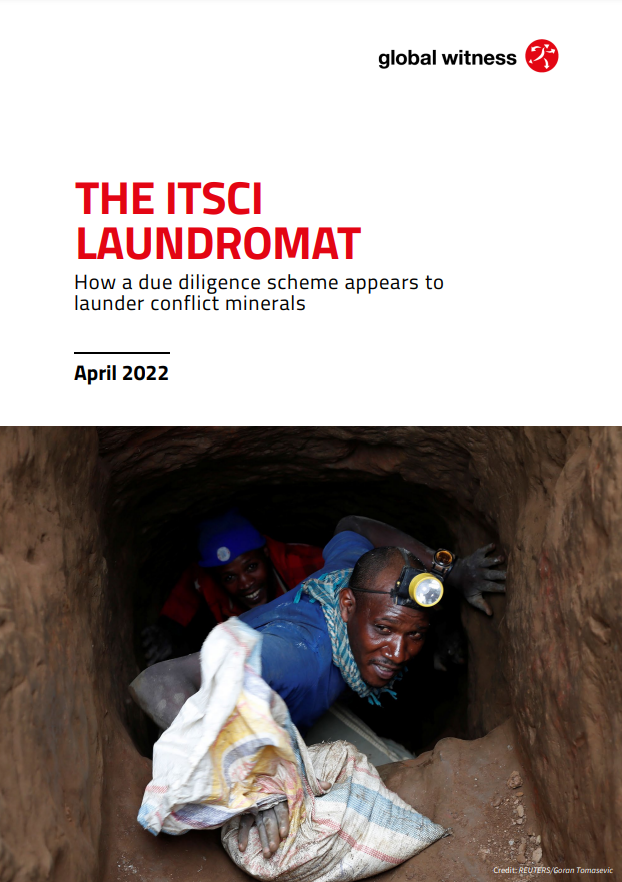
The ITSCI laundromat: How a due diligence scheme appears to launder conflict minerals
This report investigates how the International Tin Supply Chain Initiative (ITSCI) allegedly launders conflict minerals from mines in the Democratic Republic of Congo. It highlights serious failings in the traceability system, enabling smuggling, militia involvement, and child labour in the mineral trade. Recommendations include structural reforms and stricter enforcement by governments and companies.
Combining AI and domain expertise to assess corporate climate transition disclosures
This paper introduces an assessment framework for corporate disclosures on climate transition strategies. It identifies 64 indicators from 28 frameworks, develops a natural language processing (NLP) tool to automate disclosure assessment, and analyses disclosures of carbon-intensive companies. The findings reveal that companies often prioritise reporting targets over concrete implementation actions.

Standard for Responsible Mining and Mineral Processing 2.0
The IRMA Standard for Responsible Mining and Mineral Processing 2.0 (Draft Version) outlines best practices for mining, mineral development, and processing to enhance environmental and social responsibility. It aims to improve industry standards, promote transparency, and support compliance with local and international regulations.
IRMA Standard for Responsible Mining IRMA-STD-001
The Standard for Responsible Mining sets out best practices for industrial-scale mining. It focuses on social, environmental, and economic aspects, providing third-party certification for responsible performance. The Standard covers areas such as community engagement, human rights, and environmental management, aiming to promote transparency, improve mining practices, and support positive legacies for communities and ecosystems.
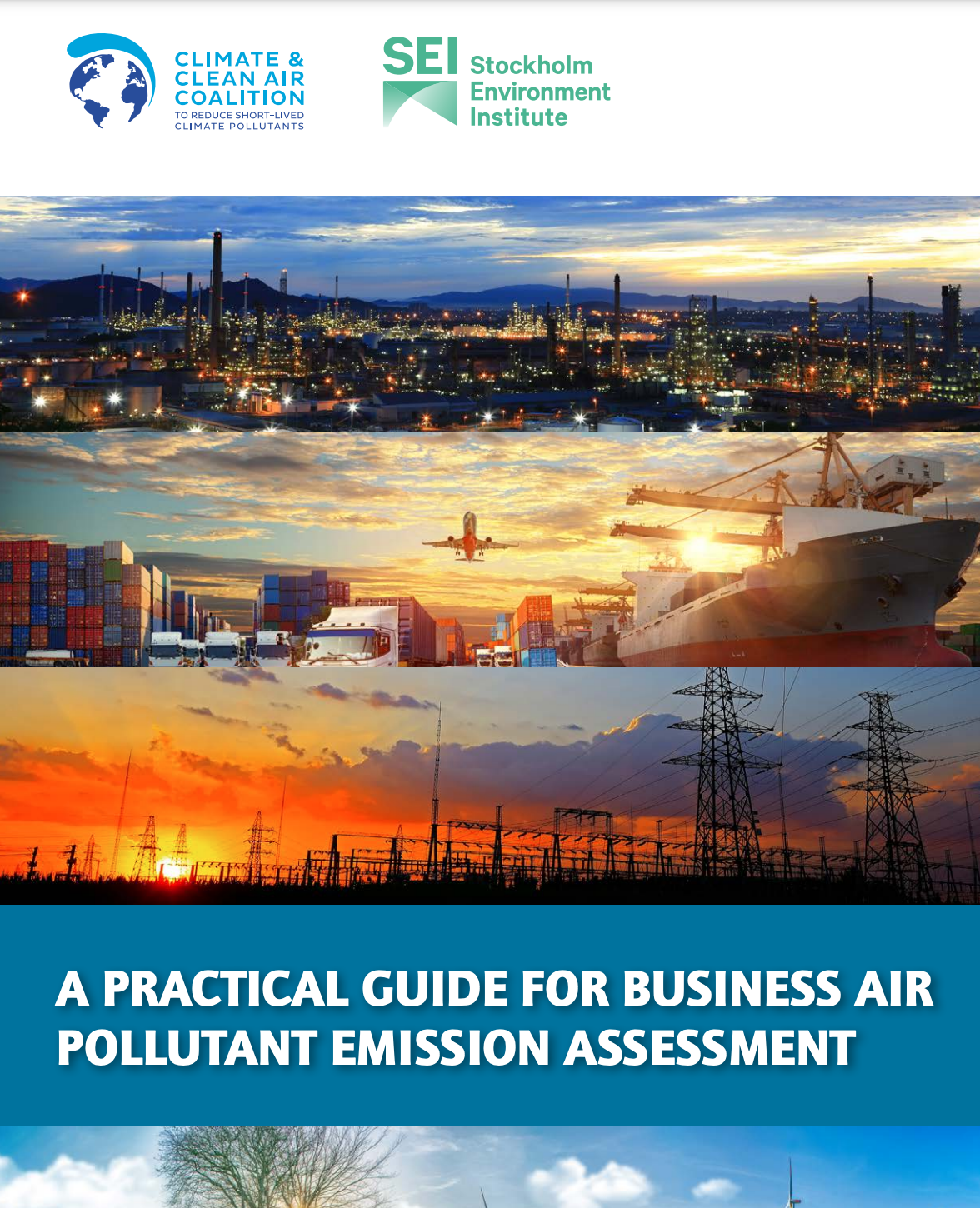
A practical guide for business: Air pollutant emission assessment
This guide provides businesses with a framework to quantify air pollutant emissions along their value chains. It offers methodologies for assessing emissions from key sources such as electricity, fuel combustion, and transportation, helping businesses reduce pollutants and support better health outcomes and environmental sustainability.

Climate and Clean Air Coalition (CCAC)
Climate and Clean Air Coalition (CCAC) is a global partnership working to reduce short-lived climate pollutants like methane, black carbon, and HFCs. By focusing on key sectors, CCAC promotes strategies that simultaneously improve air quality and combat climate change. Explore their initiatives to support sustainable development and climate resilience.

The conflict minerals handbook: Your guide to compliance
This report outlines best practices for complying with conflict minerals regulations. It covers the definition of conflict minerals, due diligence processes, and the broader impact of responsible sourcing. Key guidelines include using the OECD Due Diligence framework and tools like the Conflict Minerals Reporting Template (CMRT) for supply chain transparency.

Material insights
Material Insights is a tool to help companies and stakeholders manage environmental, social, and governance (ESG) risks in mineral supply chains. It provides data-driven insights on specific minerals, supporting responsible sourcing and sustainability efforts in the raw materials sector.
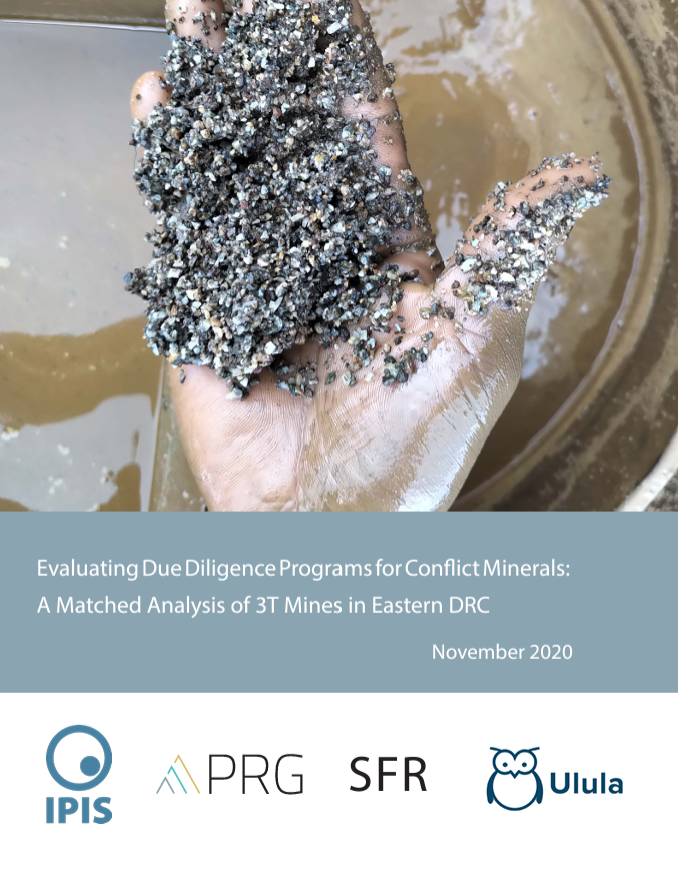
Evaluating due diligence programs for conflict minerals: A matched analysis of 3T mines in eastern DRC
This report evaluates the impact of due diligence programs (DDP) on 3T mines (tin, tantalum, and tungsten) in Eastern DRC. It finds reductions in interference by armed forces, increased state presence, but no significant changes in child labour rates. Economic improvements are noted, but DDP does not eliminate all mining-related harms.

Ulula
Ulula offers innovative solutions for responsible supply chains and worker engagement. Their platform provides real-time data collection and analysis to help organisations monitor human rights risks and ensure ethical sourcing. Ulula enables businesses to drive transparency, reduce modern slavery risks, and meet global sustainability and compliance standards effectively.

Sub-Saharan Field Research and Consultancies (SFR)
Sub-Saharan Field Research and Consultancies (SFR) is a Nairobi-based organisation providing expert research, consulting, and training services across Africa. Specialising in social and environmental impact assessments, SFR supports sustainable development initiatives by delivering actionable insights. Clients include governments, NGOs, and private sector firms.

Project on Resources and Governance (PRG)
Project on Resources and Governance (PRG) focuses on improving natural resource governance to benefit local communities in resource-rich countries. Through research and partnerships with governments, organisations, and institutions, PRG aims to create evidence-based solutions that enhance resource management, reduce conflicts, and promote sustainable development.

Practical guide to minerals due diligence implementation
This guide provides practical steps for companies to implement due diligence in their mineral supply chains, aligning with OECD, SEC, and EU regulations. It focuses on establishing strong management systems, identifying and mitigating supply chain risks, and ensuring compliance with responsible sourcing standards to prevent human rights abuses and support ethical mineral sourcing practices.


