
Library | ESG issues
Social
The social pillar in ESG (environmental, social, and governance) assesses a organisation’s impact on people and society. It covers labour practices, diversity and inclusion, human rights and community engagement. Prioritising social responsibility not only benefits society but also mitigates risks, strengthens reputation, and creates long-term value for businesses and investors.
Refine
1137 results
REFINE
SHOW: 16


Doughnut of social and planetary boundaries monitors a world out of balance series
This series presents the Doughnut Economics framework, which assesses economic progress by balancing social foundations with ecological limits. It provides a structured approach to understanding whether human activity meets essential needs while remaining within planetary boundaries, supporting analysis, comparison and application across global, national and local contexts.
State of transition in sovereigns series
Assessing Sovereign Climate-related Opportunities and Risks (ASCOR) is a benchmark series that provides an investor-led framework to assess how sovereigns manage climate-related risks and opportunities. It supports sovereign bond analysis, engagement, and comparison by evaluating national policies, emissions pathways, and climate finance using transparent, publicly available information.
Transition forecast series
This benchmark series presents forward-looking assessments of global energy, land use and nature transitions. It consolidates expert judgement with structured policy tracking to outline plausible transition pathways across major economies, supporting investors and financial institutions in scenario analysis, risk assessment and strategic planning.

TuK Indonesia
Transformasi untuk Keadilan Indonesia (TuK INDONESIA) is an Indonesian non-governmental organisation based in Jakarta advocating human rights, social justice and environmental accountability in agribusiness, natural resources and finance sectors. It conducts research, campaigns and advocacy to promote sustainable finance, corporate accountability and protection of vulnerable communities.
Indicators of global climate change 2024: Annual update of key indicators of the state of the climate system and human influence series
This series provides annual, peer-reviewed updates on key indicators of the global climate system and human influence. It tracks developments between IPCC assessment cycles, using consistent methods to support comparability, transparency, and evidence-based decision-making for policy and finance audiences.
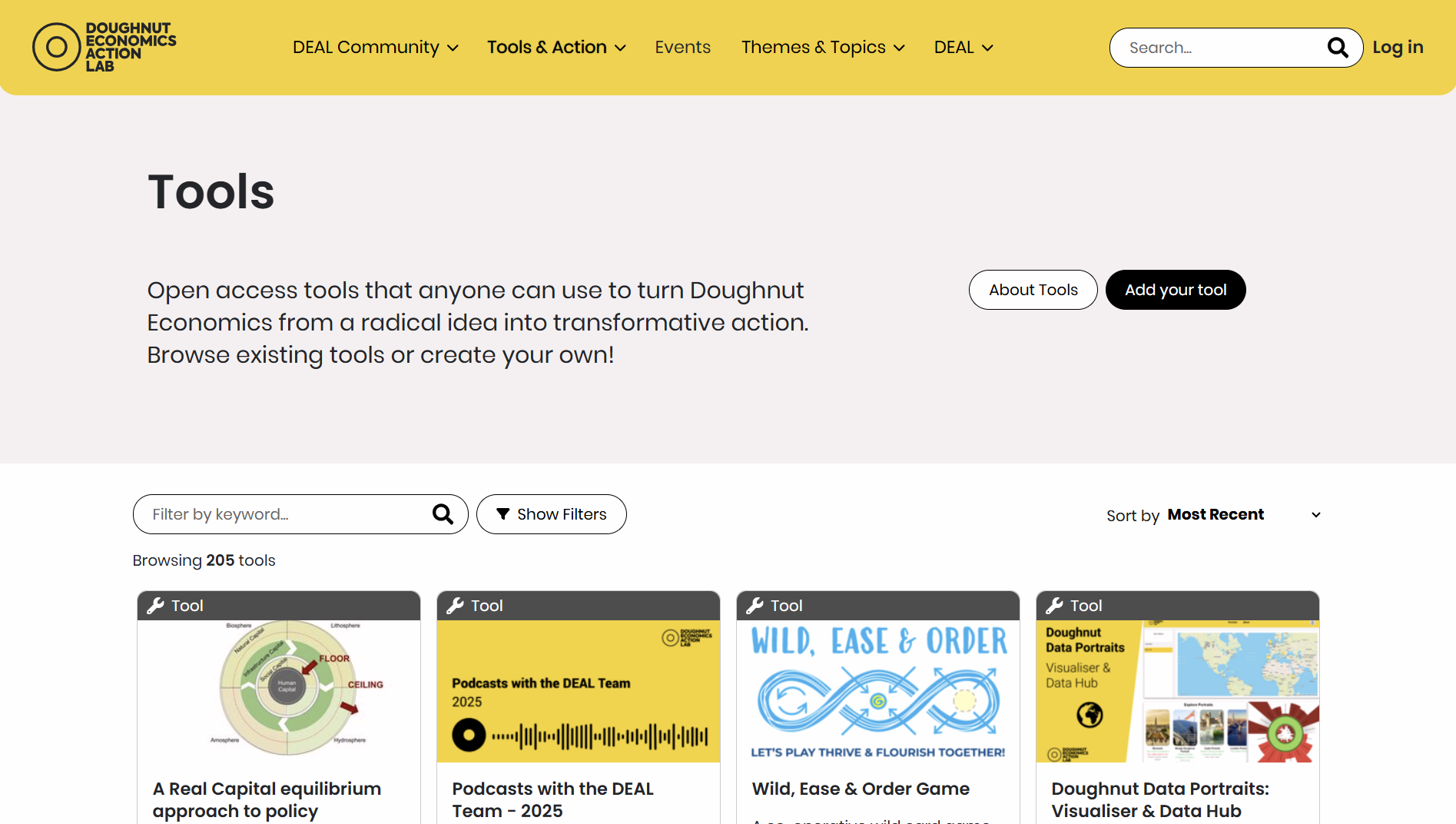
Doughnut Economics Action Lab
Doughnut Economics Action Lab tools provide practical frameworks, guides, and interactive resources to apply Doughnut Economics in policy, business, and place-based contexts, supporting decision-making that balances social foundations with ecological limits through evidence-informed, adaptable methodologies.
A path to post-growth pensions: How rethinking retirement savings could help us ensure wellbeing for all
This report examines how pension systems reliant on perpetual economic growth face systemic financial, social and environmental risks. It proposes reorienting pensions towards a post-growth framework, emphasising wellbeing and multicapital outcomes over financial returns alone, and outlines pathways and barriers for pension fund reform.
From promise to performance: Reforming blended finance for scale
This report examines why blended finance has failed to scale in emerging markets. Drawing on expert interviews and analysis, it identifies structural barriers and proposes reforms to improve transparency, risk pricing, liquidity, project pipelines and additionality, aiming to better mobilise private capital.
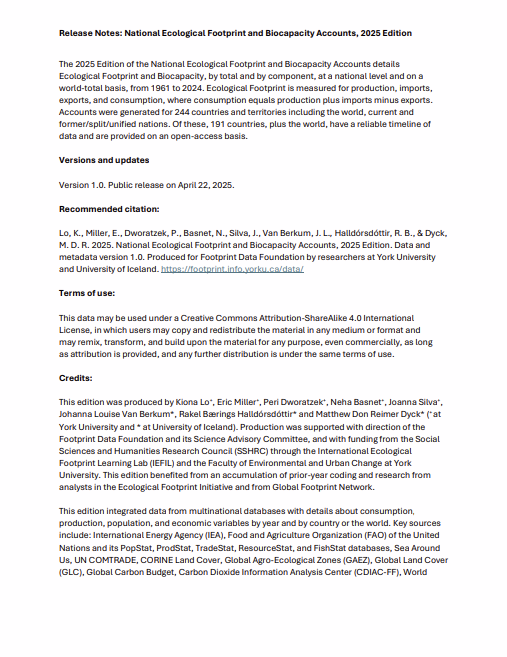
National ecological footprint and biocapacity accounts series
This series provides consistent national and global accounts of ecological footprint and biocapacity, tracking resource demand and regenerative capacity over time. It supports comparative analysis across countries and years, using harmonised methods and internationally sourced data to inform sustainability assessment and policy analysis.
Women’s equality in the workplace series
This research series examines workplace gender equality across publicly listed companies using a consistent assessment framework. It evaluates corporate policies, practices, and disclosures related to gender balance, pay equity, leadership representation, and inclusion to support comparative analysis and responsible investment decision-making.
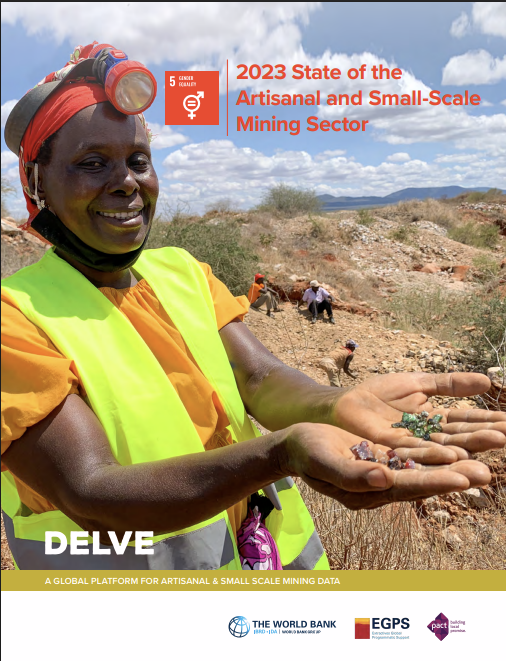
State of the artisanal and small-scale mining sector series
This series provides an overview of the artisanal and small-scale mining sector, examining its structure, operating context, and governance considerations. It explores economic, social, environmental, and regulatory dimensions to support informed analysis, comparison, and ongoing assessment of developments across the sector over time.
Global rights index series
This benchmark series provides an annual, country-level assessment of how governments and employers respect internationally recognised labour rights. It offers a consistent framework to compare workers’ rights protections across regions and over time, supporting analysis of legal conditions, enforcement practices, and systemic risks affecting working people.

International Trade Union Confederation (ITUC)
International Trade Union Confederation (ITUC) is a global trade union federation representing national union centres worldwide. It advocates for workers’ rights, democracy, and social justice through research, policy advocacy, and campaigns. ITUC publishes the Global Rights Index and engages with governments, employers, and multilateral institutions on labour standards globally issues.
Advancing gender equality and women’s empowerment: Target setting guidance for banks
This guidance outlines how banks can set and implement measurable targets to advance gender equality and women’s empowerment across leadership, portfolios, financial inclusion and ecosystems, aligned with the Principles for Responsible Banking and Women’s Empowerment Principles.
Mobilising investment for climate adaptation
This report assesses Australia’s escalating climate risks and argues for scaling adaptation investment. It recommends improved valuation methods, a nationally coordinated adaptation investment framework, and diversified public-private financing mechanisms to reduce long-term economic damage and enhance resilience.
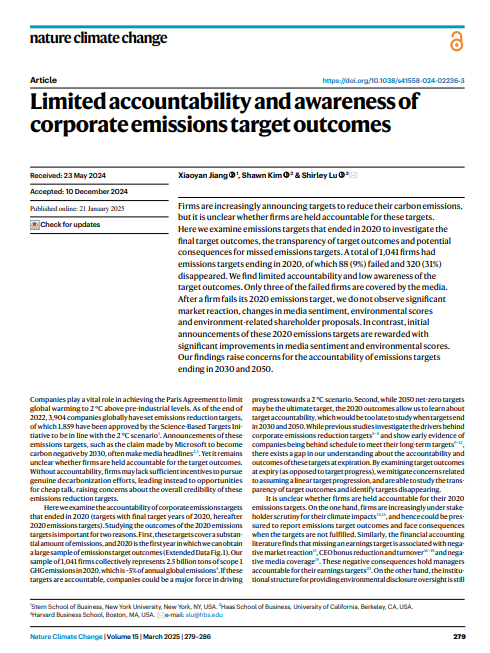
Limited accountability and awareness of corporate emissions target outcomes
The study analyses 1,041 corporate emissions targets ending in 2020, finding limited accountability. Thirty-one per cent of targets disappeared and 9% failed, with minimal disclosure, media attention or market penalties. By contrast, target announcements improved media sentiment and ESG scores, raising concerns for future climate targets.


