
Library | ESG issues
Social
The social pillar in ESG (environmental, social, and governance) assesses a organisation’s impact on people and society. It covers labour practices, diversity and inclusion, human rights and community engagement. Prioritising social responsibility not only benefits society but also mitigates risks, strengthens reputation, and creates long-term value for businesses and investors.
Refine
1331 results
REFINE
SHOW: 16


Firm pay, amenities, and inequality
This research assesses firm-specific amenity valuations using discrete choice experiments linked to German administrative records. It finds that amenities widen between-firm inequality by 20% in variance terms. Furthermore, gender differences in valuations contribute to female sorting into lower-wage firms, as women prioritise non-wage attributes more highly.
Firm data on AI
This research provides international data on firm-level artificial intelligence adoption across the US, UK, Germany, and Australia. While current impacts on employment and productivity are small, senior executives predict a 1.4 per cent productivity boost and a 0.7 per cent reduction in employment over the next three years.
AI managed household portfolios: A preliminary report
This research investigates AI-managed household portfolios, finding that large language models recommend undiversified portfolios concentrated in high-momentum, large-cap technology stocks. While returns may exceed market benchmarks, they do not provide abnormal returns when adjusted for risk characteristics. Recommendations are primarily driven by media attention rather than investment skill.
Seeing the goal, missing the truth: Human accountability for AI bias
Research demonstrates that Large Language Models exhibit purpose-conditioned bias when informed of downstream tasks. Goal-aware prompting leads to in-sample overfitting and inflated performance before knowledge cutoffs. Results indicate that disclosing objectives compromises neutrality, necessitating the separation of measurement and evaluation in AI-assisted workflows to ensure statistical validity.
Disaster resilience scorecard for cities: Addendum for extreme heat risk management
An addendum to the Disaster Resilience Scorecard for Cities, this tool helps local governments assess and strengthen extreme heat risk management. It uses 18 indicators to evaluate governance, infrastructure, and financial planning to build long-term urban resilience against rising temperatures.
Coller FAIRR seafood index methodology: May 2026
The Coller FAIRR Seafood Index Methodology outlines the framework for assessing 20 global companies across 16 material topics. It details a bottom-up scoring process, ranging from 0 to 100, and a four-step production cycle. The index measures corporate maturity in response to environmental and social risks in the seafood industry.
An engaged market: The 2026 state of stewardship report, prepared by the Aotearoa New Zealand stewardship code
This report examines stewardship reporting across New Zealand's investment market for 2025. Representing 20 signatories with $3.8 trillion in assets, it highlights maturing practices in collaborative engagement, escalation, and voting transparency. The document notes increased integration of te ao Māori and provides guidance on strengthening stewardship and voting policies.
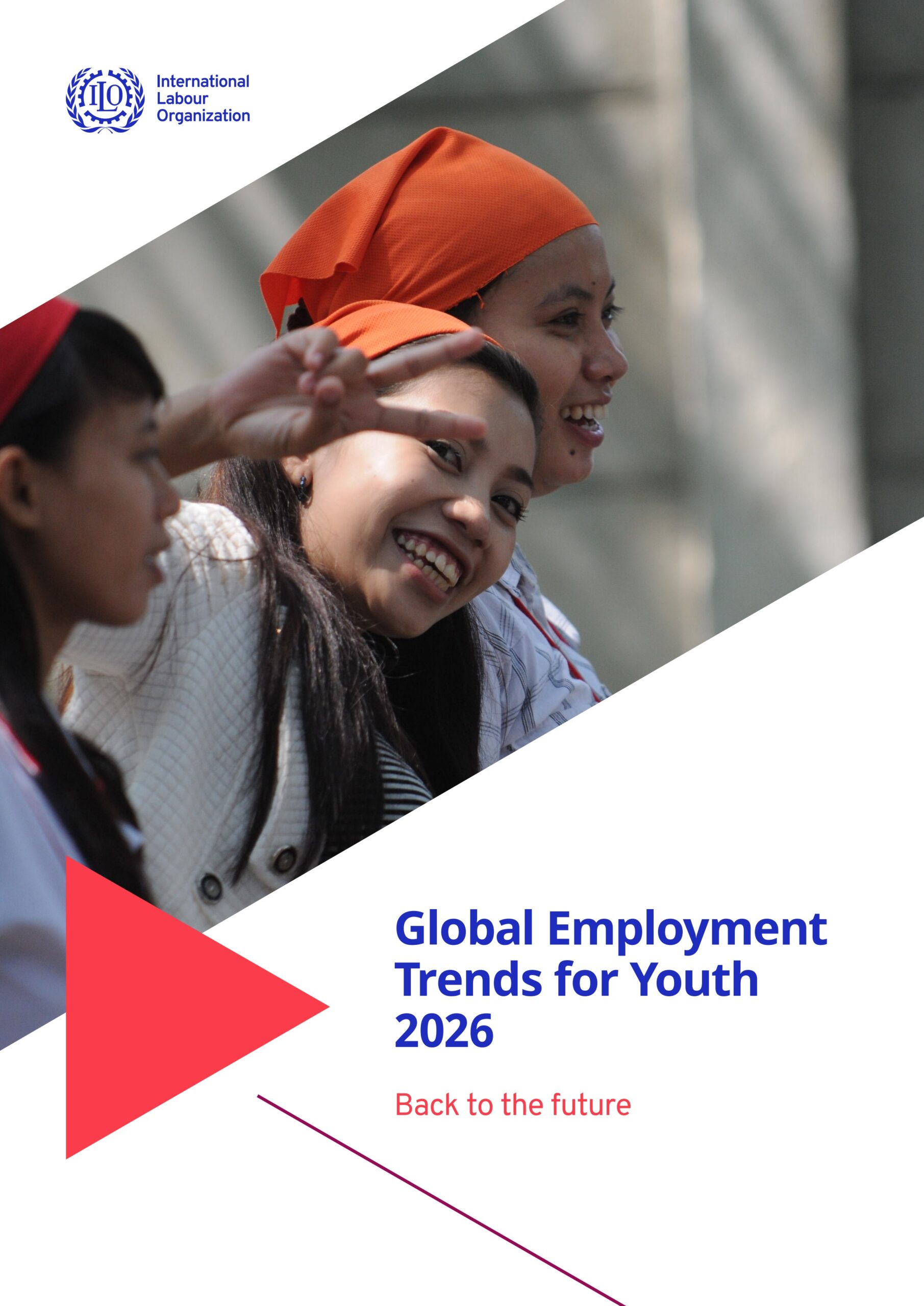
Global employment trends for youth 2026: Back to the future
The Global Employment Trends for Youth 2026 report highlights a stalled post-pandemic recovery, with global youth unemployment reaching 12.4 per cent. It examines rising NEET rates, artificial intelligence impacts, and job experience inflation, while advocating for bold, adaptive policies to ensure secure, decent work pathways for young people.
Artificial intelligence and sustainability transitions: Emergent opportunities, risks, and governance
This report examines the intersection of artificial intelligence and sustainability transitions, detailing opportunities and risks across environment, energy, labour, finance, and democracy. It proposes a three-layered governance framework and a phased roadmap for global scientific alignment, interim safety measures, and a binding international framework convention to ensure societal well-being.
Preference for explainable AI
This research investigates the demand for explainable AI in high-stakes credit settings. It finds that decision-makers strategically avoid explanations that reveal racial or gender bias to preserve moral wiggle room. Additionally, behavioural biases cause individuals to undervalue explanations even when they complement private information and improve decision accuracy.
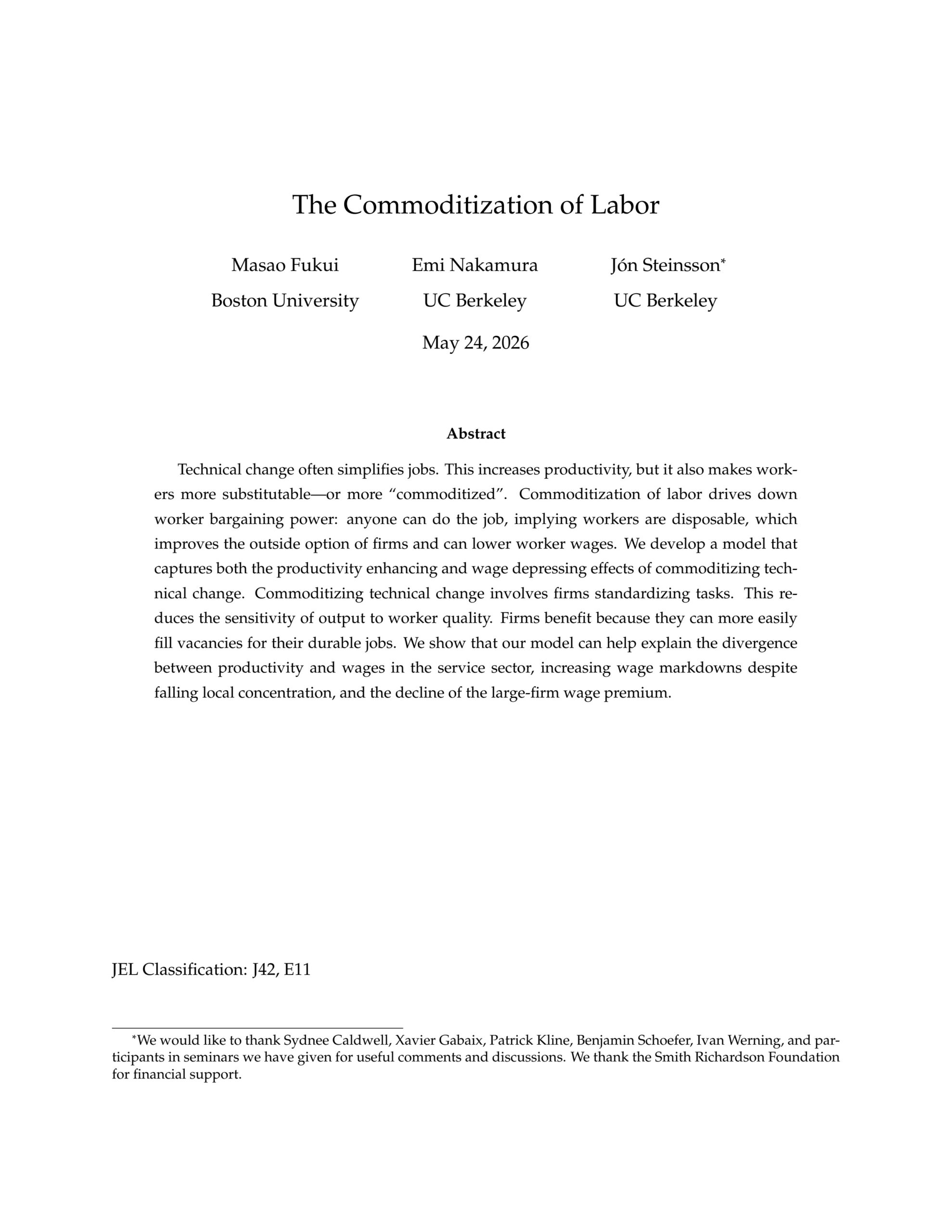
The commoditization of labor
This research examines how technological standardisation commoditises labour by making workers interchangeable. It develops a model showing that while this process increases productivity, it simultaneously reduces worker bargaining power and wages. This framework explains the declining large-firm wage premium and the divergence between productivity and pay in services.
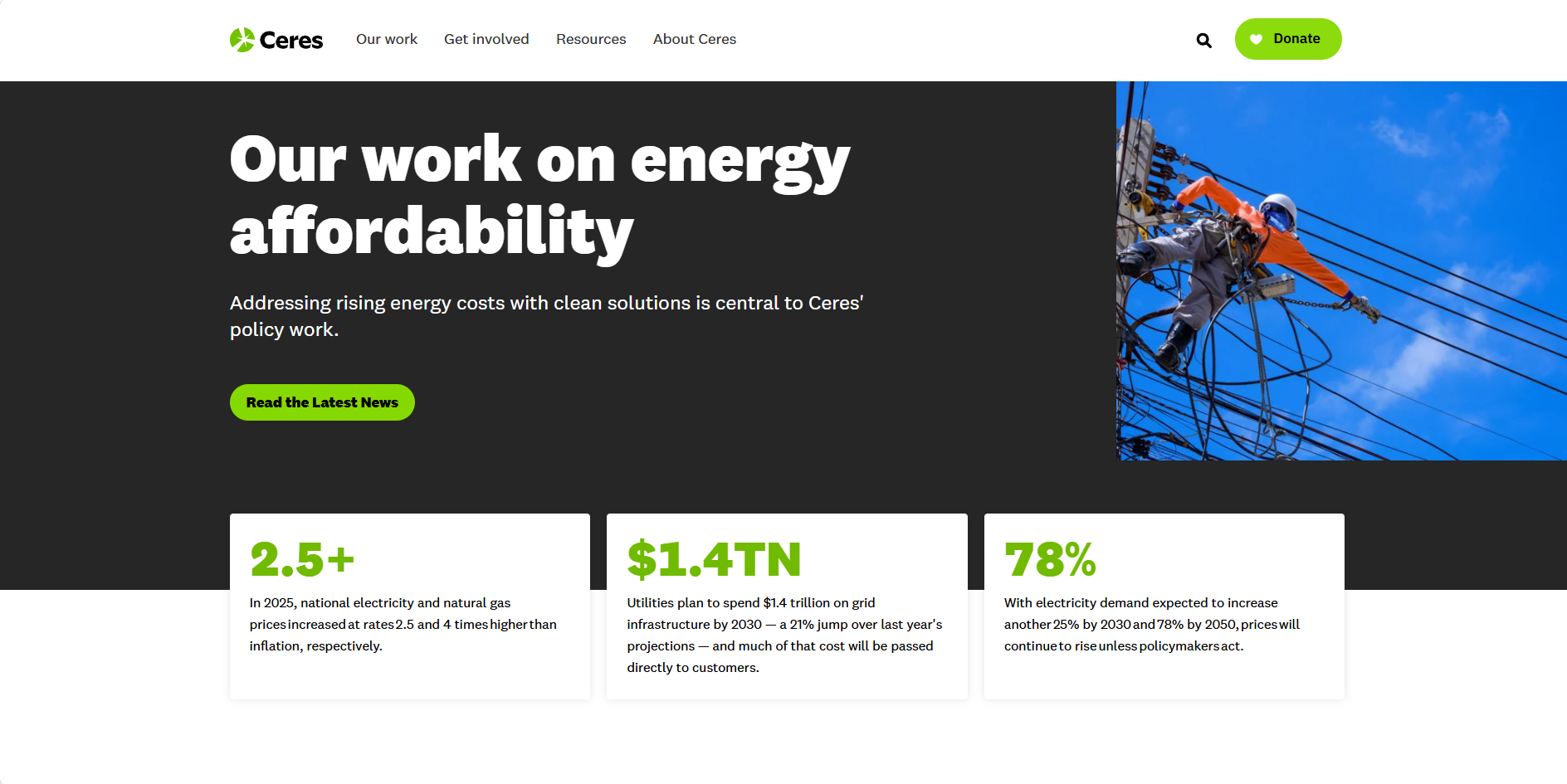
Ceres: Our work on energy affordability
A Ceres initiative and playbook focused on curbing rising energy prices through clean energy expansion, providing policymakers and investors with strategies for a modern, efficient, and affordable energy system.

The hidden human cost of content moderation and data labelling
This report examines the hidden human costs of content moderation and data labelling in Colombia, Kenya, and the Philippines. It details systemic physical, psychological, and economic harms caused by lead firm power, informal employment, and intense target pressure, while identifying significant barriers to corporate accountability and worker rights.

Tiny plastics big problem: The hidden risks of plastic pouches for baby food
Greenpeace research identifies significant microplastic contamination in Danone and Nestlé baby food pouches. The report highlights the rapid market shift towards flexible plastic packaging, outstripping regulatory protections. It recommends a 75% reduction in plastic production by 2040 and urges manufacturers to prioritise non-toxic, reusable alternatives to protect infant health.

Women's empowerment principles series
This series examines how businesses integrate women’s empowerment and gender equality across leadership, workplaces, marketplaces and communities. It uses the Women’s Empowerment Principles Gender Gap Analysis Tool to assess corporate policies and practices, support benchmarking and identify opportunities for businesses to strengthen gender equality approaches over time.

ICMA's guidance handbooks series
This guidance series provides a comprehensive set of questions and answers regarding the application of the Green Bond Principles, Social Bond Principles, Sustainability Bond Guidelines, and Sustainability-Linked Bond Principles. It serves as a benchmark series for the sustainable bond market, promoting transparency and standardisation across various financial debt instruments.


