
Library | SDGs
GOAL 11: Sustainable Cities and Communities
Refine
194 results
REFINE
SHOW: 16


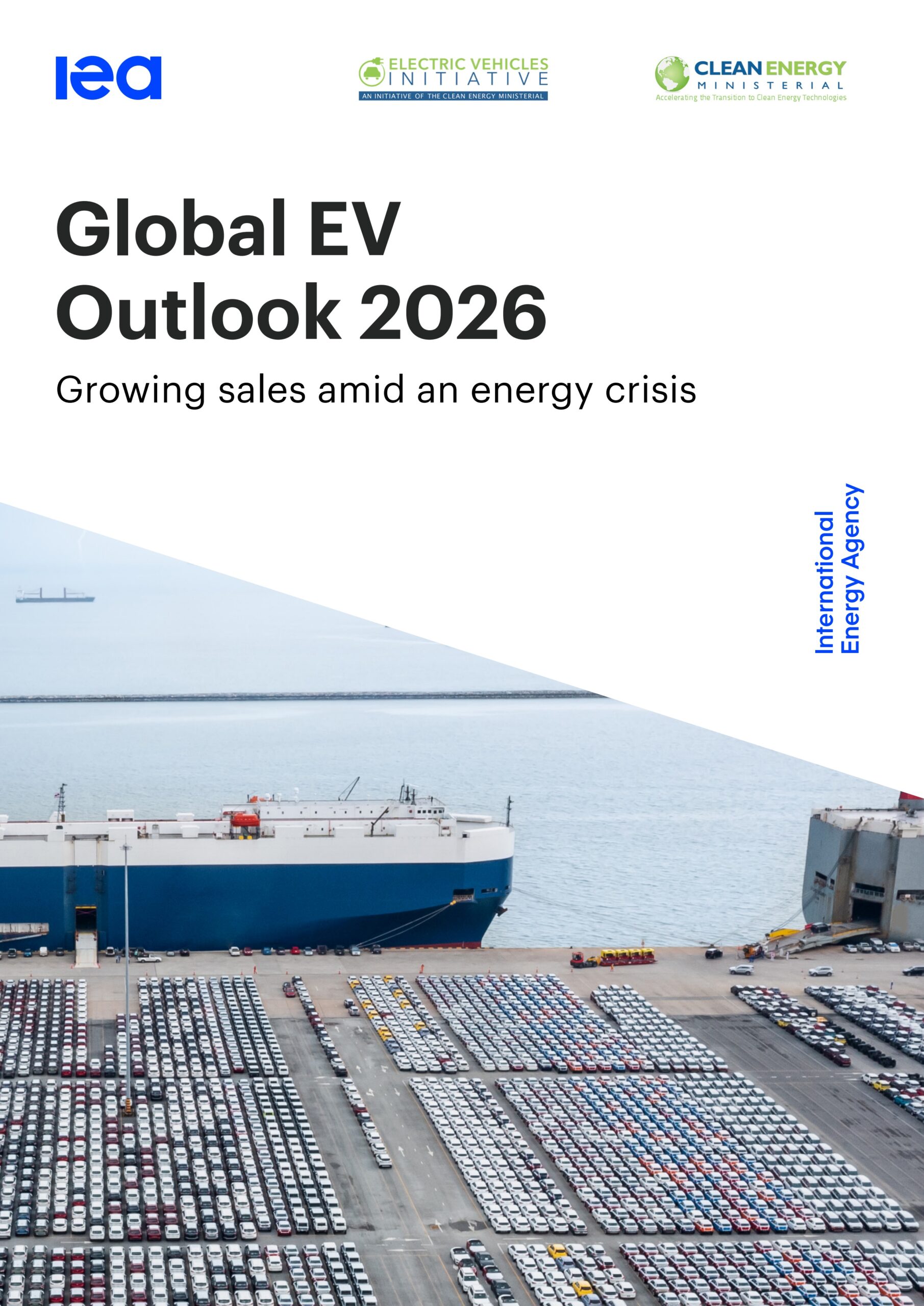
Global EV Outlook series
This benchmark series monitors recent developments in electric mobility across the globe. Produced annually, the report examines deployment of vehicles and infrastructure, battery demand, and policy developments. It evaluates the implications of growing adoption for energy consumption and emissions across major and emerging markets.

Handbook: Harmonised framework for impact reporting for social bonds
This handbook provides a harmonised framework for impact reporting on social bonds. It outlines core principles, recommendations, and sector-specific metrics for categories including affordable housing, essential services, and basic infrastructure. The document aims to enhance transparency and integrity in the social bond market through standardised reporting practices.
Disaster resilience scorecard for cities: Addendum for extreme heat risk management
An addendum to the Disaster Resilience Scorecard for Cities, this tool helps local governments assess and strengthen extreme heat risk management. It uses 18 indicators to evaluate governance, infrastructure, and financial planning to build long-term urban resilience against rising temperatures.

The climate premium on commercial real estate insurance
This report analyses rising insurance costs in the United States commercial real estate sector. It finds that premiums have surged 154% since 2017, driven by climate risk and reinsurance trends. High-risk markets face significant valuation erosion, with multi-family properties particularly impacted by increased financial burdens and pricing volatility.
A novel multilevel conceptual framework for flood risk governance
This research introduces a multilevel framework integrating flood hazard modelling, social vulnerability assessments, and risk communication. Designed for data-scarce environments, it addresses analytical silos by treating communication as a coequal component. The framework supports equitable decision-making through consequence-oriented risk surfaces and transparent uncertainty representation for municipal planning.
The price and distributional impact of flood risk disclosure: Evidence from US housing platforms
This research quantifies the impact of property-level flood risk disclosure on US housing prices and demographics. Homes labelled with 'extreme' risk saw a 3.3% price discount. Disclosure caused significant resorting, with lower-income, older, and FHA-financed buyers increasingly purchasing high-risk properties primarily due to reduced transaction prices.
The role of investors in measuring and achieving lower embodied carbon in real estate and infrastructure
This guidance outlines strategies for Australian investors to manage and reduce embodied carbon in real estate and infrastructure. It details a maturity pathway from benchmarking to achieving reductions, highlighting mandatory reporting requirements and strategic benefits. The document provides specific actions for equity and debt investors to align with net-zero pathways.
Exploring guarantees for resilient and low-carbon cities: Part 2: De-risking urban climate finance series
This report examines how guarantees can unlock private climate finance for cities. It identifies barriers to uptake in emerging markets, such as high costs and complex structures. Proposed solutions include strengthening governance, standardising products, and expanding regional facilities to mobilise the USD 4.3 trillion required annually by 2030.
Insurers' resilience toolkit: A practical taxonomy of climate adaptation and resilience measures
This research provides a practical taxonomy for the insurance sector to advance climate adaptation and resilience. Analysing over 200 measures, it highlights structural barriers and enabling conditions for scaling initiatives. The report advocates for a shift from post-event compensation towards proactive risk reduction and long-term stakeholder engagement.

Sector insights: Real estate series
Sustainable Fitch Sector Insights Report Series is a series providing analytical assessments of the sustainability profiles of different sectors. It examines sustainability impacts, ESG rating trends, sustainable finance developments, sector-specific issues, and relevant sustainability-related regulations to support finance professionals’ understanding of sector performance.
Scientific Climate Ratings
Scientific Climate Ratings delivers forward-looking, science-based climate risk ratings quantifying financial materiality of physical and transition risks for infrastructure assets globally.
Project Preparation Support Database (PPSD)
Searchable database of project preparation facilities and climate-focused incubators helping developers and investors access support for bankable climate projects.
Widening the lens: Scaling climate adaptation and resilience through sustainable finance
This report examines climate adaptation and resilience in sustainable finance, highlighting a significant financing gap in emerging markets and limited formal allocation in labelled debt markets. It argues for a broader lens that recognises resilience outcomes already embedded in policy-driven investments, using Ecuador's sovereign housing framework as a case study.
Urban heat risk management: Resource package
This resource package provides practical guidance for local and national governments on managing urban heat risks through governance, planning, nature-based solutions and emergency preparedness. Drawing on global evidence and city case studies, it outlines strategies to strengthen urban resilience to increasing extreme heat.
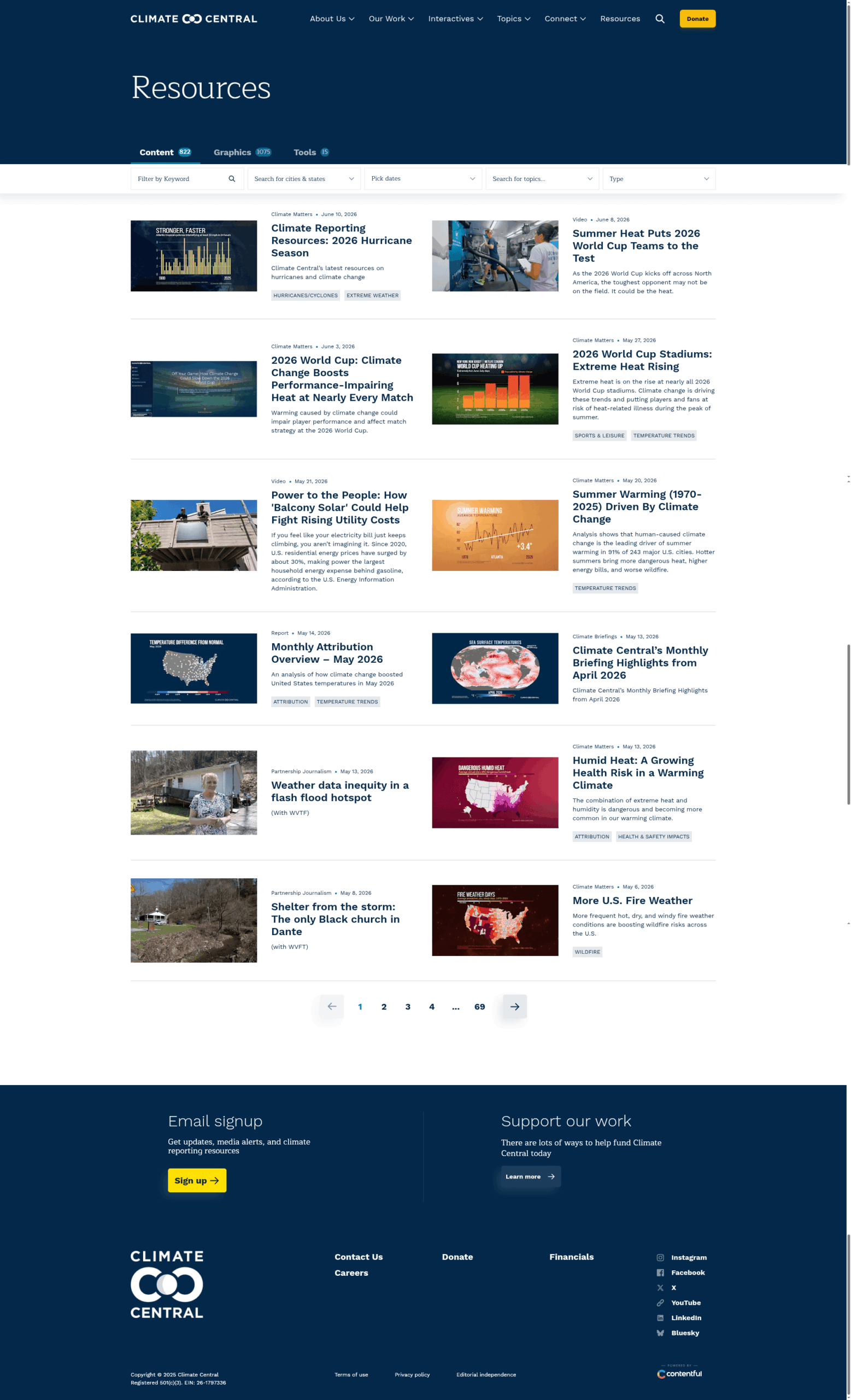
Climate Central
Climate Central Resources is an online library of climate science content, interactive tools, graphics and datasets. It provides evidence-based information on climate change impacts, extreme weather, sea level rise and climate risk, supporting analysis, communication and decision-making across sectors, including finance.
Airports and aviation emissions: The Airport Tracker as a tool for data-driven advocacy
This policy brief presents findings from the third update to the Airport Tracker, a global inventory covering the world's 1,300 busiest airports. Using 2023 data, it analyses CO₂ and local air pollution from passenger, freight and private jet flights, finding that aviation remains off track to meet net-zero goals.


