
Library | SDGs
GOAL 12: Responsible Consumption and Production
Refine
471 results
REFINE
SHOW: 16



State of the Industry: Cultivated meat, seafood, and ingredients series
This benchmark series is an annual State of the Industry series that provides a global overview of the cultivated meat, seafood and ingredients sector. It tracks commercial developments, investment activity, scientific and technological progress, consumer insights, and government and regulatory developments, assessing the sector’s progress towards large-scale commercialisation and adoption.
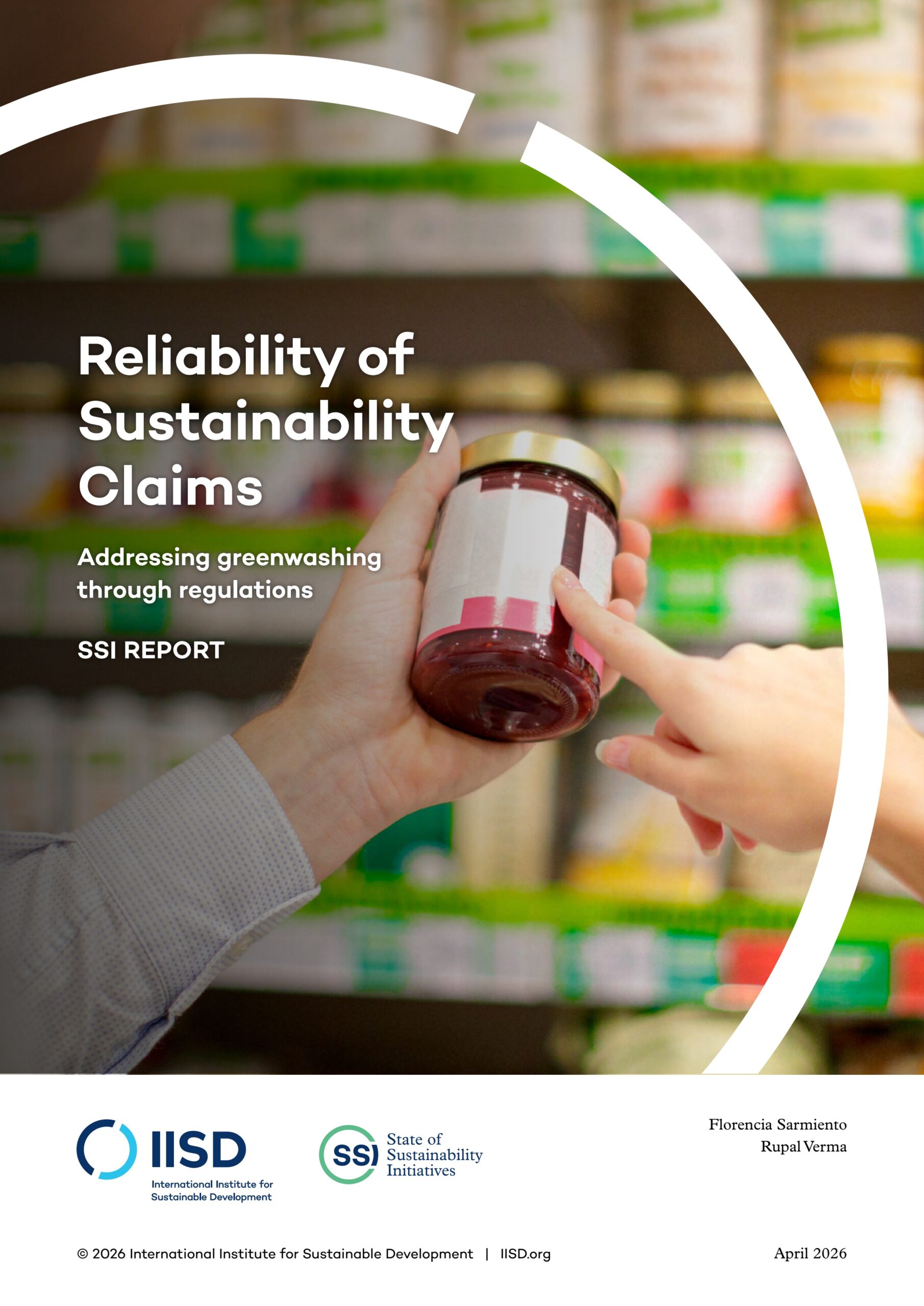
Reliability of sustainability claims: Addressing greenwashing through regulations
This report analyses 23 regulatory instruments across 12 jurisdictions to assess global responses to greenwashing. It highlights the reliance on cross-sectoral consumer protection laws and identifies challenges in substantiation. Recommendations include adopting proportionate approaches, investing in data infrastructure, and clarifying the role of voluntary sustainability standards.
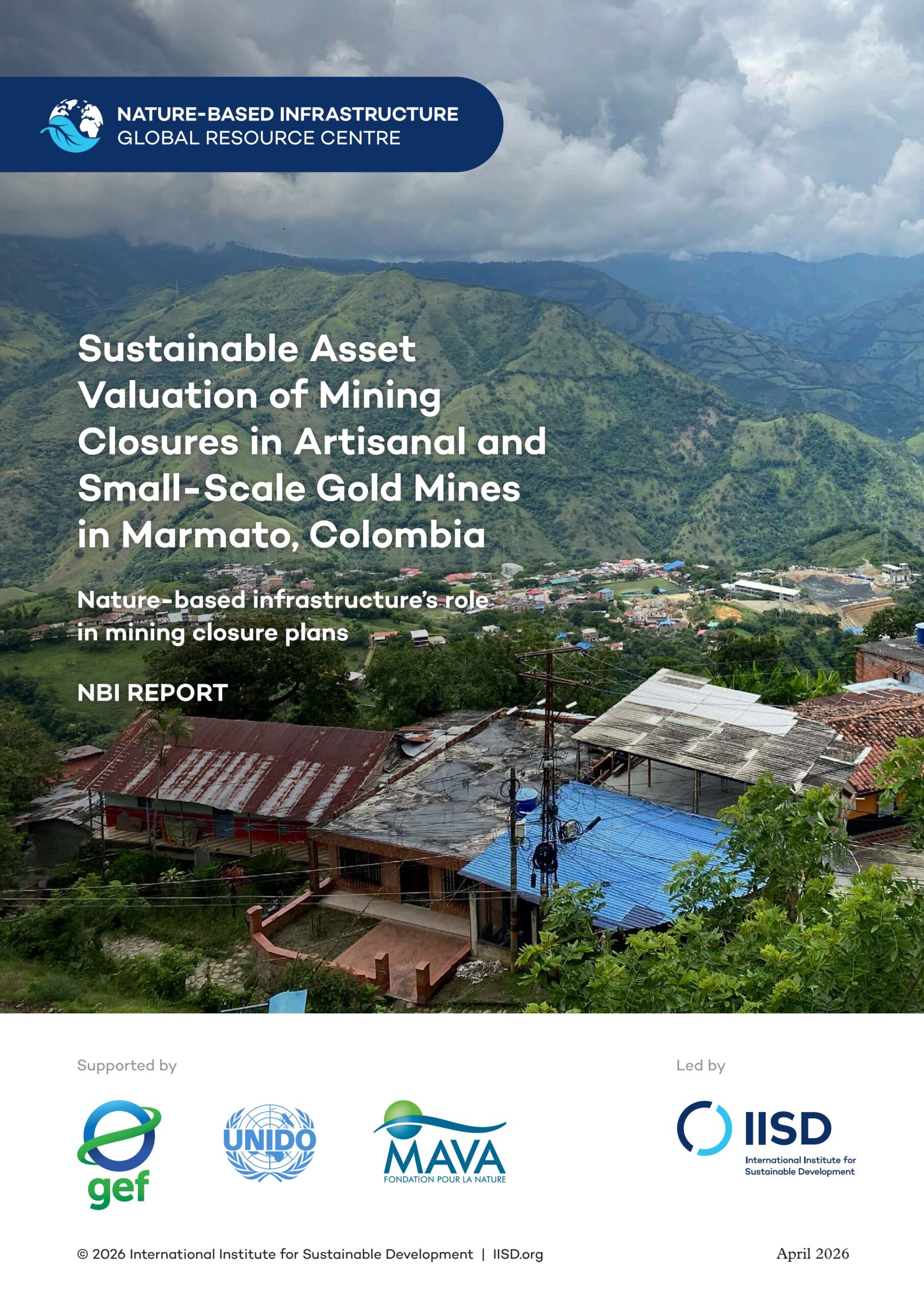
Sustainable asset valuation of mining closures in artisanal and small-scale gold mines in Marmato, Colombia: Nature-based infrastructure’s role in mining closure plans
This report assesses mine-closure strategies for artisanal and small-scale gold mining in Marmato, Colombia. Applying a systems-based valuation methodology, it highlights the economic and environmental benefits of progressive formalisation and closure, emphasising early risk reduction, physical stabilisation, and ecosystem rehabilitation to improve territorial safety.
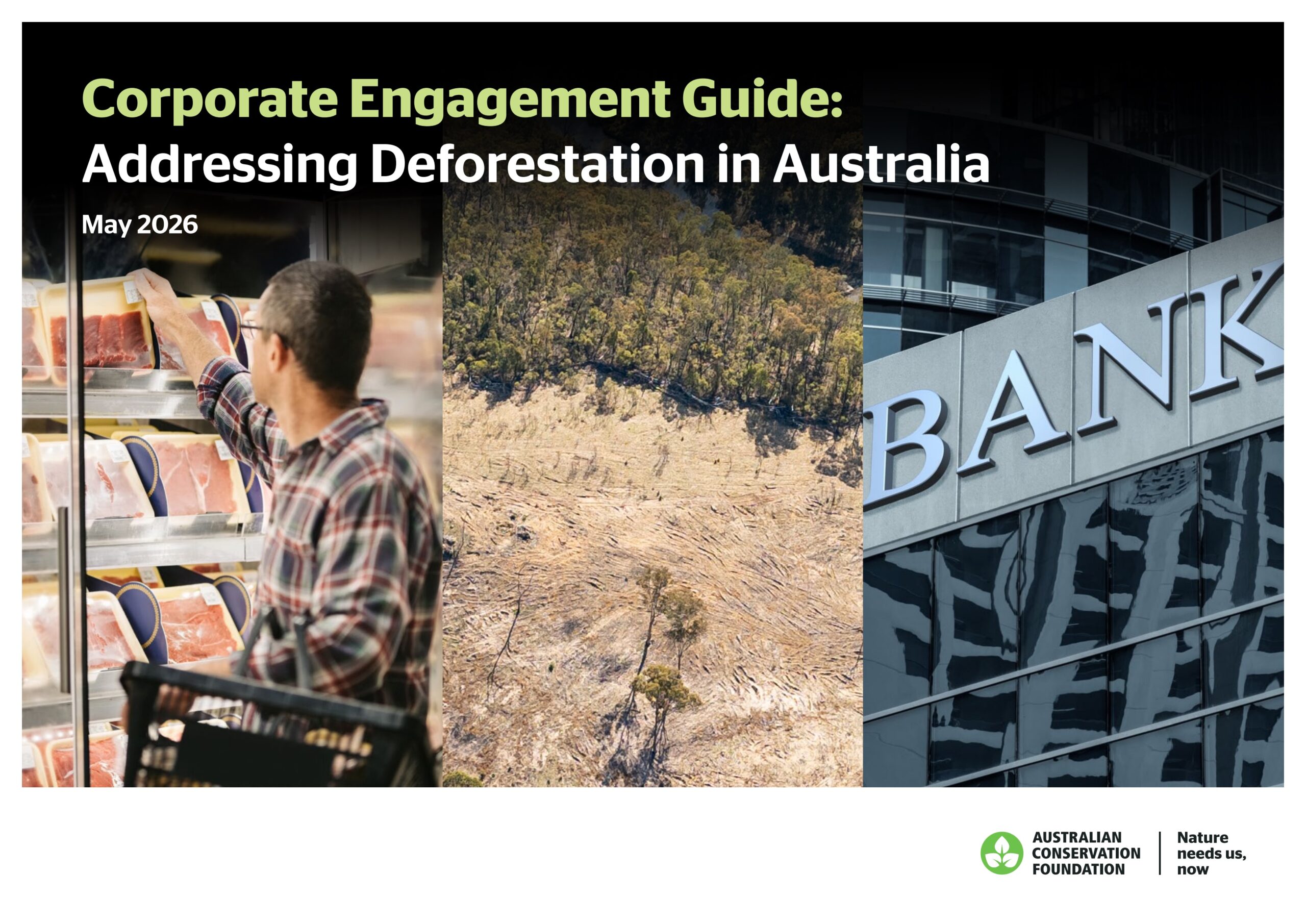
Corporate engagement guide: Addressing deforestation in Australia
This corporate engagement guide provides institutional investors with a step-by-step pathway to address deforestation within Australia's largest listed supermarkets and banks. It evaluates the current progress of major companies and offers actionable guidance to implement robust deforestation-free commitments, safeguard financial stability, and mitigate systemic economic risks.
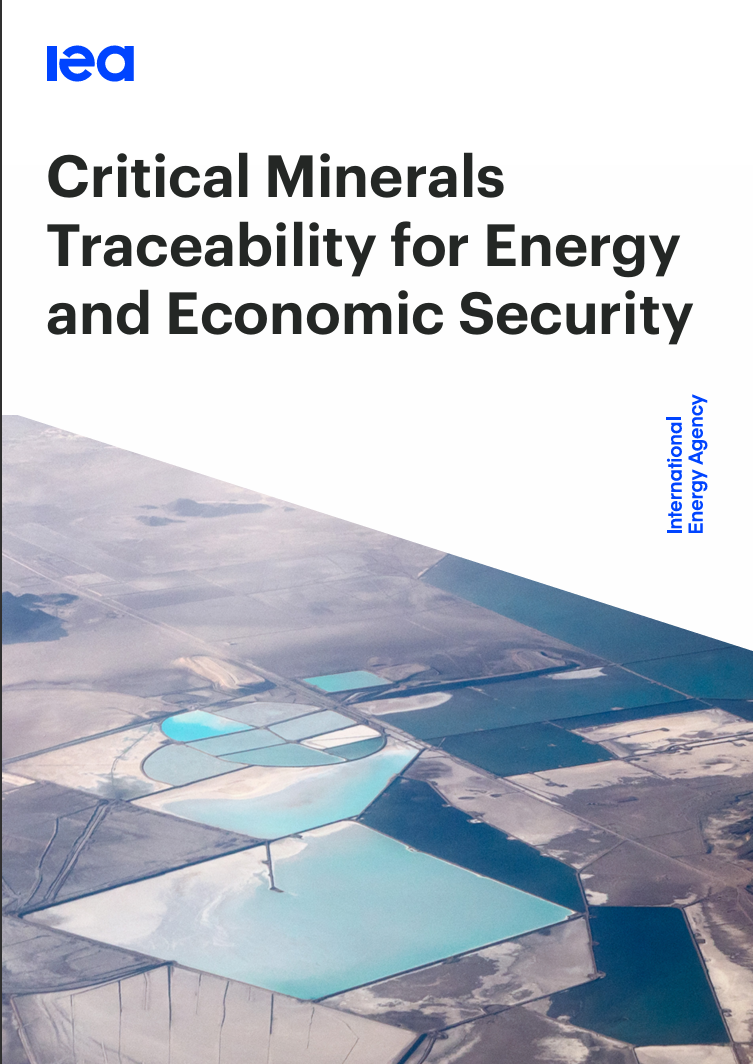
Critical minerals traceability for energy and economic security
IEA finds traceability systems can strengthen critical mineral supply chain resilience by improving visibility, diversification and responsible sourcing. Adoption is increasing but remains uneven due to costs, interoperability issues and limited incentives. The report recommends harmonised standards, financial support and international co-operation to improve energy and economic security.
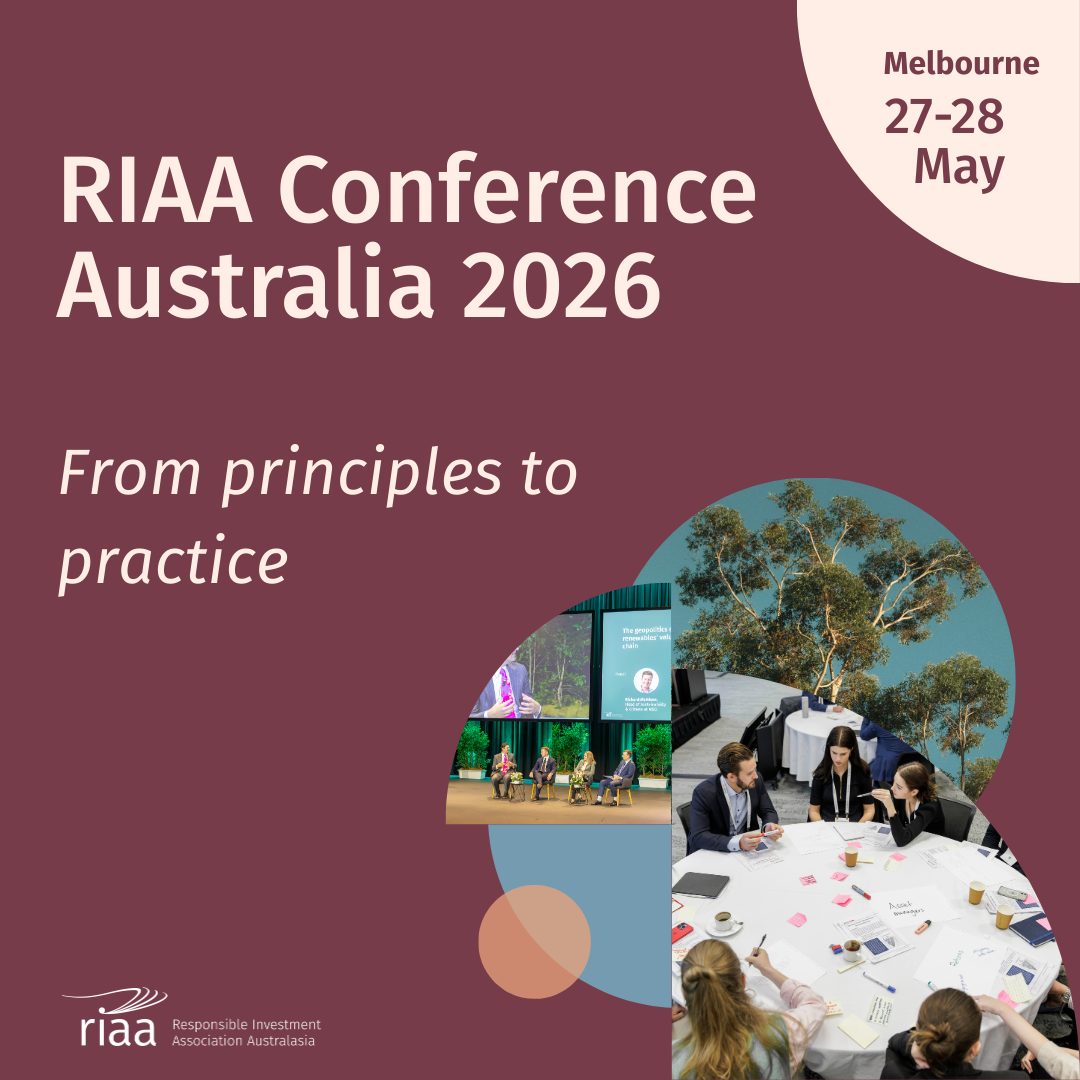
RIAA Conference Australia 2026 - Companion Resources
Responsible investment has moved well beyond principles and pledges. Today’s challenges require practical capability and informed judgement. The RIAA Conference is a must-attend event for finance, sustainability and industry practitioners who want to focus on the key themes for responsible investment in 2026 and what implementation really looks like. Designed as an immersive, hands-on experience, the program focuses on the systems that underpin strong financial performance, and will help you understand how climate, nature, technology, governance and regulation intersect.
These specially curated companion resources have been recommended by the conference speakers and Altiorem team.
These specially curated companion resources have been recommended by the conference speakers and Altiorem team.
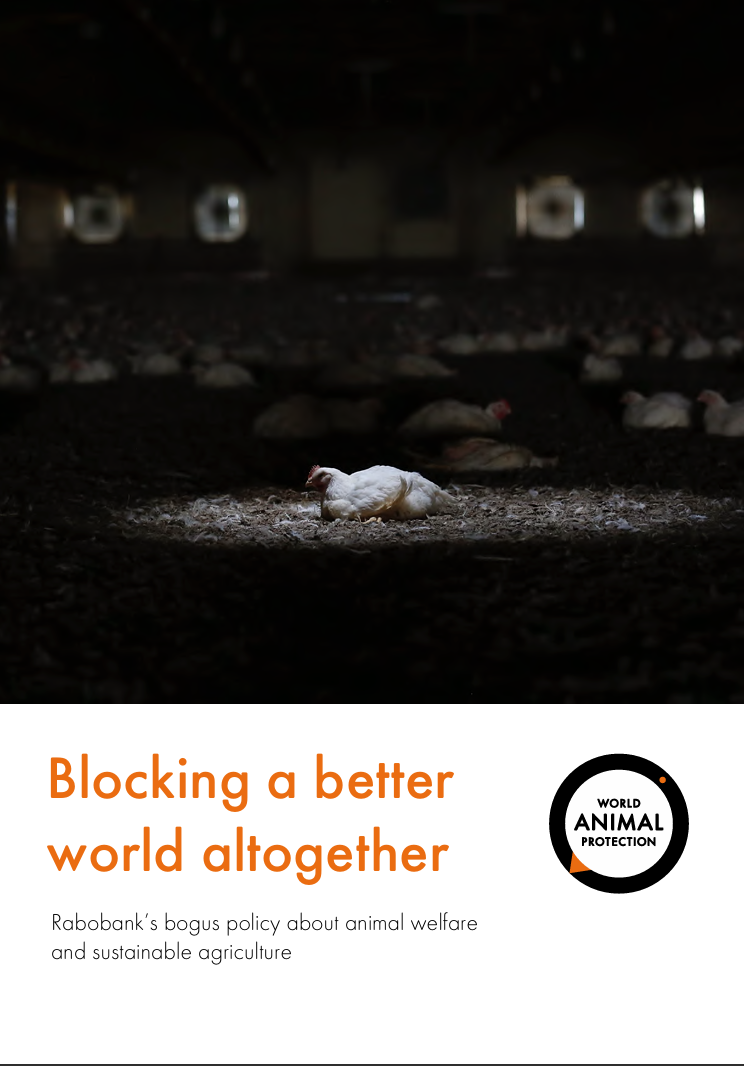
Blocking a better world altogether: Rabobank’s bogus policy about animal welfare and sustainable agriculture
World Animal Protection argues Rabobank’s sustainability policies fail to match its financing practices, alleging continued support for companies linked to animal cruelty, deforestation and high emissions. The report urges stricter lending conditions, stronger monitoring and reduced investment in industrial livestock expansion to align with climate and animal welfare goals.
Tackling governance and financing for sustainability transitions
The report argues current financial systems misallocate capital towards resource-intensive activities, hindering sustainability transitions. It recommends policy, governance and financial reforms to redirect investment towards resource efficiency, low-carbon development and equitable transition pathways, particularly in resource-dependent economies.
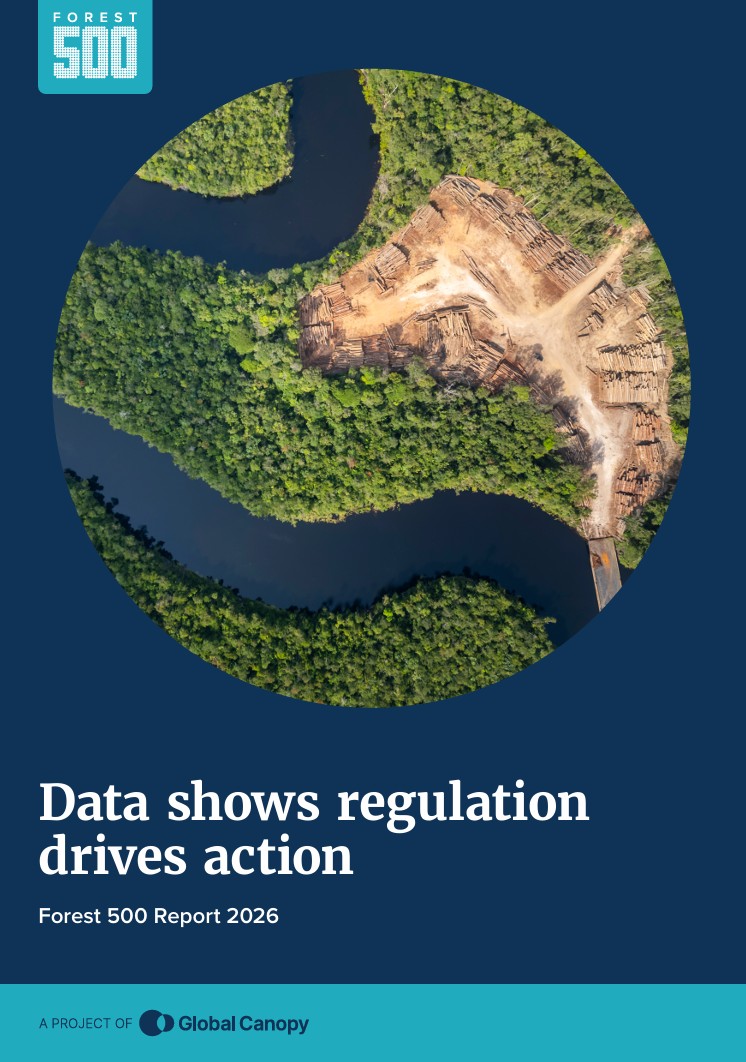
Data shows regulation drives action: Forest 500 report 2026
Forest 500 finds that anticipated EUDR regulation is already driving corporate traceability and deforestation action, though progress remains uneven: only 4% of assessed companies are leaders, 63% show partial action and 33% remain laggards.
Impact trickles down: A general equilibrium theory of stakeholder exit and engagement
Develops a multi-sided matching model showing stakeholder exit or engagement depends on whether harm scales with productivity. When it does, high-productivity stakeholders exit, triggering reallocation spillovers that reduce harm economy-wide. Firm-level analyses underestimate impact by missing these general equilibrium “trickle-down” effects.
Guidance for applying absolute environmental sustainability assessment on activities at different scales (BETA version)
Provides beta guidance for applying Absolute Environmental Sustainability Assessment, comparing activities’ environmental burdens against planetary boundaries. It outlines a three-phase, nine-step framework, supported by case studies (buildings, cement, EU consumption), and aligns with existing accounting standards while addressing methodological gaps in allocating environmental limits.
Sustainable Finance Roundup March 2026: Markets, Climate Risk, and the Transition in Practice
This month’s sustainability roundup captures a shift from framework development to real-world application, where climate and nature risks are increasingly embedded across financial systems, legal accountability, and decision-making. It highlights how intensifying physical climate signals, evolving disclosures, and maturing litigation are converging with insights on sovereign risk, energy systems, and corporate strategy. Together, these developments show how sustainability is moving beyond principle—being tested, priced, and enforced across markets, regulation, and the real economy.
Responsible exit principles for oil and gas companies
Sets out voluntary principles for responsible oil and gas asset exits, focusing on decommissioning, buyer due diligence, transparency and stakeholder engagement to reduce climate, financial, legal and social risks from asset transfers and support an orderly transition.
The circular economy: A 'triple play' solution for achieving China's climate objectives
The report argues that a circular economy can help China meet climate goals by cutting emissions in hard-to-abate sectors, securing critical materials for renewable energy, and improving climate resilience, while outlining policy actions on design, resource management, investment, measurement, and cross-sector collaboration.
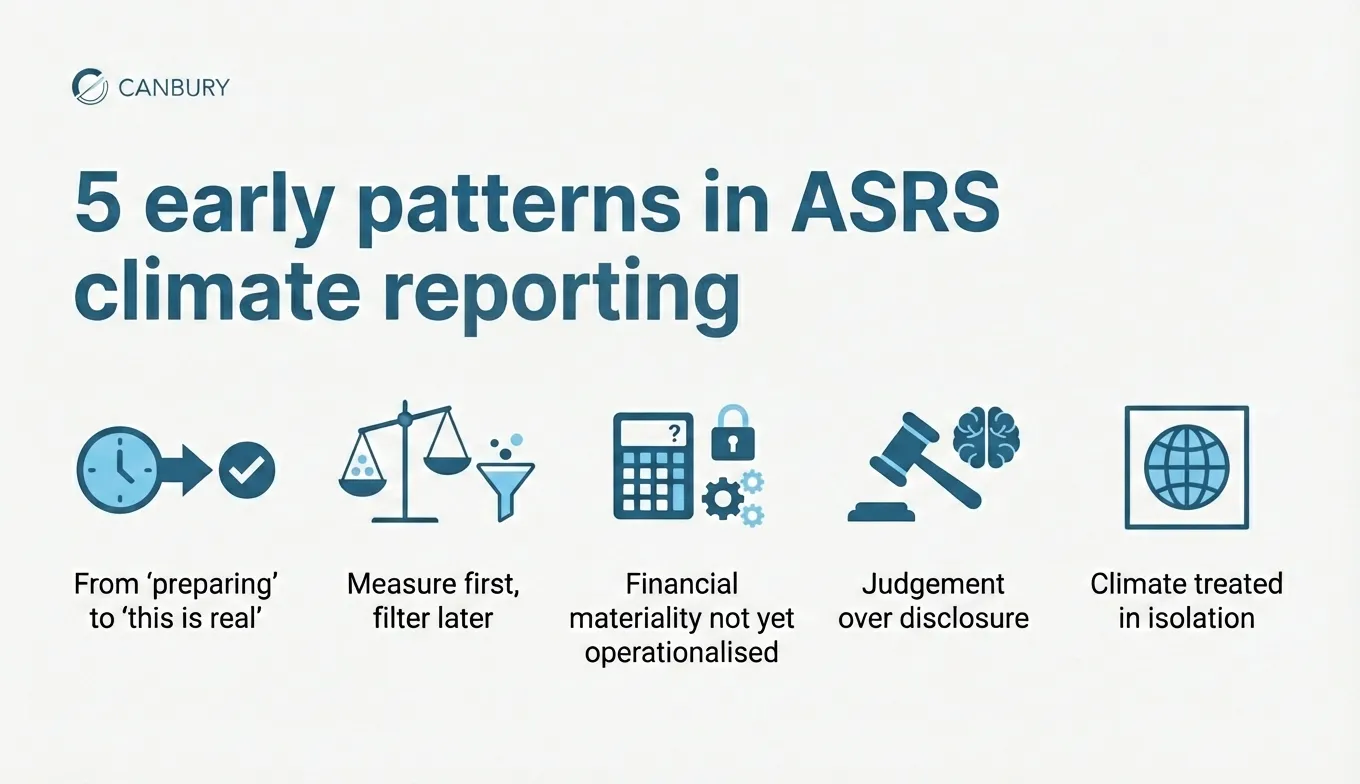
ASRS first year has landed: Here's what we’re seeing in the market
This article examines how Australian organisations are approaching the first year of mandatory ASRS climate disclosures. It highlights common implementation patterns, areas of misallocated effort, and emerging practices that prioritise financially material, decision-useful climate reporting.
Climate-related risks and opportunities and the disclosure of material information
This educational material explains how entities apply AASB S2 to identify and disclose material information on climate-related risks and opportunities affecting cash flows, access to finance and cost of capital. It outlines concepts such as value chains, dependencies and impacts, and provides a four-step process for assessing and reporting material climate-related information.


