
Library | SDGs
GOAL 13: Climate Action
Refine
996 results
REFINE
SHOW: 16


Just adaptation: An introduction for institutional investors
This report introduces institutional investors to 'just adaptation', highlighting the financial materiality of fair and equitable climate resilience. It outlines how incorporating social equity into adaptation strategies protects long-term returns, maintains social licence, and identifies priority actions for investors to support vulnerable communities while managing systemic climate risks.
Worlds apart: Contrasting US-China approaches to scaling clean technology manufacturing
Global clean technology manufacturing investment has declined significantly, led by pullbacks in China and the United States. While China addresses overcapacity, US investment reversed following the One Big Beautiful Bill Act. This report explores the diverging drivers, policy shifts, and future competitive landscape for both nations.
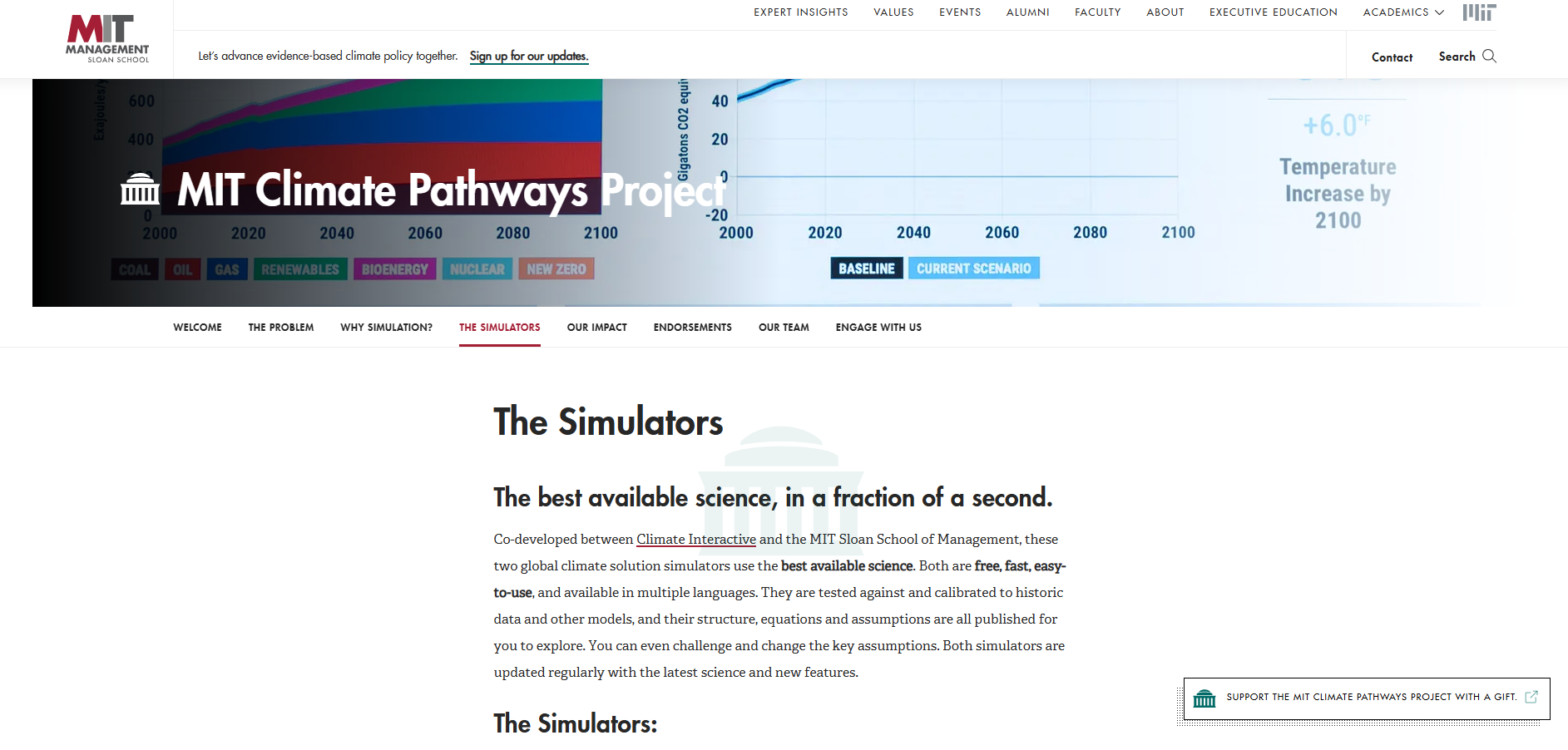
Climate Pathways Project Simulation Tools
A suite of interactive climate policy simulators, including En-ROADS, developed by MIT Sloan and Climate Interactive. These tools help leaders and finance professionals model the impacts of carbon pricing, electrification, and energy efficiency on global warming in real-time.
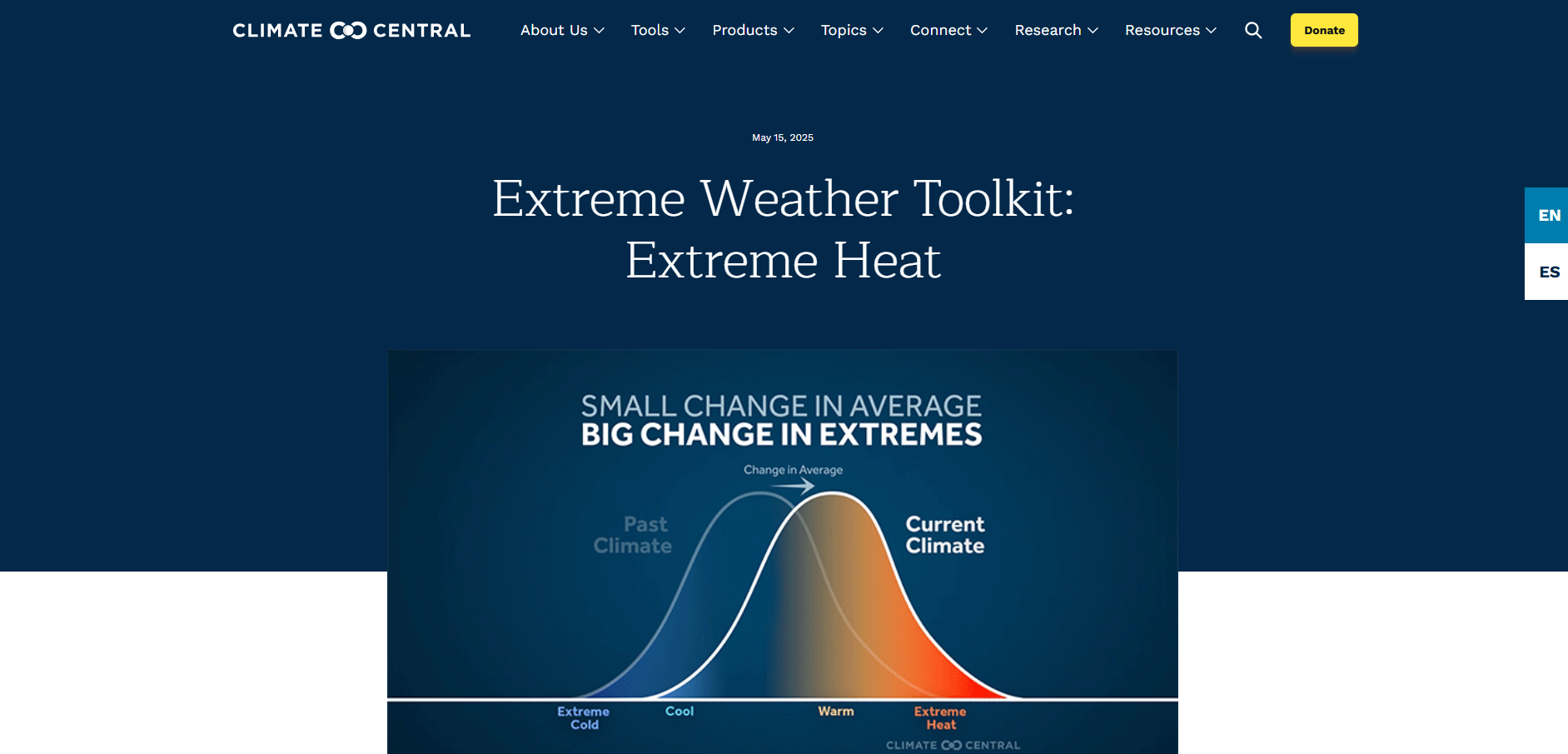
Extreme Weather Toolkit: Extreme Heat
A resource hub from Climate Central providing data, analysis, and visualisations on the trends and local impacts of extreme heat, including the Climate Shift Index and urban heat island studies.
2026 Sustainable investment trends
This report analyses sustainable investment trends for 2026, examining physical climate risk, the energy transition, and Asia’s leadership. It addresses the influence of artificial intelligence on power demand and emission targets, alongside structural challenges in the health care and food production sectors, highlighting resilience and adaptation as key priorities.
Who funds and who pays: The funding of solar geoengineering, 2020–2025
This report examines the dramatic tenfold increase in solar geoengineering funding between 2020 and 2025. It highlights the dominance of US and UK tech billionaires and government agencies in financing research, raising concerns about transparency, democratic oversight, and the marginalisation of Global South interests in climate policy.
Annual sustainable investment asset owner survey series
This benchmark series examines global asset owner attitudes and approaches to sustainable investment. It tracks adoption levels, thematic priorities, and perceived barriers across diverse regions and asset classes. The research provides factual insights into how sustainability factors are integrated into core investment practices, aiding portfolio construction and risk management.
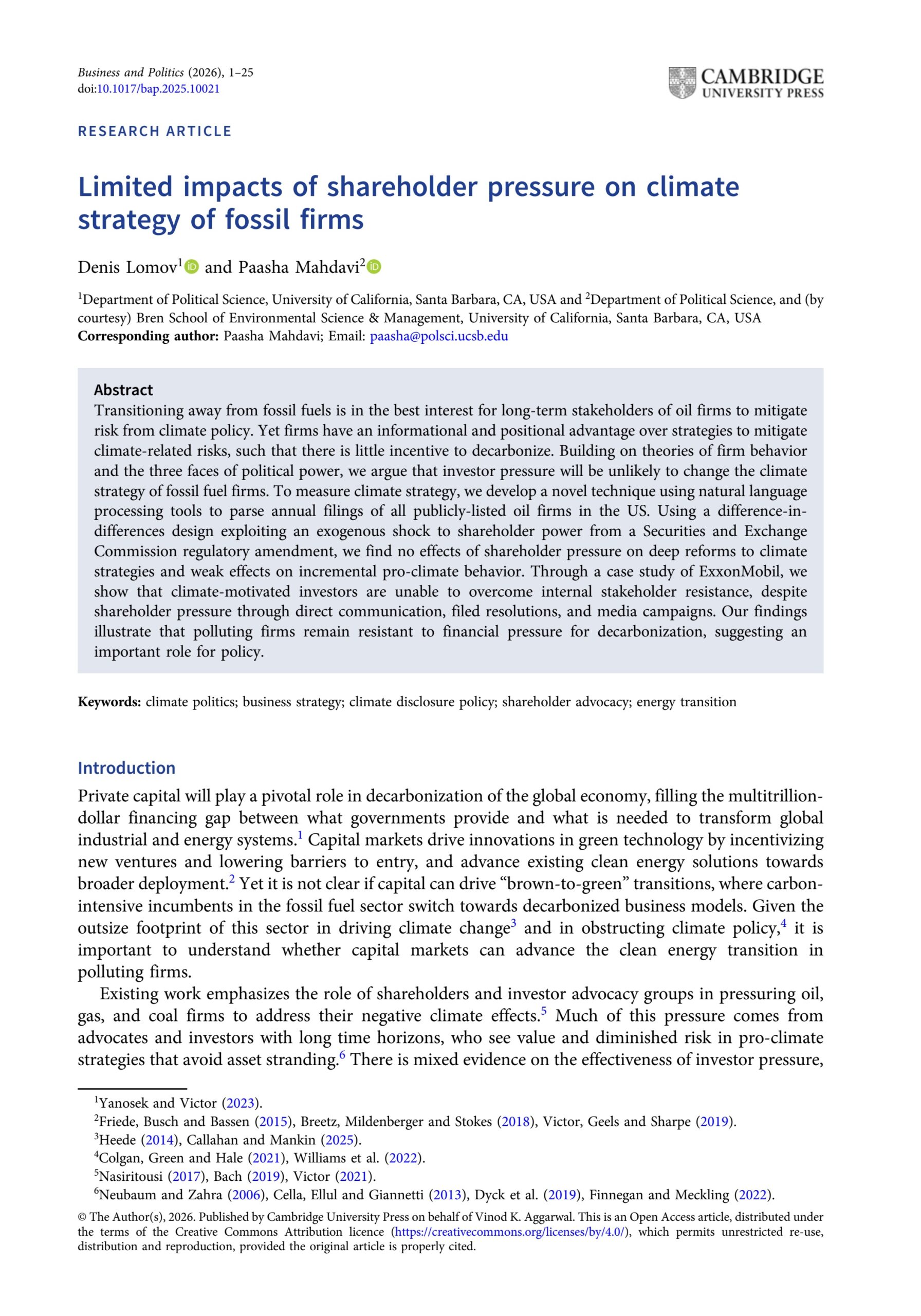
Limited impacts of shareholder pressure on climate strategy of fossil firms
This research examines shareholder pressure on US fossil fuel firms’ climate strategies. Using NLP to analyse 10-K filings and SEC regulatory changes, it finds limited impact on substantive reforms. Firms often employ symbolic disclosures or procedural tactics to resist decarbonisation, suggesting that mandatory policy is required for transition.
Collection of Open-Access CARMINE Publications
A comprehensive repository of open-access research and deliverables from the CARMINE project, providing advanced climate-risk assessment methodologies and case study data to support environmental resilience and informed financial risk analysis.
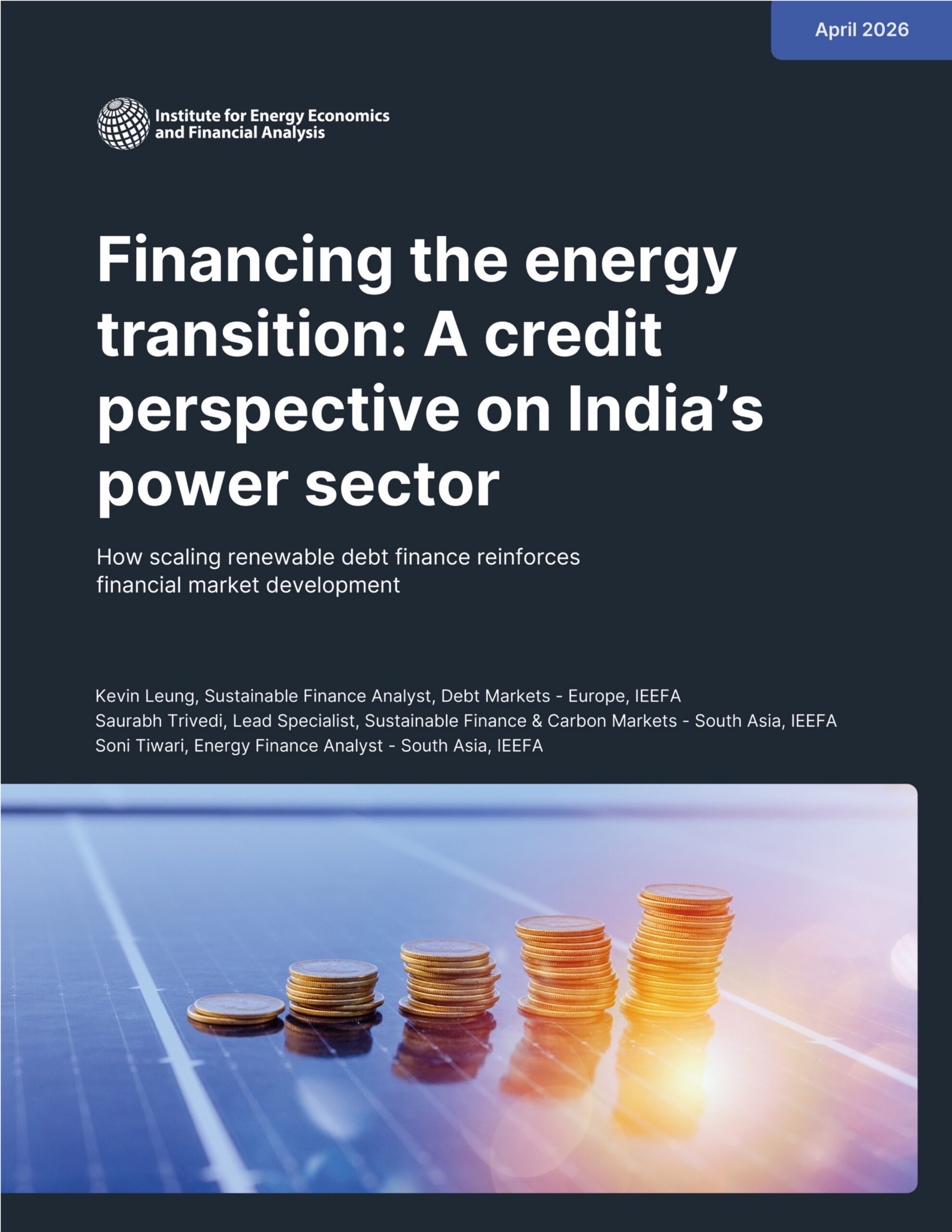
Financing the energy transition: A credit perspective on India’s power sector
This report examines India’s power sector transition from a credit perspective. It highlights the structural divergence between renewable and thermal assets, identifies bottlenecks in domestic debt markets, and recommends strategies to unlock large-scale financing, including the pivotal role of NTPC and the need for deeper institutional investor participation.
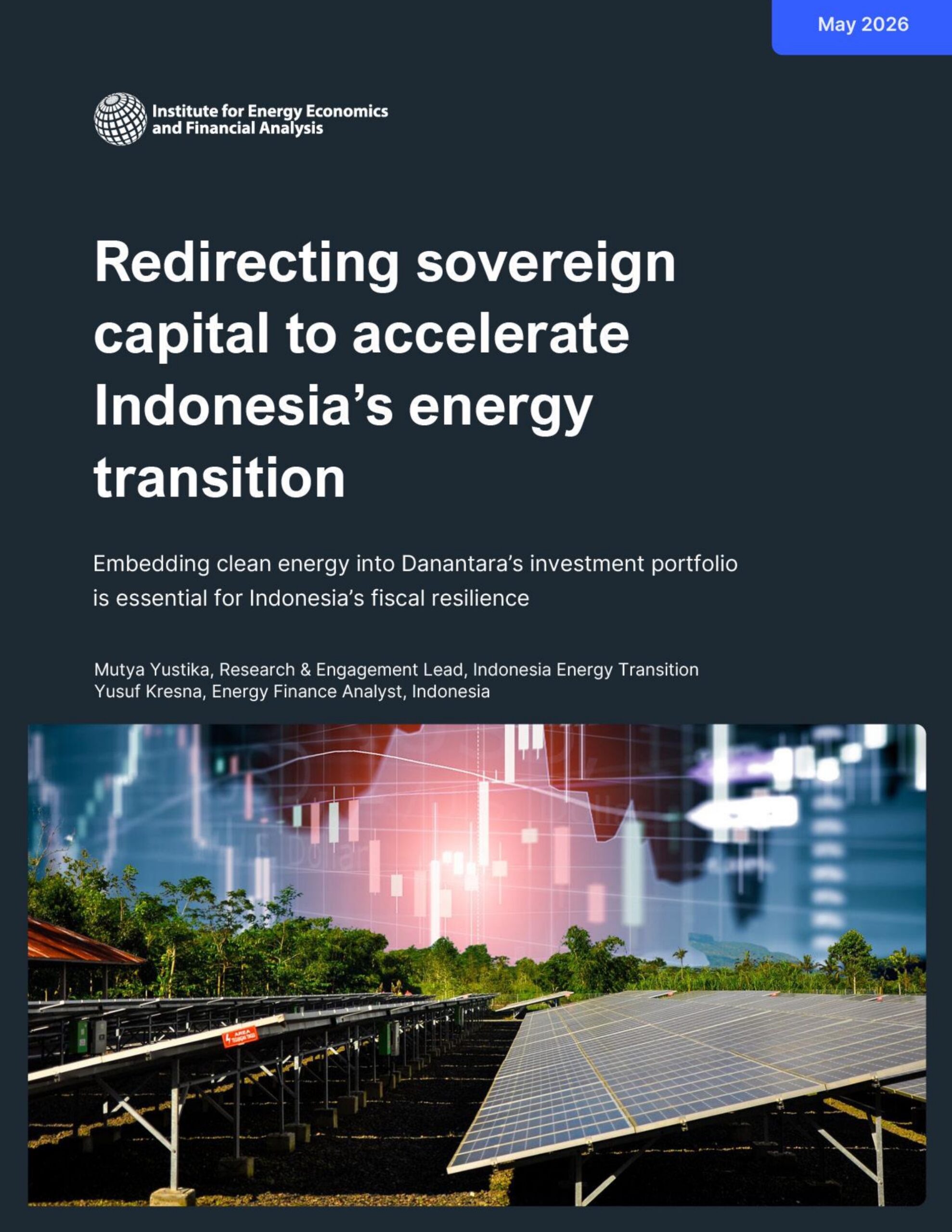
Redirecting sovereign capital to accelerate Indonesia’s energy transition
This report examines Indonesia’s sovereign wealth fund, Danantara, and its role in the energy transition. It highlights the fiscal risks of subsidy-dependent energy SOEs and recommends a strategic shift towards renewables. Drawing on global SWF experiences, it advocates for portfolio diversification to ensure long-term profitability and national energy security.
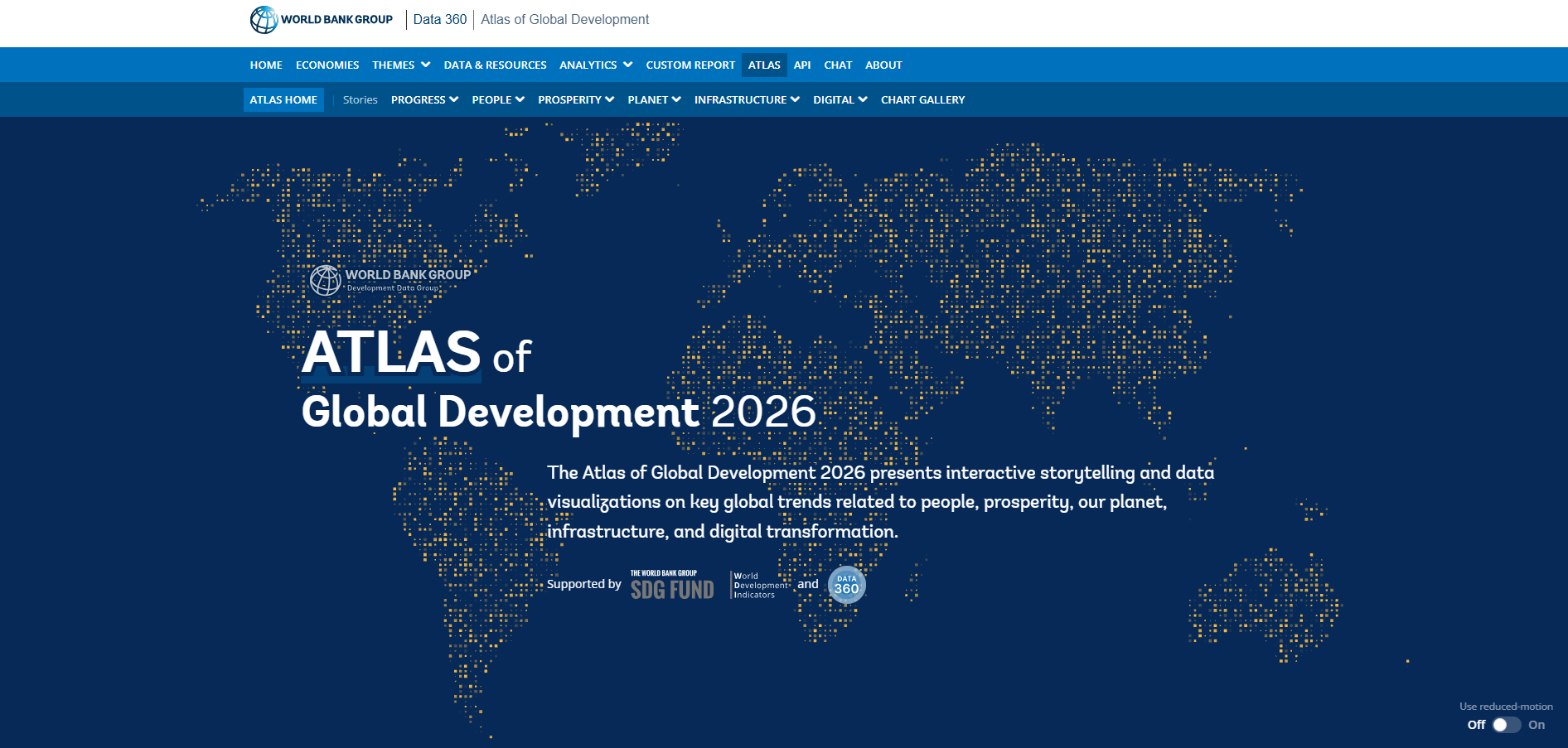
Atlas of Global Development 2026
An interactive data platform from the World Bank tracking 75 years of global progress across people, prosperity, planet, infrastructure, and digital themes.
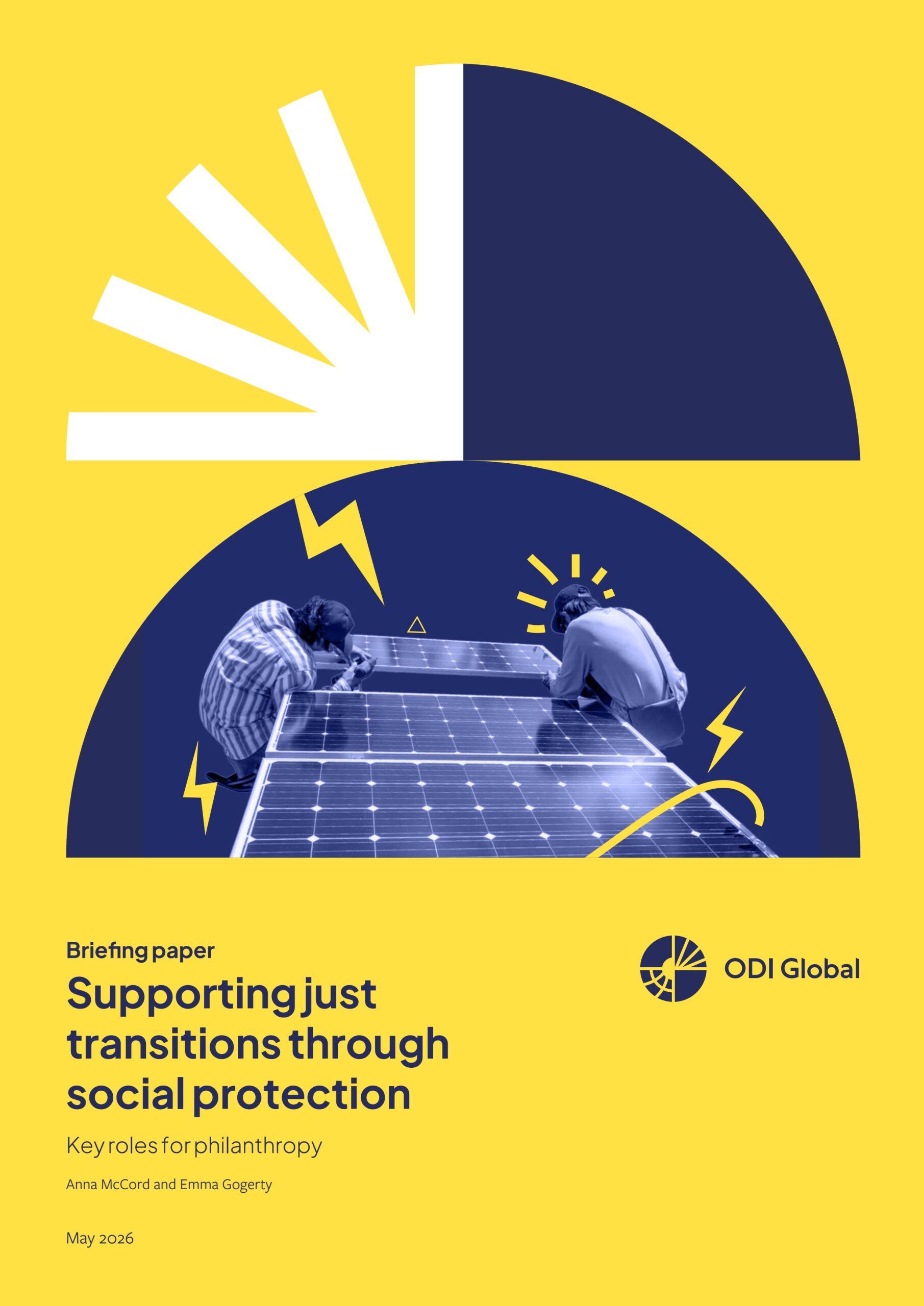
Supporting just transitions through social protection: Key roles for philanthropy
This briefing paper explores how philanthropy can support just transitions to net zero through social protection. It examines the socio-economic risks of decarbonisation, identifies systemic coverage gaps, and highlights catalytic roles for philanthropic capital in capacity building, research, and policy alignment to ensure an inclusive transition.
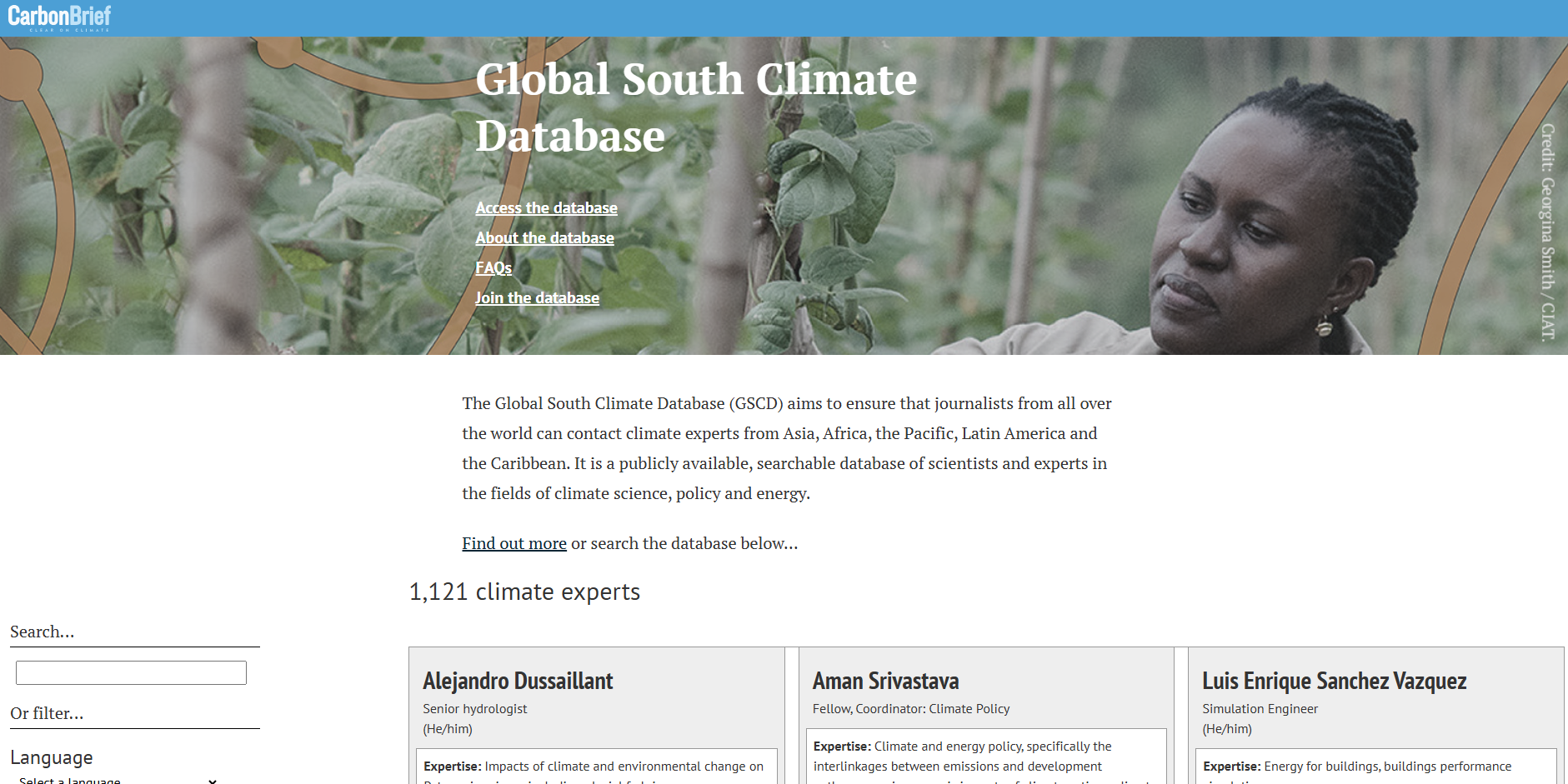
Global South Climate Database
A searchable database maintained by Carbon Brief providing access to over 1,100 climate experts from the Global South. It enables finance professionals to connect with specialists in carbon markets, climate policy, and regional environmental risks across Asia, Africa, and Latin America.
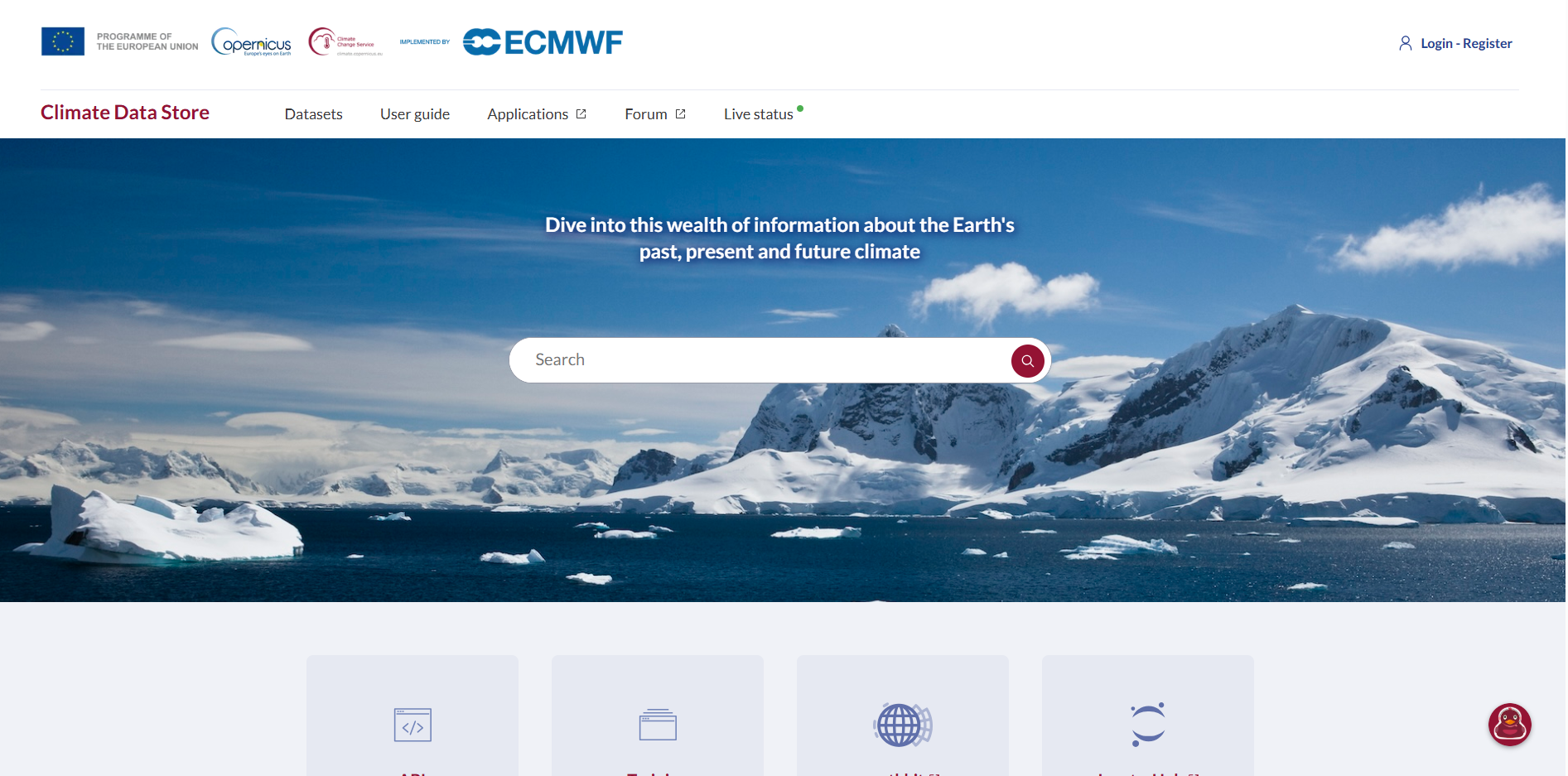
Climate Data Store (CDS)
The Climate Data Store (CDS) is an open-access platform providing authoritative climate datasets, including historical reanalysis and future projections. It enables finance professionals to assess physical climate risks, track greenhouse gas emissions, and integrate evidence-based environmental data into ESG reporting and investment analysis.
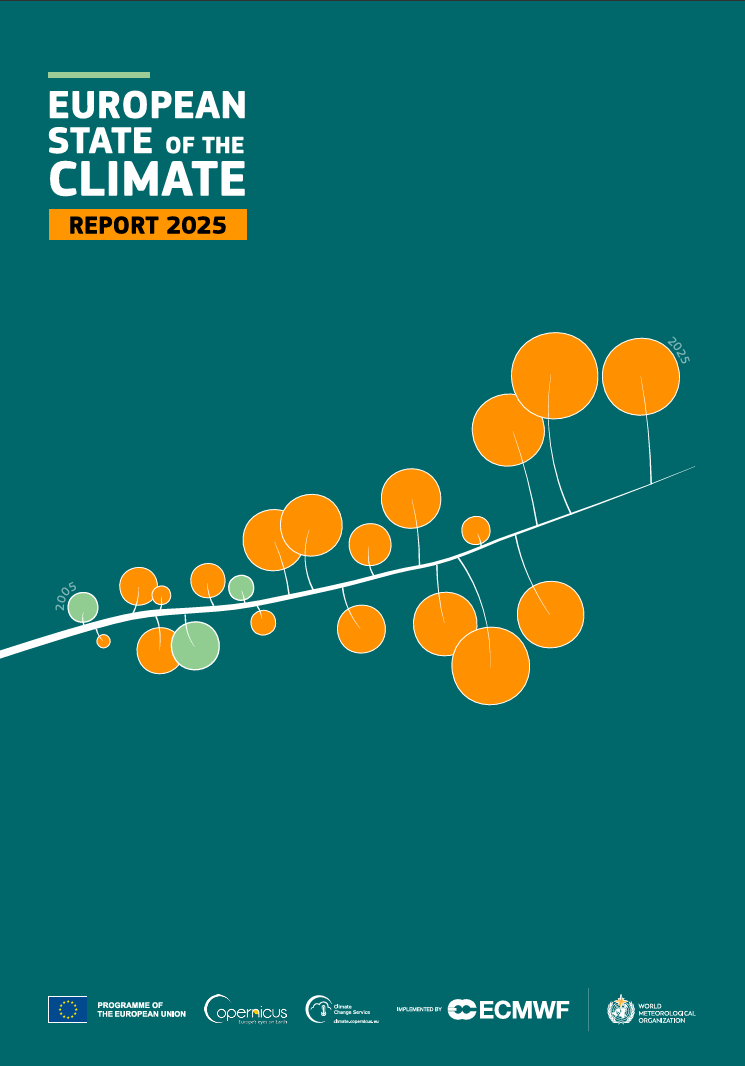
European state of the climate report series
The European State of the Climate is an annual flagship report series providing structured descriptions and analyses of climate conditions in Europe. Published by the Copernicus Climate Change Service and the World Meteorological Organization, it evaluates Earth system variables and key climate events alongside policy actions for biodiversity.


