
Library | SDGs
GOAL 14: Life Below Water
Refine
90 results
REFINE
SHOW: 16


Seafood traceability engagement series
This series examines how investor engagement can drive improved traceability in global seafood supply chains. It focuses on assessing company progress, encouraging adoption of traceability systems, and supporting investors in identifying and managing environmental and social risks within complex seafood value chains.
Turning the tide: How to finance a sustainable ocean recovery
This report provides guidance for financial institutions on financing a sustainable blue economy. It outlines principles, sector-specific criteria and case studies to support responsible investment in ocean-related sectors including seafood, ports, maritime transport, marine renewable energy and coastal tourism, aligning finance with ocean protection and long-term economic sustainability.

Intergovernmental Science-Policy Platform on Biodiversity and Ecosystem Services (IPBES)
Intergovernmental Science-Policy Platform on Biodiversity and Ecosystem Services (IPBES) is a global body strengthening links between science and policy on biodiversity and ecosystem services. It delivers authoritative assessments, tools and capacity-building to inform decision-making, manage nature-related risks, and support sustainable development worldwide for governments, finance, business and civil society globally.
Global carbon budget series
The Global Carbon Budget is a recurring research series that synthesises global data on carbon dioxide sources and sinks. It provides a consistent framework for tracking emissions, atmospheric concentrations, and carbon uptake across land and oceans, supporting analysis of climate system dynamics and policy-relevant assessment over time.
Global climate highlights series
This benchmark series provides a recurring, standardised overview of global climate conditions, produced using consistent observational and reanalysis datasets. It tracks changes across key climate indicators to support comparability over time and inform assessment of longer-term climate trends within a recognised reference framework.
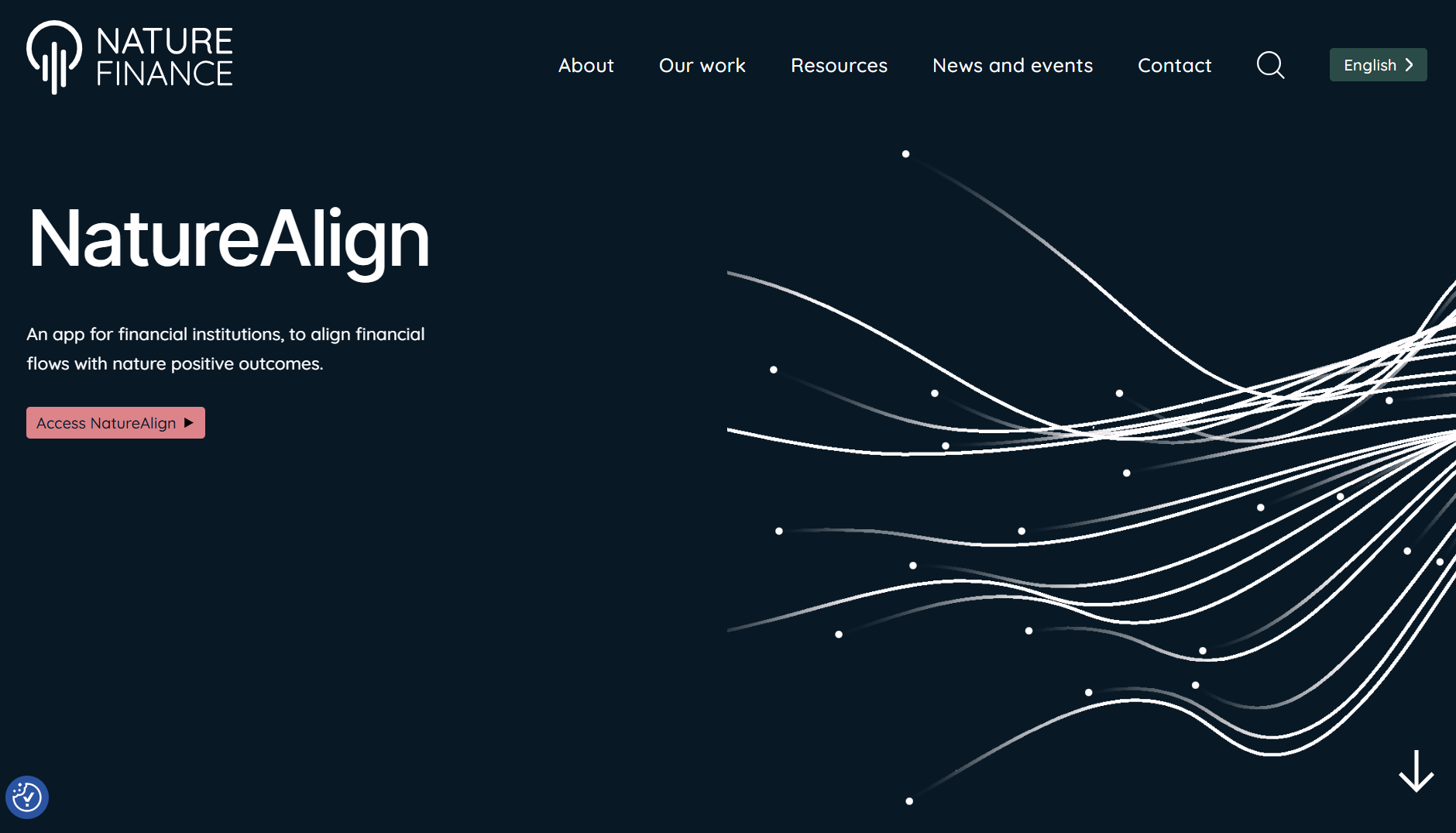
NatureAlign
NatureAlign is a decision-support tool by Nature Finance that helps financial institutions identify, assess and respond to nature-related risks and opportunities by aligning portfolios, strategies and governance with nature-positive outcomes.
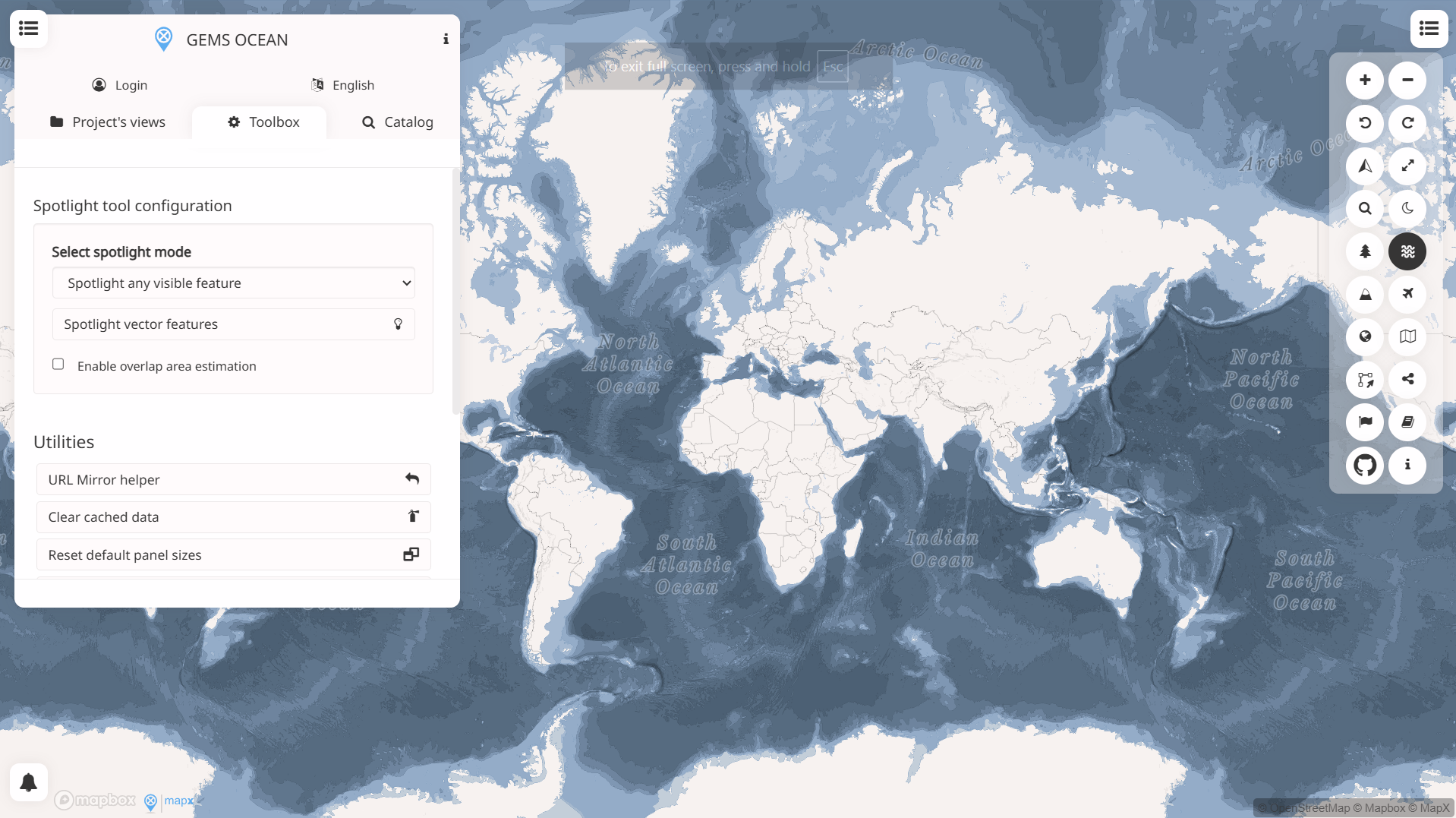
WESR: Ocean
WESR: Ocean provides high-level insights into ocean-related environmental risks and pressures, including marine ecosystems, pollution and resource use. It supports risk identification and contextual analysis for financial decision-making linked to ocean health, coastal exposure and sustainability considerations.
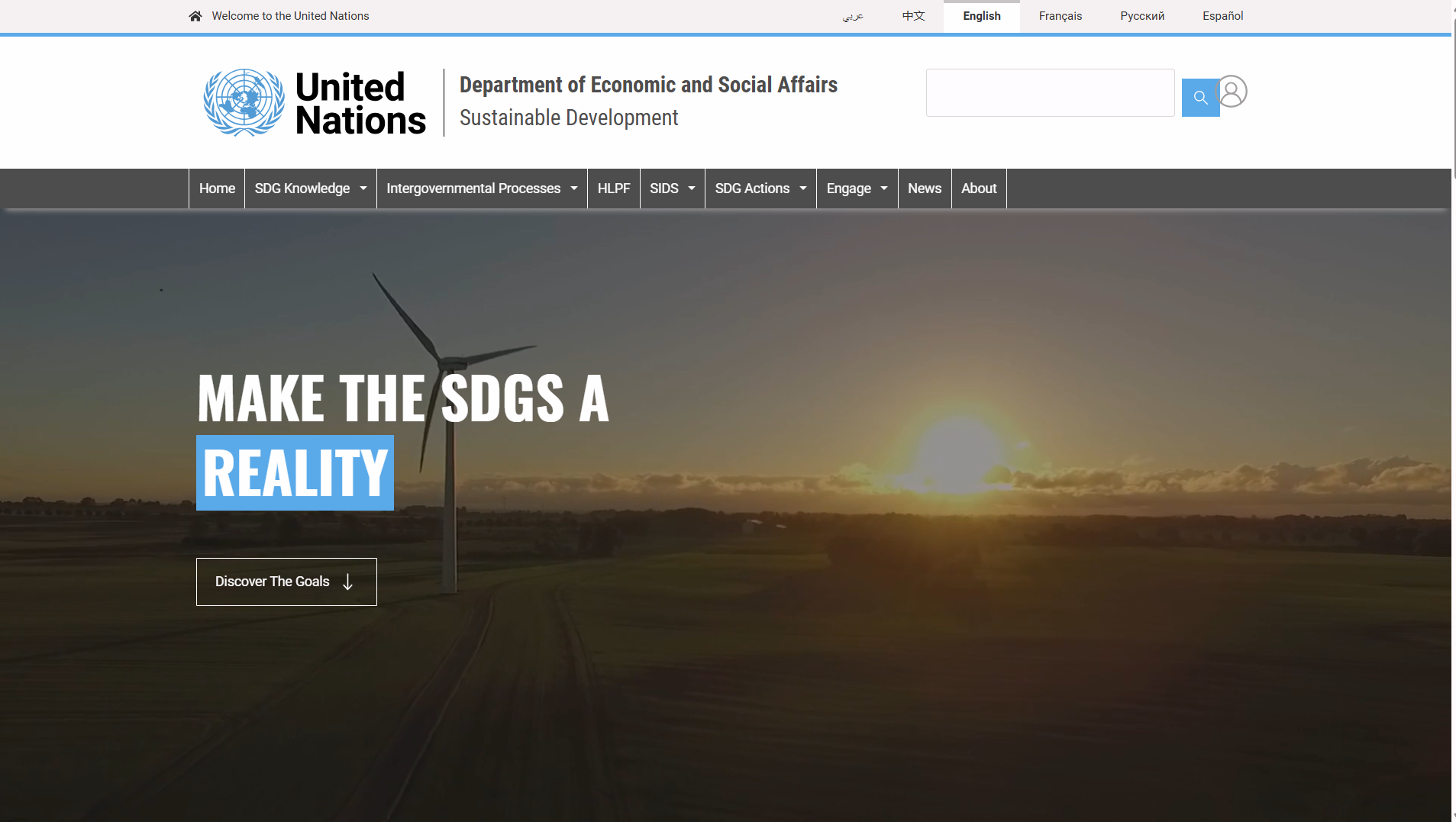
UN SDG Portal
The United Nations SDGs platform (sdgs.un.org) is an online hub for the 2030 Agenda and 17 Sustainable Development Goals, offering goals, targets, indicators, events, publications and global actions to track and support SDG implementation. It also includes registries of voluntary commitments and multi-stakeholder partnerships.

Secretariat of the Convention on Biological Diversity (CBD)
Secretariat of the Convention on Biological Diversity (CBD) supports implementation of the UN Convention on Biological Diversity by coordinating global biodiversity policy, meetings, and reporting. It provides technical, scientific and administrative support to governments, promotes biodiversity conservation, sustainable use, and equitable benefit-sharing, and facilitates international cooperation on nature and ecosystems.

Conservation International (CI)
Conservation International (CI) is a global non-profit that champions nature conservation to benefit both biodiversity and human societies. It uses science, fieldwork, policy and finance to protect critical land and marine ecosystems. Since 1987, CI has helped safeguard 13 million km² of land and sea across more than 70 countries.
BirdLife International
BirdLife International, a global partnership of over 120 bird and nature conservation organisations, works worldwide to conserve bird species, protect vital habitats, and sustain biodiversity. Through science-based research, habitat protection and community engagement, BirdLife helps prevent species extinction and supports ecosystem health across continents.

International Union for Conservation of Nature (IUCN)
International Union for Conservation of Nature (IUCN) is a global membership Union—comprising governments, NGOs and civil-society organisations—that works to conserve biodiversity and promote sustainable use of natural resources. Founded in 1948, IUCN mobilises a network of over 1,400 Member organisations and around 16,000 experts worldwide. IUCN monitors species and ecosystems, develops data-driven policy guidance, and supports conservation and restoration projects across lands, oceans, freshwater systems and climate-sensitive regions.
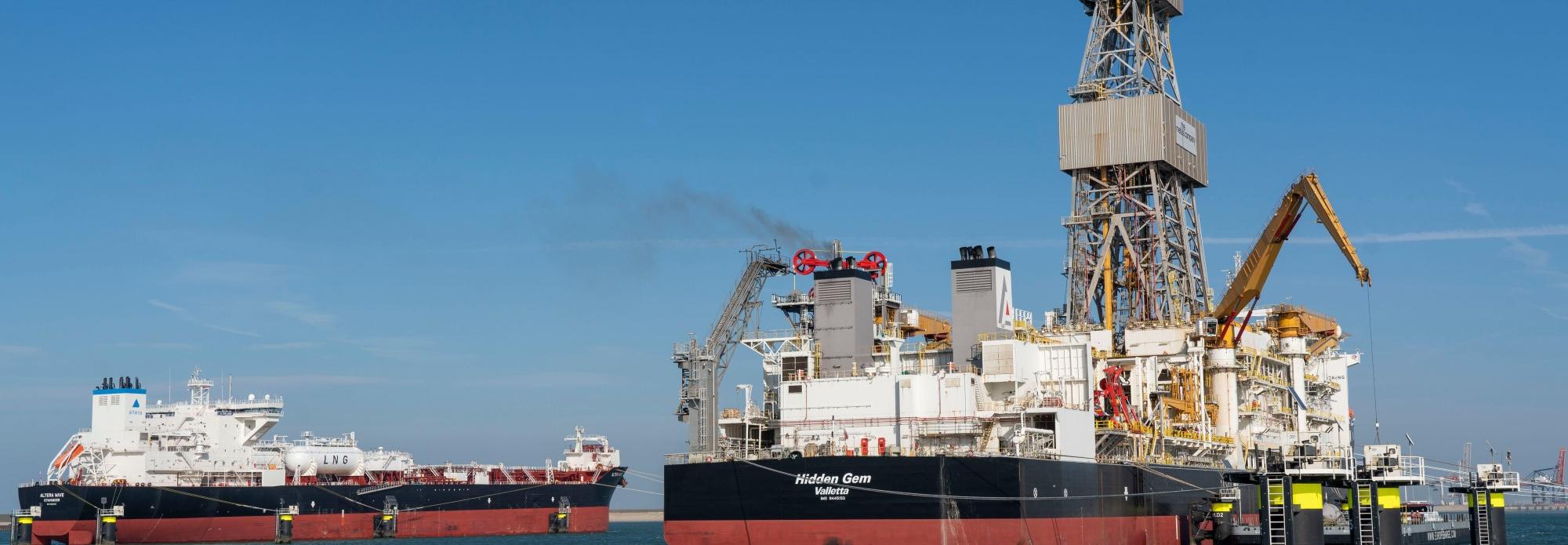
What We Know About Deep-Sea Mining — and What We Don’t
This article explores the growing interest in deep-sea mining as a source of critical minerals for clean technologies, detailing how it works, its potential economic benefits, and the significant ecological and governance risks it poses. It also examines ongoing international regulatory disputes and alternative solutions such as recycling and circular mineral economies.

Rockefeller Capital Management
Rockefeller Capital Management (RockCo) delivers wealth management, asset management and investment banking services grounded in the Rockefeller legacy. Serving individuals, families and institutions, RockCo emphasises bespoke financial solutions, generational wealth planning and strategic advisory — combining innovation with long-standing trust.
The European Space Agency (ESA)
European Space Agency (ESA) is Europe’s intergovernmental organisation dedicated to space exploration, Earth observation, satellite navigation, and technological innovation. ESA collaborates with international partners, coordinates high-profile missions, and supports science, space safety and industry growth across member states.
Chatham House
Chatham House, known formally as Royal Institute of International Affairs, is an independent policy institute in London. It delivers rigorous research, analysis and dialogue on global issues—such as international relations, climate change, security and economics. Its mission: help governments and societies build a sustainably secure, prosperous and just world.


