Library | SASB Sustainability Sector
Capital Markets
Refine
617 results
REFINE
SHOW: 16


APLMA: Green and Sustainable Lending Microsite
The APLMA Green and Sustainable Lending Microsite provides documentation, principles, guidelines, and market data for sustainable lending.
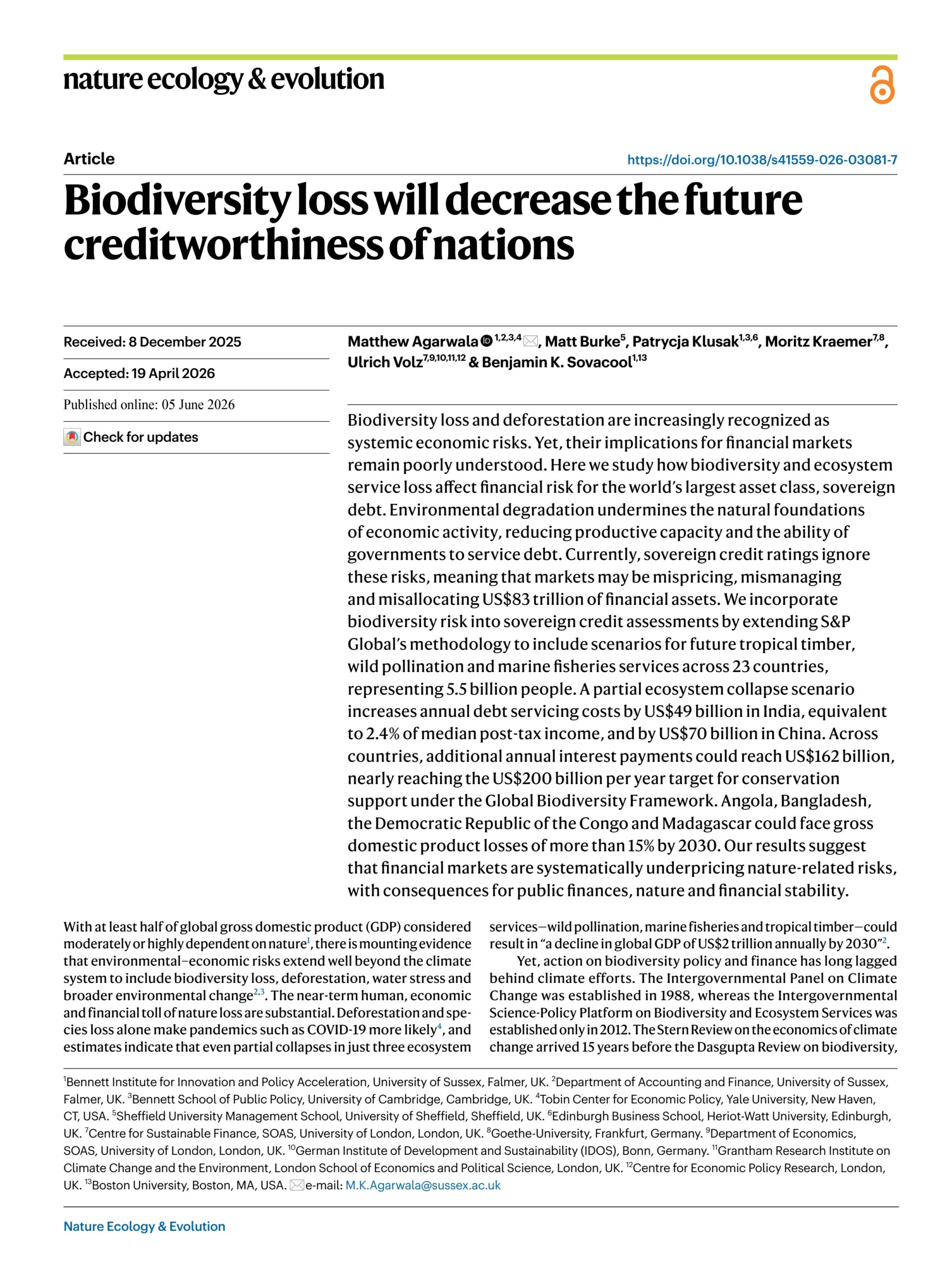
Biodiversity loss will decrease the future creditworthiness of nations
This study examines how biodiversity and ecosystem service loss affect sovereign creditworthiness across 23 countries. Using ecological-economic modelling, it finds that a partial ecosystem collapse could generate US$162 billion in additional annual debt servicing costs globally, highlighting that sovereign credit ratings are systematically underpricing nature-related financial risks.
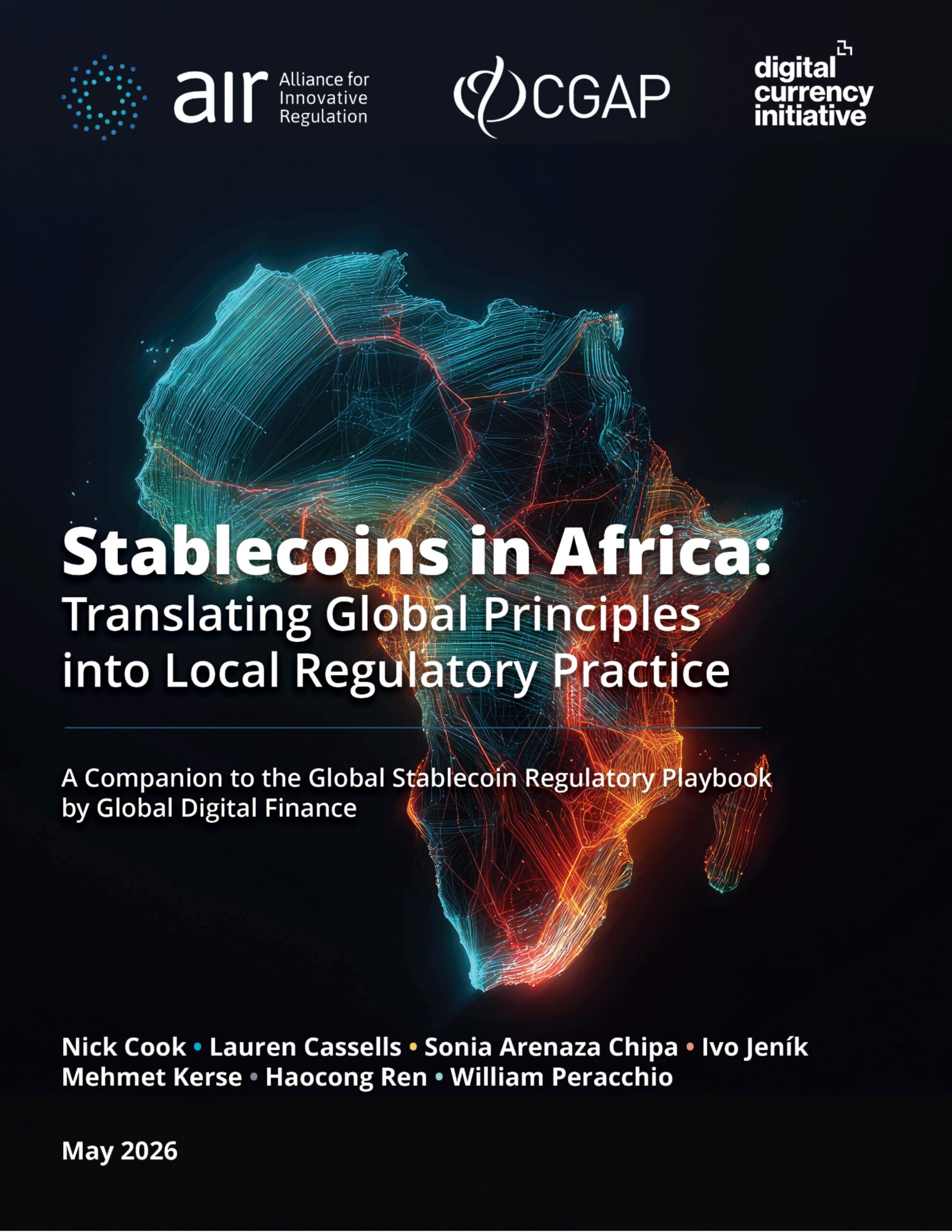
Stablecoins in Africa: Translating global principles into local regulatory practice
This paper is the African Chapter of GDF's Global Stablecoin Regulatory Playbook. It examines how global stablecoin regulatory principles can be applied across Africa's diverse markets, addressing reserve management, consumer protection, AML/CFT compliance, and cross-border coordination, while accounting for local financial infrastructure, dollarisation risks, and varying supervisory capacity.
The benefits of access: Evidence from private meetings with portfolio firms
This paper analyses over 4,700 private meetings between a large active asset manager and portfolio firms using proprietary data from Standard Life Investments (2007–2015). Meetings transmit soft information that influences analyst recommendations and fund manager trading, generating statistically significant abnormal returns and profitable trading decisions.
EU Funding Watch
EU Funding Watch curates calls, grants and opportunities across the European funding landscape for impact ecosystem practitioners.
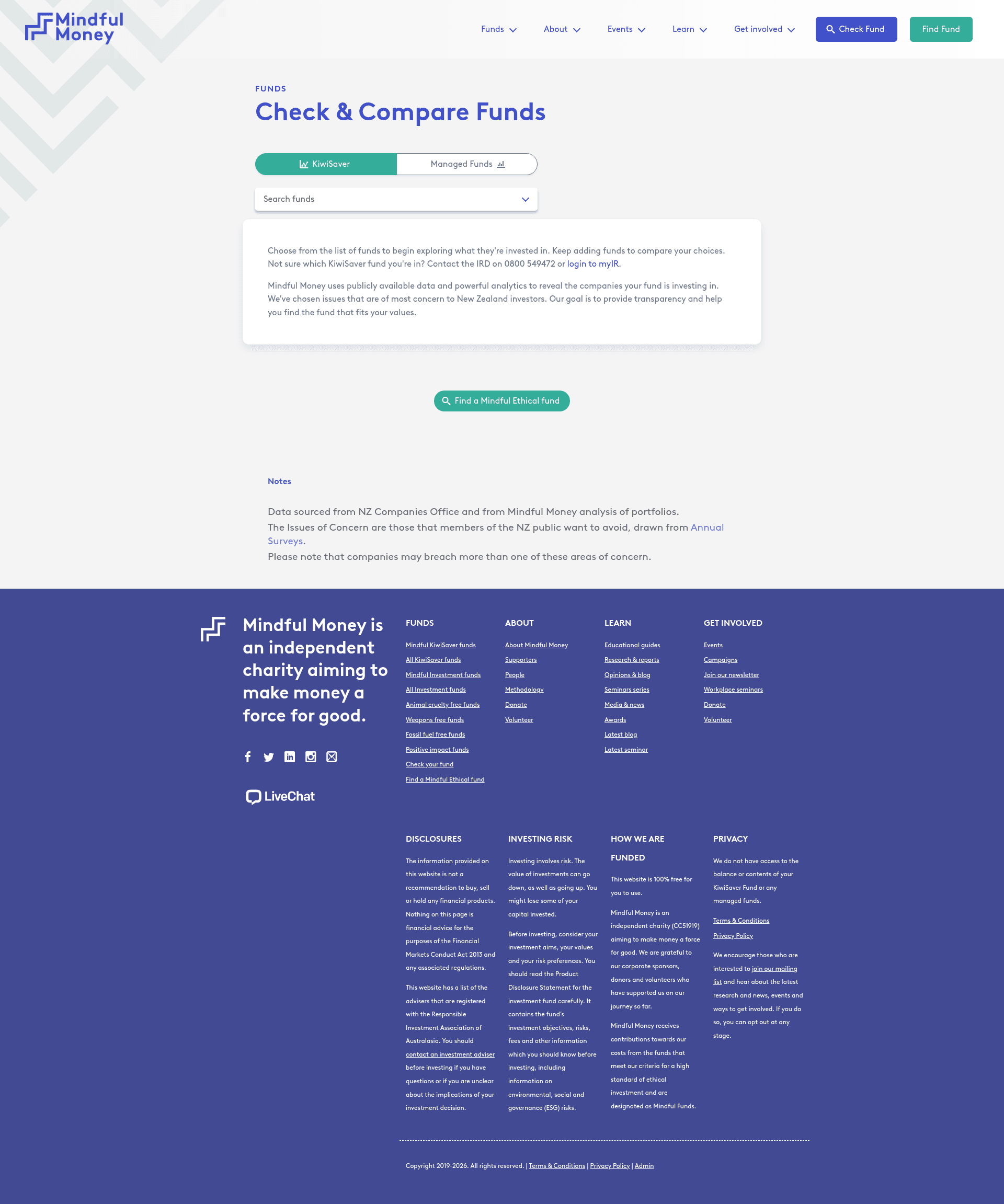
Mindful Money Fund Checker
Free NZ tool to check and compare KiwiSaver funds against ethical issues of concern using publicly available data and portfolio analytics.
Modeling ghost GDP: Macro-financial risk and diversified portfolios in the age of artificial intelligence, automation, and populism
This PDI working paper stress-tests four AI-driven labour displacement scenarios against US macro-financial data, modelling cascading losses across household debt, corporate credit, equities, pensions, insurance, and fiscal channels. Total economy-wide value at risk ranges from approximately $15–18 trillion (Light) to $62–72 trillion (Aggressive). Predistributive mechanisms are proposed as structural solutions.
Trust, financial literacy, and financial behaviors: Shaping retirement security
This NBER working paper examines how trust in financial institutions and government programmes, and financial literacy, shape retirement security for Americans aged 50+. Using 2020 Health and Retirement Study data, it finds trust in financial institutions supports retirement saving, while trust in government programmes reduces private saving, with notable racial disparities.
Investing in the arms race: The companies building nuclear weapons and their financiers
This report analyses 25 companies producing nuclear weapons and their financial backers. Highlighting over $1 trillion in total investments and financing from 301 institutions, it urges the financial sector to use its leverage to reject nuclear armament and make choices that benefit global security and humanity.
From fragmentation to insight: Why data convergence matters for scaling impact
This report examines the need for data convergence in impact investing to address fragmentation. It advocates adopting a structured, Theory of Change-based data model to standardise information across portfolios. Such a structure enhances interoperability, streamlines data management, and enables advanced analytics, ultimately improving decision-making and scaling impact effectively.
Beyond the illusion of innovative climate finance at scale in Africa: A market-informed blueprint for Kenya's just and resilient climate transition
This report examines why Kenya's climate finance gap persists despite strong institutions, renewable energy leadership and financial inclusion gains. It identifies seven flawed assumptions and recommends a nationally co-ordinated country investment platform to mobilise domestic capital, align incentives and deliver a just and resilient climate transition.
Socially-minded investors and corporate behavior
This report examines whether socially-minded investors influence corporate behaviour through voting, managerial incentives, or identity investing. It concludes that existing channels offer limited impact and evaluates potential legal reforms, such as binding shareholder votes and mandatory disclosures, to better align corporate actions with these investors' preferences.

Cracking the code: Using nature data to understand the impact of the ASX200
This report analyses the nature-related impacts of Australia's ASX200 companies. It finds that utilities, energy, and materials sectors exert the highest direct environmental pressures, whereas financials and retail sectors possess significant supply chain impacts. The report advocates for TNFD-aligned disclosures and proactive investor stewardship to mitigate systemic risks.
DBSA: Financial instrument design for an effective carbon market in South Africa
The Development Bank of Southern Africa details two proposed financial instruments to support the domestic voluntary carbon market: a carbon credit-backed bond and a repurchase facility. These tools aim to mobilise private capital, address early-stage funding shortages, and improve liquidity for carbon reduction projects.
LP Scan
ImpactAlpha’s LP Scan is a dealflow and market intelligence resource that tracks limited partner (LP) activity, fund allocations and investment trends across impact investing. It provides insights into institutional investors, capital flows and fundraising activity to help market participants identify opportunities and understand developments in sustainable and impact finance.