
Library | SASB Sustainability Sector
Infrastructure
Refine
373 results
REFINE
SHOW: 16


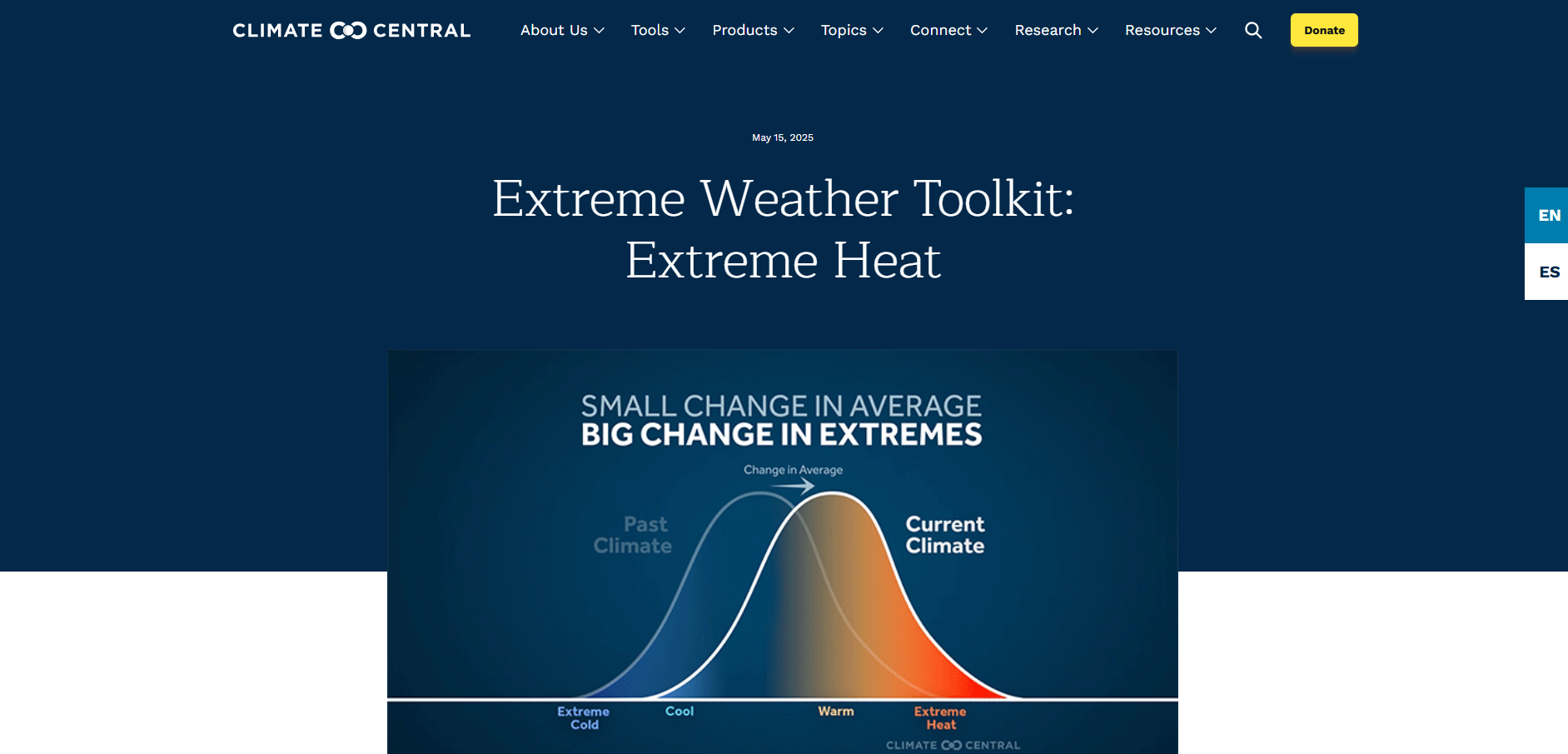
Extreme Weather Toolkit: Extreme Heat
A resource hub from Climate Central providing data, analysis, and visualisations on the trends and local impacts of extreme heat, including the Climate Shift Index and urban heat island studies.
Circular economy practice in India: Three case studies
This report examines India’s transition to a circular economy, highlighting policy frameworks like Extended Producer Responsibility and NITI Aayog’s strategic focus areas. Through case studies of Siemens, Tata Steel, and Volvo Construction Equipment, it demonstrates how circular principles drive resource efficiency, waste reduction, and business value.
2026 Sustainable investment trends
This report analyses sustainable investment trends for 2026, examining physical climate risk, the energy transition, and Asia’s leadership. It addresses the influence of artificial intelligence on power demand and emission targets, alongside structural challenges in the health care and food production sectors, highlighting resilience and adaptation as key priorities.

Collection of Open-Access CARMINE Publications
A comprehensive repository of open-access research and deliverables from the CARMINE project, providing advanced climate-risk assessment methodologies and case study data to support environmental resilience and informed financial risk analysis.

Role of Japanese firms in the East Asian electronics industry: A supply chain network perspective
This research analyses Japan's position in the East Asian electronics supply chain using network science. While Japan remains a vital upstream supplier of components and equipment, its dominance in mainstream semiconductors has declined. Conversely, Japanese firms maintain strong leadership within automotive clusters and unique electronics-automation-utilities ecosystems.
Financing the energy transition: A credit perspective on India’s power sector
This report examines India’s power sector transition from a credit perspective. It highlights the structural divergence between renewable and thermal assets, identifies bottlenecks in domestic debt markets, and recommends strategies to unlock large-scale financing, including the pivotal role of NTPC and the need for deeper institutional investor participation.
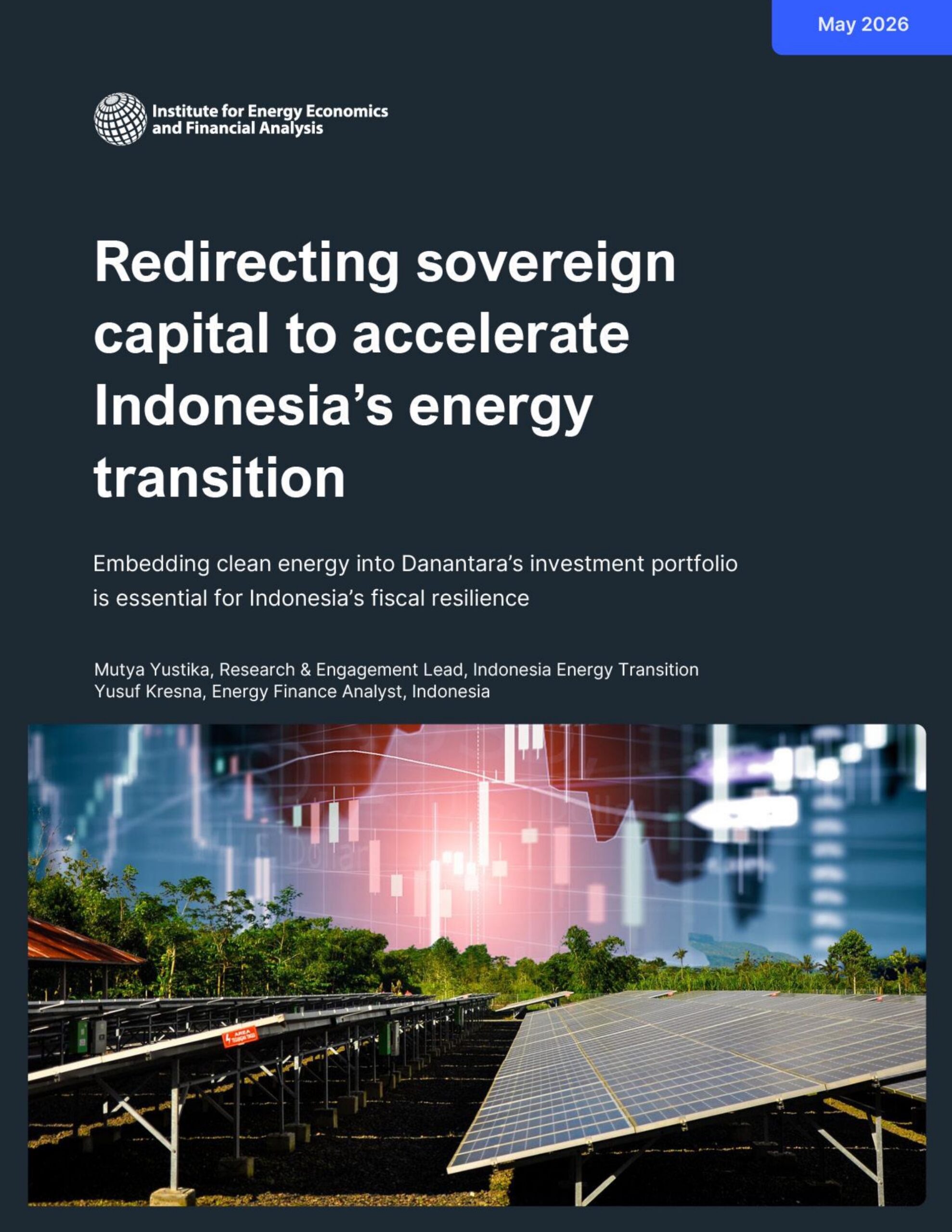
Redirecting sovereign capital to accelerate Indonesia’s energy transition
This report examines Indonesia’s sovereign wealth fund, Danantara, and its role in the energy transition. It highlights the fiscal risks of subsidy-dependent energy SOEs and recommends a strategic shift towards renewables. Drawing on global SWF experiences, it advocates for portfolio diversification to ensure long-term profitability and national energy security.
Interactive data tool on Middle East energy reliance
Developed by the International Energy Agency, this interactive tool tracks global energy market impacts stemming from Middle East conflicts. It monitors commodity shipping flows, policy responses, and supply disruptions.
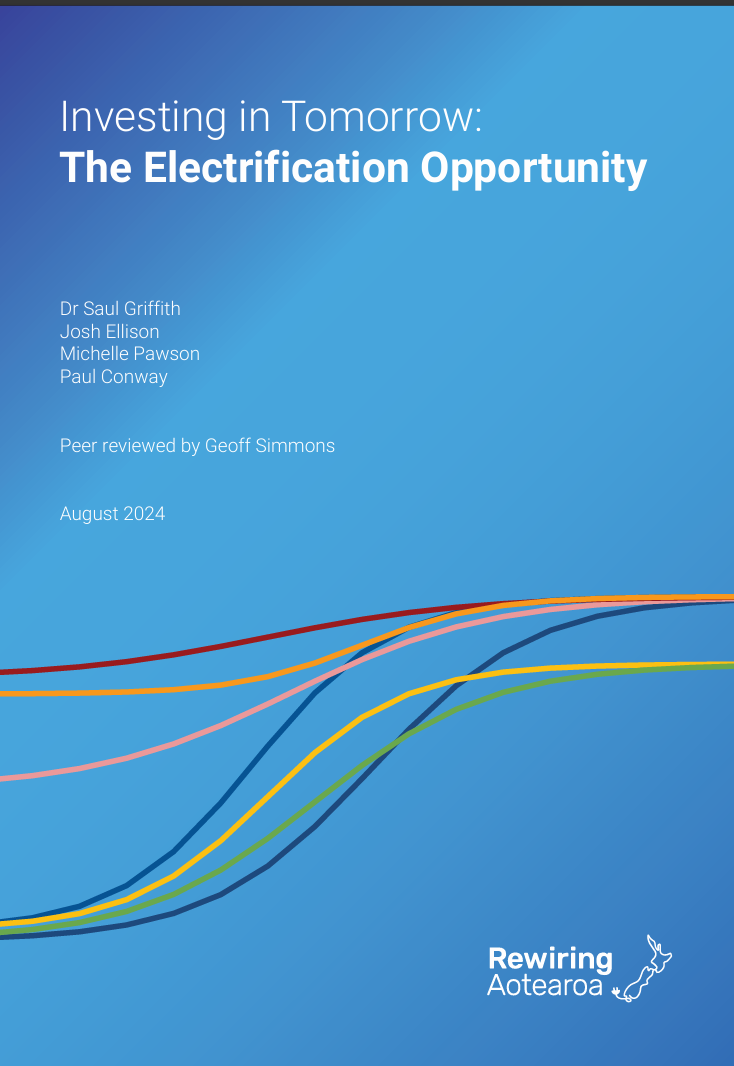
Investing in tomorrow: The electrification opportunity
New Zealand households and businesses could save $10.7 billion annually by 2040 through electrification. This report details how replacing fossil fuel appliances and vehicles with electric alternatives, supported by solar and batteries, reduces total energy use by 70% and provides cumulative national savings of $95 billion while substantially cutting emissions.
Hot summer economics: Economic effects of the hot European summer of 2026
This report examines the economic impact of the 2026 European heatwave, estimating a 1% reduction in EU-wide GDP. It details effects on labour productivity, agriculture, and energy sectors while warning of a 'doom loop' where climate damage leads to the weakening of environmental policies to protect short-term growth.

Urban planning for the circular economy: A spatial turn in theory and practice
This report examines how urban planning can operationalise the circular economy by addressing spatial dimensions. Drawing on European city experiences, it explores circular developments, infrastructure, land management and multi-level governance. It provides strategic directions for integrating circularity into core planning instruments to support systemic, territorially grounded transitions.

Community energy: Hope and headwinds
This report examines the Australian community energy sector, highlighting growth to over 126 projects by 2023. It explores the tension between strong community motivations and significant economic headwinds, such as scale diseconomies and market volatility. Key findings emphasise technical expertise and de-risking strategies as essential for success.
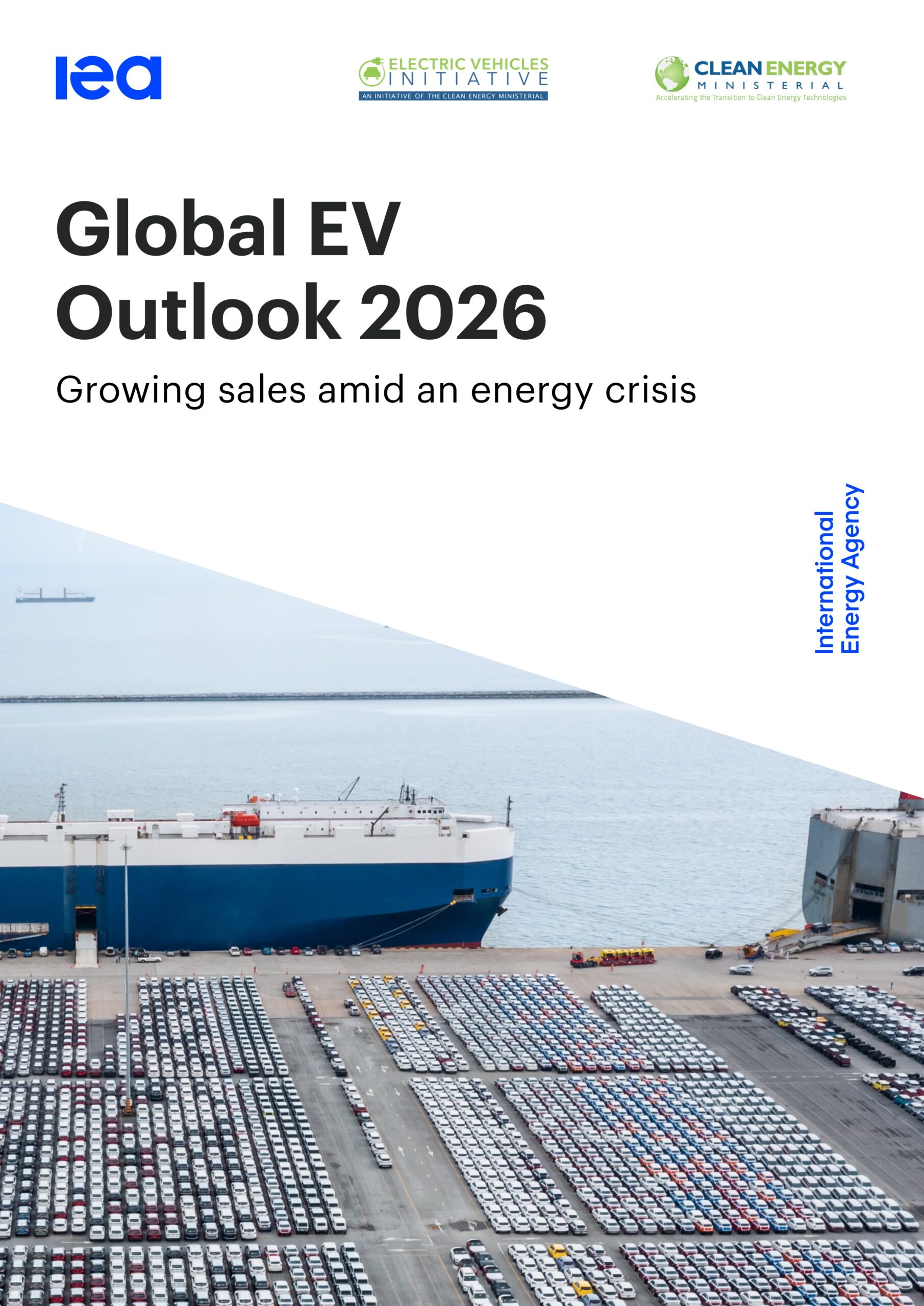
Global EV Outlook series
This benchmark series monitors recent developments in electric mobility across the globe. Produced annually, the report examines deployment of vehicles and infrastructure, battery demand, and policy developments. It evaluates the implications of growing adoption for energy consumption and emissions across major and emerging markets.
Handbook: Harmonised framework for impact reporting for social bonds
This handbook provides a harmonised framework for impact reporting on social bonds. It outlines core principles, recommendations, and sector-specific metrics for categories including affordable housing, essential services, and basic infrastructure. The document aims to enhance transparency and integrity in the social bond market through standardised reporting practices.
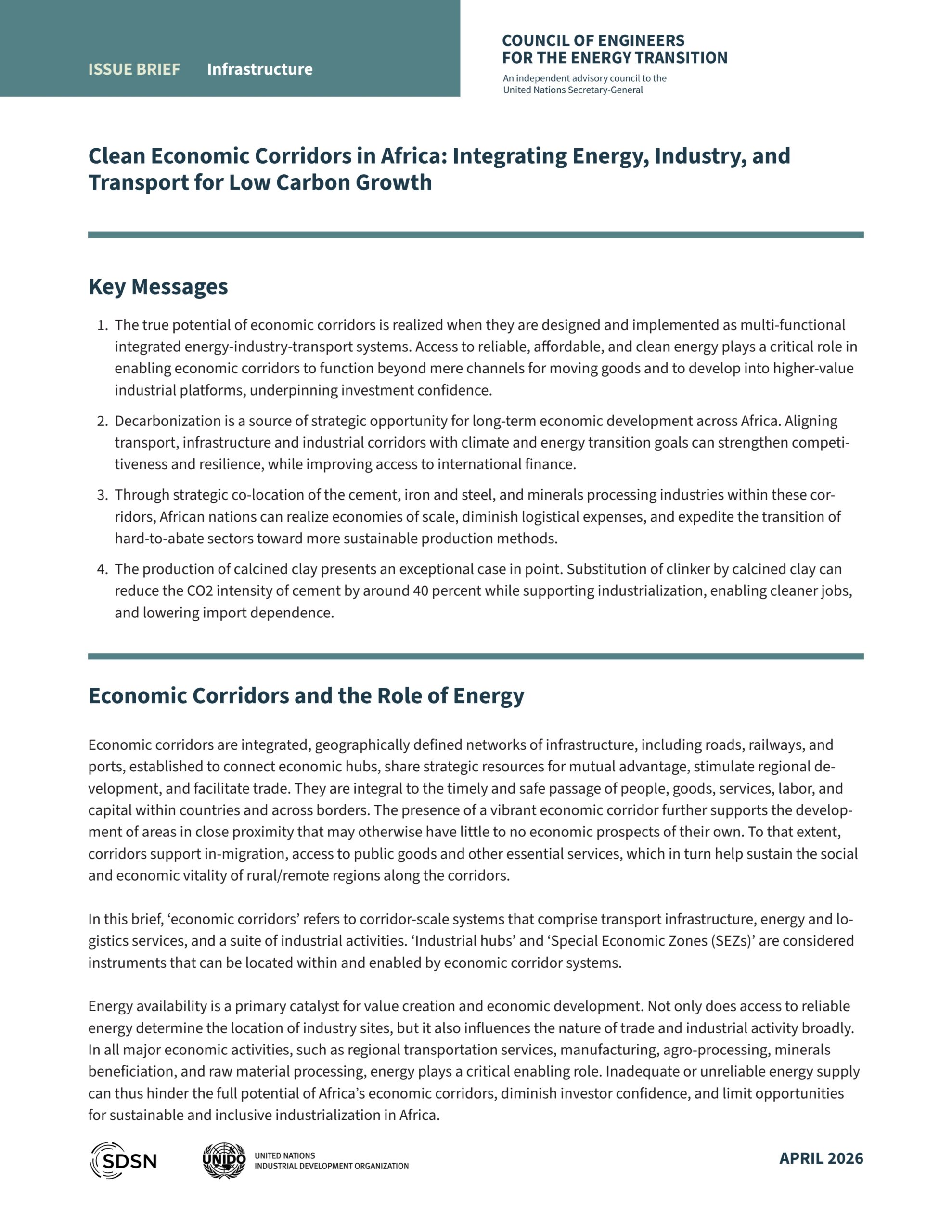
Clean economic corridors in Africa: Integrating energy, industry, and transport for low carbon growth
This report examines the development of integrated energy-industry-transport corridors in Africa to foster low-carbon growth. It details strategies for decarbonising logistics and manufacturing, particularly in steel and cement. By linking industrial hubs with renewable energy, African nations can enhance regional trade, competitiveness, and sustainable economic development.
Disaster resilience scorecard for cities: Addendum for extreme heat risk management
An addendum to the Disaster Resilience Scorecard for Cities, this tool helps local governments assess and strengthen extreme heat risk management. It uses 18 indicators to evaluate governance, infrastructure, and financial planning to build long-term urban resilience against rising temperatures.


