
Library | SASB Sustainability Sector
Infrastructure
Refine
373 results
REFINE
SHOW: 16


Scientific Climate Ratings
Scientific Climate Ratings delivers forward-looking, science-based climate risk ratings quantifying financial materiality of physical and transition risks for infrastructure assets globally.
Guidance on integrating deforestation into net zero strategies
This IIGCC guidance supports institutional investors in integrating deforestation, land conversion, and associated human rights risks into net zero strategies. Aligned with the Net Zero Investment Framework 2.0, it provides practical, asset class-specific action points across listed equity, sovereign bonds, real estate, and private equity and debt.
AI data centers and electricity demand: Taming the energy guzzlers
This paper examines AI data centre electricity demand and its costs for ratepayers and the environment. It finds that Big Tech market capitalisations have risen far above predicted levels since ChatGPT's 2022 launch, while data centres drive up electricity prices and fossil fuel use. Regulatory reforms and innovations are recommended.
Project Preparation Support Database (PPSD)
Searchable database of project preparation facilities and climate-focused incubators helping developers and investors access support for bankable climate projects.
Widening the lens: Scaling climate adaptation and resilience through sustainable finance
This report examines climate adaptation and resilience in sustainable finance, highlighting a significant financing gap in emerging markets and limited formal allocation in labelled debt markets. It argues for a broader lens that recognises resilience outcomes already embedded in policy-driven investments, using Ecuador's sovereign housing framework as a case study.
Beyond the parcel: Unlocking risk assessment of complex infrastructure assets
This First Street report applies climate risk modelling to five infrastructure asset types — airports, residential developments, rail networks, transmission lines, and toll roads — demonstrating how localised physical hazards translate into material revenue losses and operational downtime, and why traditional parcel-based risk tools are inadequate for complex infrastructure.
Urban heat risk management: Resource package
This resource package provides practical guidance for local and national governments on managing urban heat risks through governance, planning, nature-based solutions and emergency preparedness. Drawing on global evidence and city case studies, it outlines strategies to strengthen urban resilience to increasing extreme heat.

Climate Central
Climate Central Resources is an online library of climate science content, interactive tools, graphics and datasets. It provides evidence-based information on climate change impacts, extreme weather, sea level rise and climate risk, supporting analysis, communication and decision-making across sectors, including finance.

Driving Australian climate innovation: Unlocking capital to support a clean industrial revolution
Commissioned by IGCC and authored by Pollination, this report reviews climate innovation policy in California, Denmark, the Netherlands, South Korea and Germany to identify gaps in Australia's policy landscape and recommend measures to drive transition industry investment, including strengthening the Safeguard Mechanism and establishing a national industrial strategy.
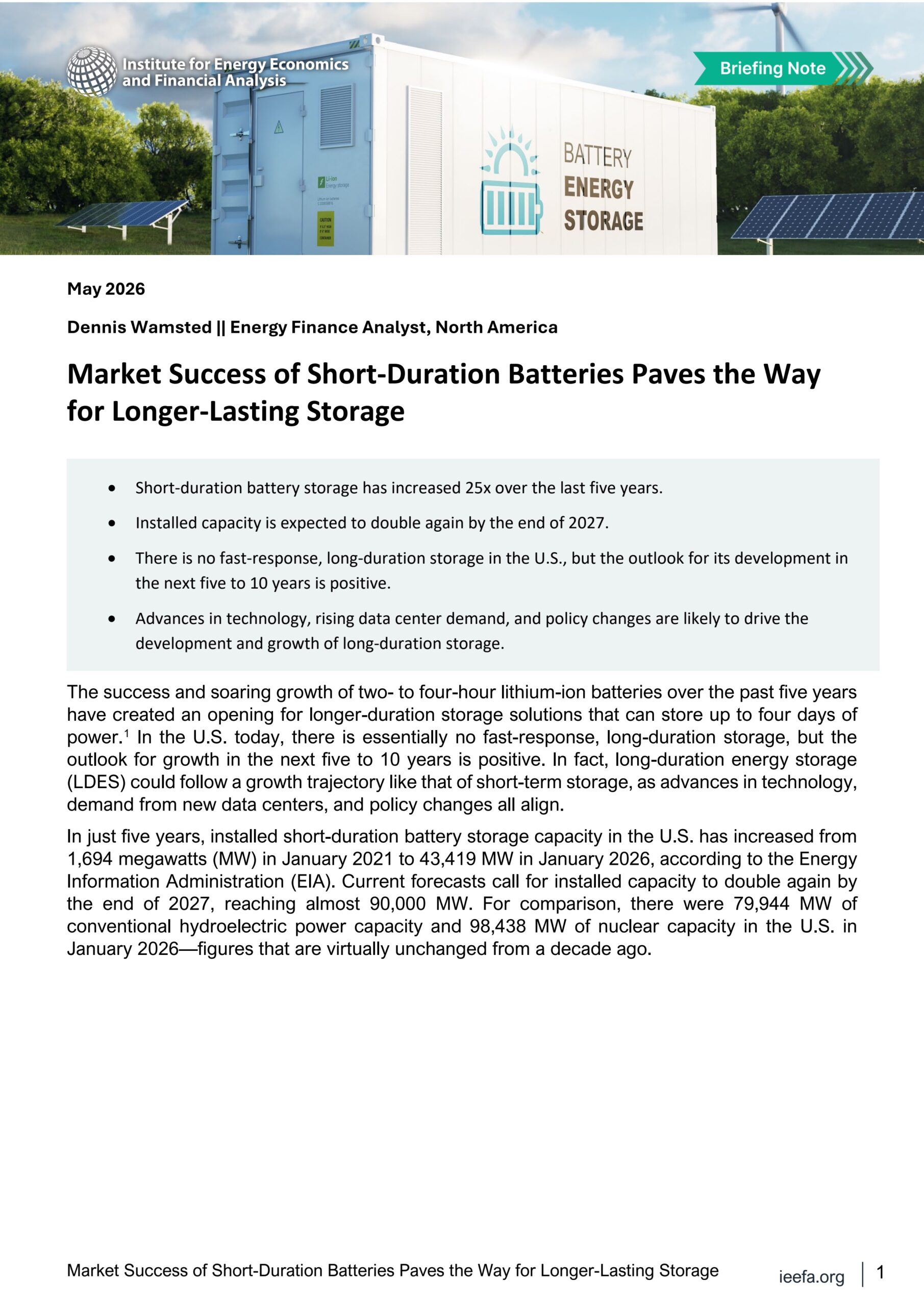
Market success of short-duration batteries paves the way for longer-lasting storage
Short-duration battery storage in the U.S. has grown 25x in five years, reaching 43,419 MW. This IEEFA report examines how that success is opening pathways for long-duration energy storage, driven by state mandates, data centre demand from AI companies, and advances in technologies including iron-air, liquid air, and carbon-oxygen systems.
How to use consensus state of nature metrics to understand business dependencies on ecosystem services
This briefing note explains how businesses and financial institutions can configure the NPI consensus State of Nature metrics to understand their dependencies on ecosystem services. It outlines a four-step practical process, identifies where the metrics provide strong insight, and highlights where complementary indicators are needed.
Data centers and local economies in the age of AI: A shift-share approach
This NBER working paper examines the local economic effects of data centre expansion across U.S. counties from 1995 to 2020. Using shift-share instruments, the authors find positive effects on employment, establishments, income, and house prices, alongside higher electricity prices, presenting a mixed policy outcome for counties hosting data centres.
PowerPulse: India Corporate Dashboard
An IEEFA dashboard assessing the financial, operational, and energy transition progress of listed power sector companies in India every quarter.
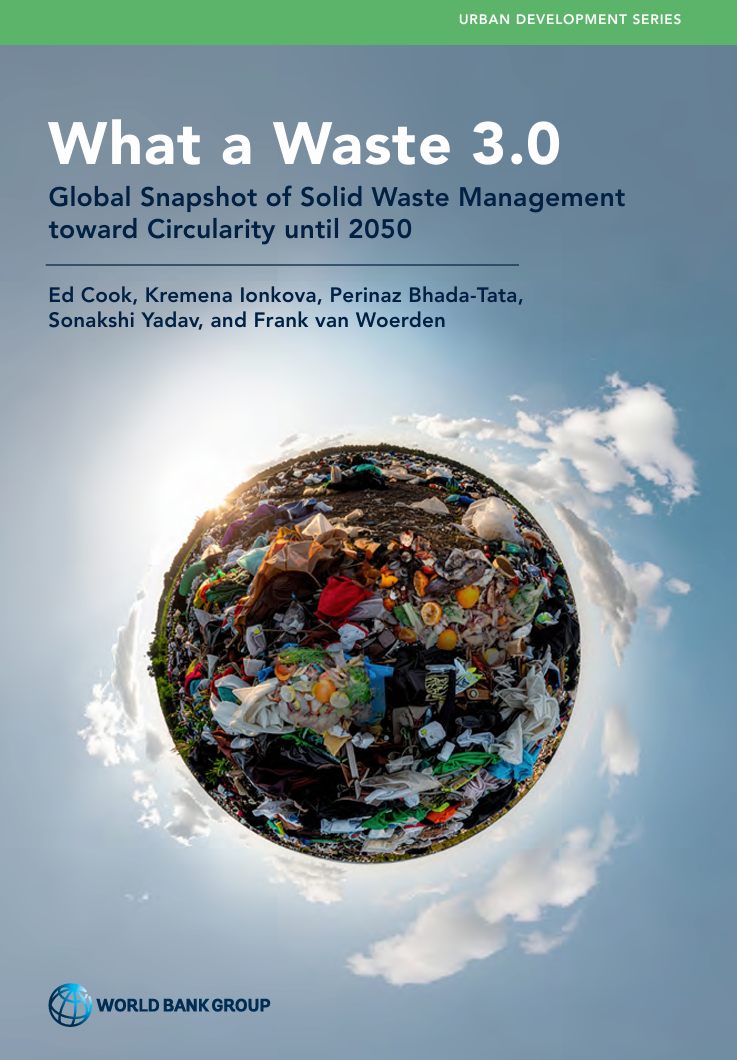
What a waste 3.0: Global snapshot of solid waste management toward circularity until 2050
What a Waste 3.0 provides a global assessment of municipal solid waste management across 217 countries and economies. It analyses waste generation, collection, treatment, recycling, financing, employment, climate impacts and circularity pathways to 2050, highlighting rising waste volumes, infrastructure investment needs, resource recovery opportunities and policy frameworks for sustainable waste systems.
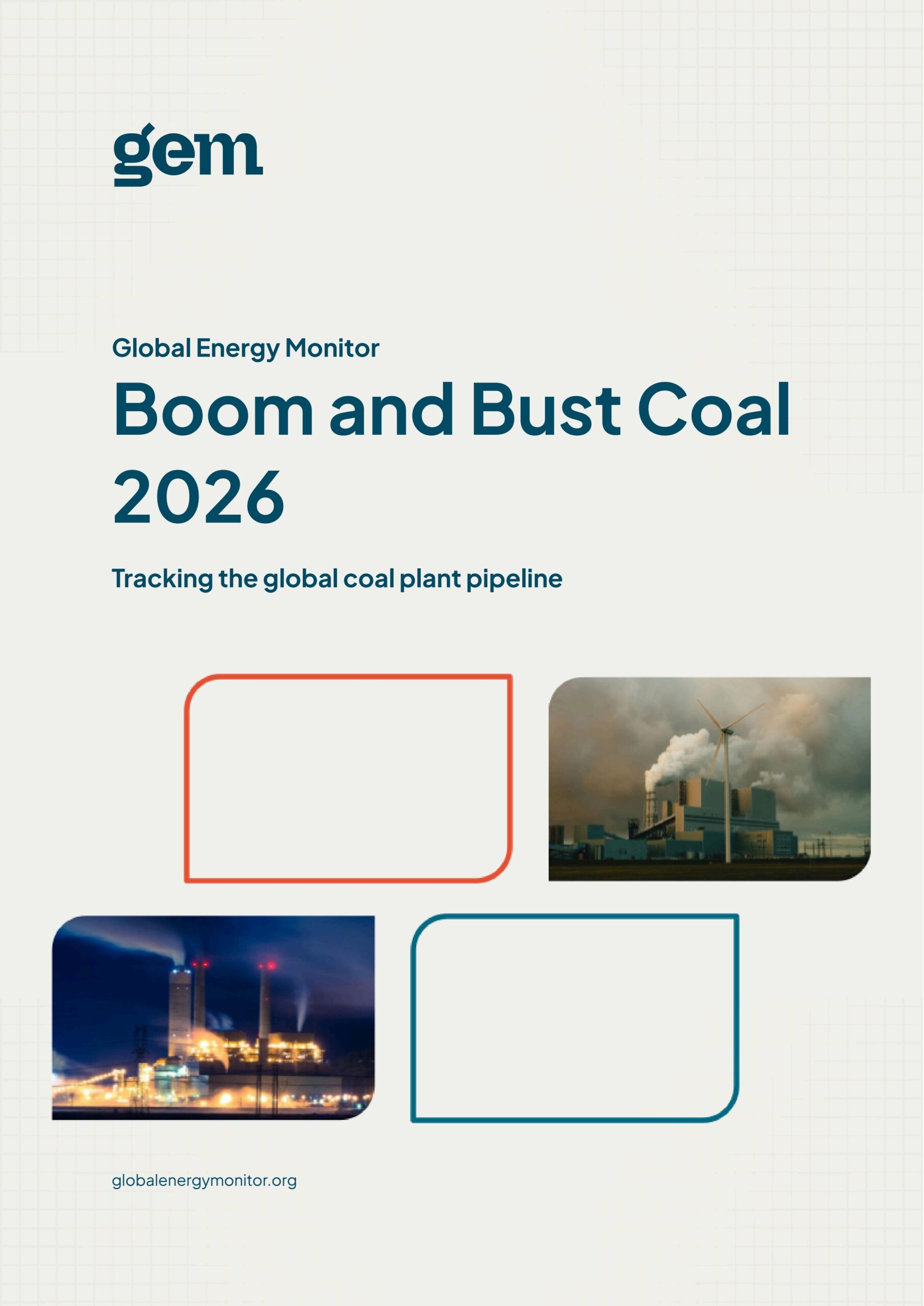
Boom and bust coal series
The Boom and Bust series is an annual research series that tracks the global coal plant pipeline using data from the Global Coal Plant Tracker. It examines trends in coal power development, construction, commissioning, retirements and policy developments across countries and regions, providing an overview of changes in the global coal sector.
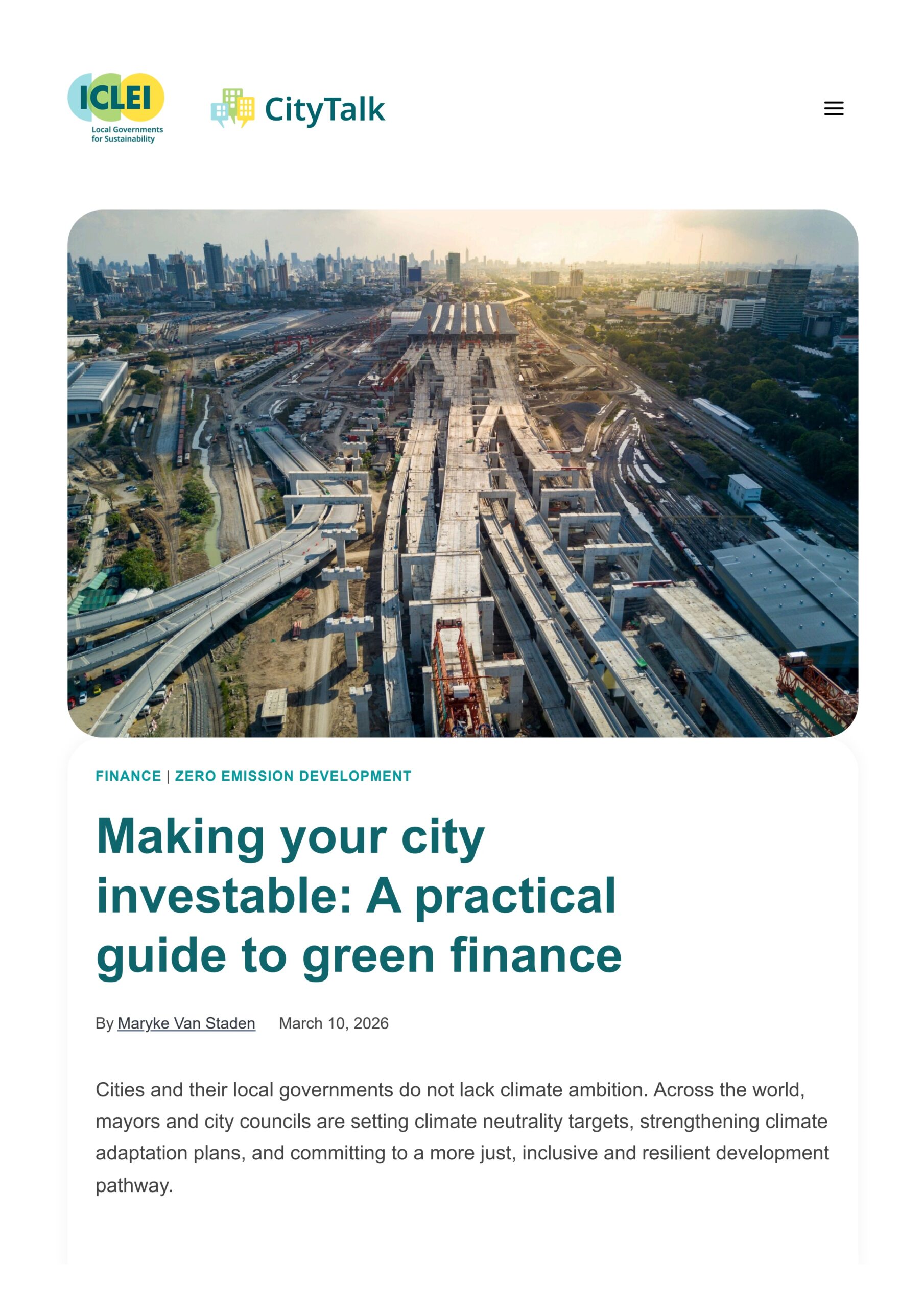
Making your city investable: A practical guide to green finance
This guide outlines how local governments can access green finance by shifting from ad hoc initiatives to embedded institutional strategies. Highlighting successful international examples, it emphasises the importance of transparent governance, predictable project pipelines, and standardised reporting to build investor confidence and secure long-term climate capital.


