
Library | SASB Sustainability Sector
Technology
Refine
165 results
REFINE
SHOW: 16


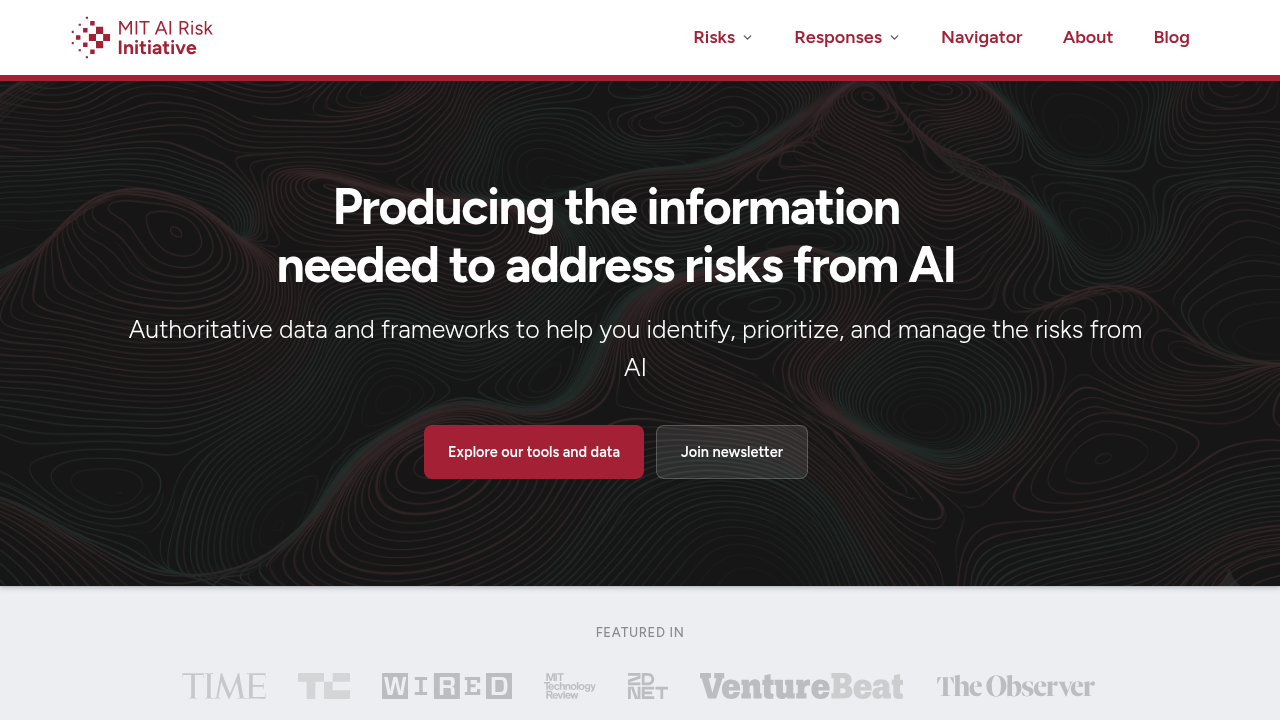
MIT AI Risk Repository
The MIT AI Risk Repository is a comprehensive database of over 1,600 AI risks and real-world incidents. It provides frameworks and data to help finance professionals and organisations identify, prioritise, and manage technical, social, and regulatory risks associated with artificial intelligence.
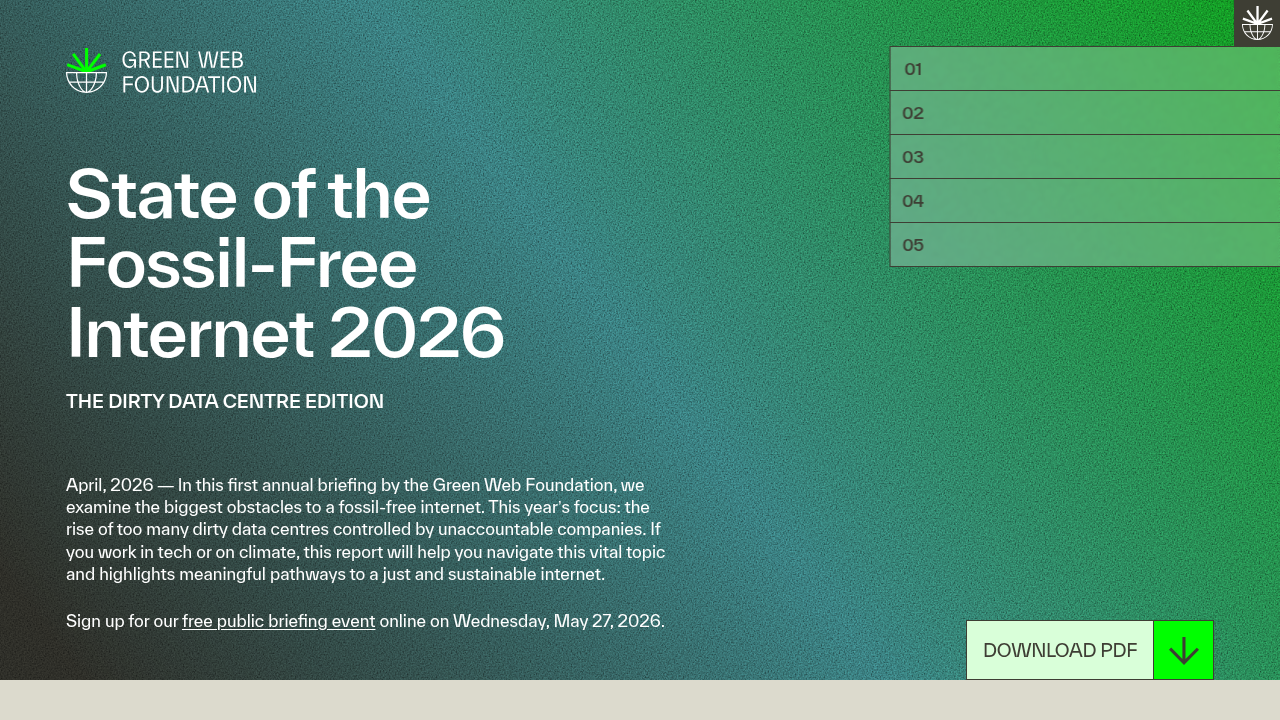
Fossil Free Web 2026
A report and data resource by the Green Web Foundation tracking the internet's transition to green energy. It highlights the environmental impact of AI and hyperscale data centres.
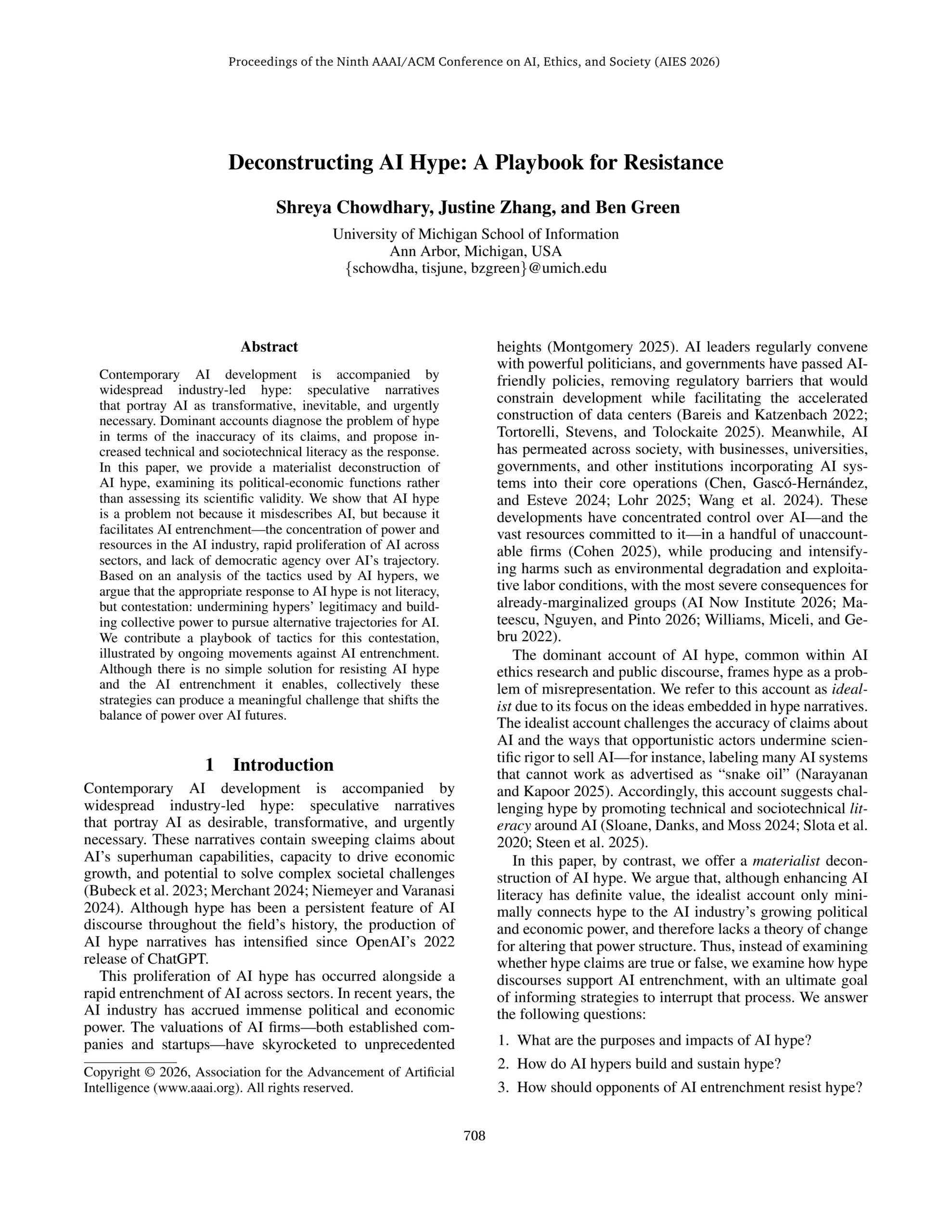
Deconstructing AI hype: A playbook for resistance
This research provides a materialist deconstruction of AI hype, arguing it facilitates power concentration rather than just misrepresenting technology. It details how "hypers" manufacture urgency and capture credibility. The paper offers a playbook for resistance through contestation, undermining legitimacy and building collective agency to challenge AI entrenchment.
Artificial intelligence and climate change: balancing innovation and sustainability
This report examines the interaction between artificial intelligence and climate change, highlighting potential for mitigation and adaptation alongside significant environmental costs. It explores two technological trajectories—AI copilot and artificial general intelligence—while discussing implications for central banks regarding productivity, inflation, financial stability, and emerging global policy frameworks.
Public procurement and AI governance: Developing a strategic framework for middle powers
This report evaluates how 'AI middle powers' can use public procurement as a strategic governance tool to mitigate risks from foreign-led frontier AI. It proposes a framework of contractual guarantees and recommends international coordination to increase bargaining leverage, enhance visibility, and secure data sovereignty against technological dependencies.
Who pays for growth? Evidence from data centers and the grid
This research examines the impact of data centre expansion on US electricity prices. Findings indicate that entry between 2010 and 2024 increased average retail rates by 2.7%. These costs are concentrated among investor-owned utilities and pronounced in deregulated markets or regions with limited spare capacity.
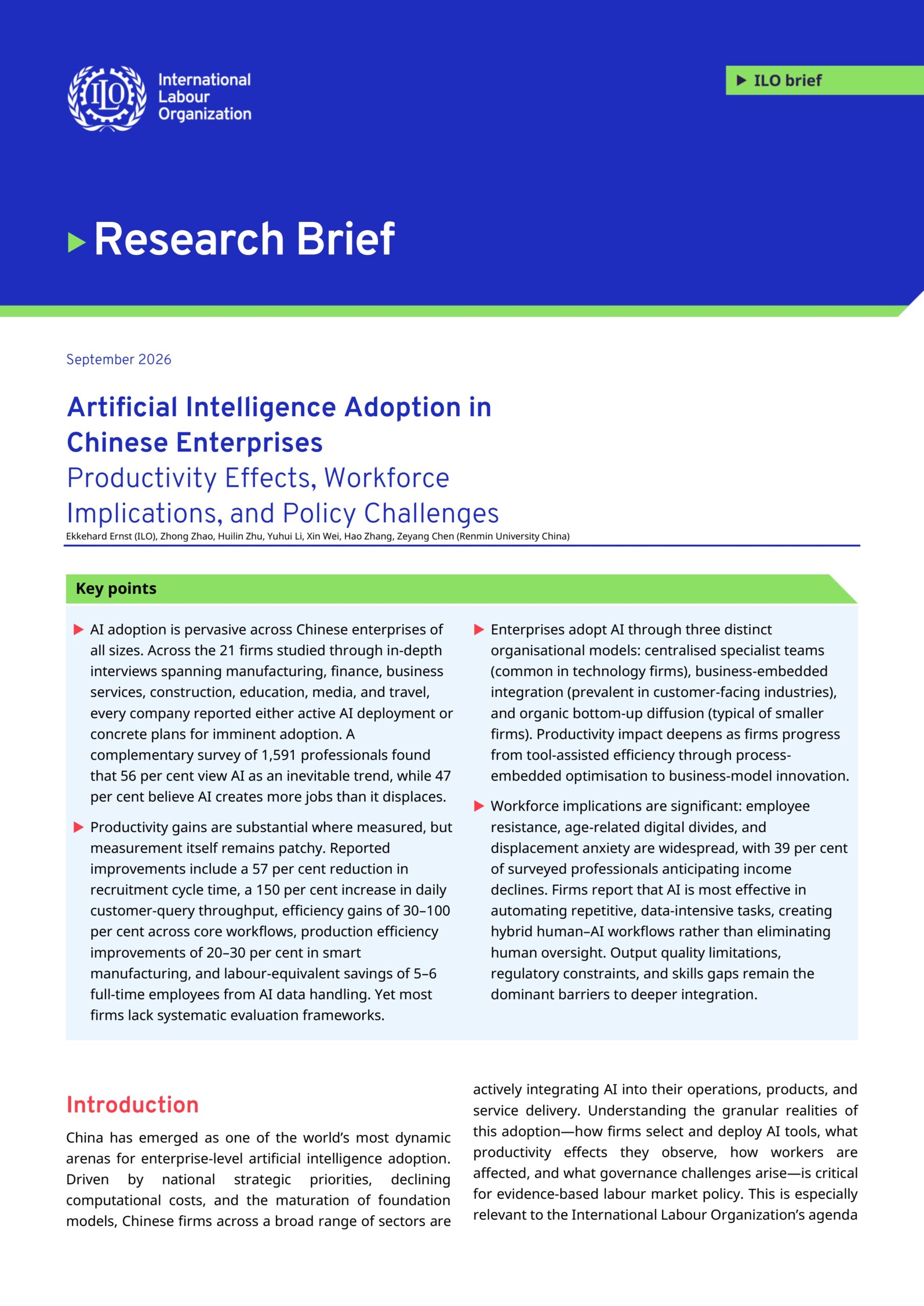
Artificial intelligence adoption in Chinese enterprises: Productivity effects, workforce implications, and policy challenges
This research explores artificial intelligence adoption within Chinese enterprises using qualitative interviews and quantitative surveys. It identifies significant productivity gains, various organisational models, and workforce impacts, including income anxiety and skills gaps. The report highlights the human–AI collaboration paradigm and offers policy recommendations for skills development and governance.
The governance of dual-class firms
This research examines the governance of dual-class firms, documenting a significant rise in their prevalence among US initial public offerings between 2000 and 2025. It identifies that these structures are increasingly concentrated in founder-led, venture-backed technology companies, while empirical evidence suggests they do not necessarily lead to CEO entrenchment.
Managing LLM bias in investing: From detection to mitigation
This report examines implicit and explicit LLM biases in investment management. Through a case study on framing bias across nine OpenAI models, it identifies significant sensitivities in drawdown and client retention scenarios. It concludes that manual prompt restructuring and human-in-the-loop protocols are the most effective mitigation strategies.
Regulating artificial intelligence in finance: Lessons from Singapore
This research analyses Singapore's multi-layered approach to regulating artificial intelligence in finance. It evaluates frameworks like the FEAT Principles and Project MindForge while identifying risks such as deepfakes and bias. The paper recommends establishing a dedicated regulatory sandbox and shared responsibility frameworks to manage evolving technological and third-party risks.
Old workers, young machines: Can AI and automation offset population ageing?
This report assesses the capacity of artificial intelligence and robots to automate ageing workforces across 135 economies. While automation could offset demographic pressures, its effectiveness is limited because ageing often occurs in sectors with low automation potential, such as health and agriculture, particularly in several fast-ageing advanced economies.
Liability and pricing of dual-use AI
This research analyses AI provider liability for dual-use models enabling both cyberattacks and defence. It demonstrates that while liability can improve welfare by reducing contest resources through higher prices, it may increase harm by weakening precautions. Market competition and guardrail incentives significantly influence optimal liability shares.
Public finance in the digital era: Emerging themes 2026
This report explores emerging themes in digital-era public financial management (PFM) for 2026. It examines the integration of artificial intelligence, digital public infrastructure, and earth observation to improve fiscal oversight, tax administration, and public welfare, while highlighting risks from declining international aid and proprietary software lock-in.
Toward a more human pace for data center development
This research examines the environmental and social impacts of rapid data centre expansion in the United States. It highlights how generative AI infrastructure disproportionately burdens marginalised communities through pollution, increased utility costs, and resource depletion. The authors call for a "more human pace" centred on environmental justice.
AI-driven productivity gains enable more CO₂ emissions than they avoid in a global energy–economy model
Research using a global energy-economy model indicates that AI-driven productivity gains increase net annual CO2 emissions by 0.47–1.8 gigatonnes under parallel adoption. Enabled emissions from fossil sectors consistently exceed avoided emissions from renewables. Achieving net reductions requires renewable productivity gains to be four to five times greater than fossil gains.
Leveraging technological solutions for human rights due diligence
This report distils lessons from 25 organisations on leveraging technology to strengthen human rights due diligence in value chains. It categorises various tools, provides case studies, and outlines practical steps for responsible AI adoption, emphasising that technology must complement, rather than replace, human judgement and meaningful stakeholder engagement.


