
Library | Finance relevance
Bankers and financiers
Refine
707 results
REFINE
SHOW: 16


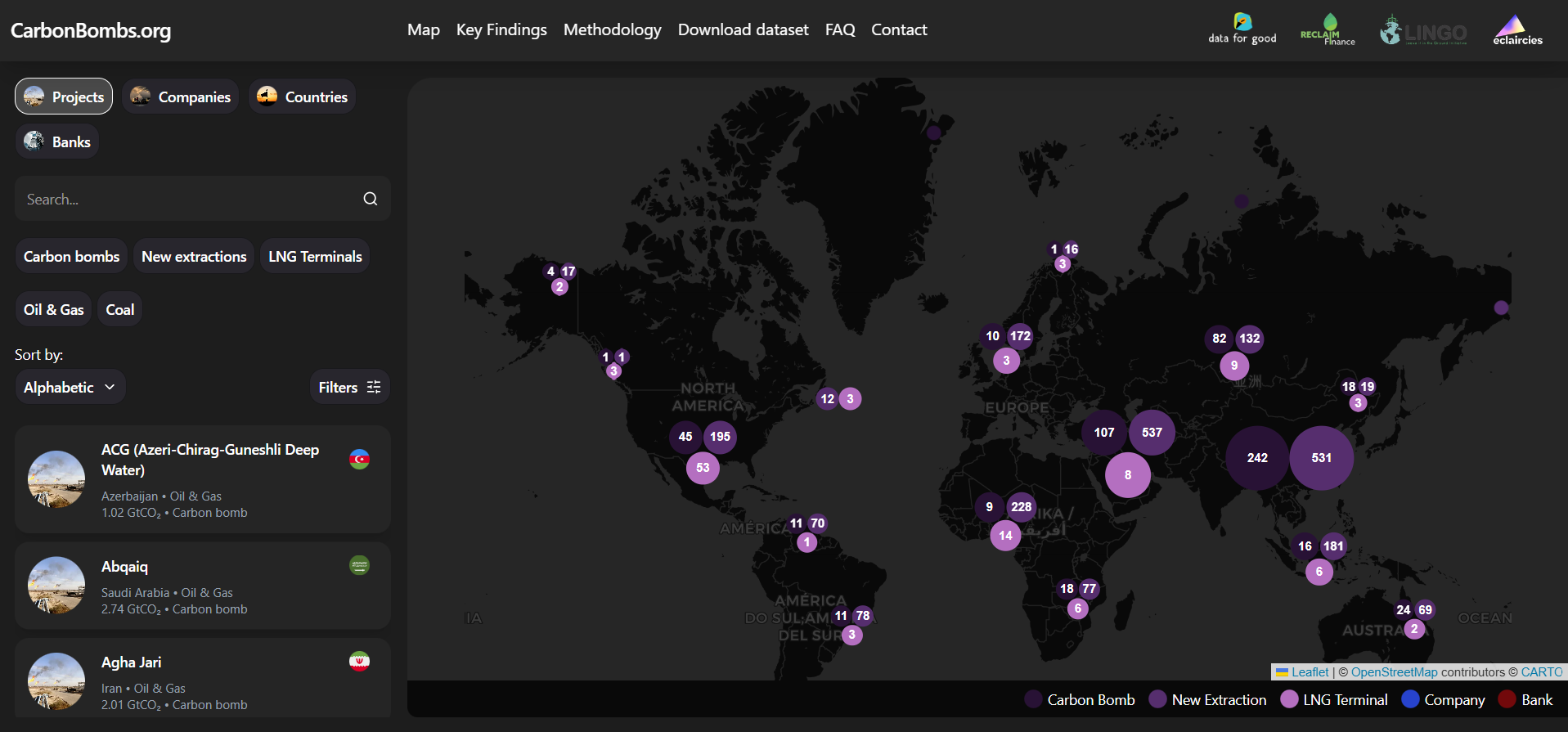
Carbon Bombs
CarbonBombs.org is an open-source global database mapping large fossil fuel extraction projects (“carbon bombs”), new oil, gas and coal developments and LNG terminals, with estimated future CO₂ emissions and links to companies and banks involved. Data is consolidated from multiple research sources and regularly updated.
LINGO (Leave it in the Ground Initiative)
Leave it in the Ground Initiative (LINGO) is a non-profit climate advocacy organisation focused on ending new fossil fuel extraction. It produces research, policy analysis and campaigns supporting a just energy transition, climate finance reform, and alignment with Paris Agreement goals, engaging policymakers, civil society and financial institutions globally worldwide.

Éclaircies
Éclaircies is an independent expert collective producing open-source climate, energy and environmental analysis. It develops data tools, methodologies and reports to improve transparency on fossil fuel exposure, emissions and transition risks. Outputs support researchers, journalists, civil society and policymakers seeking evidence-based insights across global climate finance and energy systems worldwide.
How the circular economy can revive the sustainable development goals: Priorities for immediate global action, and a policy blueprint for the transition to 2050
This report argues that embedding circular economy principles within the Sustainable Development Goals could revive stalled progress. It outlines five global policy priorities and proposes a 2050 blueprint linking circularity, inclusive growth, trade, finance and standards to post-2030 development agendas.
Scaling finance for nature: Barrier breakdown
This report analyses barriers to scaling private finance for nature, highlighting a US$700 billion annual biodiversity finance gap. It clarifies nature-positive finance, assesses risk–return challenges, regulatory gaps and data issues, and outlines instruments to redirect capital from harmful activities towards halting and reversing nature loss.
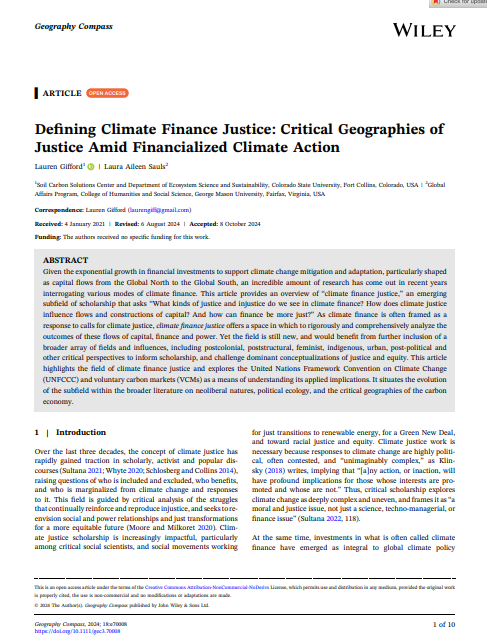
Defining climate finance justice: Critical geographies of justice amid financialized climate action
The article defines “climate finance justice” as a framework for analysing how financialised climate action shapes equity, power, and outcomes. It critiques climate finance mechanisms, including UNFCCC processes and voluntary carbon markets, and argues for justice-centred approaches that address historical responsibility, governance, and uneven impacts.
Time to plan for a future beyond 1.5 degrees
The report argues that limiting warming to 1.5°C is no longer realistic and may hinder preparedness. It calls for acknowledging higher warming scenarios, accelerating mitigation, and adopting disruptive policy, financial, and governance approaches to manage climate and nature risks in a likely 2°C-plus world.
The 13th national risk assessment: Climate, the 6th “C” of credit
The report analyses US climate-driven mortgage risk, showing floods as the dominant driver of post-disaster foreclosures. Rising insurance costs, coverage gaps and falling property values create hidden credit losses. It argues climate risk should be treated as a sixth core credit assessment factor.
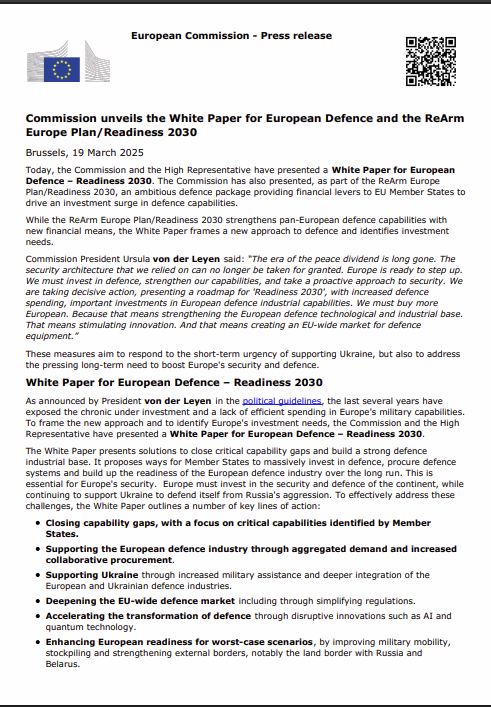
Commission unveils the white paper for european defence and the rearm europe plan readiness 2030
The report outlines the EU’s White Paper on European Defence and the ReArm Europe Plan, targeting defence readiness by 2030 through closing capability gaps, strengthening the defence industrial base, and mobilising over €800 billion via public, EU, and private funding mechanisms.
BPI France: European Defence Bond Framework
Bpifrance’s European Defence Bond Framework defines principles for issuing use-of-proceeds bonds financing eligible defence-sector projects, mainly SMEs, to support European sovereignty. It details eligibility criteria, exclusions, ESG safeguards, governance, reporting, and proceeds management, while stating the bonds are not ICMA-aligned sustainable instruments.
Finance for war: Finance for peace: How values based banks foster peace in a world of increasing conflict
The report analyses global financial links to arms production, showing significant funding for weapons despite rising conflict. It contrasts this with values-based banks, particularly GABV members, which largely exclude arms financing, arguing divestment supports peace, reduces risk, and aligns finance with social and environmental objectives.
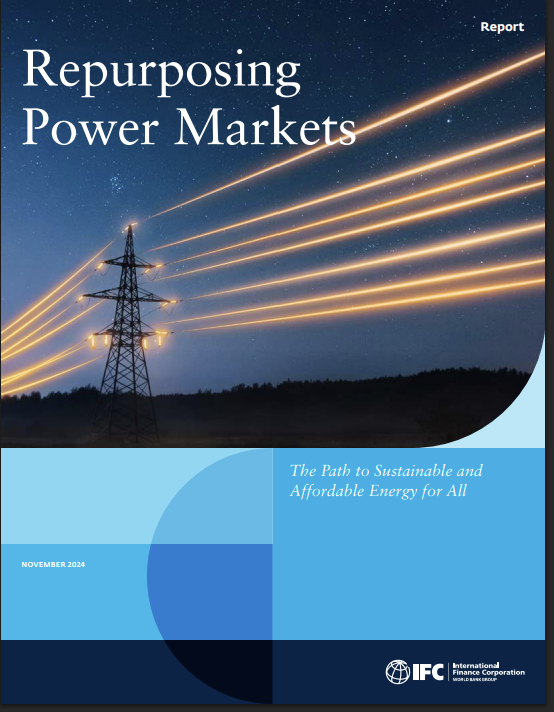
Repurposing power markets: The path to sustainable and affordable energy for all
IFC’s report argues that repurposing power market designs is critical to achieving affordable, reliable and sustainable electricity. Drawing on global data, it finds competitive markets attract private capital, improve access and accelerate renewables, while recommending tailored reforms guided by innovation, integration and institutional strength.
A risk professional’s guide to physical risk assessments: A GARP benchmarking study of 13 vendors
GARP benchmarks 13 vendors’ asset-level climate physical risk models, finding wide dispersion in hazard and damage estimates due to differing data, assumptions and methods. The report stresses due diligence, transparency and improved asset data when selecting vendors.
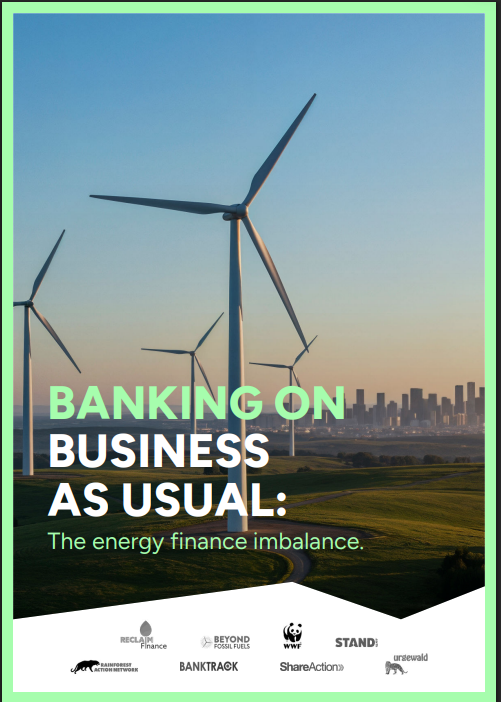
Banking on business as usual: The energy finance imbalance
The report assesses energy financing by 65 major banks (2021–2024), finding fossil fuel finance more than double sustainable power supply. The energy supply financing ratio stagnates around 0.42:1, far below net-zero benchmarks, with regional disparities and weak translation of climate commitments into financing shifts.
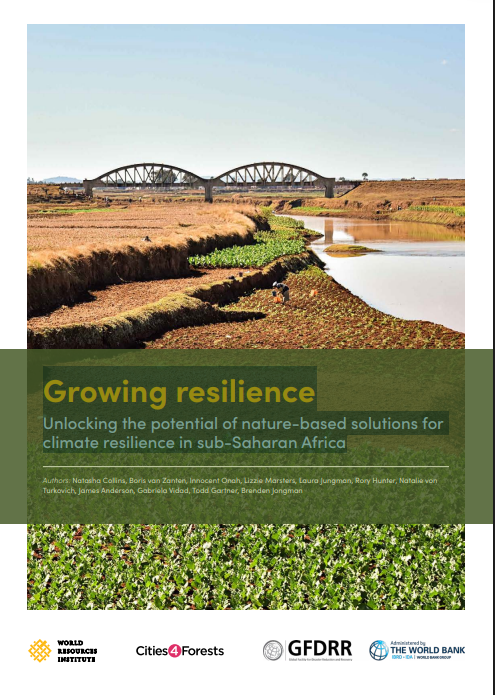
Growing resilience: Unlocking the potential of nature-based solutions for climate resilience in sub-Saharan Africa
The report assesses nature-based solutions for climate resilience in sub-Saharan Africa, reviewing nearly 300 projects. It finds growing adoption but insufficient scale, highlighting financing, policy, and capacity gaps, and recommends integrating NBS into infrastructure planning, diversifying funding, and strengthening social inclusion and local capability.
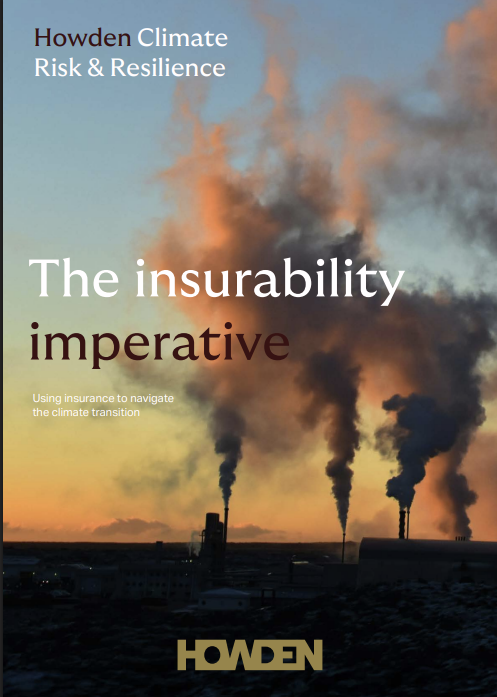
The insurability imperative: Using insurance to navigate the climate transition
This report argues that insurability is a strategic indicator of financial viability in a climate-disrupted economy. It explains how insurance, risk modelling, resilience investment, and policy alignment shape access to capital, asset values, and transition finance, urging leaders to embed insurability into decision-making.


