
Library | Finance relevance
Bankers and financiers
Refine
707 results
REFINE
SHOW: 16


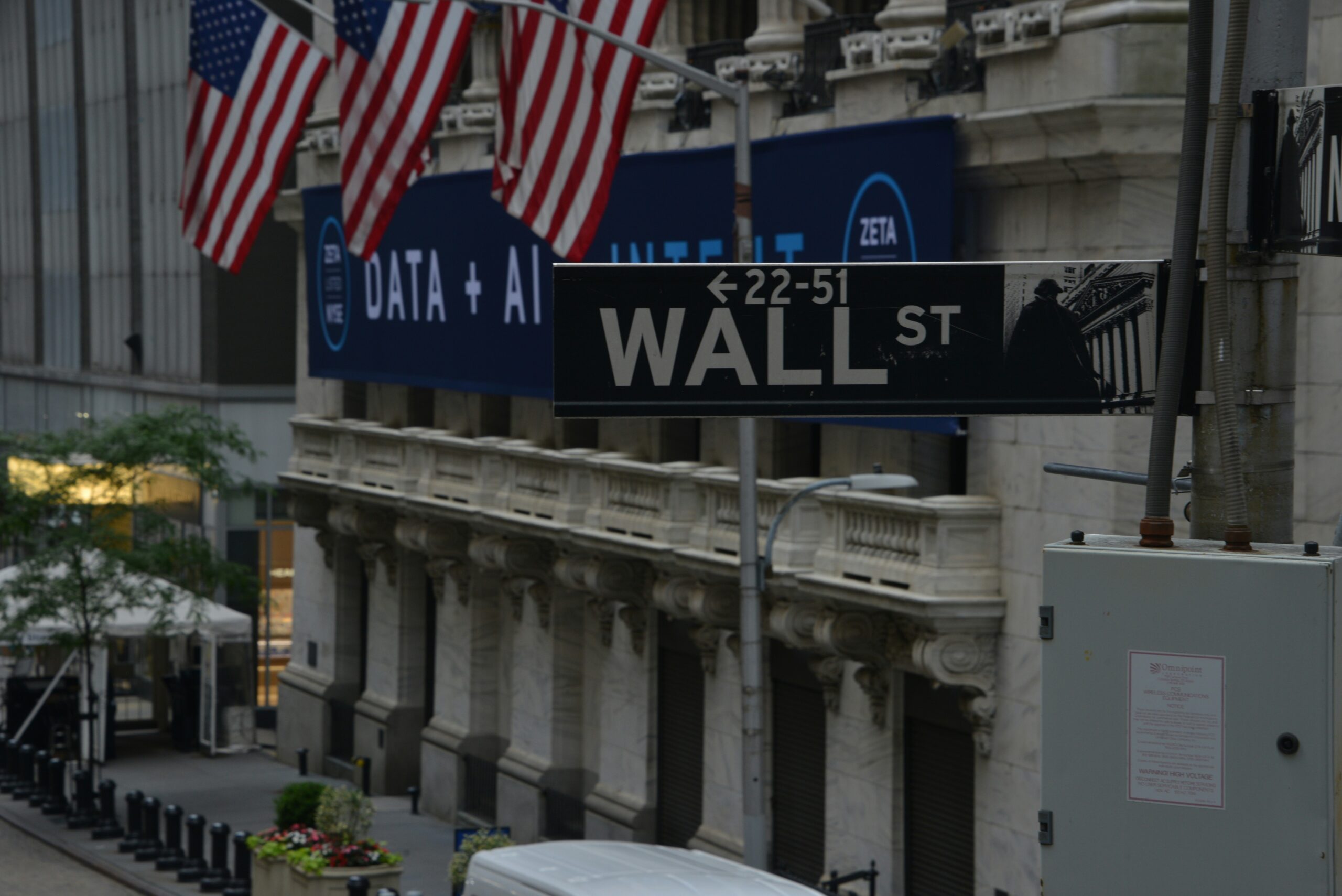
Green finance was supposed to contribute solutions to climate change. So far, it’s fallen well short
The article argues that while climate disclosure and green finance initiatives have expanded since Mark Carney’s “tragedy of the horizon” speech, they have failed to shift capital at the scale required to address climate and nature risks. It contends that deeper structural reforms to financial valuation, incentives and capital allocation are needed to move beyond managing symptoms toward financing real-world solutions.
Maximising Australia’s green growth: Leveraging trade and aid policy to drive Australia’s green exports agenda
The report assesses risks to Australia’s fossil fuel exports and outlines how aligned trade, aid and climate finance policies can build demand for green exports. It proposes sustainable growth partnerships in the Indo-Pacific to secure markets, attract investment and support regional decarbonisation.

Sustainable Finance Roundup December 2025: Nature, Regulation, and the Hardening of Risk
This month’s sustainable finance roundup traces the shift from ambition to enforcement, as climate and nature risks become financial, regulatory and legal realities. It covers Australia’s environmental law reforms, the embedding of climate and nature risk through prudential supervision, disclosure and shareholder pressure, and insurer warnings on the limits of insurability. It also highlights how markets are responding to deforestation and biodiversity risk, and how litigation and regulation are reshaping governance and long-term financial resilience.
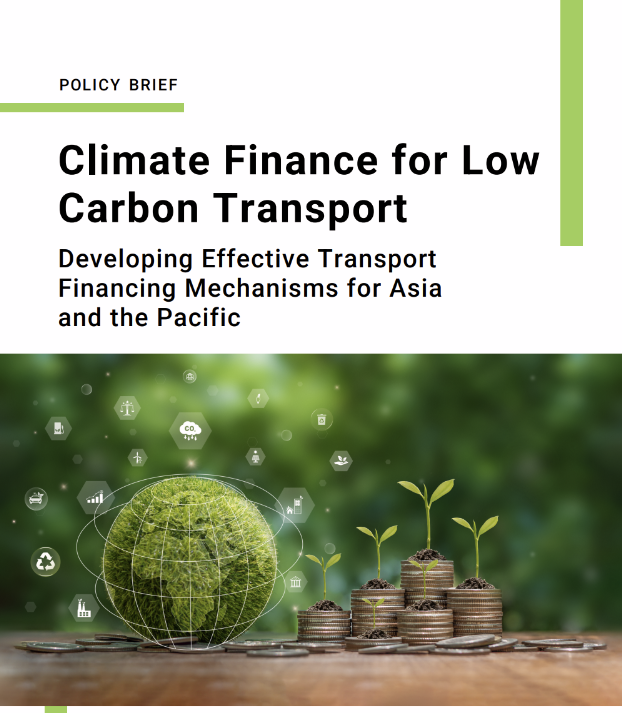
Climate finance for low carbon transport: Developing effective transport financing mechanisms for Asia and the Pacific
This ESCAP policy brief examines climate finance options for scaling low-carbon transport in Asia–Pacific. It assesses funding gaps, barriers, and mechanisms—including subsidies, carbon pricing, green bonds, PPPs, and international finance—and recommends policy alignment, capacity building, investor matching, and diversified financing to accelerate investment.
ICMA DLT bonds reference guide
ICMA’s DLT Bonds Reference Guide outlines practical considerations across the lifecycle of distributed ledger technology-based debt securities. It addresses legal, regulatory, operational, trading, settlement and investor issues, aiming to support consistent market practice and wider adoption while reducing fragmentation in global bond markets.
Combined climate stress testing of supply-chain networks and the financial system with nation-wide firm-level emission estimates
This study utilises comprehensive Hungarian firm-level data to stress-test the economy and banking system against carbon pricing shocks. While direct impacts at €45/t appear minimal, supply chain contagion significantly amplifies losses, potentially by 4000% if essential inputs cannot be substituted. This highlights critical risks in systemic supply network dependencies.

Sustainability-related risks and opportunities and the disclosure of material information
This educational material explains how entities identify and disclose material sustainability-related risks and opportunities under IFRS S1 and S2, focusing on impacts on cash flows, access to finance and cost of capital, and applying consistent, entity-specific materiality judgements.
International round table: Financing climate action at city level
This report synthesises discussions from an international round table on financing city-level climate action, highlighting how local governments overcome fiscal constraints through tailored funding scales, partnerships, innovative revenue mechanisms, and long-term approaches to deliver major decarbonisation programmes across Europe and North America.
Harmonised framework for impact reporting for social bonds handbook
The handbook provides a harmonised framework for issuers to report social bond impacts, outlining core reporting principles, target population disclosure, and preferred quantitative indicators. It introduces sector guidance—initially affordable housing—and offers templates to support consistent, transparent, and comparable impact reporting across social project categories.
Responsible Digital Finance Ecosystem (RDFE): A conceptual framework
The report outlines a framework for a Responsible Digital Finance Ecosystem, urging holistic, collaborative consumer protection amid rising digital finance risks. It defines ecosystem actors and four pillars—customer centricity, collaboration, capability, and commitment—to strengthen regulation, improve outcomes, and reduce harms in rapidly evolving digital financial services.

The Other Half of the Transition: Why Livestock Deserves as Much Attention as Energy
This article highlights the major climate impact of livestock and explains why the absence of clear roadmaps, metrics, and financing strategies has left the sector far behind the energy transition. It proposes policy reforms, mitigation hierarchies, and justice-centered pathways to unlock effective and equitable change.

Institute for Sustainable Finance (ISF)
Institute for Sustainable Finance (ISF) at Smith School of Business, Queen’s University, is Canada’s first multi-disciplinary hub aligning finance with environmental sustainability. It conducts research, publishes policy guidance, and runs education and collaboration programmes to help policymakers, investors, and firms integrate climate risk, nature, and ESG considerations into capital allocation and regulation.
Sustainable Finance Roundup November 2025: Transition Turning Points and Rising Accountability
This month’s sustainable-finance roundup highlights faster transition momentum, rising physical risks and a tightening focus on accountability. COP30 reinforced expectations for stronger 2035 targets, while national actions underscored diverging paths toward decarbonisation. Markets continued shifting toward clean energy and resilience, and new science made climate harms more visible. With regulatory scrutiny and litigation increasing, transition credibility and real-economy resilience are becoming core drivers of financial risk and investment decisions.
Responsible banking blueprint: A roadmap for action on climate, nature and biodiversity, healthy and inclusive economies and human rights
This report outlines a blueprint for responsible banking, detailing how banks can embed climate, nature, human rights, and inclusive economy considerations into strategy, governance, client engagement, capital allocation and disclosure. It provides guidance on setting and implementing targets to align portfolios and practices with global sustainability frameworks.
Net zero carbon buildings in cities: Interdependencies between policy and finance
This report analyses how cities can decarbonise buildings by mapping the interdependencies between policy and financial instruments and the barriers they address. It highlights priority actions for cooling, embodied carbon, adaptation and a just transition, outlining pathways that help cities sequence measures to accelerate net zero building outcomes.
Closing the Gap: The evolution of climate transition finance in China
China’s transition finance market is expanding to support the decarbonisation of high-emitting industries. The report outlines growth in green and sustainability-linked bonds, emerging transition frameworks, and ongoing debates on coal and gas inclusion, highlighting the need for clearer standards and broader financing tools to meet China’s 2060 climate goals.


