
Library | Finance relevance
Bankers and financiers
Refine
707 results
REFINE
SHOW: 16


From promise to performance: Reforming blended finance for scale
This report examines why blended finance has failed to scale in emerging markets. Drawing on expert interviews and analysis, it identifies structural barriers and proposes reforms to improve transparency, risk pricing, liquidity, project pipelines and additionality, aiming to better mobilise private capital.
Advancing gender equality and women’s empowerment: Target setting guidance for banks
This guidance outlines how banks can set and implement measurable targets to advance gender equality and women’s empowerment across leadership, portfolios, financial inclusion and ecosystems, aligned with the Principles for Responsible Banking and Women’s Empowerment Principles.
Sustainability disclosure landscape report for risk management: Insights from climate-focused case studies
This report reviews sustainability disclosure standards and regulatory uptake, focusing on climate-related risk management. Using case studies, it examines IFRS S1 and S2 implementation, materiality assessments and transition plans, highlighting disclosure gaps, data challenges and practical approaches to improve decision-useful climate risk reporting.
Climate and catastrophe insight series
The Climate and Catastrophe Insight is an annual research series that provides a consistent global view of natural disaster activity and climate-related catastrophe trends. It examines impacts on people, assets and economies to support risk assessment, resilience planning and long-term decision-making.
Sustainable Finance Roundup January 2026: Geopolitics, Energy Transitions, and Systemic Risk
This month’s sustainable finance article roundup examines a landscape increasingly shaped by geopolitics and climate risk, as near-term fragmentation, energy security, and affordability pressures collide with intensifying long-term threats from climate change, biodiversity loss, and water stress. The works featured analyse how these dynamics are reshaping capital allocation, disclosure, and resilience planning, demonstrating the growing need for sustainable finance to integrate geopolitical risk with real-economy transition.
Global landscape of climate finance series
The Global Landscape of Climate Finance is a benchmark series by Climate Policy Initiative that tracks global climate finance flows, examining the sources, financial instruments, sectors, uses and geographic distribution of public and private investment supporting climate mitigation, adaptation and resilience.
Banking on climate chaos series
The Banking on Climate Chaos is a multi-year research series assessing how major global banks finance fossil fuel activities. It provides a consistent framework to review lending and underwriting linked to fossil fuels and expansion, supporting year-on-year comparison and broader analysis of banking practices.
Climate risk self-assessment survey series
This series presents APRA’s Climate Risk Self-Assessment Surveys, which review how APRA-regulated entities approach governance, risk management, metrics, targets and disclosure of climate-related financial risks. It provides a consistent, periodic view of industry practices and alignment with prudential guidance over time.
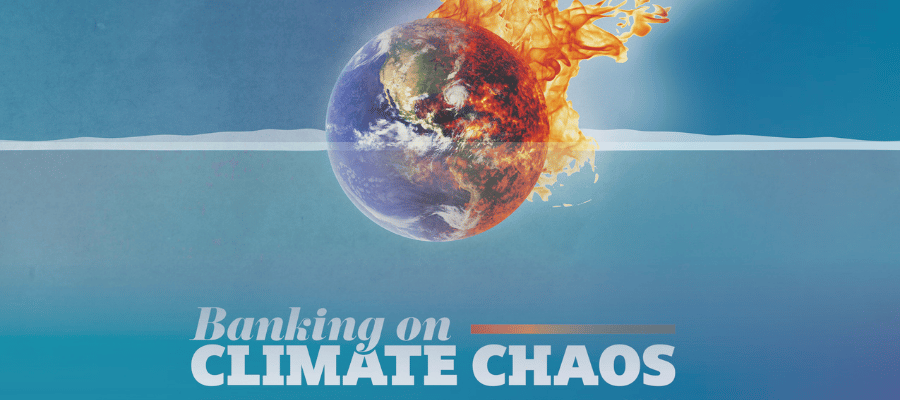
Banking on Climate Chaos Coalition (BOCC)
Banking on Climate Chaos Coalition (BOCC) exposes global banks’ financing of fossil fuel projects and tracks lending and underwriting by the world’s largest banks to coal, oil and gas companies. Its annual Banking on Climate Chaos reports highlight fossil fuel finance data, frontline community impacts and drive climate accountability in banking.
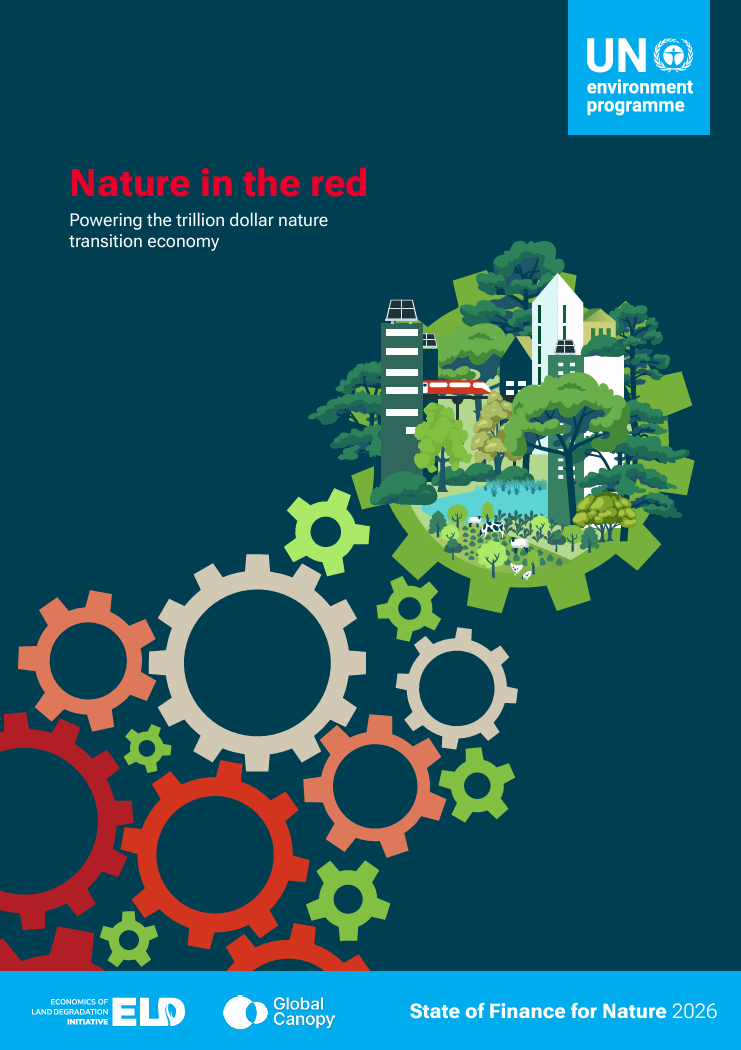
State of finance for nature 2026: Nature in the red: Powering the trillion dollar nature transition economy
UNEP’s State of Finance for Nature 2026 finds global finance remains heavily skewed towards nature-negative activities. In 2023, US$7.3 trillion harmed nature versus US$220 billion for nature-based solutions. Meeting Rio Convention targets requires more than doubling nature investment by 2030.
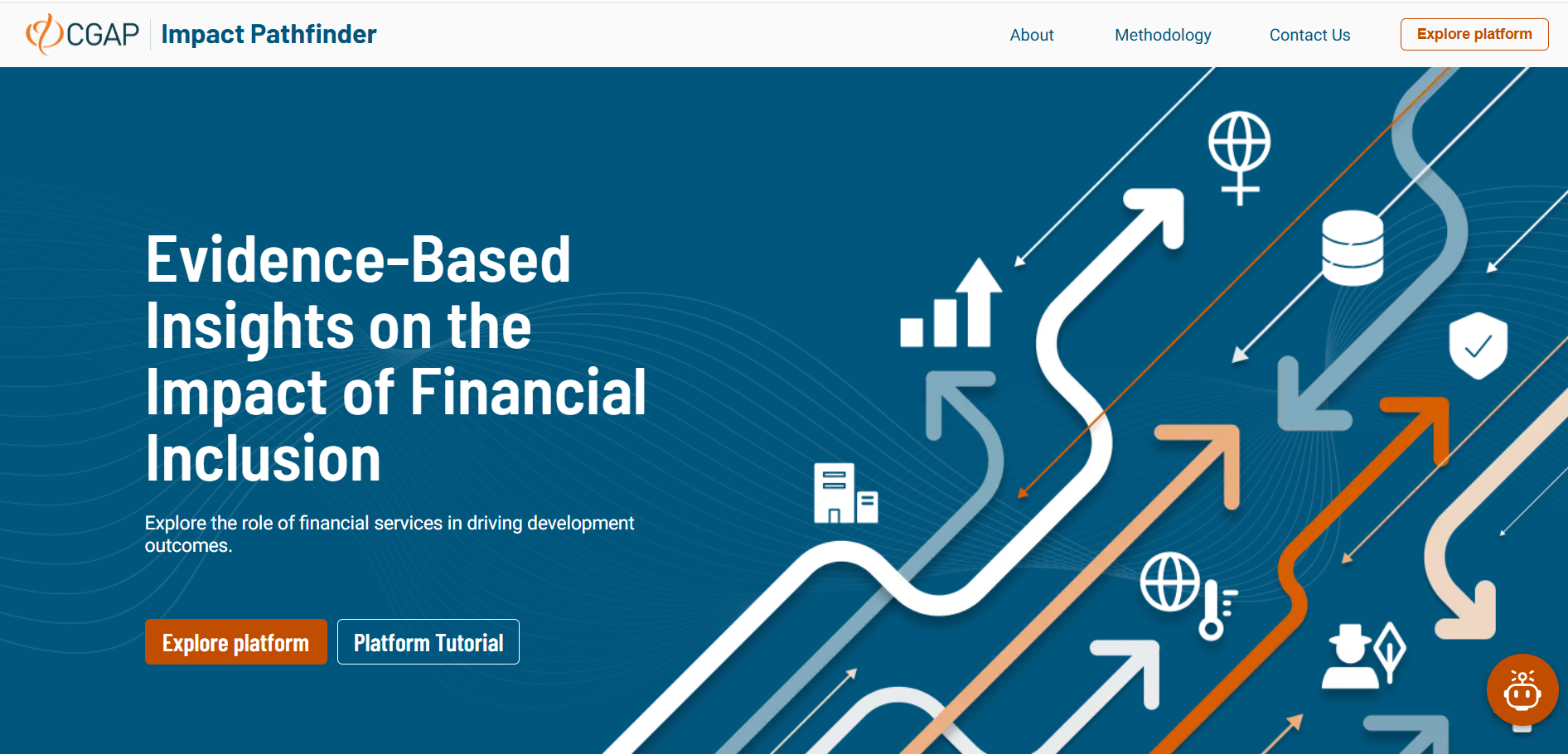
CGAP's Impact Path Finder
Impact Pathfinder is an interactive evidence platform developed by CGAP that maps how financial inclusion interventions contribute to development outcomes. It synthesises global research to inform investors, funders and policymakers on effective pathways, contextual factors and evidence gaps.
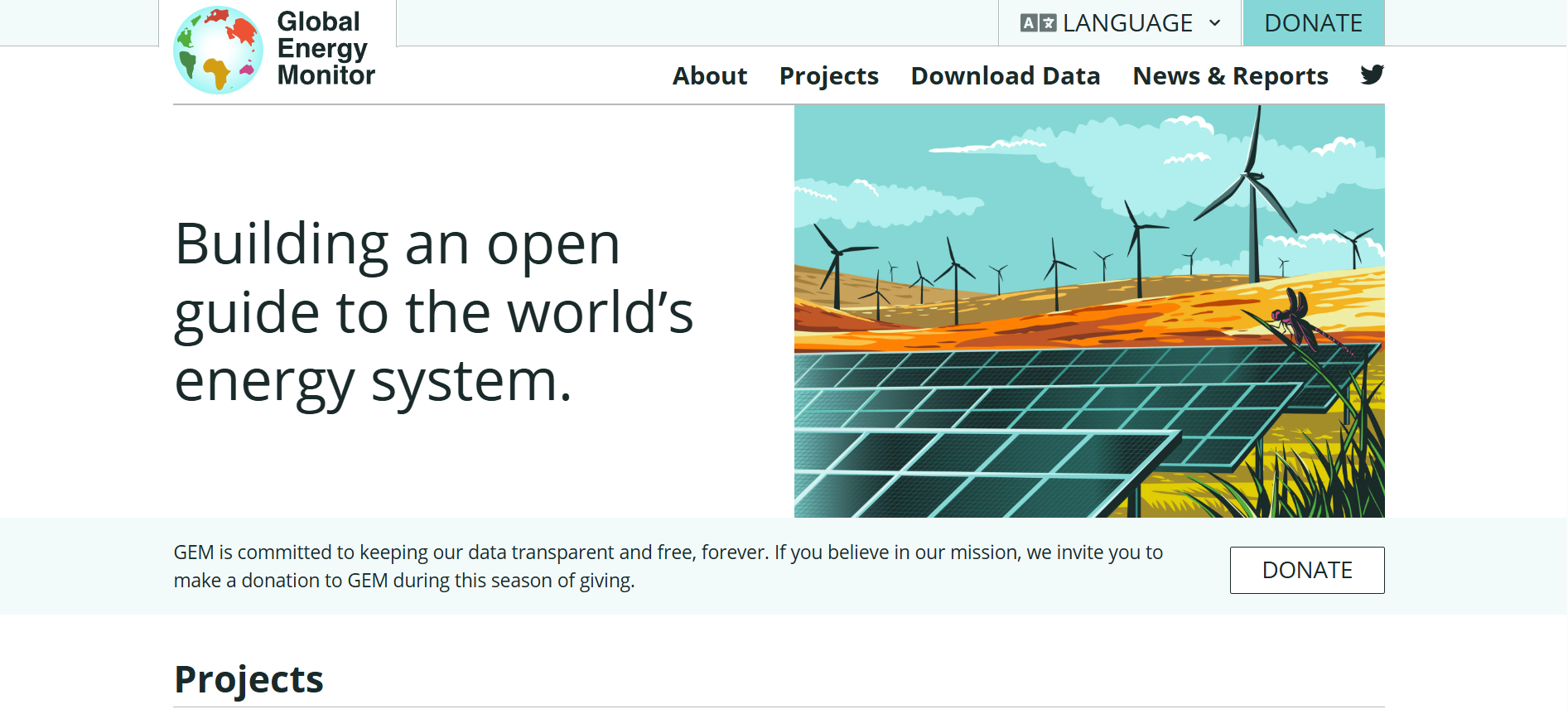
Global Energy Monitor
Global Energy Monitor is an open-access research database that compiles and analyses global energy infrastructure data, including fossil fuel and renewable projects, via interactive tools, maps and downloadable datasets to support informed analysis of energy trends and ownership structures.
Fair4All Finance
Fair4All Finance is a UK-based organisation focused on improving financial inclusion. It funds, researches, and supports affordable credit, savings, insurance, and financial resilience solutions for people in vulnerable circumstances, working with policymakers, charities, and financial service providers to scale social impact.
Paris Agreement Capital Transition Assessment
PACTA for Banks is a free, open-source climate scenario analysis toolkit that enables banks to assess how well their corporate lending portfolios align with climate scenarios, using sector and asset-level data to inform lending strategy and climate target-setting.

Nature Enters the Boardroom: Why Directors Are Paying Attention
Drawing on Australia’s first national study of board-level engagement with nature, this article shows how directors are treating nature as a material governance and financial issue. It highlights how boards are extending climate governance systems to manage nature-related risks, adopt frameworks like TNFD, and build resilience and long-term value despite policy uncertainty.
The Linux Foundation
Linux Foundation is a global non-profit that enables open source collaboration at scale. It hosts and supports critical projects across cloud, Linux, security and AI. Activities include governance, research, training, certification and events, helping organisations build, adopt and sustain open source technologies worldwide for industry, public sector and developer communities.


