
Library | Finance relevance
Bankers and financiers
Refine
835 results
REFINE
SHOW: 16


Maritime chokepoints and the global economy: Evidence from the Strait of Hormuz
This research examines the global economic consequences of maritime disruptions in the Strait of Hormuz. Utilising Portwatch data, the analysis demonstrates that traffic shocks act as stagflationary forces, significantly increasing energy prices, reducing global industrial production, and tightening financial conditions through widened corporate and sovereign bond spreads.
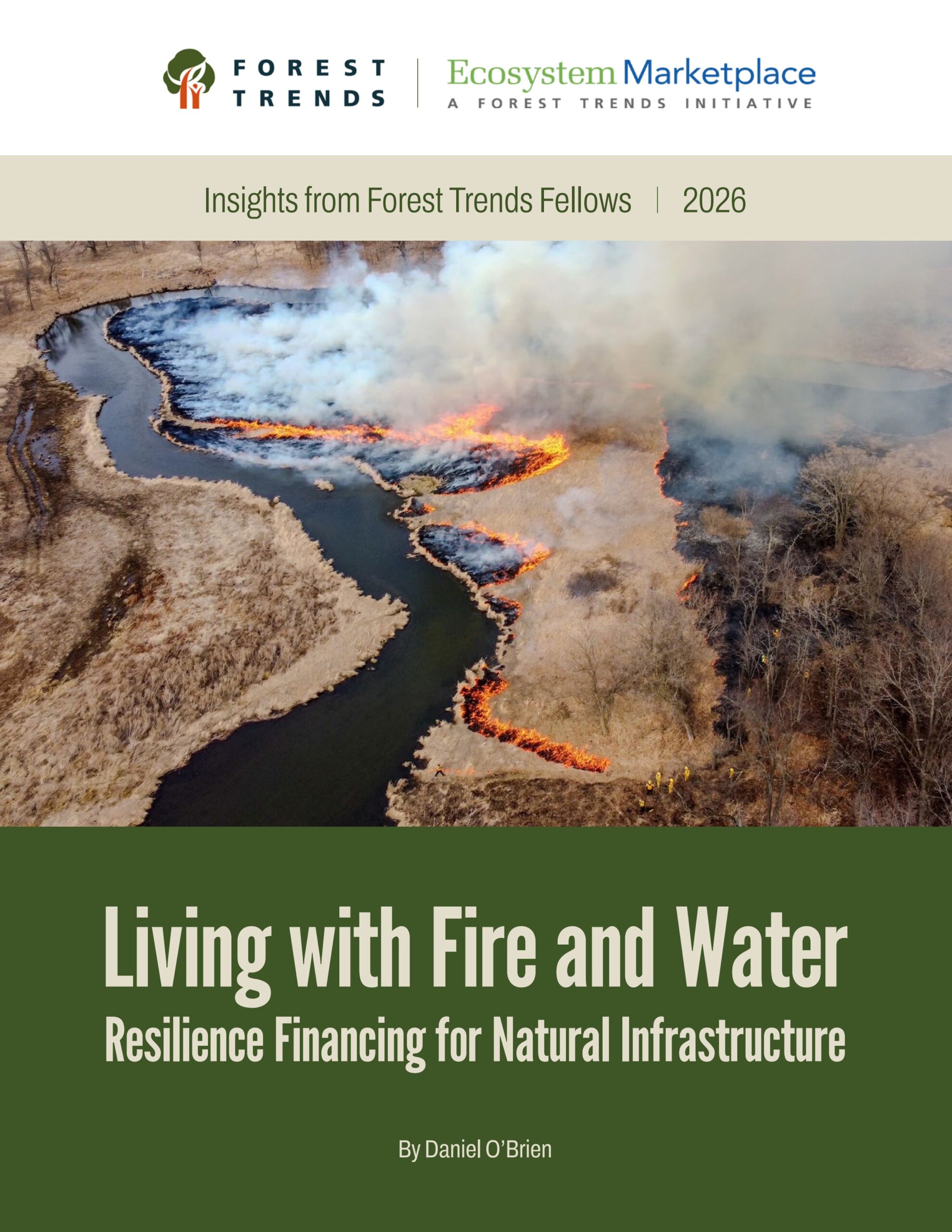
Living with fire and water: Resilience financing for natural infrastructure
This report proposes a resilience-financing architecture to fund natural infrastructure. By wrapping catastrophe bonds with government credit enhancement, it creates a spread to finance landscape-scale mitigation. This mechanism aims to preserve insurability, reduce systemic climate risk, and convert unpriced contingent liabilities into structured, capped financial positions.
International credit to Africa
This research examines the rapid expansion of international credit to Africa since the Global Financial Crisis. It highlights the rise of Chinese lending under the Belt and Road Initiative, the dramatic growth of international bond issuance, and the continued dominance of governments as borrowers in US dollar-denominated markets.
Bank executive compensation and risk-taking
This research investigates bank executive compensation since the Great Financial Crisis. It finds that longer deferral horizons successfully reduce risk-taking and encourage prudent capital management. However, evidence regarding variable pay caps is inconclusive. Case studies from 2023 failures highlight governance shortcomings in risk-adjusting performance metrics and compensation schemes.
Locked in and priced out: How coal power contracts fuel debt and delay the energy transition
This report examines how rigid power purchase agreements for coal power in India, Indonesia, and Pakistan create unsustainable debt and delay the energy transition. It highlights how these contracts lock in expensive, polluting energy and proposes policy solutions including payouts, technology swaps, renegotiation, and litigation.
Administrative and market frictions in the choice between green and conventional bonds
This research investigates how administrative frictions and institutional environments influence corporate green bond issuance. Using global data from 2013–2024, it finds that bureaucratic complexity reduces green labelling probability, particularly outside transition-intensive sectors. Mandatory sustainability disclosure significantly increases issuance, highlighting the importance of efficient implementation for sustainable finance policies.
Enabling framework conditions assessment for subnational climate finance in Indonesia
This report evaluates Indonesia's enabling framework conditions for subnational climate finance. It identifies critical gaps in institutional capacity, financial architecture, and data accessibility. Recommendations focus on expanding urban-specific incentives, leveraging blended finance, and synchronising digital platforms to improve local climate governance and bridge the national investment gap.
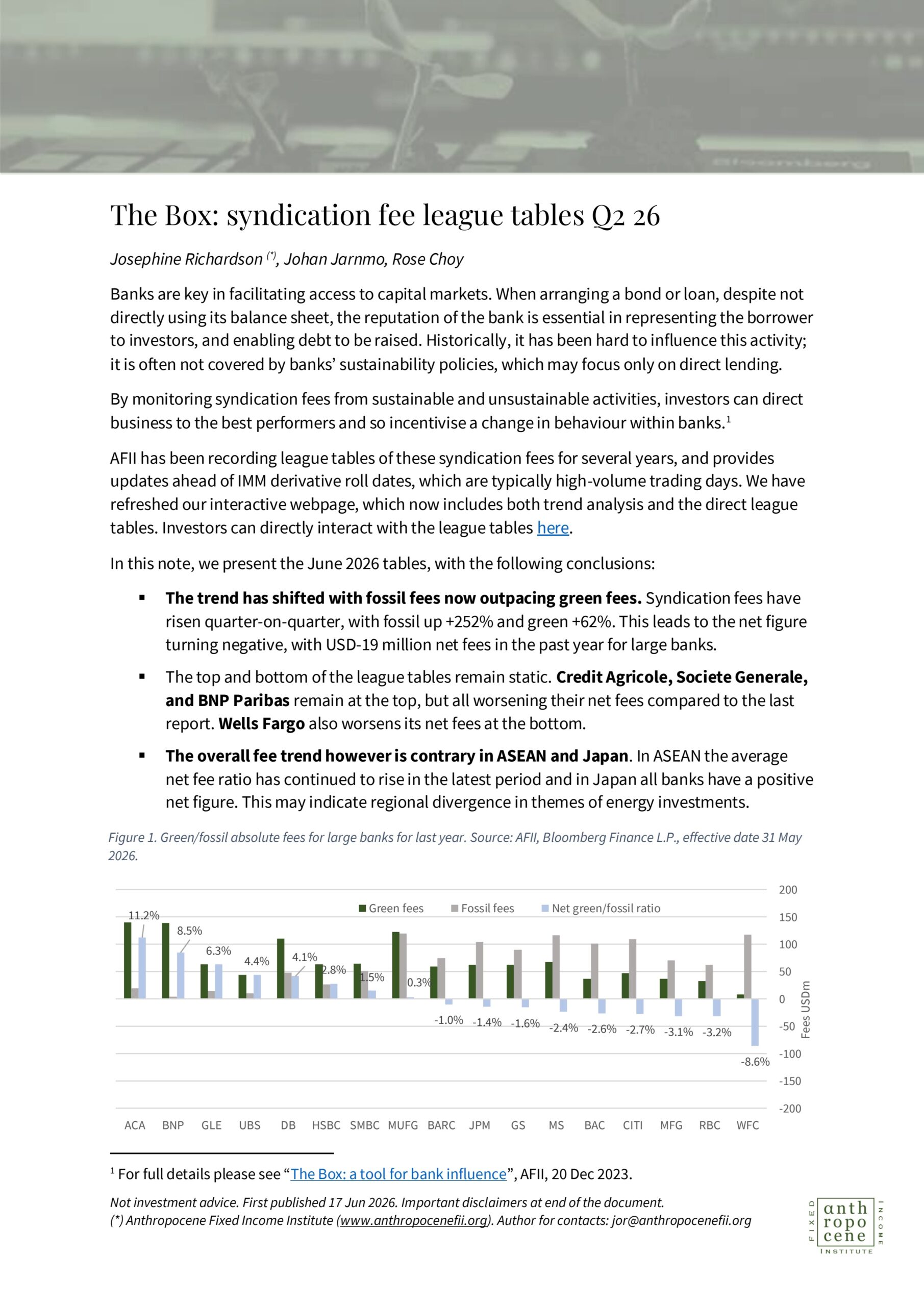
The Box: syndication fee league tables
This benchmark series provides transparency on bank syndication fees, comparing income from sustainable and unsustainable activities. It tracks league tables for global and regional financial institutions, including the ASEAN and Japanese markets. The analysis enables investors to incentivise behavioural change by identifying banks that continue to prioritise fossil fuel financing.
Upgrading financial markets
This field experiment in rural Sierra Leone evaluates upgrading Village Savings and Loan Associations into digital financial service agents. While infrastructure expands access, introducing consumer feedback mechanisms significantly improves service quality, transaction usage, and household shock mitigation. Results demonstrate that accountability is essential for developing functional, scalable financial markets.
Pricing power in the mortgage market: Evidence from GSE fee waivers
This research examines GSE fee waivers for lower-income first-time homebuyers, revealing that lenders pass through less than 40% of these savings. Intermediaries captured over 60% of the $1.5 billion benefit. High-cost loan officers and non-banks show the lowest pass-through, highlighting significant market power and search frictions.
Corporate governance scandals in India’s banking and financial services sector
This research examines corporate governance failures in India’s financial sector, focusing on scandals at YES Bank, IndusInd Bank, and IL&FS. It analyses the impact of 'star' promoters, gatekeeper failures, and regulatory fragmentation, advocating for enhanced standards of care for directors and a wholesale reconsideration of sector-specific governance frameworks.
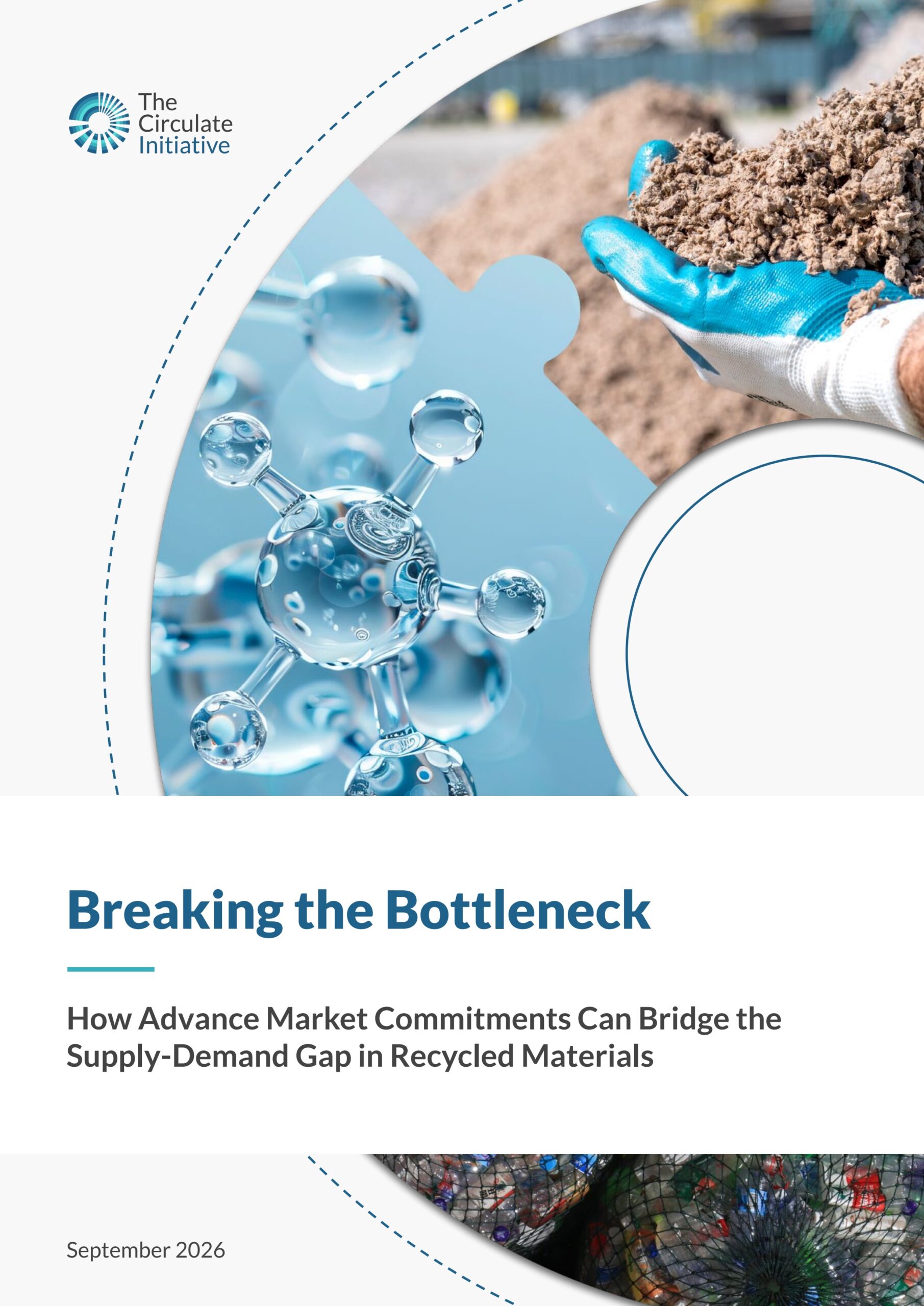
Breaking the bottleneck: How advance market commitments can bridge the supply-demand gap in recycled materials
This research evaluates advance market commitments to bridge the supply-demand imbalance for recycled materials. It identifies opportunities in mixed plastic, textile waste, and paper-based alternatives, advocating for binding financial agreements to incentivise investment in recycling capacity and support global sustainability targets.
Bridging climate and credit risk: Current approaches and emerging trends for climate-related credit risk assessment methodologies—insights from a global survey
This report examines findings from a survey of 32 global banks on climate-related credit risk assessment. It highlights progress in probability of default modelling and widespread adoption of NGFS scenarios, while identifying persistent challenges in data reliability, technical expertise, and the quantification of financial impacts on capital requirements.
Ocean investment protocol: A multi-stakeholder plan to enable funding for the sustainable ocean economy
This report outlines a multi-stakeholder framework to accelerate funding for a sustainable ocean economy. It provides specific recommendations for financial institutions, insurers, and governments to manage systemic risks and mobilise the estimated one trillion dollars in additional finance required by 2030 to meet global climate and biodiversity targets.
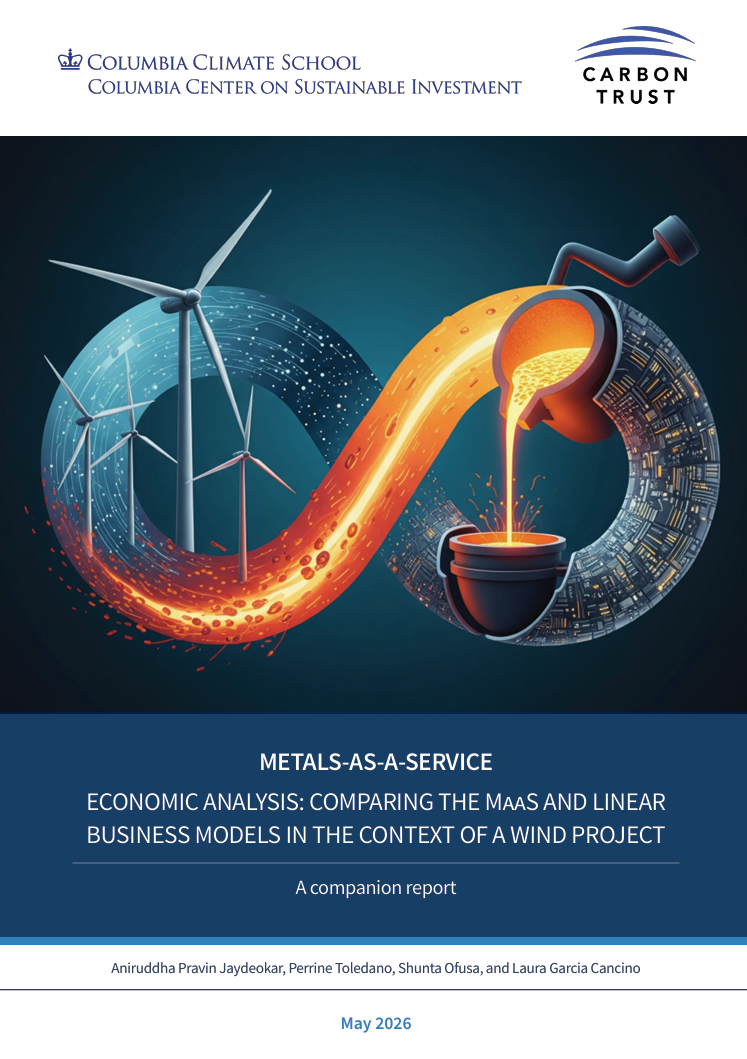
Metals-as-a-Service economic analysis: Comparing the MAAS and linear business models in the context of a wind project
This research compares Metals-as-a-Service (MaaS) and linear business models in onshore wind projects. It finds that MaaS improves risk-adjusted performance, increasing project internal rate of return to 19.94% and reducing levelised cost of energy by 15%. The analysis assesses financial viability and risk mitigation strategies for stakeholders.
Green trade, regional value chains and new partnerships for cooperation: Accelerating green industrialisation through partnerships with a focus on Africa
This briefing paper examines how green trade and regional value chains can accelerate African industrialisation. It outlines opportunities within the AfCFTA and the African Green Industrialisation Initiative, emphasising the need for de-risking instruments, institutional capacity building, and new partnership frameworks to align international capital with Africa’s sustainable development goals.


