
Library | Finance relevance
Fintech professionals
Refine
75 results
REFINE
SHOW: 16


The EU Inc.: Half European, fully digital, and genuinely innovative
The paper analyses the European Commission’s proposed “EU Inc.” framework, a harmonised digital-first company structure for EU start-ups and scale-ups. It assesses governance, financing, codetermination, digital registration and cross-border legal integration within existing EU and national company law frameworks.

Horizon Scanning: Risk and regulation in the GCC
This report outlines 2026 financial crime and regulatory risks in the GCC, focusing on AI-enabled fraud, digital assets, cybercrime, beneficial ownership, supply chains, sanctions, and tougher AML/CFT oversight linked to upcoming FATF evaluations and recent legal reforms in the UAE, Bahrain and Saudi Arabia.

IPBES-IPCC co-sponsored Workshop: Biodiversity and climate change
This IPBES–IPCC workshop report examines interlinkages between biodiversity, climate change and society, identifying synergies, trade-offs and risks. It assesses mitigation and adaptation impacts on ecosystems and people, and outlines integrated, nature-based solutions to inform climate and biodiversity policy and governance.

The Linux Foundation
Linux Foundation is a global non-profit that enables open source collaboration at scale. It hosts and supports critical projects across cloud, Linux, security and AI. Activities include governance, research, training, certification and events, helping organisations build, adopt and sustain open source technologies worldwide for industry, public sector and developer communities.
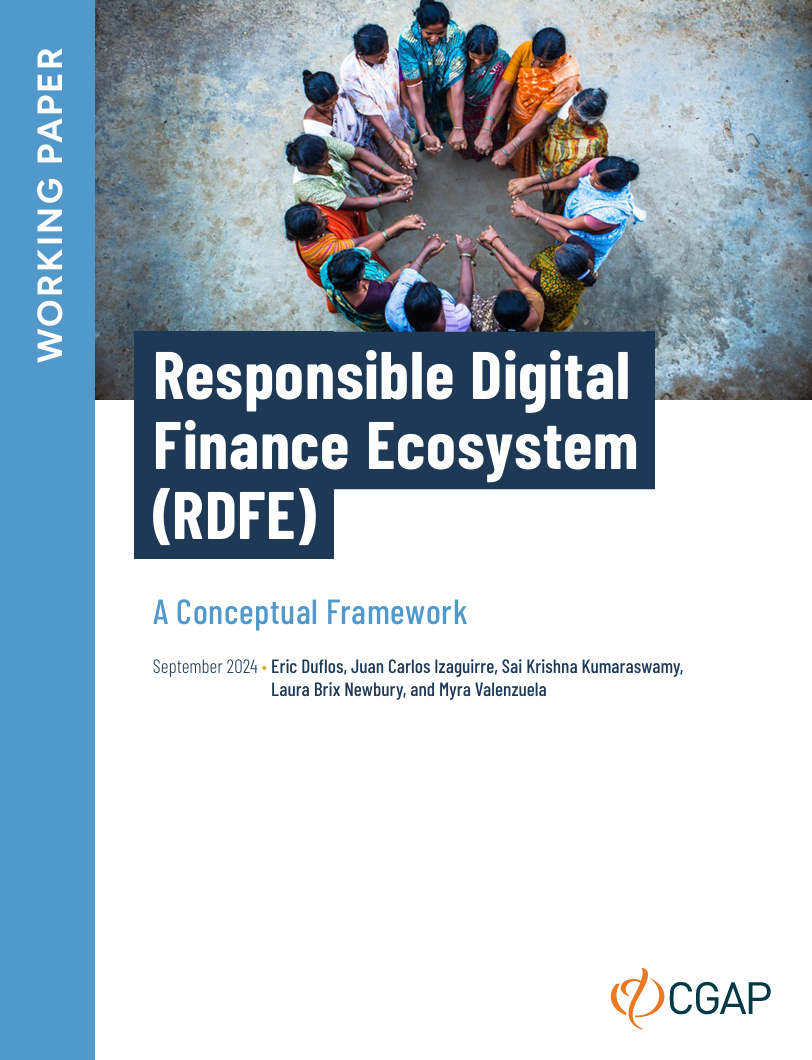
Responsible Digital Finance Ecosystem (RDFE): A conceptual framework
The report outlines a framework for a Responsible Digital Finance Ecosystem, urging holistic, collaborative consumer protection amid rising digital finance risks. It defines ecosystem actors and four pillars—customer centricity, collaboration, capability, and commitment—to strengthen regulation, improve outcomes, and reduce harms in rapidly evolving digital financial services.

MDPI
MDPI (Multidisciplinary Digital Publishing Institute) is a Swiss-based publisher of open access, peer-reviewed journals, established in 1996. MDPI publishes over 470 academic journals across science, technology and medicine, with authors covering article processing charges to enable unrestricted global access.

London Stock Exchange Group (LSEG)
LSEG (London Stock Exchange Group) is a global financial markets infrastructure and data provider. It delivers market-data, analytics, news and index products to over 44,000 customers in more than 170 countries. LSEG’s services cover capital markets, post-trade operations, risk management and information services.

Joint Research Centre
Joint Research Centre (JRC) is the European Commission’s science and knowledge service. It provides independent research and data to support EU policies on climate change, energy, health, food security, digital innovation and safety. JRC delivers scientific evidence to help policymakers address global challenges with reliable analysis and solutions.

Unlocking value from technology in banking: An investor lens
The report outlines how banks can link technology investments to value creation. It presents a framework to improve returns through strategic allocation, outcome-based execution, and transparency. It identifies five tech-enabled themes that align with shareholder value drivers such as revenue growth, fee income, and risk mitigation.

Starting up: Responsible investment in venture capital
This report examines how environmental, social, and governance (ESG) factors are being adopted in venture capital. It outlines current practices, challenges, and industry-specific considerations, and highlights the need for tailored guidance, collaboration, and early-stage engagement to advance responsible investment across the venture capital ecosystem.

Pensions in the age of artificial intelligence
The report explores how artificial intelligence (AI) and machine learning (ML) can address challenges in global pension systems. It highlights AI's potential to enhance governance, personalisation, fraud prevention, and investment strategies while emphasising ethical implementation and data privacy considerations to optimise retirement outcomes and ensure system sustainability.

Accounting for cryptocurrency climate impacts
The report examines the greenhouse gas (GHG) emissions associated with cryptocurrencies, proposing a hybrid allocation method to attribute these emissions to stakeholders based on cryptocurrency holdings and transactions. It highlights the environmental impact of Proof-of-Work protocols, the efficiency of Proof-of-Stake, and offers guidance aligned with GHG Protocol standards.

Environmental impact of digital assets
The report highlights the environmental impact of digital assets, focusing on energy-intensive proof-of-work (PoW) consensus mechanisms in cryptocurrencies like Bitcoin. It underscores significant carbon emissions and advocates transitioning to less energy-demanding models, renewable energy use, and cross-border cooperation. Policy recommendations include targeted regulation, enhanced data transparency, and leveraging distributed ledger technologies for sustainable finance.

Harnessing digital finance for sustainability: An integrative review and research agenda
The report reviews the role of digital finance in advancing sustainability goals through bibliometric and thematic analysis of 168 studies. It identifies key themes like financial inclusion, green finance, and fintech, proposing a conceptual framework to align digital innovation with sustainable development, fostering eco-friendly investments, and promoting global financial inclusion.

Green fintech: Sustainability of Bitcoin
The report examines Bitcoin's environmental sustainability within the Green FinTech framework. It highlights Bitcoin's significant energy consumption during mining, correlating positively with miner revenue. While offering financial inclusivity, Bitcoin's carbon emissions challenge its environmental credentials. The study advocates for renewable energy adoption in cryptocurrency mining to align with sustainability goals.

U.S. climate policy and blockchain innovation in future smart and sustainable cities
This report explores blockchain's potential to address climate challenges and foster smart, sustainable cities. It highlights blockchain's capacity for decentralisation, transparency, and efficiency in urban governance, renewable energy, and civic participation. Recommendations include multi-stakeholder collaboration, educational initiatives, and human-centred design to ensure ethical, inclusive implementation for climate resilience and innovation.


