
Library | Finance relevance
General / All finance professionals
Refine
1353 results
REFINE
SHOW: 16


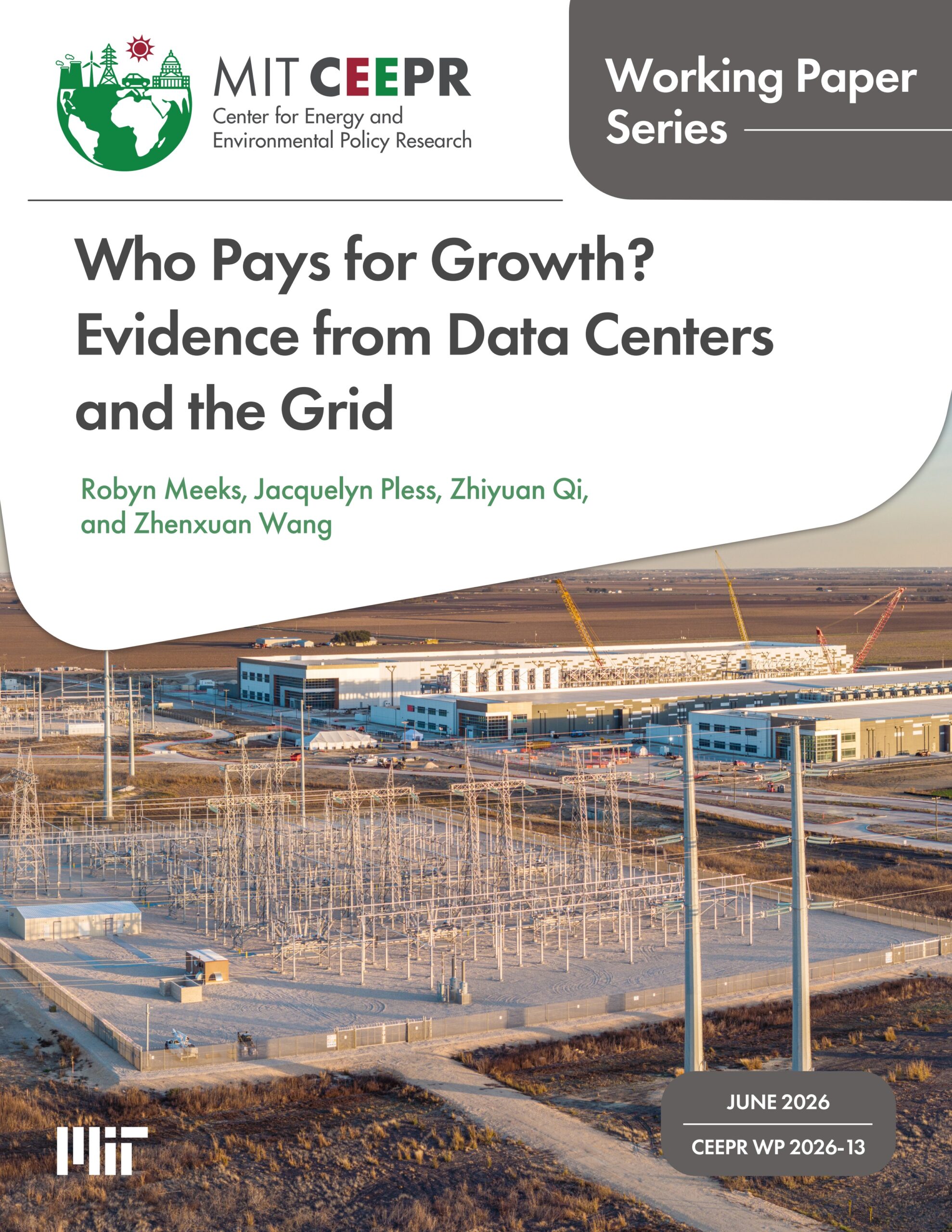
Who pays for growth? Evidence from data centers and the grid
This research examines the impact of data centre expansion on US electricity prices. Findings indicate that entry between 2010 and 2024 increased average retail rates by 2.7%. These costs are concentrated among investor-owned utilities and pronounced in deregulated markets or regions with limited spare capacity.
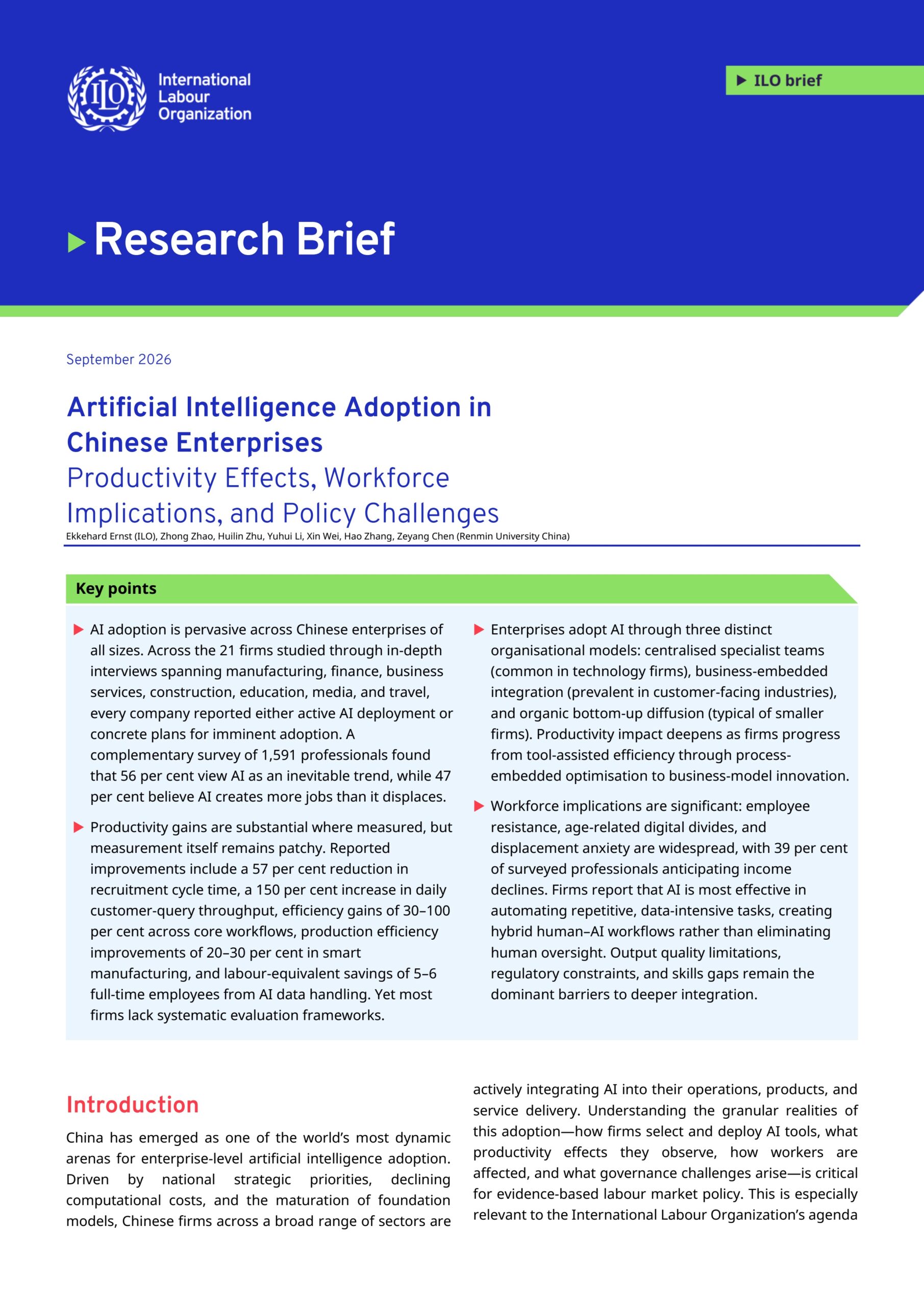
Artificial intelligence adoption in Chinese enterprises: Productivity effects, workforce implications, and policy challenges
This research explores artificial intelligence adoption within Chinese enterprises using qualitative interviews and quantitative surveys. It identifies significant productivity gains, various organisational models, and workforce impacts, including income anxiety and skills gaps. The report highlights the human–AI collaboration paradigm and offers policy recommendations for skills development and governance.
The governance of dual-class firms
This research examines the governance of dual-class firms, documenting a significant rise in their prevalence among US initial public offerings between 2000 and 2025. It identifies that these structures are increasingly concentrated in founder-led, venture-backed technology companies, while empirical evidence suggests they do not necessarily lead to CEO entrenchment.
The global rise of index-based ownership of firms
This research examines the global expansion of index-based ownership from 2004 to 2023. Using a benchmark-free classification model, the study finds global index ownership reached 16.9% by 2023. It highlights significant regional variations, noting that US ownership is highest in mid-caps, whereas European and Asian indexing remains concentrated in large-cap firms.
Crosswalking SBTN freshwater requirements with CSRD water disclosures
This report compares the SBTN freshwater framework with EU CSRD and ESRS requirements. It identifies areas of alignment, such as materiality assessments and basin-level analysis, while highlighting differences in scope. SBTN provides the scientific foundation for setting targets that support mandatory reporting obligations under European standards.
The business case for science-based targets: Corporate insights on the value of science-based targets for nature
This report examines the strategic value of science-based targets for nature. Drawing on insights from early adopters across diverse sectors, it identifies six key business benefits, including protected revenue and enhanced credibility. It outlines a structured approach for organisations to manage environmental impacts while future-proofing operations against regulatory shifts.
Spillover effects of regulatory inspections: Evidence from OSHA
Occupational Safety and Health Administration inspections significantly reduce injuries at nearby, uninspected workplaces. An inspection reduces injuries at same-ZIP-code establishments by 11 per cent, preventing six times more injuries through spillovers than direct effects. These findings suggest conventional evaluations substantially understate the social returns to regulatory enforcement.
Analysing the EU policy mix for the built environment from a sufficiency perspective
This research assesses the integration of sufficiency principles into European Union building policies. Analysing 16 policy documents, it finds that while measures for reducing consumption and environmental sustainability are prevalent, social dimensions and behavioural changes are often neglected. It recommends prioritising building renovation over new construction to meet sustainability goals.
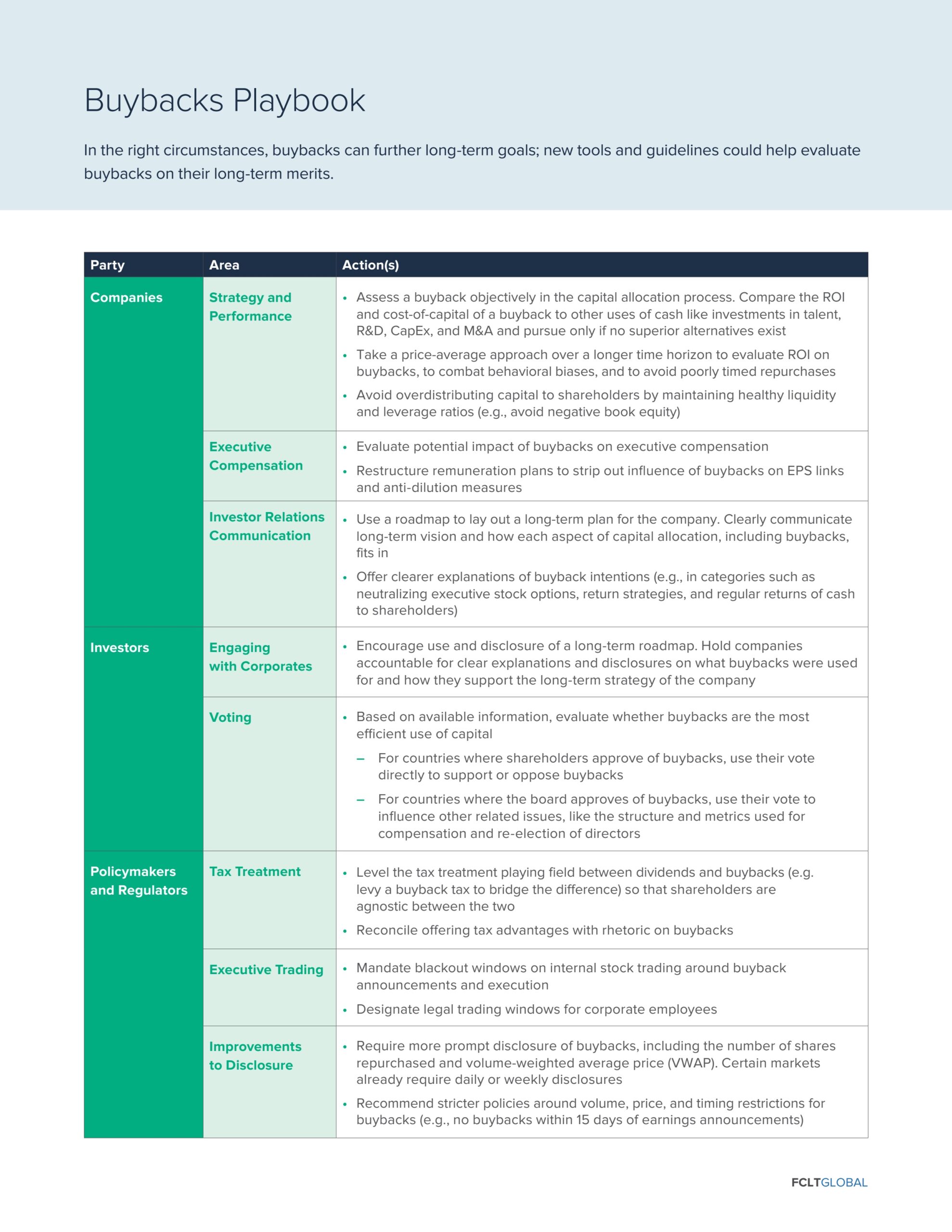
Buybacks playbook
This playbook provides a framework for companies, investors, and policymakers to evaluate share buybacks based on long-term merits. It recommends objective capital allocation, decoupling executive pay from buyback-influenced metrics, and enhancing regulatory disclosures and trading restrictions to ensure repurchases support sustainable corporate strategy rather than short-term gains.
Sustainability or strategy: Bridging the gap between climate change and long-term value creation
FCLTGlobal research identifies a significant gap between corporate climate commitments and long-term business strategies. Analysing the world’s 100 largest companies, the report introduces a Conversation Guide to help organisations integrate climate transition planning into core value creation, capital allocation, and risk management to build investor trust and resilience.
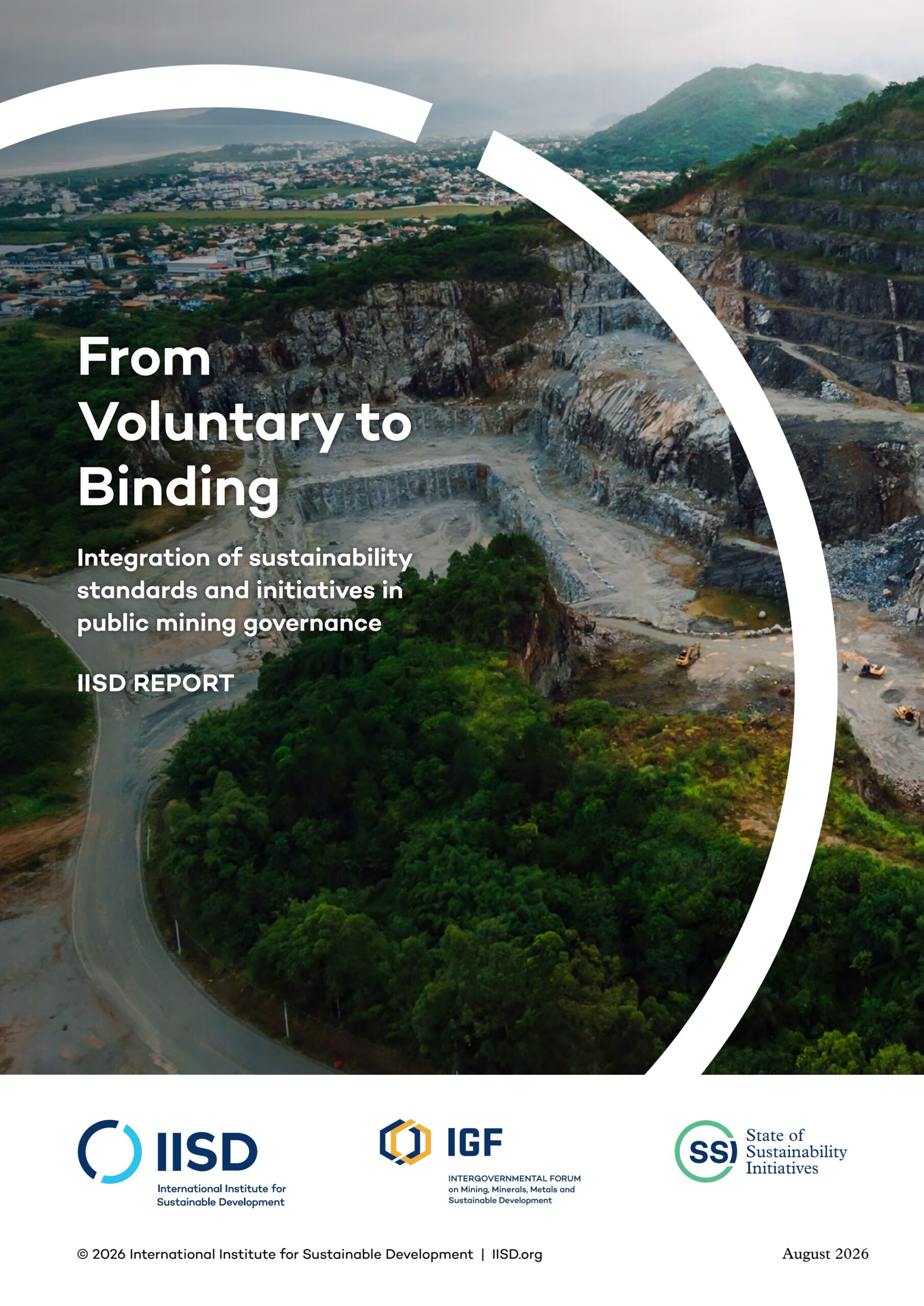
From voluntary to binding: Integration of sustainability standards and initiatives in public mining governance
This report examines the integration of sustainability standards and initiatives (SSIs) into public mining governance. Through surveys and case studies in Brazil, Madagascar, and Sweden, it demonstrates how voluntary standards complement mandatory regulations to address environmental, social, and governance risks, supporting policy formulation, implementation, and transparent reporting.
Air pollution and learning
This NBER working paper examines the impact of air pollution on 10 million US high school students. It finds that moderate pollution levels reduce annual learning by 19 per cent. Disadvantaged students experience three times more harm, significantly widening racial and socio-economic achievement gaps.
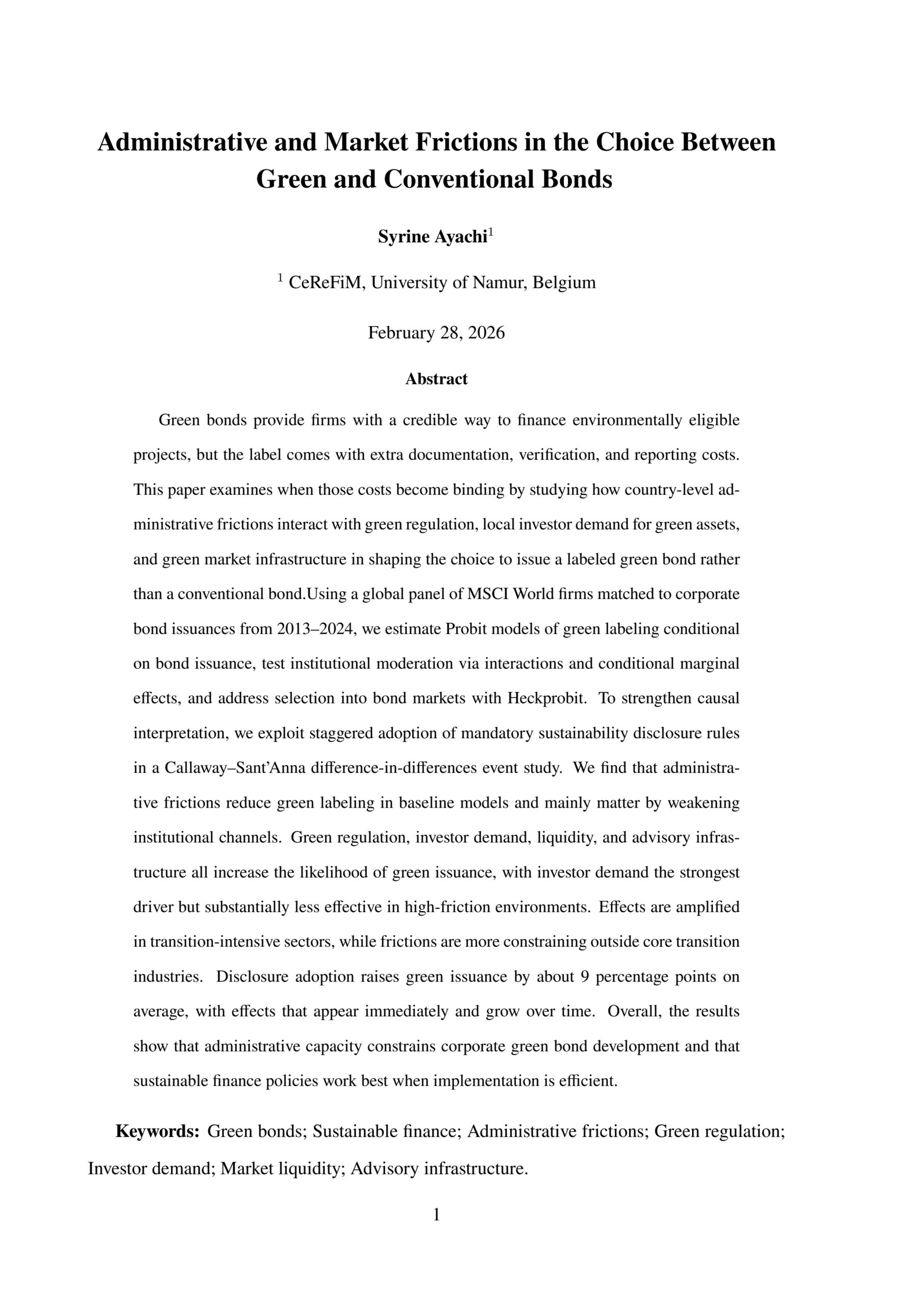
Administrative and market frictions in the choice between green and conventional bonds
This research investigates how administrative frictions and institutional environments influence corporate green bond issuance. Using global data from 2013–2024, it finds that bureaucratic complexity reduces green labelling probability, particularly outside transition-intensive sectors. Mandatory sustainability disclosure significantly increases issuance, highlighting the importance of efficient implementation for sustainable finance policies.
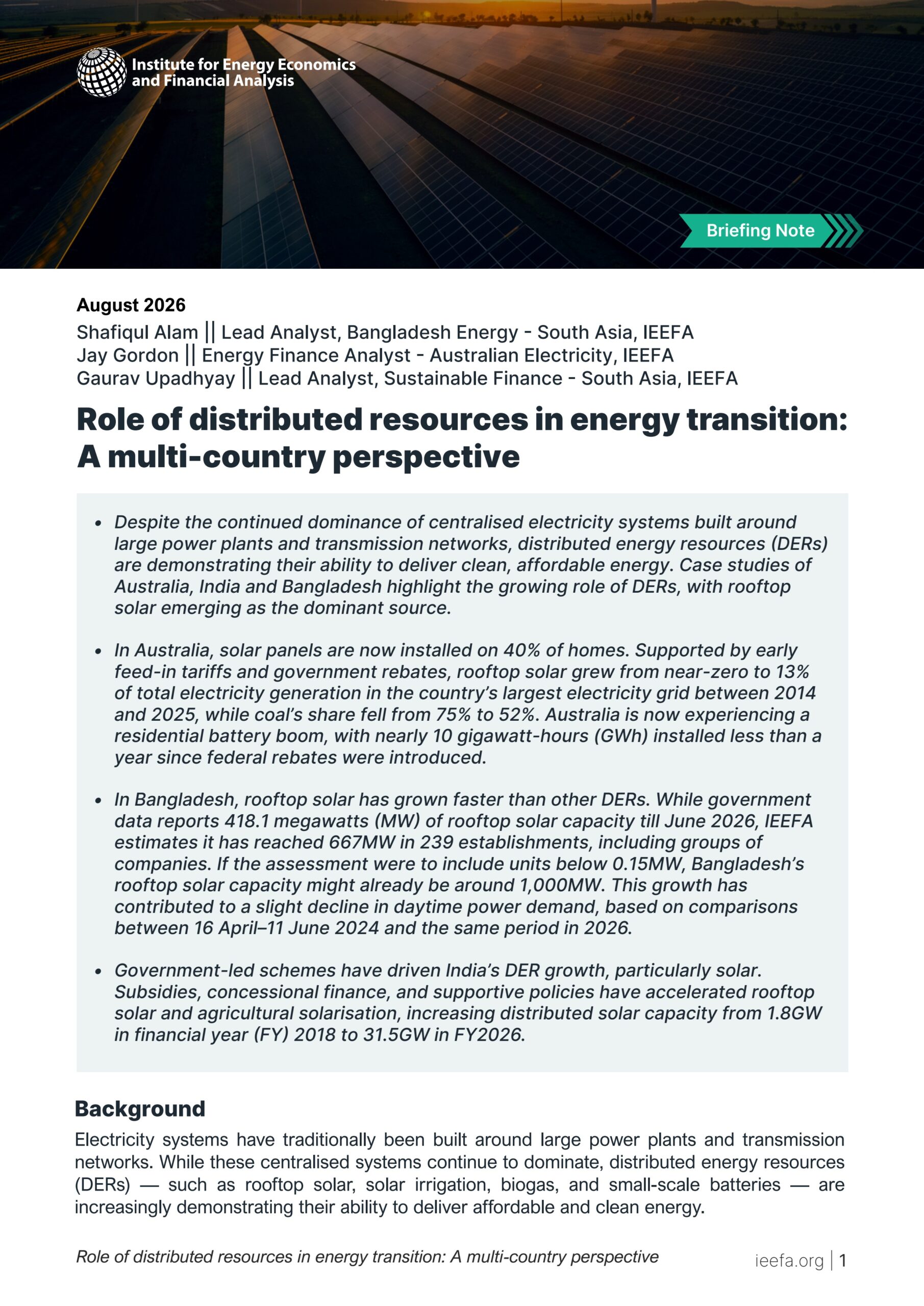
Role of distributed resources in energy transition: A multi-country perspective
This report evaluates distributed energy resources across Australia, India and Bangladesh. It examines rooftop solar and battery uptake, highlighting their role in reducing fossil fuel reliance and grid demand. The analysis provides country-specific recommendations to overcome regulatory barriers, improve financing access and ensure an equitable energy transition.
Sustainability assurance: Frequently asked questions: The application of materiality under ISSA 5000
This IAASB publication provides guidance on applying materiality under ISSA 5000. It explains concepts such as double materiality, performance materiality, and aggregation risk. The FAQs assist practitioners in planning and reporting on sustainability assurance engagements, clearly distinguishing between an entity's reporting process and a practitioner's assurance application.
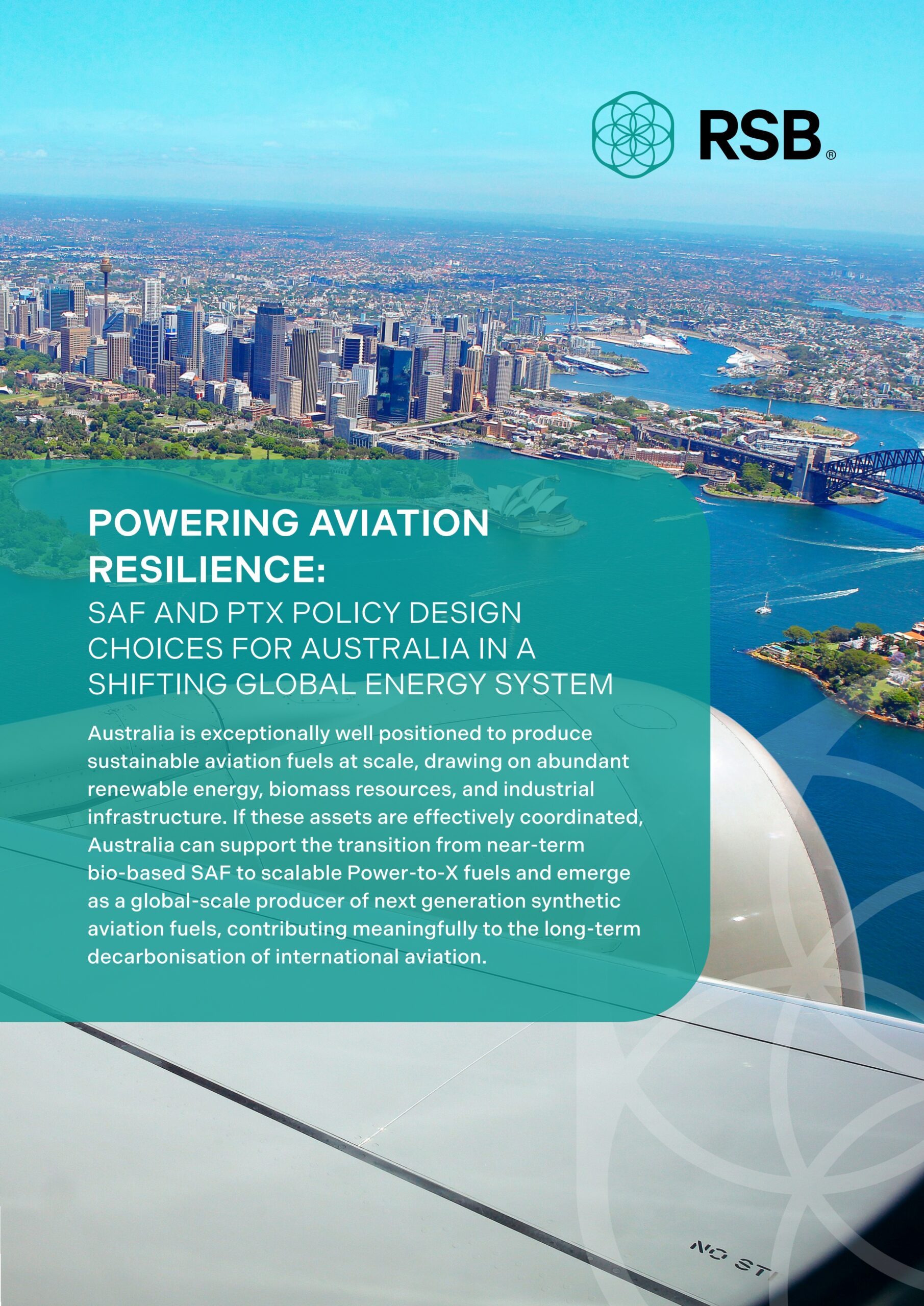
Powering aviation resilience: SAF and PtX policy design choices for Australia in a shifting global energy system
This briefing examines policy choices for scaling sustainable aviation fuels (SAF) and Power-to-X (PtX) in Australia. It highlights the need for integrated policy packages, robust sustainability certification, and cross-portfolio coordination to transition from bio-based fuels to synthetic alternatives, ensuring long-term decarbonisation and fuel security.


