
Library | Finance relevance
General / All finance professionals
Refine
1353 results
REFINE
SHOW: 16


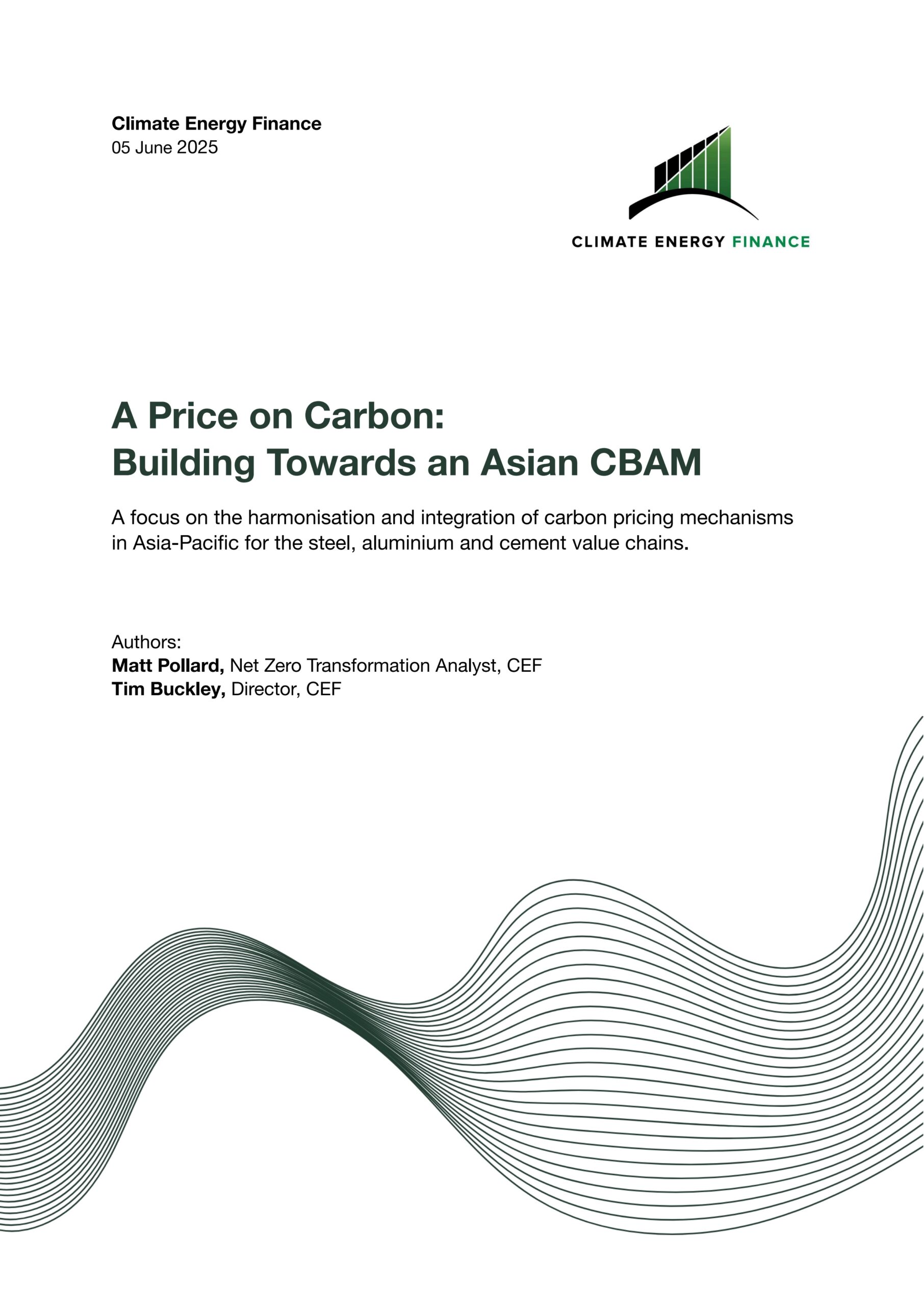
A price on carbon: Building towards an Asian CBAM
This report advocates for an Asian Carbon Border Adjustment Mechanism (CBAM) to harmonise carbon pricing across Asia-Pacific. Focusing on steel, aluminium, and cement, it proposes international collaboration between Australia, China, Japan, Singapore, and South Korea to accelerate industrial decarbonisation, address carbon leakage, and unlock green commodity trade.
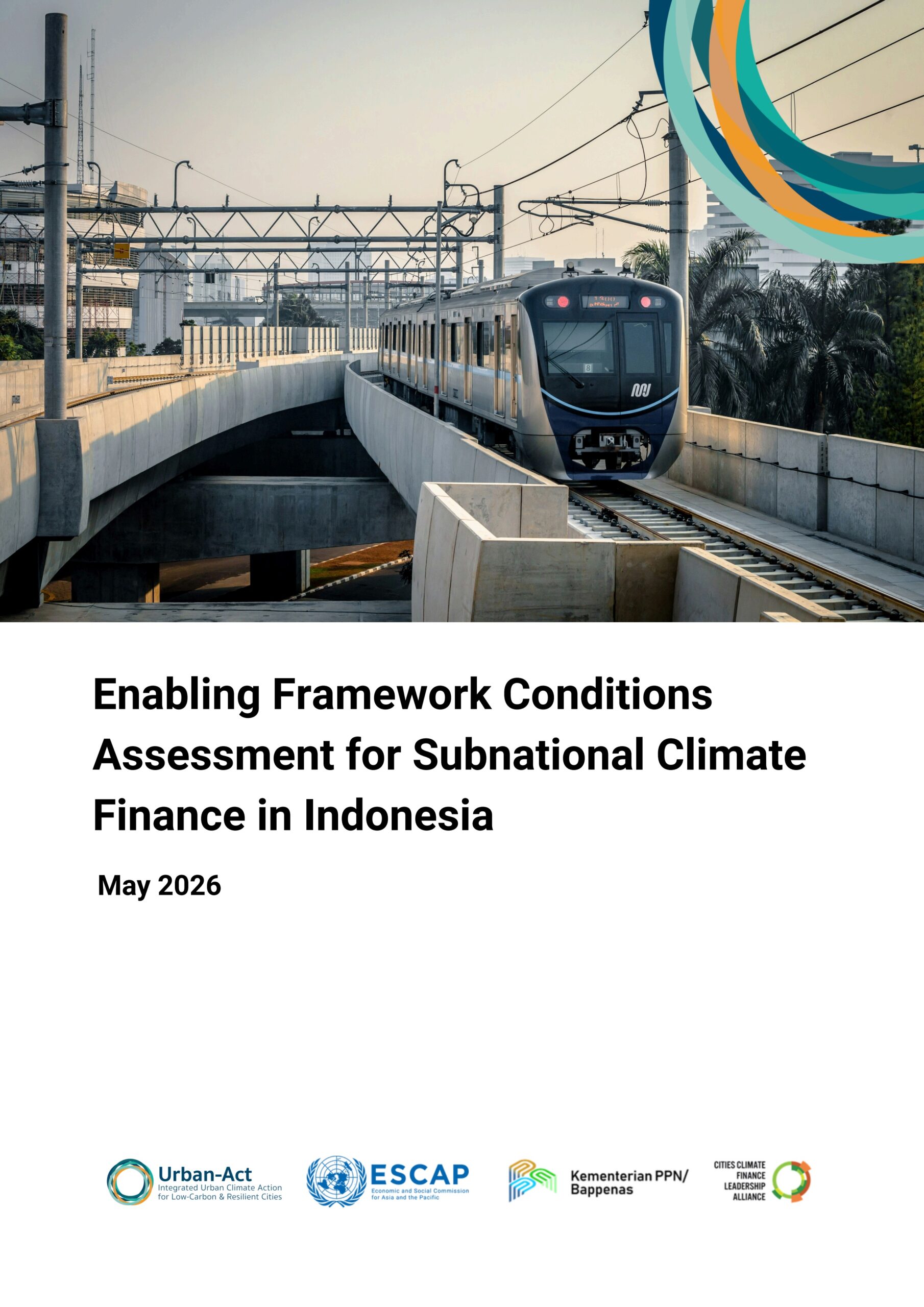
Enabling framework conditions assessment for subnational climate finance in Indonesia
This report evaluates Indonesia's enabling framework conditions for subnational climate finance. It identifies critical gaps in institutional capacity, financial architecture, and data accessibility. Recommendations focus on expanding urban-specific incentives, leveraging blended finance, and synchronising digital platforms to improve local climate governance and bridge the national investment gap.
Pollution pricing in equilibrium: Production, reallocation, and aggregate impacts
NBER research into the EU-ETS reveals that carbon pricing reduces emissions primarily through market reallocation and long-run technology adoption, rather than short-run input substitution. Doubling permit prices reduces aggregate emissions by 31% over five years, with moderate impacts on total output and employment across the production network.
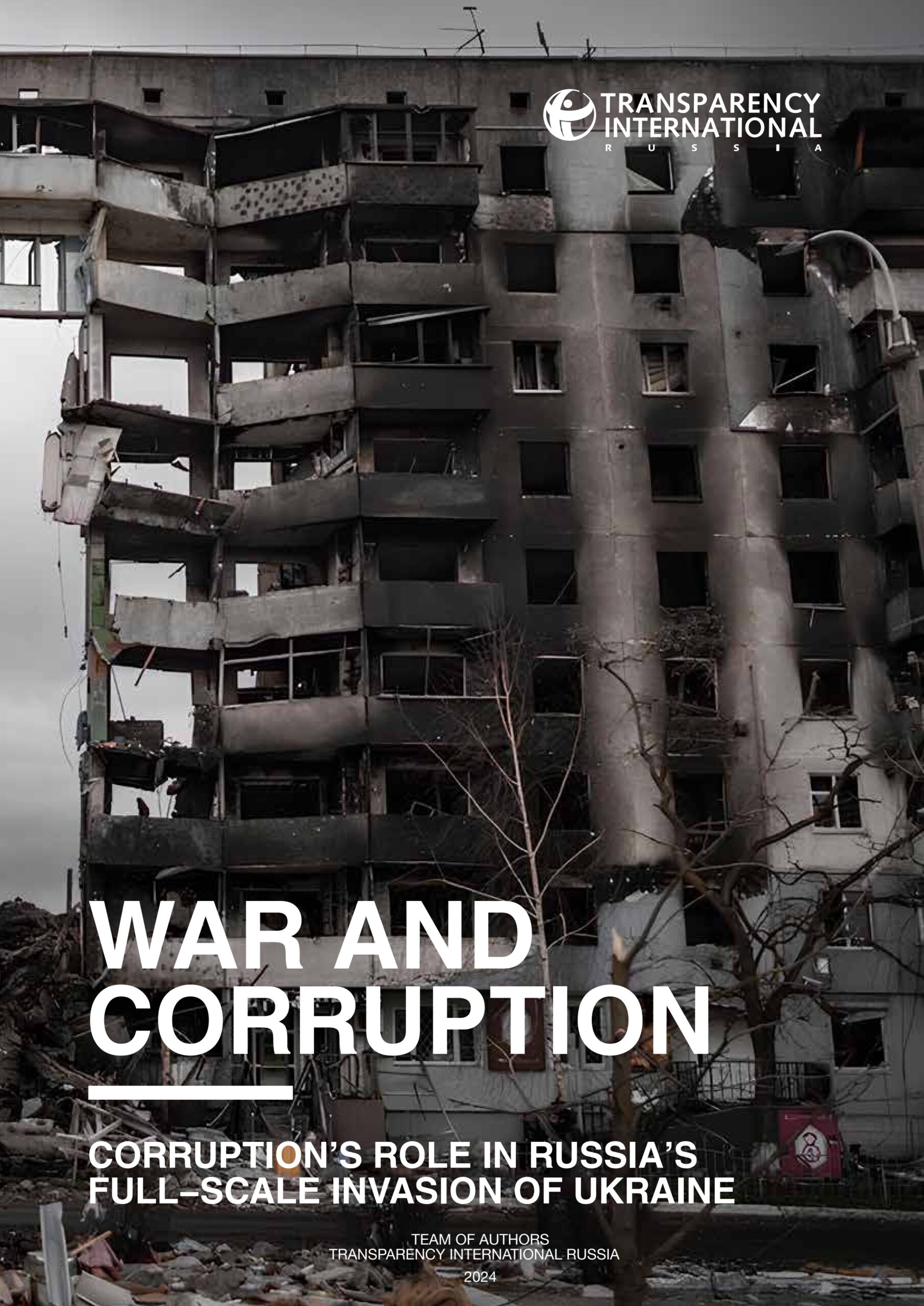
War and corruption: Corruption’s role in Russia’s full-scale invasion of Ukraine
This report examines how corruption enabled Russia’s invasion of Ukraine and explores its escalation during the conflict. It details growth in criminal convictions, systemic theft within the military, and the erosion of procurement transparency. It further analyses the impact of sanctions on Russian oligarchs and the emergence of war beneficiaries.
Disability employment quotas: Lessons for Indonesia from ASEAN and East Asia
This report analyses disability employment quota systems across Indonesia, ASEAN, and East Asia. It identifies five legal models, ranging from binding levy-subsidy architectures to voluntary incentive-based approaches. Recommendations for Indonesia include clarifying calculation methodologies, establishing structured incentive frameworks, and implementing graduated compliance pathways to improve inclusive employment outcomes.
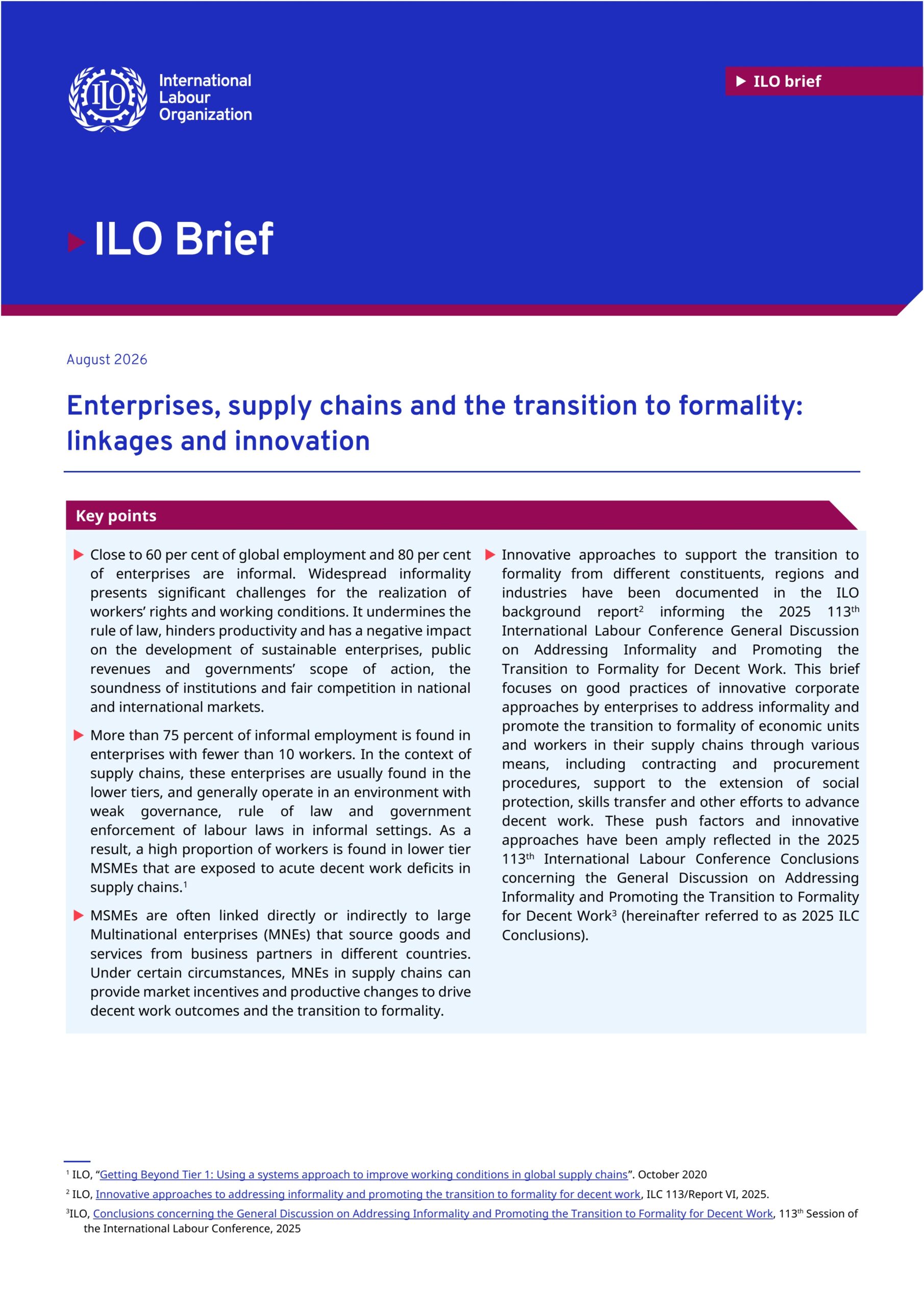
Enterprises, supply chains and the transition to formality: Linkages and innovation
This ILO research brief examines how multinational enterprises and supply chains drive the transition from informal to formal economies. By leveraging market incentives, technology transfers, and innovative procurement, MNEs can improve working conditions, social protection, and productivity for lower-tier MSMEs, supporting global decent work objectives.
The SDG partnership guidebook: A practical guide to building high-impact multi-stakeholder partnerships for the Sustainable Development Goals
This guidebook provides a practical framework for building high-impact multi-stakeholder partnerships for the SDGs. It details the partnering lifecycle, essential building blocks like trust and governance, and strategies for business engagement and system transformation. The resource helps organisations become fit for partnering to maximise collaborative value and impact.
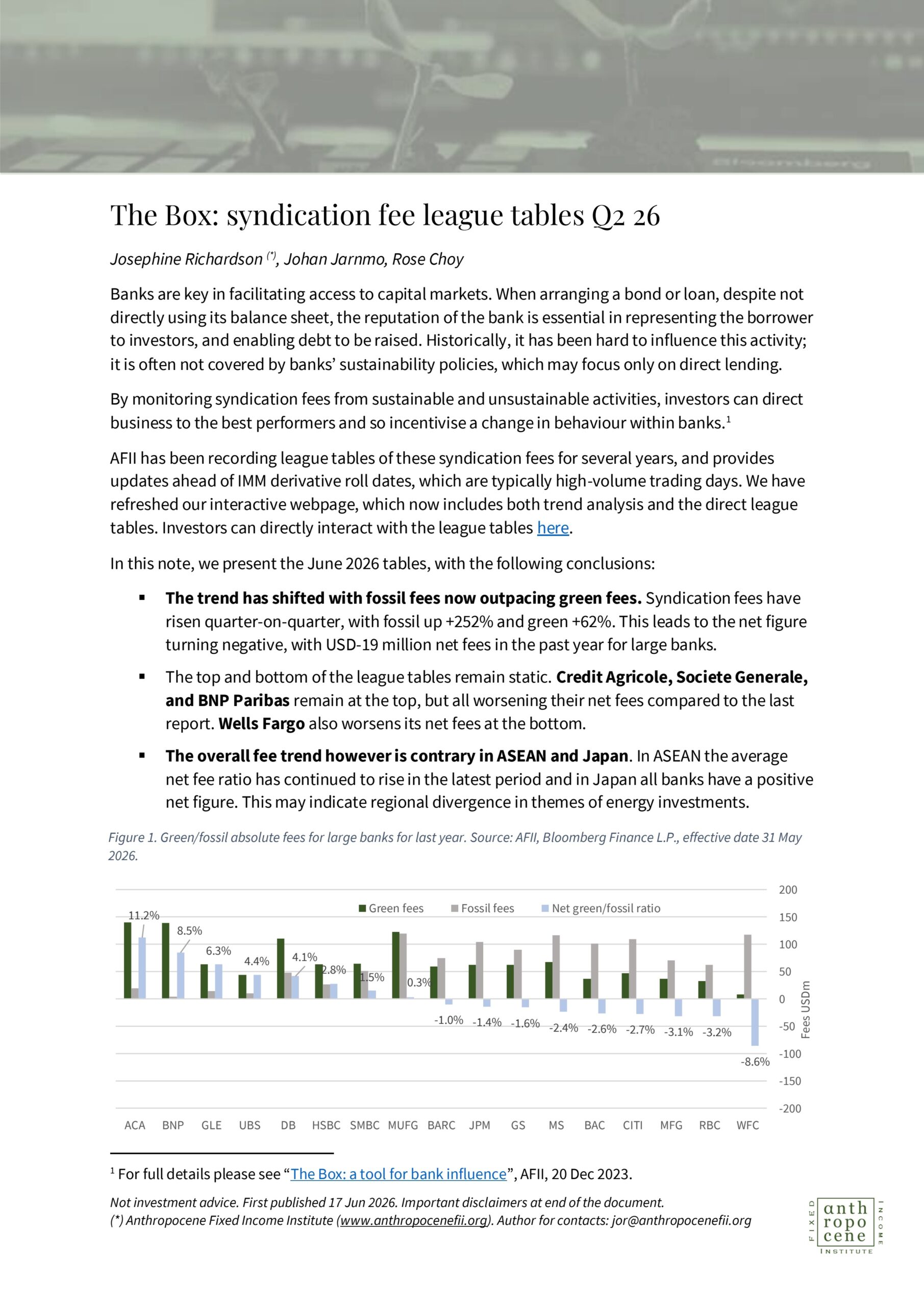
The Box: syndication fee league tables
This benchmark series provides transparency on bank syndication fees, comparing income from sustainable and unsustainable activities. It tracks league tables for global and regional financial institutions, including the ASEAN and Japanese markets. The analysis enables investors to incentivise behavioural change by identifying banks that continue to prioritise fossil fuel financing.
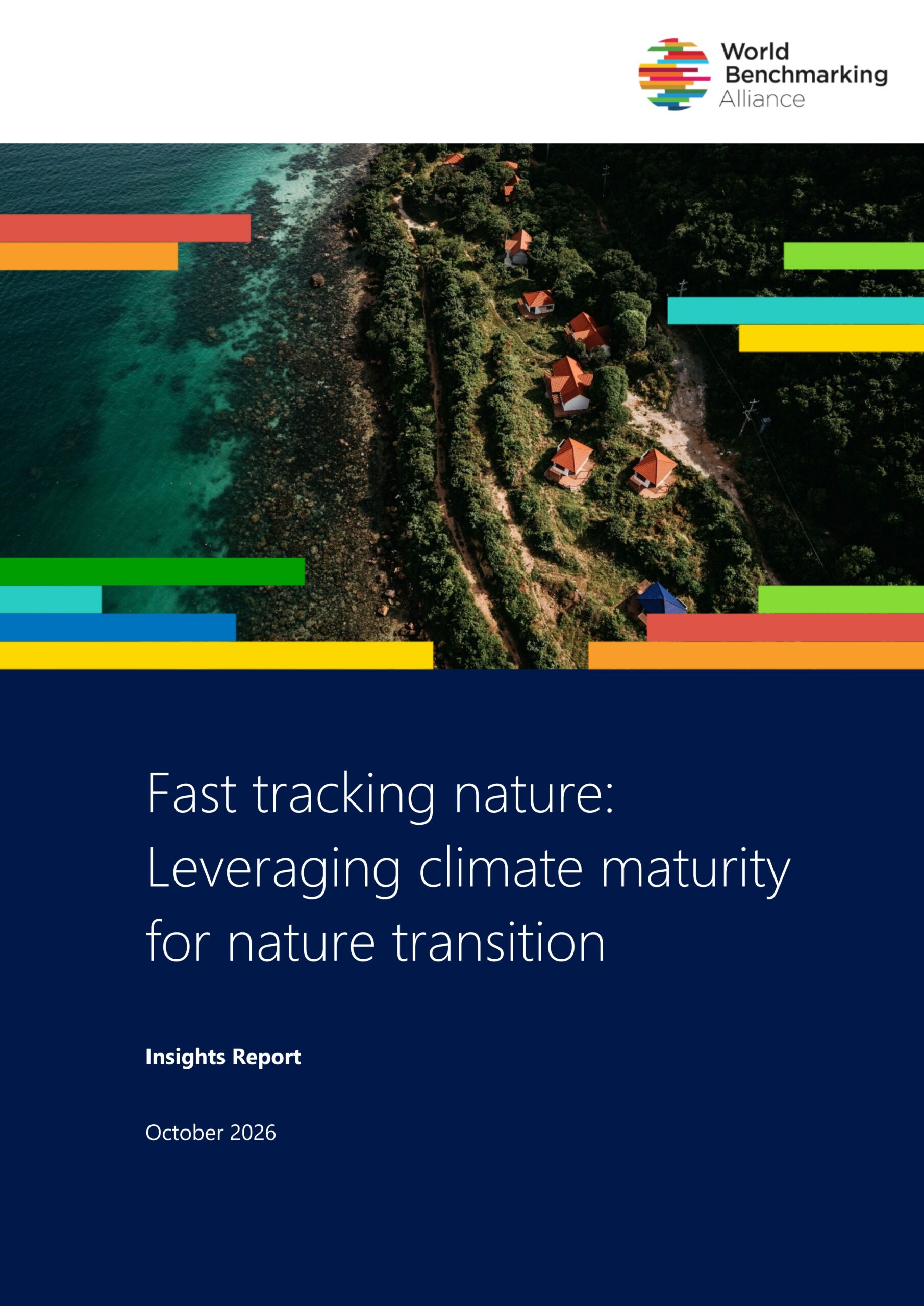
Fast tracking nature: Leveraging climate maturity for nature transition
This report examines how 750 global companies can leverage established climate maturity to accelerate nature-related transition planning. Findings reveal a significant gap, with 69% possessing climate transition plans compared to just 2% for nature. It identifies four pathways—reporting, risk management, value chain mapping and technical synergies—to bridge this divide.
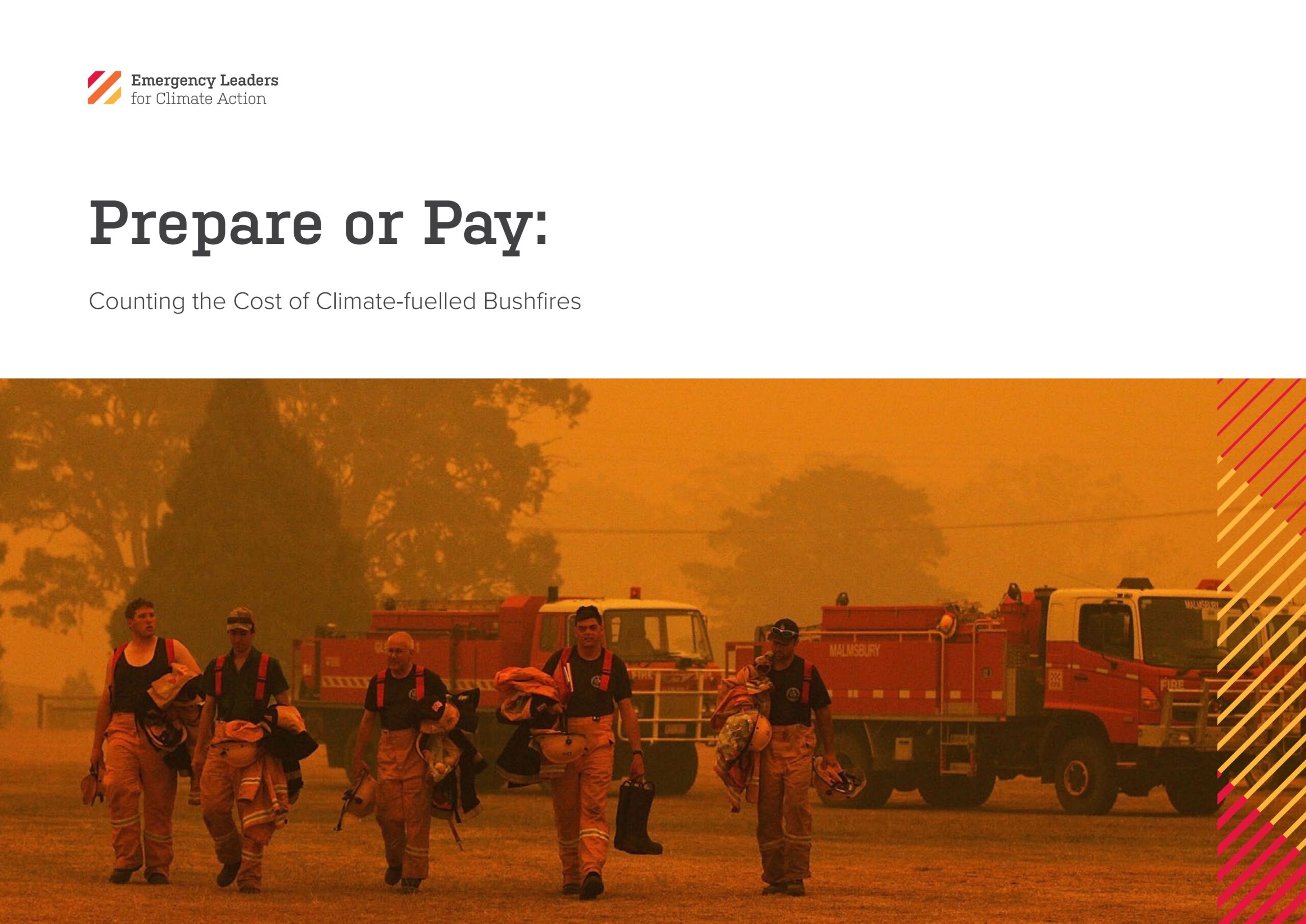
Prepare or pay: Counting the cost of climate-fuelled bushfires
This report quantifies the economic burden of climate-fuelled bushfires in Australia, projecting an average annual cost of $6 billion. It examines how climate change intensifies fire weather and provides recommendations for federal investment in preparedness, community resilience, and the rapid reduction of coal, oil, and gas pollution.
Chokepoint disruptions and their macroeconomic consequences
This report examines the macroeconomic consequences of global supply chain chokepoint disruptions. It finds that rising geopolitical tensions threaten critical nodes, causing significant output losses and price pressures. While substitution and inventories mitigate impacts, policy responses must consider a disruption's centrality and the private sector's capacity to adjust.
Too little too late? Nationwide carbon trading in China
This study evaluates China's rate-based National Emissions Trading Scheme using satellite imagery. It finds high-efficiency plants increased electricity generation and carbon emissions by approximately 5% relative to low-efficiency plants. The programme incentivised production without significantly reducing emission intensity, leading to an estimated aggregate increase in carbon dioxide emissions.
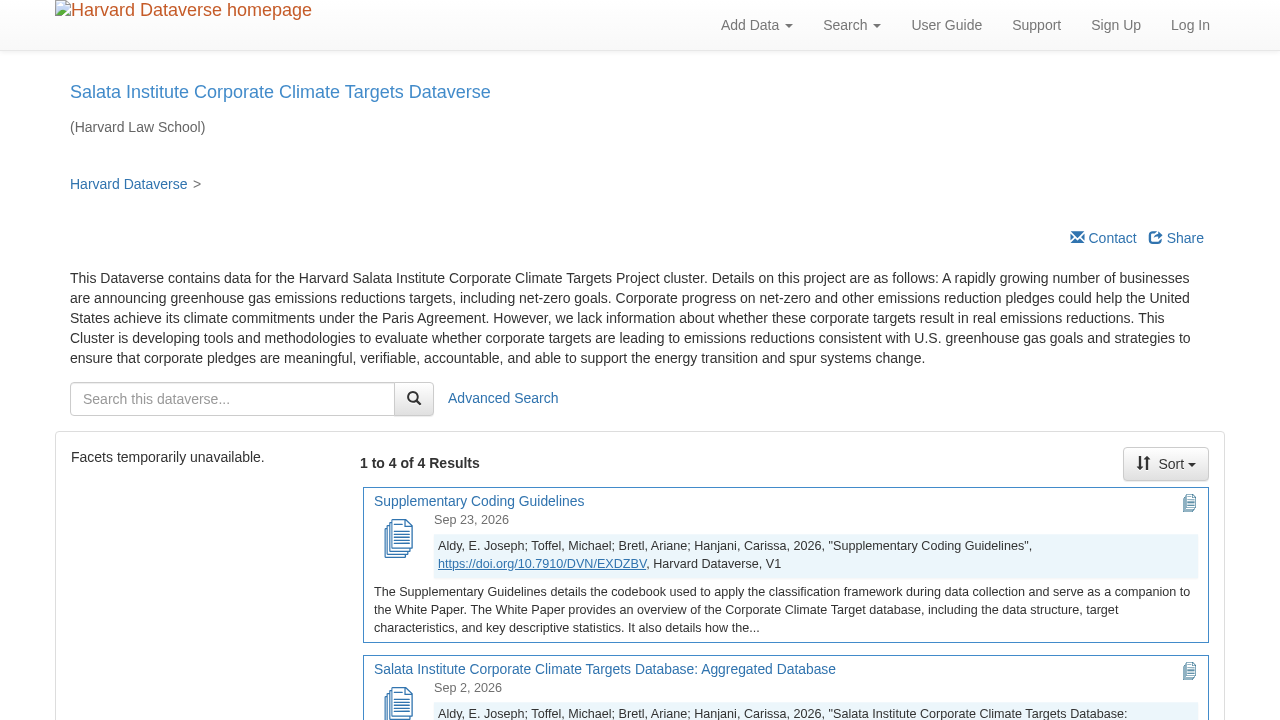
Corporate Climate Targets Database and Dashboard
A longitudinal database tracking voluntary climate commitments and greenhouse gas targets for U.S. public companies in the Russell 3000 index from 2000 to 2024.
Anti-woke corporate governance
This research explores the emergence of partisan corporate governance, focusing on Texas as a conservative competitor to Delaware. It examines legislative changes to limit shareholder litigation and influence, the regulation of proxy advisors, and the resulting legal and political risks for corporations navigating an increasingly politicised regulatory environment.
Stakeholder engagement and ESG in China
This research analyses China’s state-led stakeholder empowerment model for ESG integration. It identifies economic, policy, compliance, and sustainability drivers while examining channels such as shareholder activism and representative litigation. The article proposes a tiered institutionalisation framework to resolve procedural indeterminacy and strengthen collective action infrastructure within concentrated ownership structures.
Corporate governance scandals in India’s banking and financial services sector
This research examines corporate governance failures in India’s financial sector, focusing on scandals at YES Bank, IndusInd Bank, and IL&FS. It analyses the impact of 'star' promoters, gatekeeper failures, and regulatory fragmentation, advocating for enhanced standards of care for directors and a wholesale reconsideration of sector-specific governance frameworks.


