
Library | Asset Class
Infrastructure
Investments in essential physical systems and facilities (transport, energy, water, communications) that support economic and social activity.
Refine
404 results
REFINE
SHOW: 16


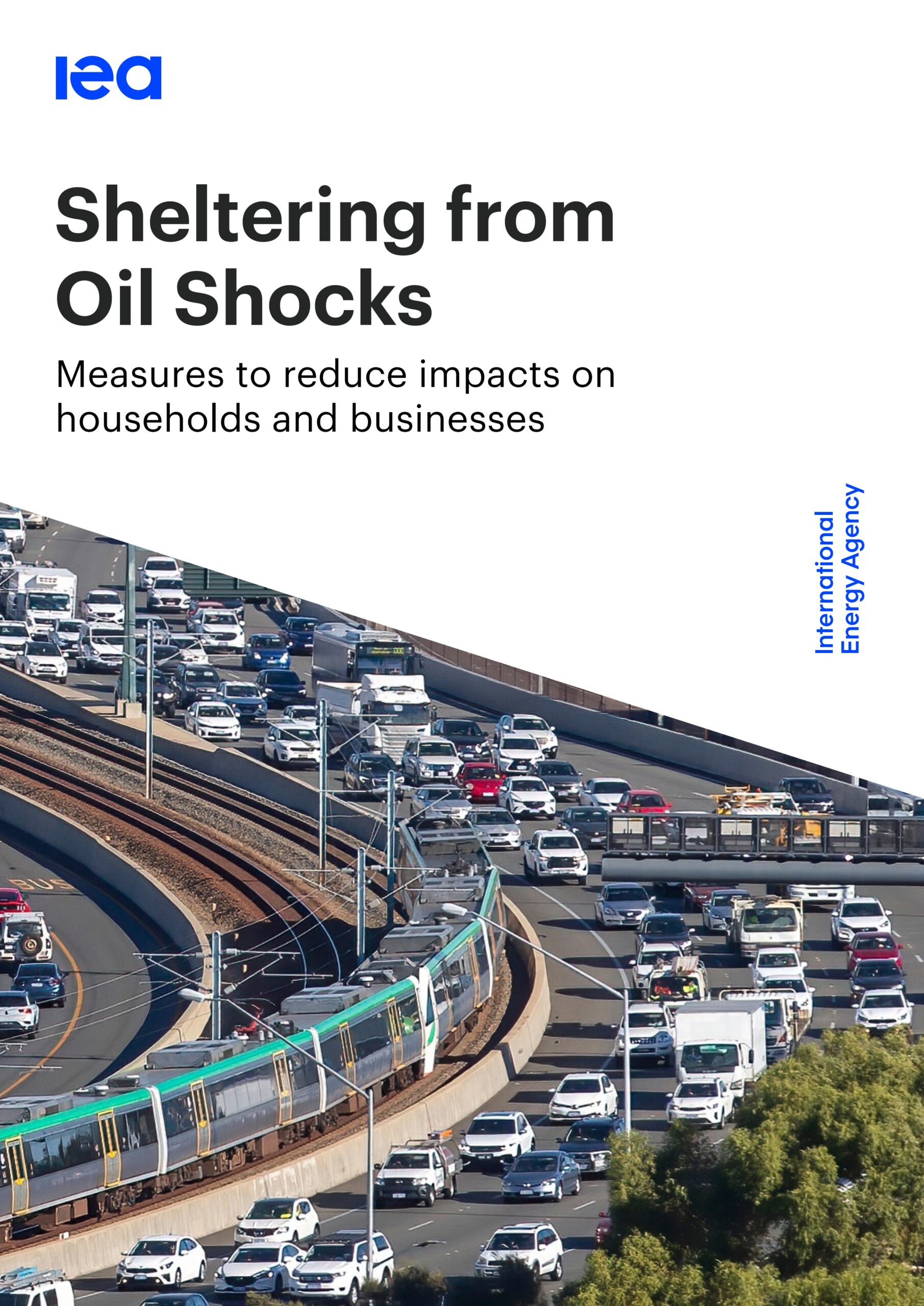
Sheltering from oil shocks: Measures to reduce impacts on households and businesses
This International Energy Agency report outlines measures to reduce the impact of oil supply disruptions on households and businesses. It details short-term and structural strategies across road and air transport, industry, and cooking fuels to lower demand and shield vulnerable consumers from rising energy costs.
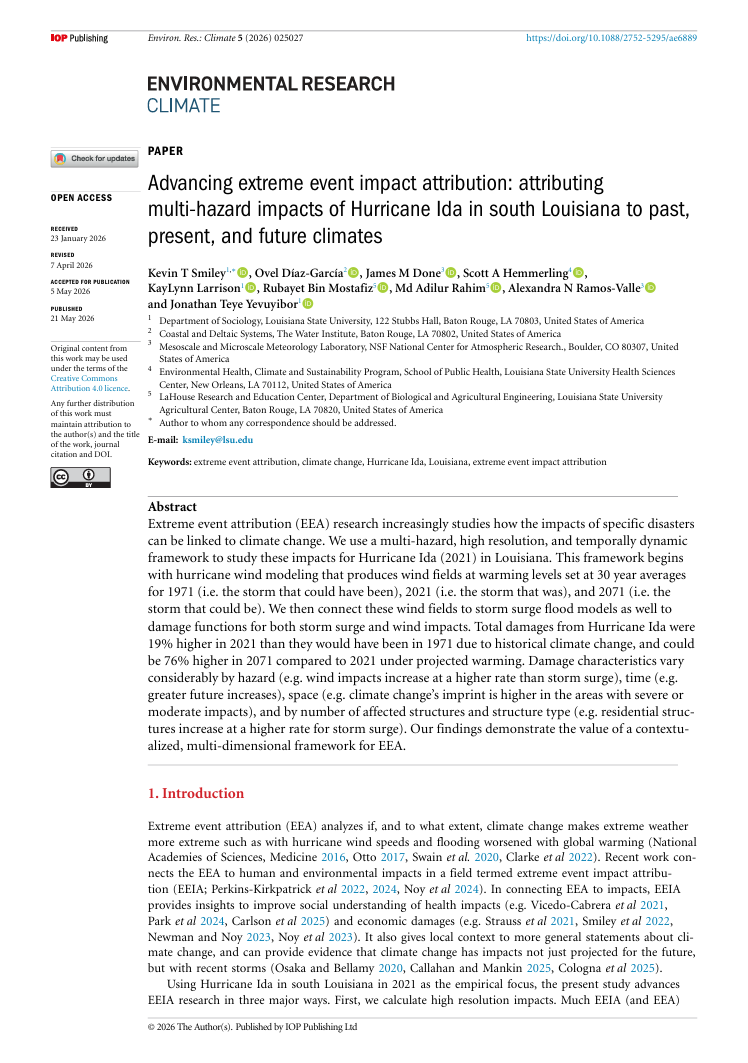
Advancing extreme event impact attribution: Attributing multi-hazard impacts of Hurricane Ida in south Louisiana to past, present, and future climates
This report examines the impacts of Hurricane Ida in south Louisiana, using a multi-hazard framework to attribute economic damages to historical and projected climate change. It finds that total damages were 19% higher in 2021 due to historical climate change and could be 76% higher by 2071.
Climate Shift Index: Humid Heat
Climate Shift Index: Humid Heat tracks and calculates the influence of human-caused climate change on daily humid heat conditions across the globe.
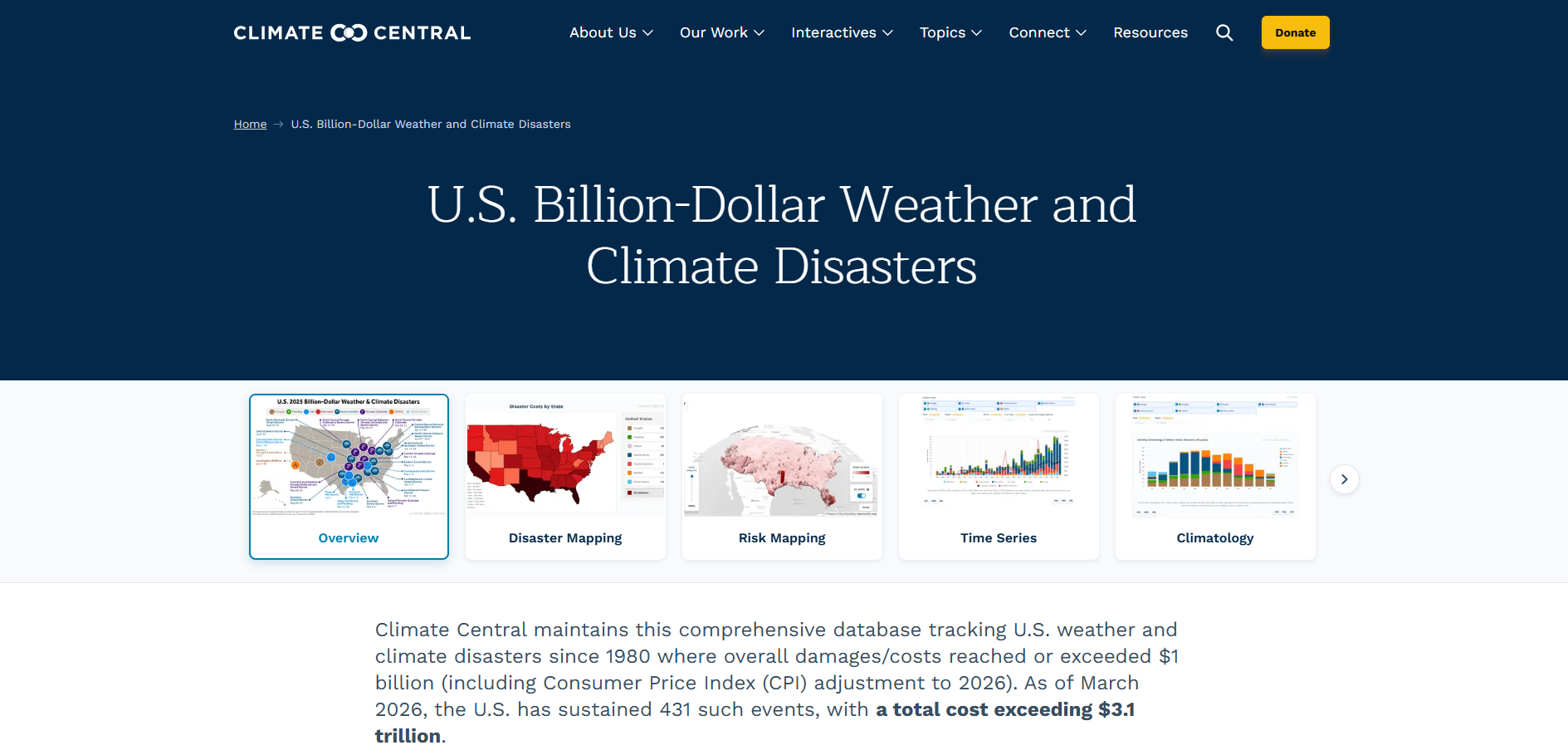
U.S. billion-dollar weather and climate disasters database
Climate Central’s database tracks the most costly U.S. weather and climate disasters since 1980, providing data on events causing $1 billion in damage.
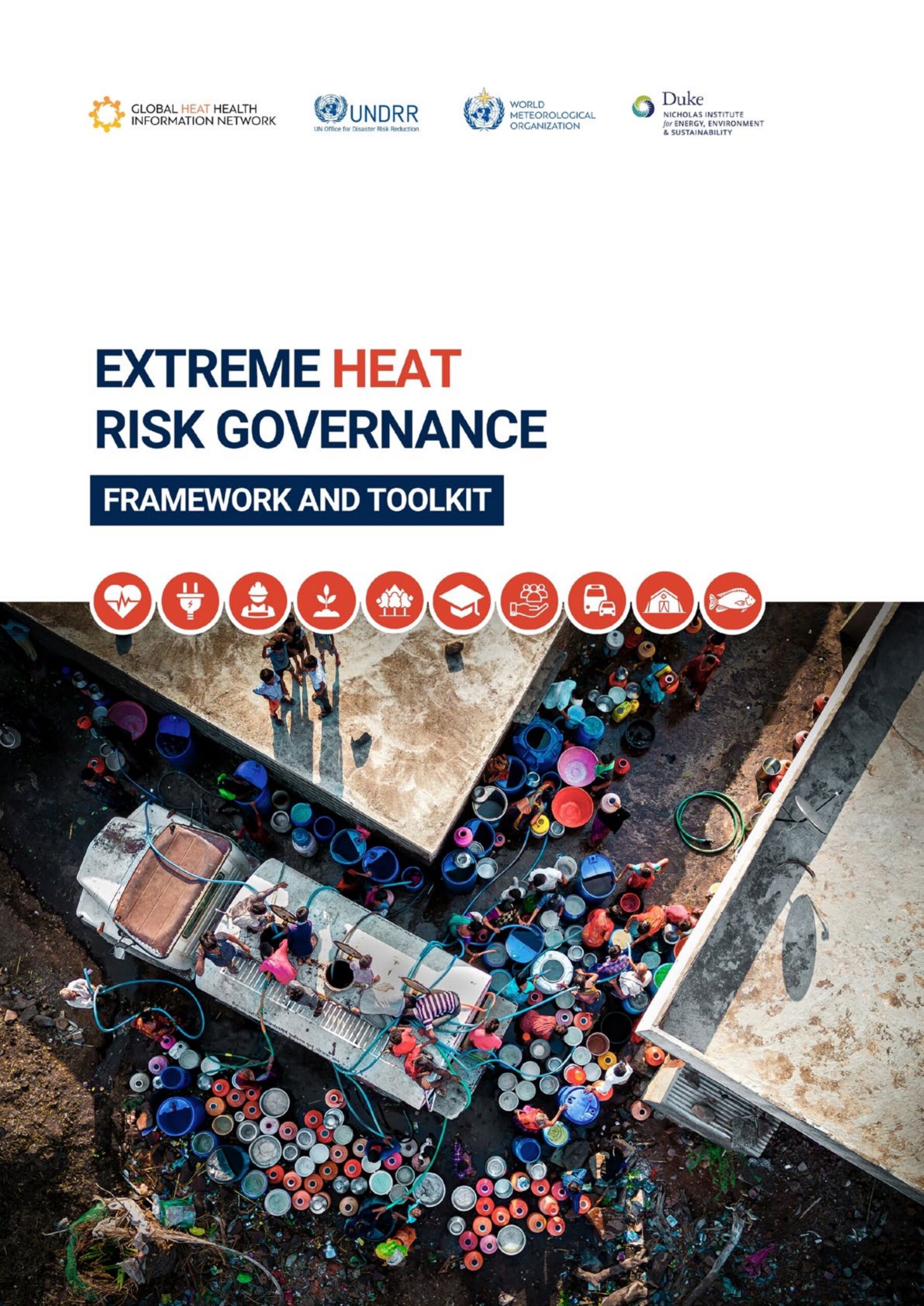
Extreme heat risk governance: Framework and toolkit
This report presents a comprehensive framework and toolkit to help governments and stakeholders manage extreme heat risk. It provides actionable guidance, a maturity assessment tool, and strategies to operationalise governance and develop effective heat action plans across multiple sectors and timescales.
Leaning on uncertainty: Are European countries overrelying on carbon removals to reach climate targets?
This report analyses the climate strategies of six European countries and the European Commission, revealing a risky overreliance on unproven carbon dioxide removal technologies. It highlights fragmented planning, absent feasibility assessments, and policies contradicting scientific advice, warning that current approaches threaten effective climate action.
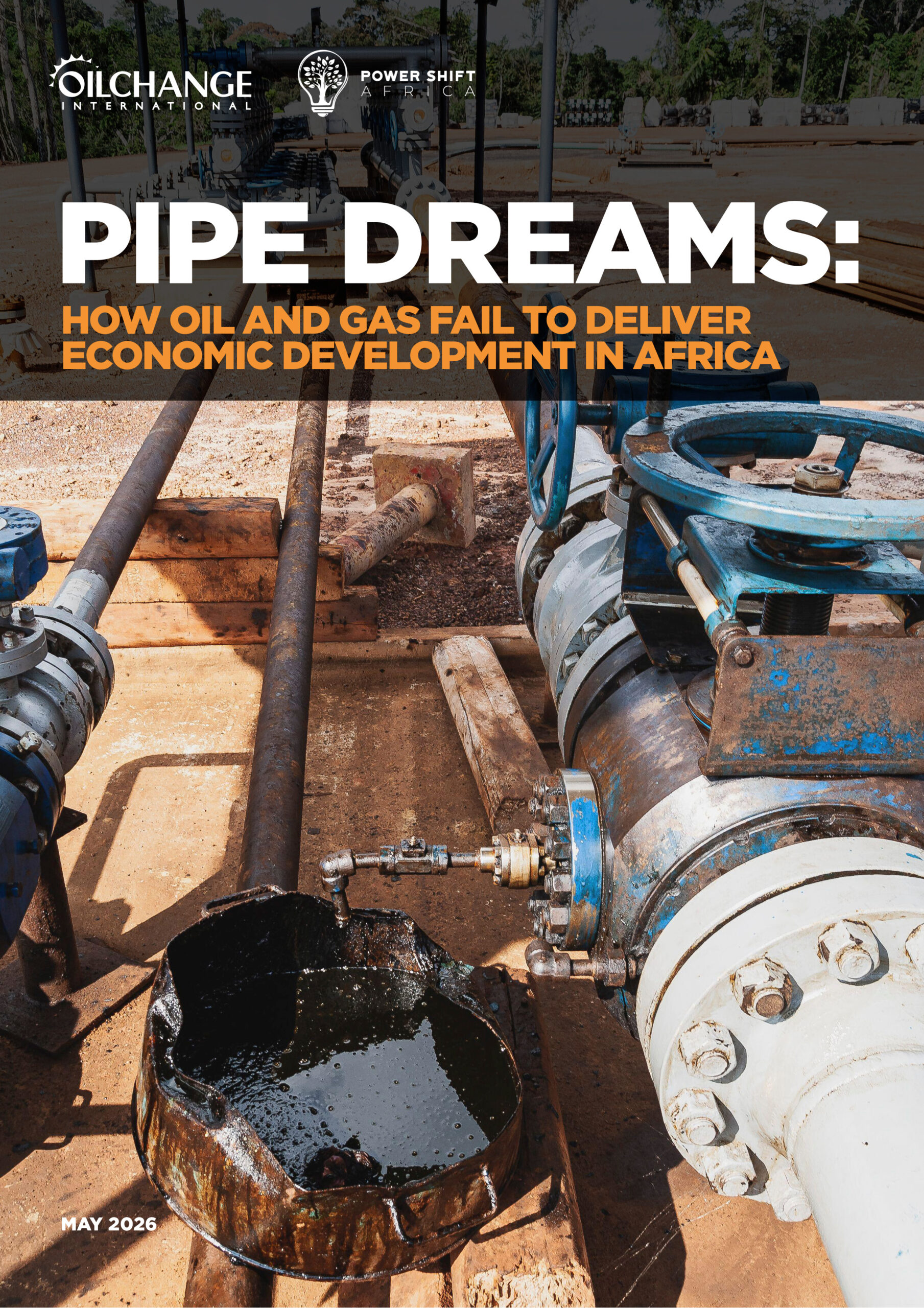
Pipe dreams: How oil and gas fail to deliver economic development in Africa
This 2026 report analyses the economic impact of oil and gas extraction across 13 African nations. Finding that fossil fuels exacerbate poverty, vulnerability, and corruption rather than delivering sustained growth, it advocates for a rapid, just transition to decentralised renewable energy to ensure future economic stability and development.
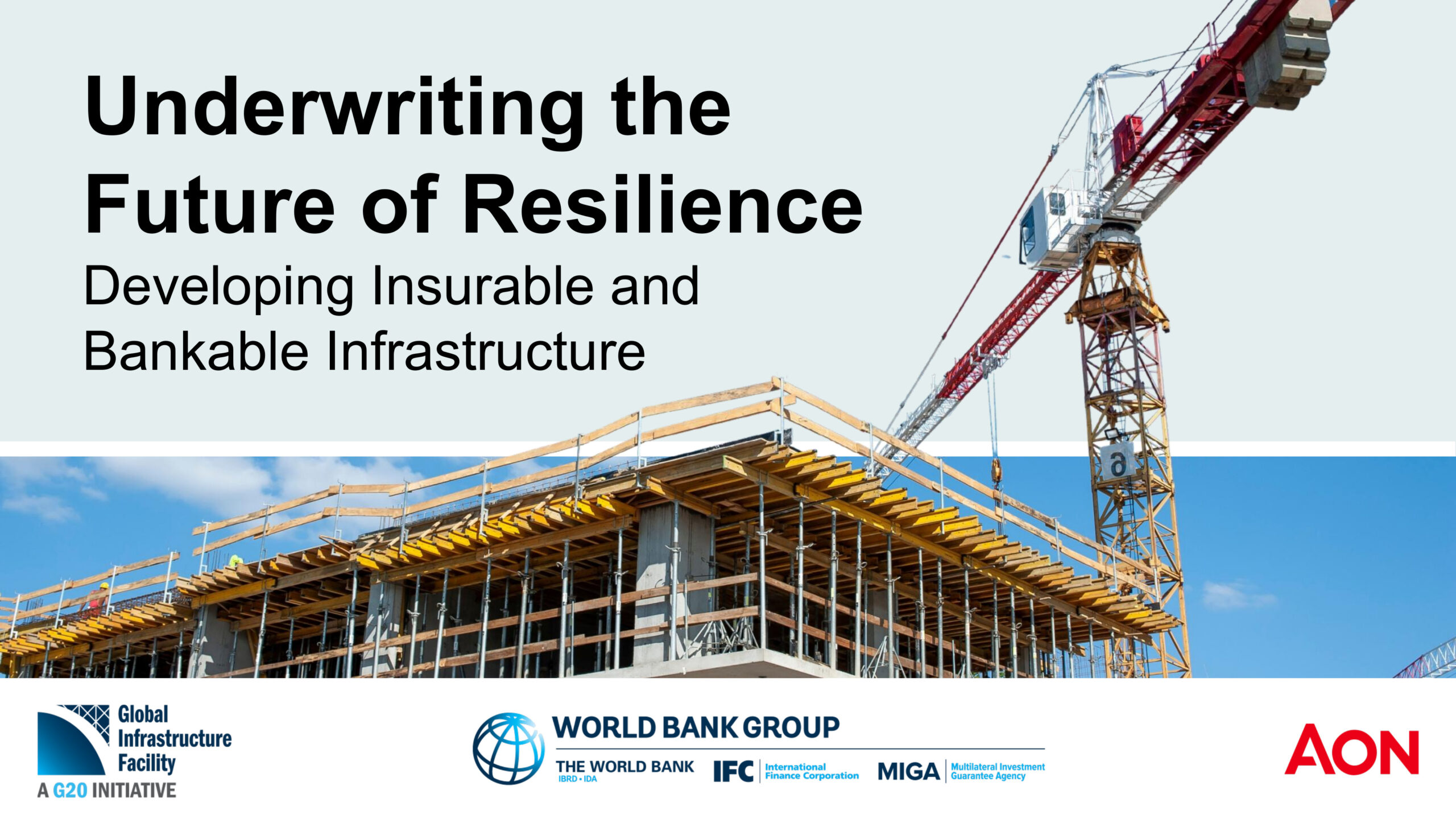
Underwriting the future of resilience: Developing insurable and bankable infrastructure
This report explores how the insurance industry assesses physical climate risks for new social infrastructure projects. It identifies five key enablers to integrate climate resilience across project lifecycles, advocating for early stakeholder engagement and forward-looking risk assessments to ensure long-term asset insurability, bankability, and value in a changing climate.
Value of nature: The investment case for nature-based solutions
This report examines how Ecosystem Service Valuation (ESV) can scale finance for Nature-based Solutions (NbS). By revealing the distribution of socio-economic benefits and costs across stakeholders, ESV provides a standardised framework to inform financial mechanisms and structure effective public-private partnerships.
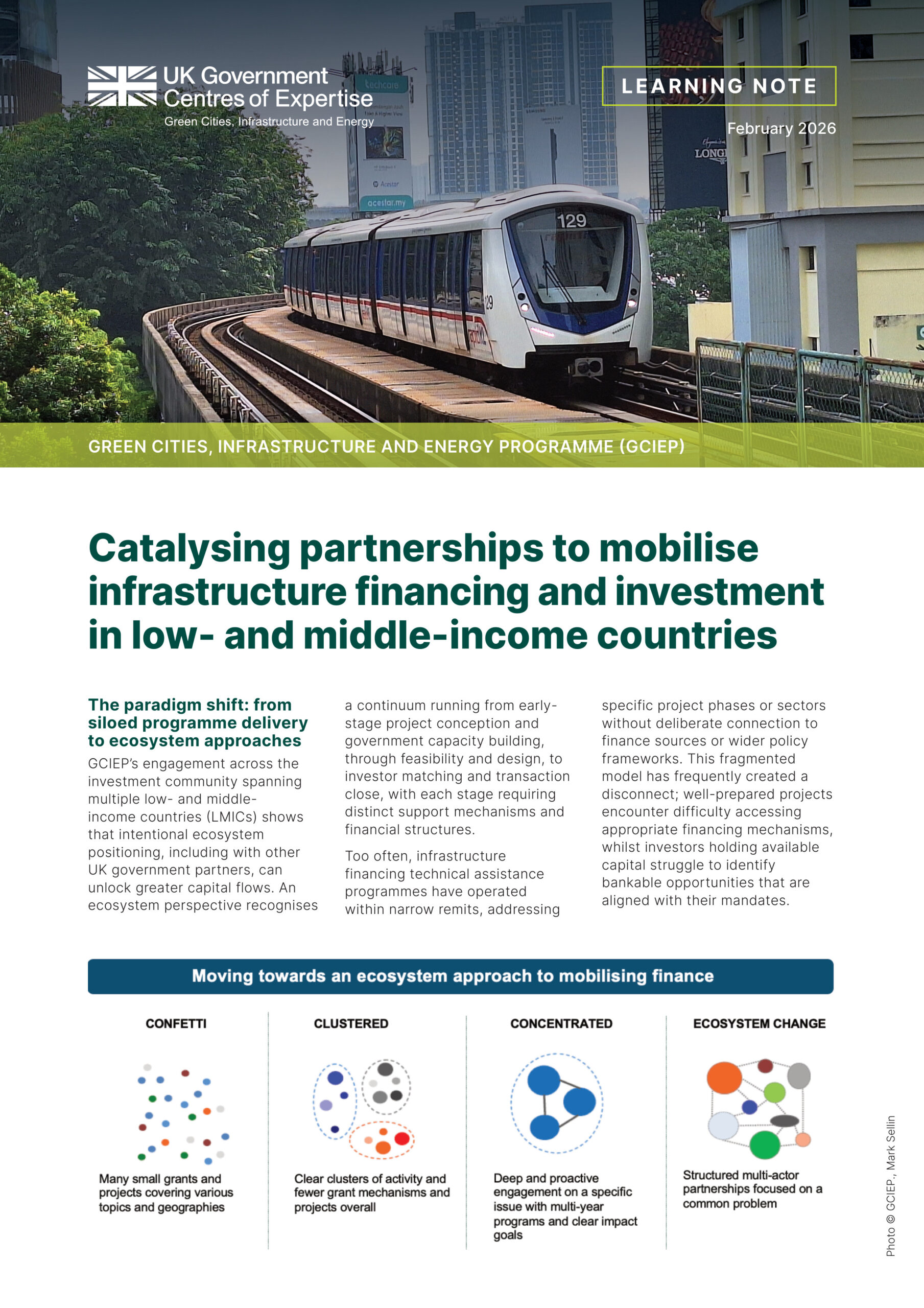
Catalysing partnerships to mobilise infrastructure financing and investment in low- and middle-income countries
This learning note explores how an ecosystem approach to infrastructure financing can mobilise capital in low- and middle-income countries. It highlights the importance of early finance engagement, de-risking mechanisms, and integrated partnerships to transform technically sound projects into commercially viable investments.
Integrating climate considerations into environmental impact assessments: Lessons from Latin America and Asia
This report analyses the integration of climate change considerations into environmental impact assessment (EIA) regimes across 20 economies in Latin America and Asia. It evaluates legislative frameworks and climate litigation trends, recommending stronger statutory requirements, detailed technical guidance, and comprehensive assessments of both emissions and adaptation risks.
24/7 renewables: The economics of firm solar and wind
This report analyses the transition to reliable, round-the-clock renewable energy through solar, wind, and battery storage. Introducing the firm levelised cost of electricity (F-LCOE), it evaluates the cost-competitiveness of hybrid systems against fossil fuels and outlines the necessary policy reforms to support widespread deployment.
Energy security through freight electrification: A rapid response briefing note on policy options for responding to the global fuel crisis
This briefing note outlines policy options to enhance Australia's fuel security through freight electrification. It recommends a phased, five-year, $3 billion programme to deploy up to 50,000 battery electric trucks, displacing one billion litres of diesel annually while leveraging private capital and implementing structural reforms.
Navigating the EV transition: Barriers and tools for shifting Europe to low-carbon mobility
This report examines the challenges facing the European automotive industry in transitioning to electric vehicles (EVs). It analyses shifting revenue streams, battery production costs, supply chain risks, and the need for charging infrastructure, while outlining financial tools to support adoption, research, and skills development.
RIAA Conference Australia 2026 - Companion Resources
Responsible investment has moved well beyond principles and pledges. Today’s challenges require practical capability and informed judgement. The RIAA Conference is a must-attend event for finance, sustainability and industry practitioners who want to focus on the key themes for responsible investment in 2026 and what implementation really looks like. Designed as an immersive, hands-on experience, the program focuses on the systems that underpin strong financial performance, and will help you understand how climate, nature, technology, governance and regulation intersect.
These specially curated companion resources have been recommended by the conference speakers and Altiorem team.
These specially curated companion resources have been recommended by the conference speakers and Altiorem team.
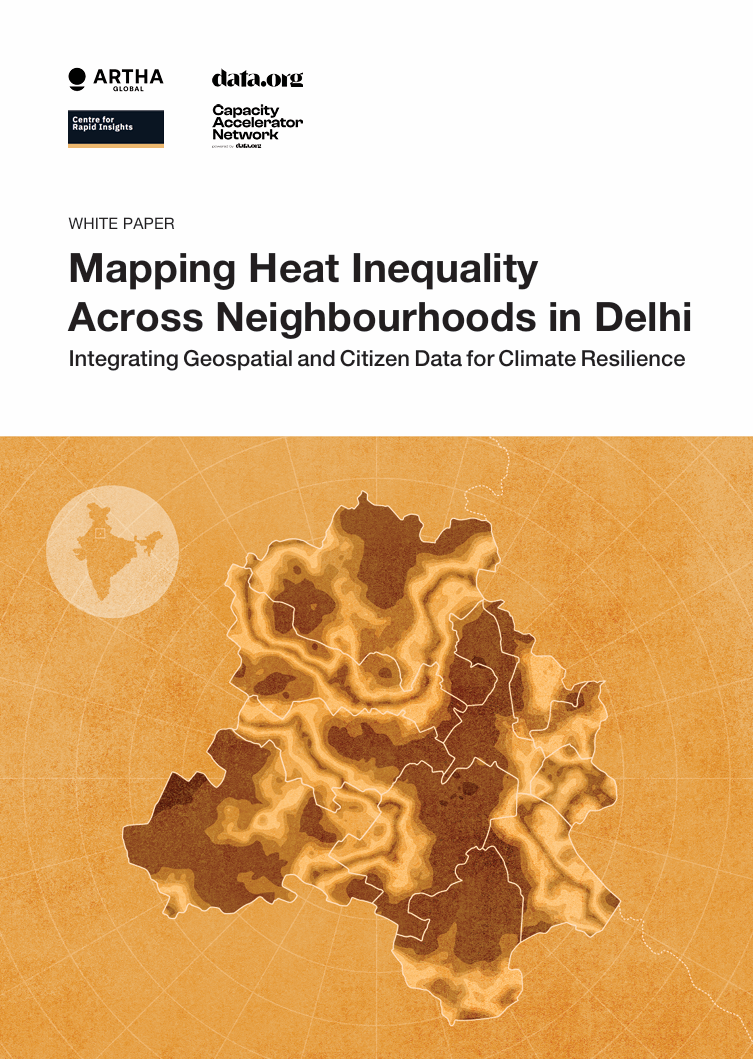
Mapping heat inequality across neighbourhoods in Delhi: Integrating geospatial and citizen data for climate resilience
Delhi heat vulnerability is shaped by neighbourhood density, limited green cover and unequal access to cooling. Using geospatial and household survey data, the report finds higher heat exposure increases illness, sleep disruption and productivity loss, while targeted greening, micro-level heat planning and energy-efficient cooling could improve urban climate resilience.


