
Library | Asset Class
Multi-Asset / General
Investment strategies that allocate across multiple asset classes (e.g., equities, bonds, real estate, alternatives) for diversification.
Refine
1366 results
REFINE
SHOW: 16


Renewable electrification as a means of transitioning away from fossil fuels: From commitment to implementation at COP31
This report evaluates renewable-based electrification as a pillar for transitioning away from fossil fuels. It proposes the ‘35 by 35’ target, analyses progress in five key countries, and outlines action priorities for COP31. The focus is on integrating renewables, efficiency, and equitable finance to accelerate global decarbonisation.
Managing LLM bias in investing: From detection to mitigation
This report examines implicit and explicit LLM biases in investment management. Through a case study on framing bias across nine OpenAI models, it identifies significant sensitivities in drawdown and client retention scenarios. It concludes that manual prompt restructuring and human-in-the-loop protocols are the most effective mitigation strategies.
Mobile internet and employment: Evidence from 52 countries
This report analyses the impact of 3G expansion on employment across 52 countries from 2004 to 2023. It finds that while connectivity increases participation in low-income regions, it is associated with declining employment in mature economies. Gender gaps remain persistent, particularly regarding youth disengagement in poorer contexts.
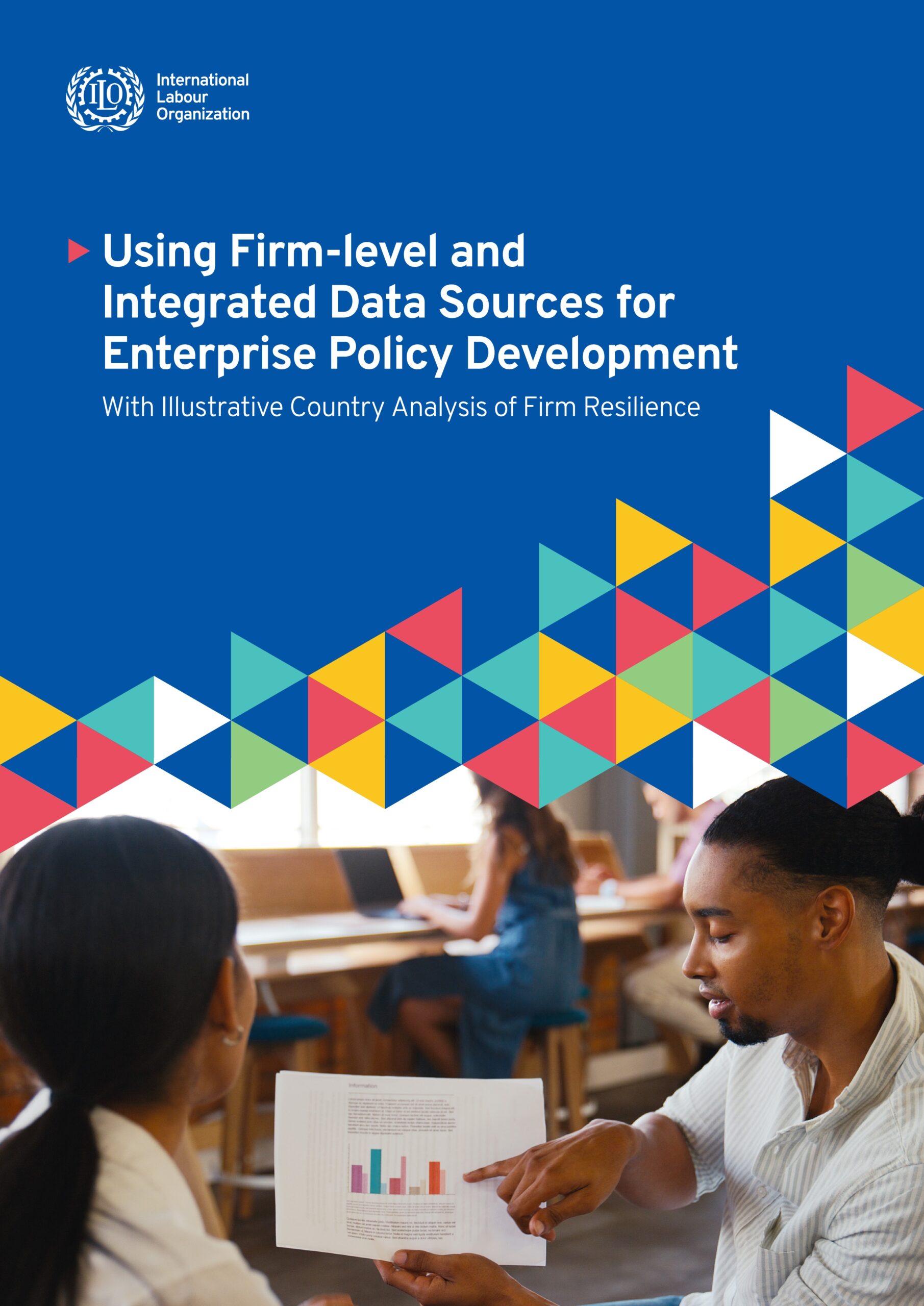
Using firm-level and integrated data sources for enterprise policy development: With illustrative country analysis of firm resilience
This report examines the use of firm-level and integrated data sources, including enterprise surveys, household surveys, and administrative records, for enterprise policy development. It features case studies from Colombia, Ecuador, and Brazil, analysing firm resilience during the COVID-19 pandemic through various indicators such as productivity, informality, and workforce restoration.
Survey of Aotearoa New Zealand investors: Climate policies and actions series
This benchmark series examines the climate-related investment policies and actions of institutional investors in Aotearoa New Zealand. It monitors progress in embedding climate risks into financial decision-making, target setting, and investment in climate solutions, providing transparency and accountability across the local investment sector.
Regulating artificial intelligence in finance: Lessons from Singapore
This research analyses Singapore's multi-layered approach to regulating artificial intelligence in finance. It evaluates frameworks like the FEAT Principles and Project MindForge while identifying risks such as deepfakes and bias. The paper recommends establishing a dedicated regulatory sandbox and shared responsibility frameworks to manage evolving technological and third-party risks.
Breaking the bottleneck: How advance market commitments can bridge the supply-demand gap in recycled materials
This research evaluates advance market commitments to bridge the supply-demand imbalance for recycled materials. It identifies opportunities in mixed plastic, textile waste, and paper-based alternatives, advocating for binding financial agreements to incentivise investment in recycling capacity and support global sustainability targets.
European employment and social outlook series
This report is part of a series providing an analysis of labour market and social developments within the European Union. It examines the relationship between job quality, productivity and economic performance, evaluating dimensions such as earnings and job security to inform evidence-based policymaking across Member States.
Bridging climate and credit risk: Current approaches and emerging trends for climate-related credit risk assessment methodologies—insights from a global survey
This report examines findings from a survey of 32 global banks on climate-related credit risk assessment. It highlights progress in probability of default modelling and widespread adoption of NGFS scenarios, while identifying persistent challenges in data reliability, technical expertise, and the quantification of financial impacts on capital requirements.
Facing backlash and derailment risks: Building capacities for navigating transformations to sustainability and justice in turbulent times
This research article identifies three backlash archetypes that threaten to derail sustainability and justice transformations during critical transition phases. To navigate these risks, the authors propose developing three transformative capacities: harnessing hope and imagination, hospicing with dignity, and enabling radical collaboration while holding paradoxes.
The illusion of resilience in a degrading supply chain
Senior UK food executives warn that environmental degradation and climate change pose significant financial risks to supply chains. Current industry focus on short-term growth masks structural vulnerabilities. Investors are urged to challenge board capabilities and demand long-term resilience strategies to secure future profitability and food security.
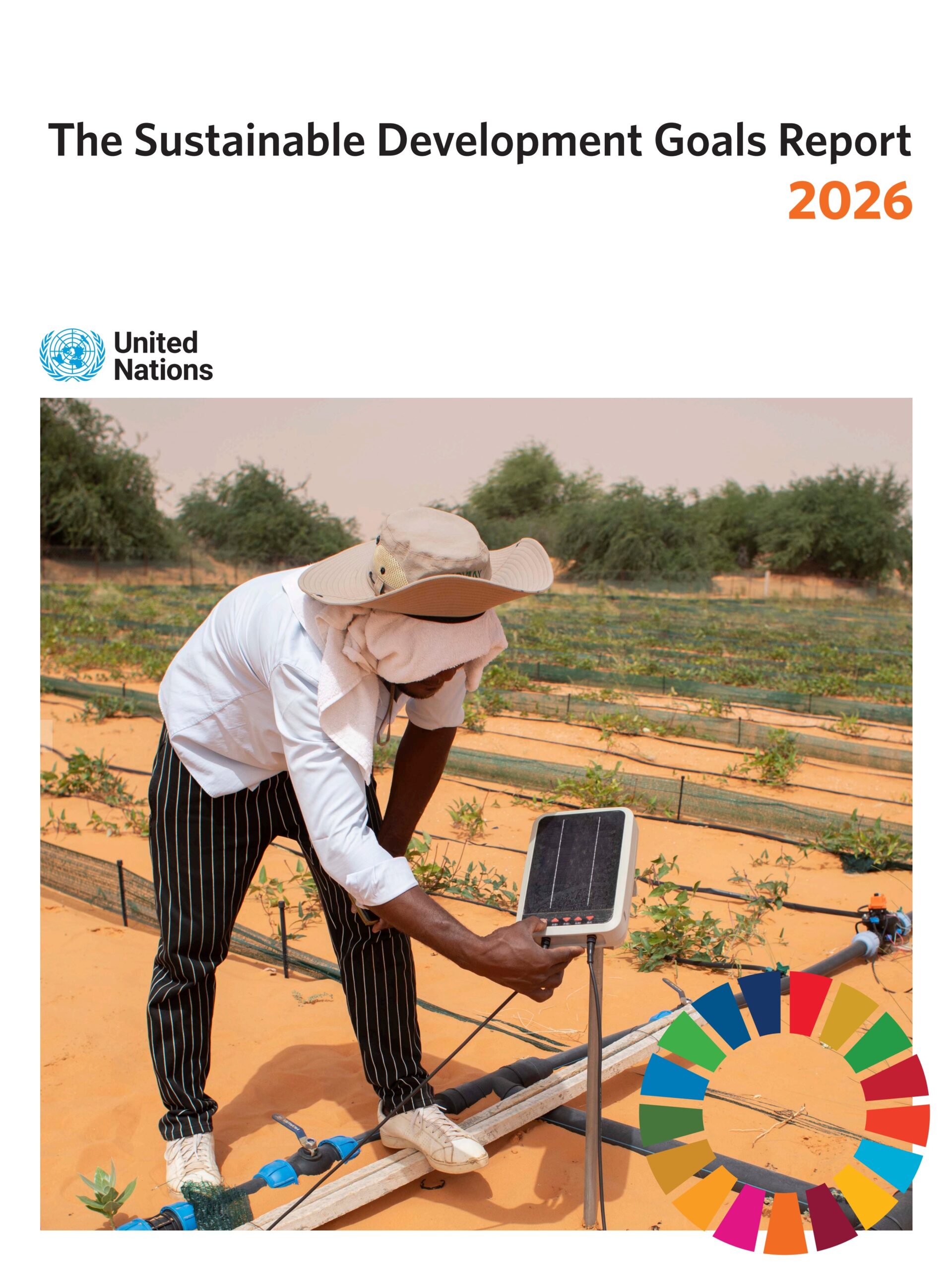
The Sustainable Development Goals Report 2026
This 2026 report evaluates global progress towards the Sustainable Development Goals. It reveals that only 36 per cent of targets are on track, with progress hindered by financing gaps and climate crises. The document also highlights the critical role of data and AI in future monitoring.
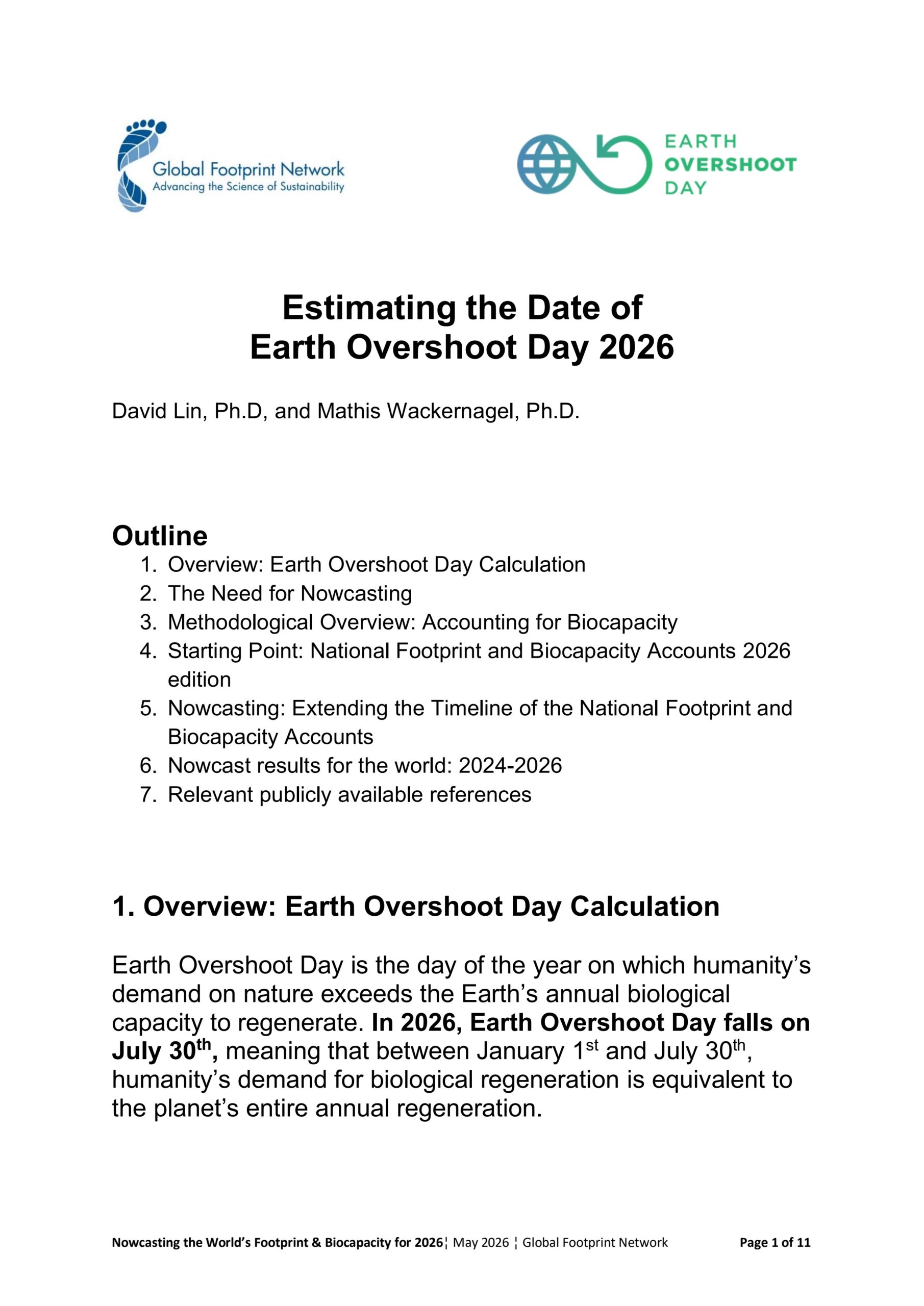
Estimating the date of Earth Overshoot Day 2026
Global Footprint Network identifies Earth Overshoot Day 2026 as 30 July. While the date appears later than in 2025, underlying ecological overshoot is at record levels. The report details nowcasting methodologies using proxy data to overcome UN data lags and highlights significant updates to carbon and trade accounting.
The GIIN Climate Solutions Investing Framework: A resource for asset owners to move from ambition to allocation
This research provides a framework for asset owners to evaluate climate mitigation investment strategies. It outlines foundational concepts and four criteria for selection: identifying climate theses, quantifying decarbonisation contributions, understanding prioritisation, and managing uncertainties. The resource aims to help investors transition from climate ambition to effective capital allocation.
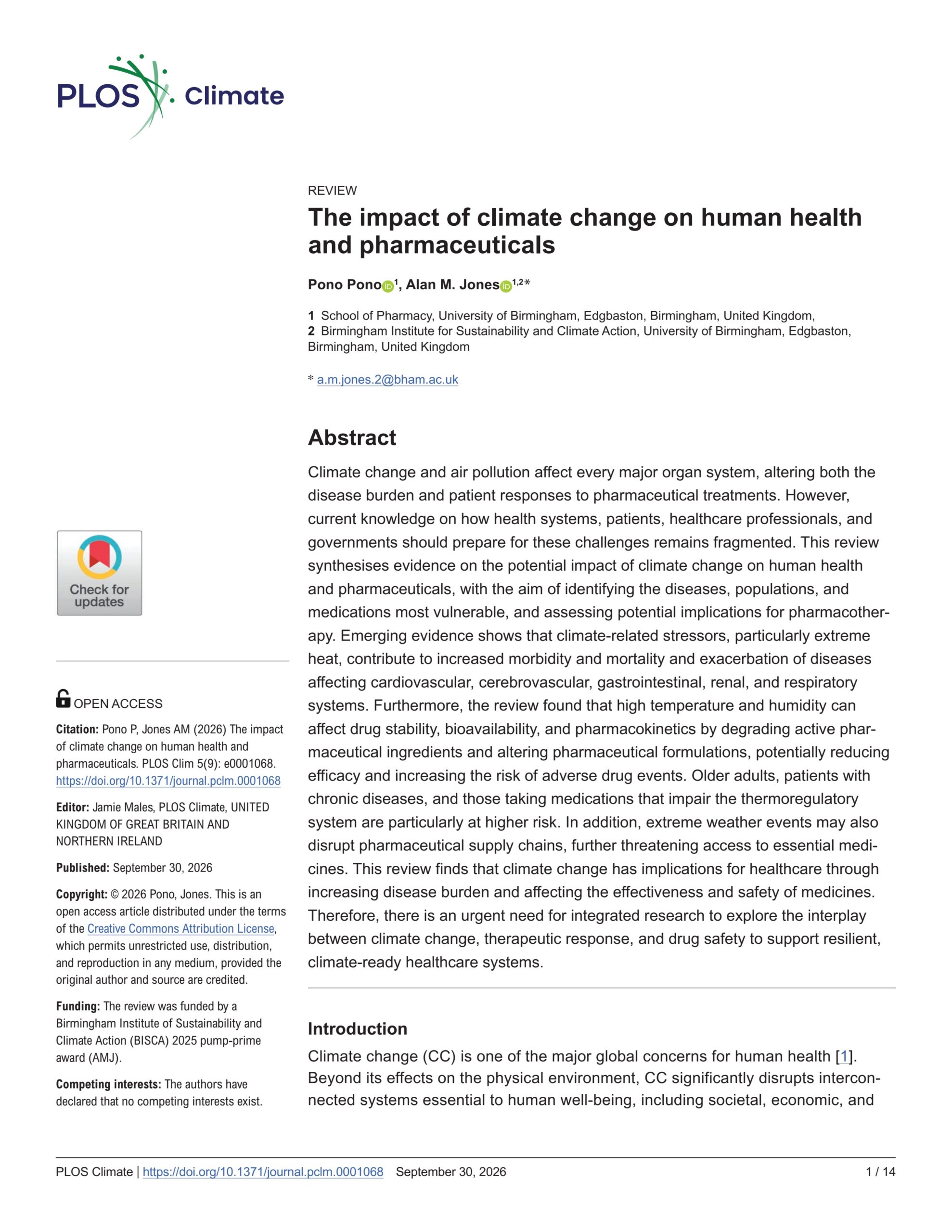
The impact of climate change on human health and pharmaceuticals
This research review examines how climate change and extreme weather increase morbidity across major organ systems. It highlights how rising temperatures and humidity compromise pharmaceutical stability and efficacy, particularly for vulnerable populations. The report calls for updated clinical guidelines and climate-resilient pharmaceutical regulations to safeguard public health.
Impact of an Enterprise Template 1.3
A structured Excel-based template from Impact Frontiers used to measure and report enterprise impact performance using the five dimensions of impact and the ABC classification system.


