
Library | Asset Class
Multi-Asset / General
Investment strategies that allocate across multiple asset classes (e.g., equities, bonds, real estate, alternatives) for diversification.
Refine
1366 results
REFINE
SHOW: 16


Charting the path: Foundations for a scalable First Nations investment market in Australia
This research outlines foundations for a scalable First Nations investment market in Australia. It identifies systemic barriers and proposes a theory of change focused on representation, systems alignment, and capital flows. The report recommends embedding cultural authority into governance and utilising blended finance to support First Nations economic self-determination.
Ocean investment protocol: A multi-stakeholder plan to enable funding for the sustainable ocean economy
This report outlines a multi-stakeholder framework to accelerate funding for a sustainable ocean economy. It provides specific recommendations for financial institutions, insurers, and governments to manage systemic risks and mobilise the estimated one trillion dollars in additional finance required by 2030 to meet global climate and biodiversity targets.

A practitioner's guide to impact vehicle structuring
This guide provides a six-step roadmap for designing and structuring impact investment vehicles. It offers practical frameworks for assessing market gaps, establishing partnerships, and defining investment and impact strategies. Featuring seventeen global case studies, the report emphasises mobilising domestic capital and using blended finance to address underserved social and environmental needs.
Research primer: Corporate political activity
This research primer examines the risks and motivations behind corporate political activity. It highlights how indirect donations through third-party groups can lead to reputational misalignment and potential corruption. The report advocates for robust board oversight and transparency, recommending the CPA-Zicklin Framework to align political spending with core values.
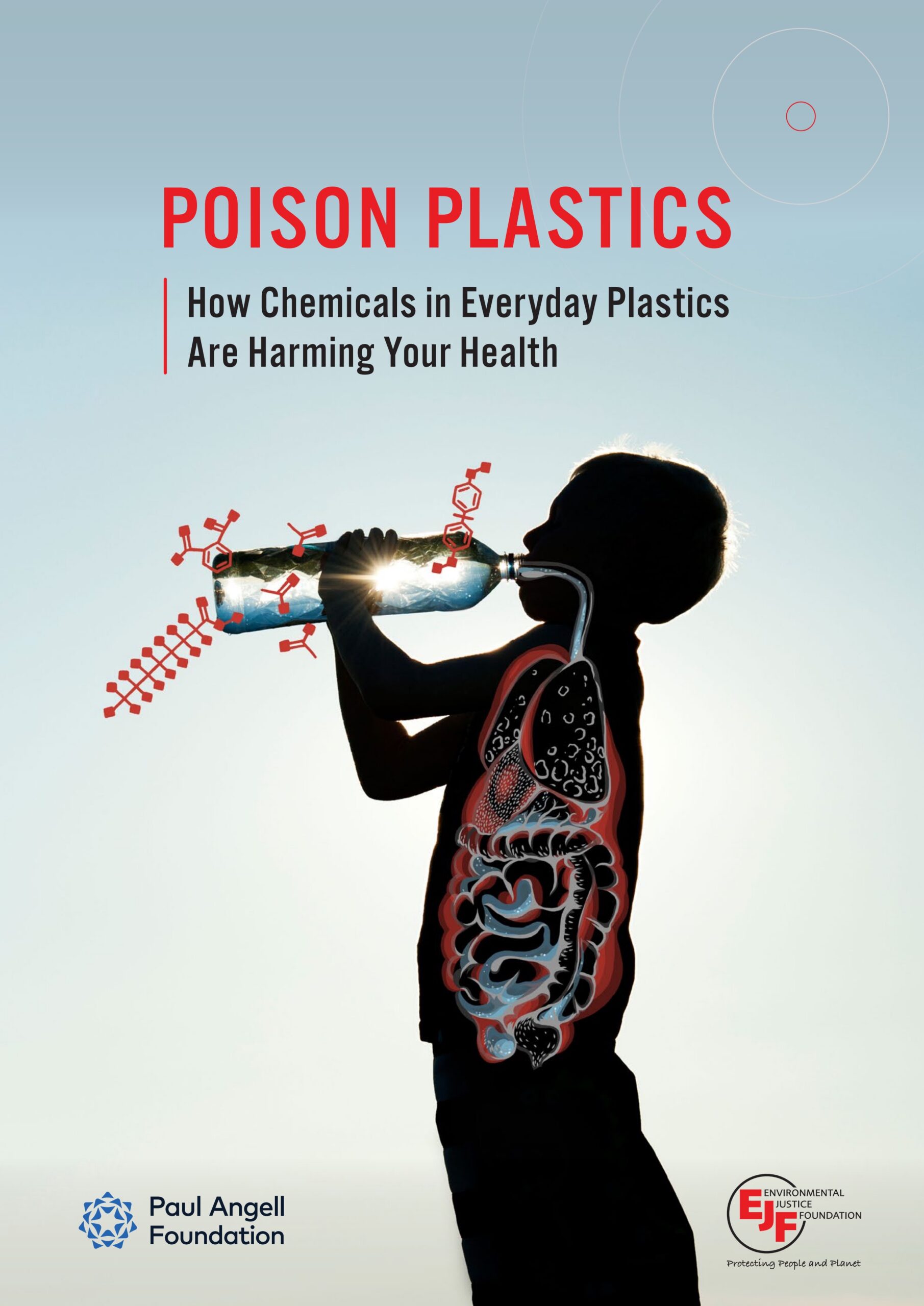
Poison plastics: How chemicals in everyday plastics are harming your health
This Environmental Justice Foundation report examines the health risks associated with chemicals in everyday plastics. It reveals that 92.8% of assessed chemicals pose high risks, including cancer and hormone disruption. The document calls for a Global Plastics Treaty to reduce production and eliminate hazardous substances through a precautionary approach.
Financing Nature: A mid-decade update: From isolated progress to implementation at scale
This report updates the global biodiversity financing landscape, identifying a US$1.317 trillion annual funding gap. It highlights that nature-negative flows reach US$7.3 trillion annually. Key recommendations include urgent subsidy reform, scaling nature-based solutions, and leveraging technological innovation to transition from isolated progress to large-scale implementation.
Climate-related risks, opportunities and impacts – Identification to quantification: An approach for identifying and assessing climate-related risks and opportunities and their associated anticipated impacts and anticipated financial impacts
This guidance for New Zealand climate reporting entities details a five-phase framework to identify and assess climate-related risks and opportunities. It provides a structured approach for moving from qualitative impact assessment to the quantification of financial impacts, supporting compliance with climate standards and strengthening strategic resilience.
Manufactured consent: Stopping the harm from manipulative lead generation
Lead generation in Australia's digital economy has become a significant source of consumer harm, involving the harvesting of contact details for sales pitches. This report examines manipulative practices that manufacture consent to avoid consumer protections, highlighting the $1 billion loss from the First Guardian and Shield Master Funds collapse.
State of sustainable business 2026
This 2026 research identifies a shift toward a pragmatic era in corporate sustainability, dominated by regulatory compliance. Key findings reveal a disconnect between sustainability teams and executives, stagnant budgets, and a focus on direct operations. AI adoption is rising for reporting, though formal governance remains nascent.
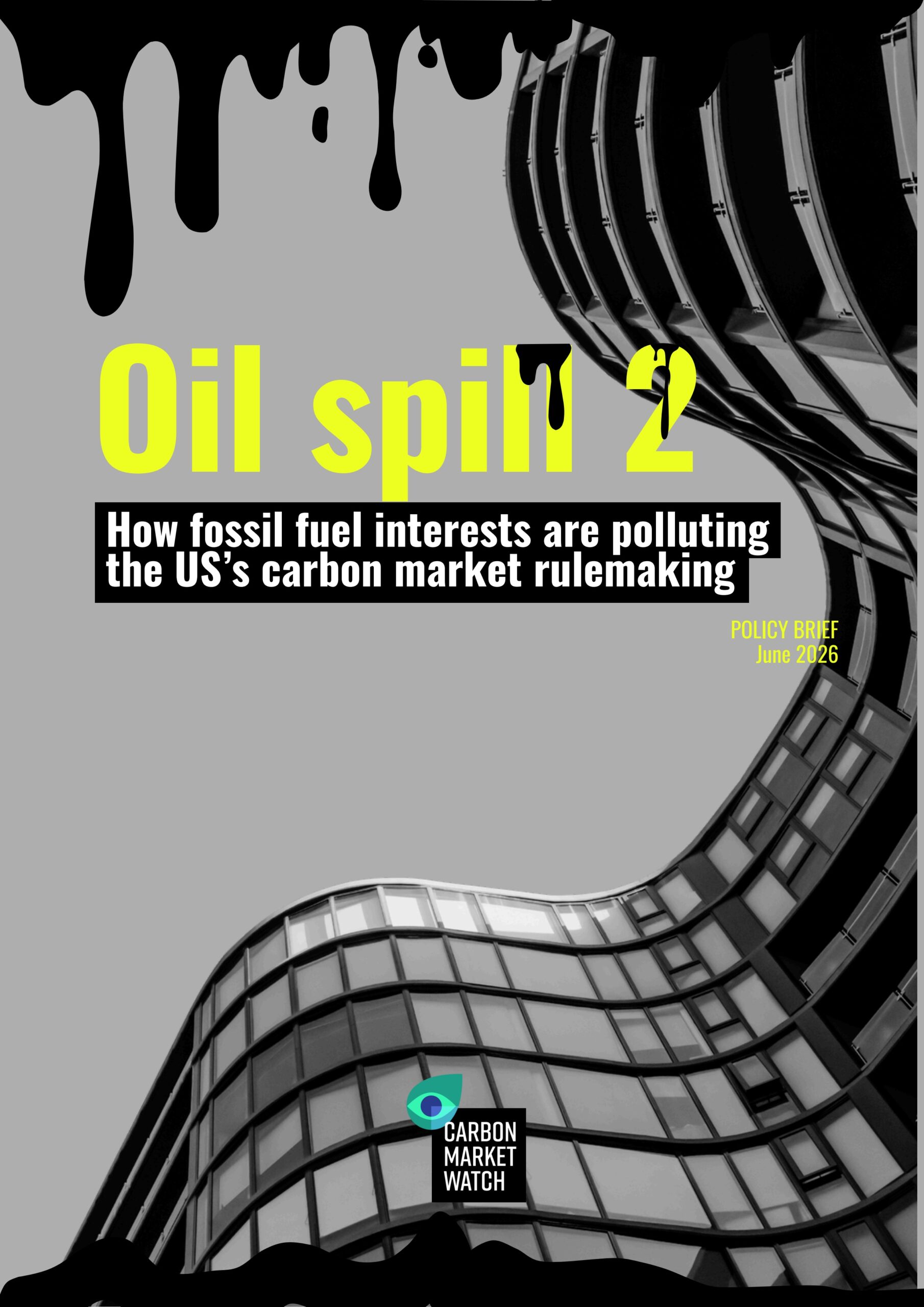
Oil spill 2: How fossil fuel interests are polluting the US's carbon market rulemaking
This report investigates the influence of fossil fuel companies and trade associations on US carbon market regulations. It details extensive lobbying in California and representative roles at the federal level, arguing that these efforts maintain low-quality credits to delay genuine decarbonisation and enable greenwashing.
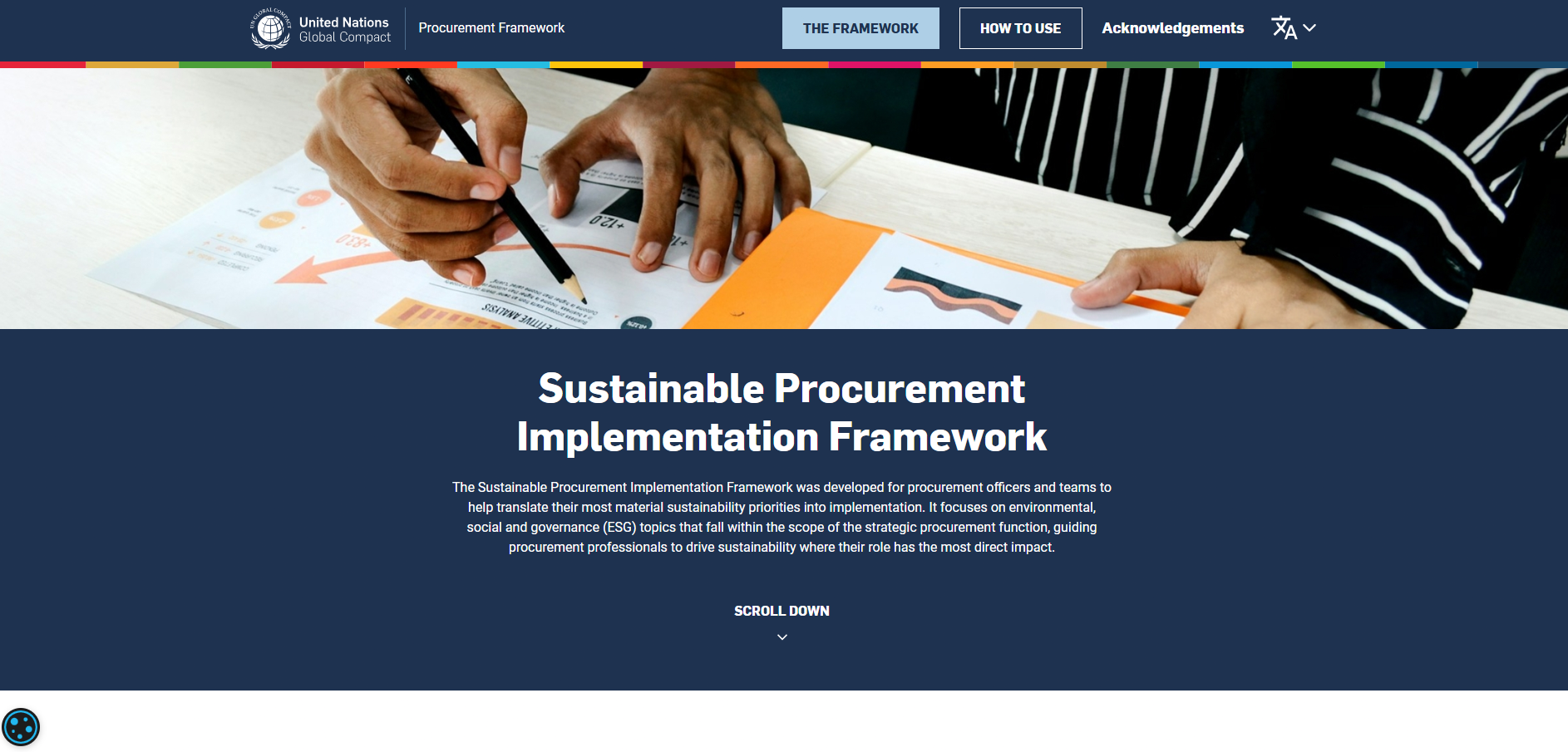
Sustainable Procurement Implementation Framework
The Sustainable Procurement Implementation Framework, developed by the UN Global Compact, provides private sector procurement teams with practical, step-by-step guidance to embed ESG priorities into the procurement cycle and supply chain management.
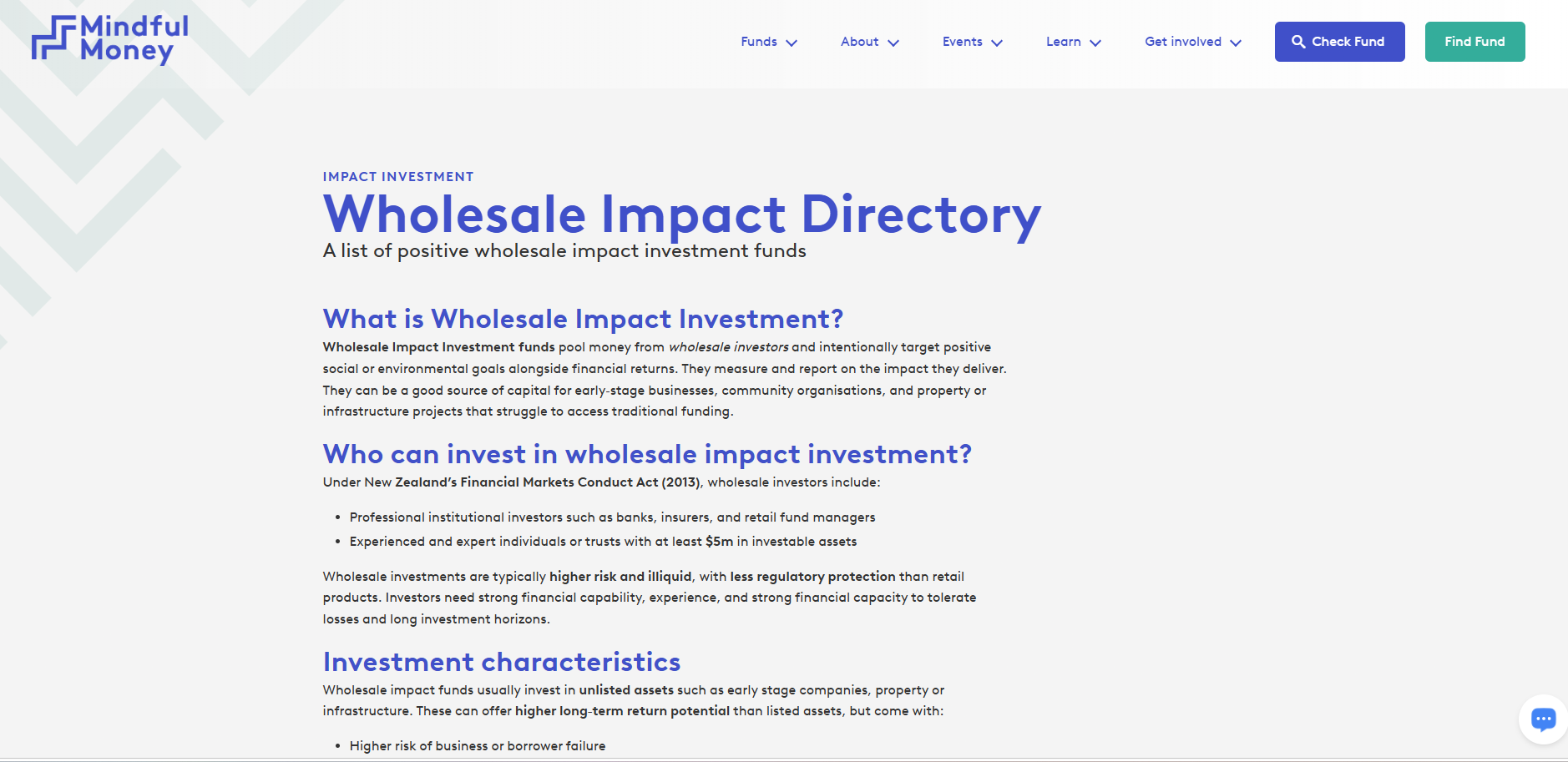
Wholesale Impact Funds Directory
A directory of New Zealand wholesale impact investment funds targeting social and environmental goals. It identifies specialist managers across climate solutions, affordable housing and renewable infrastructure.
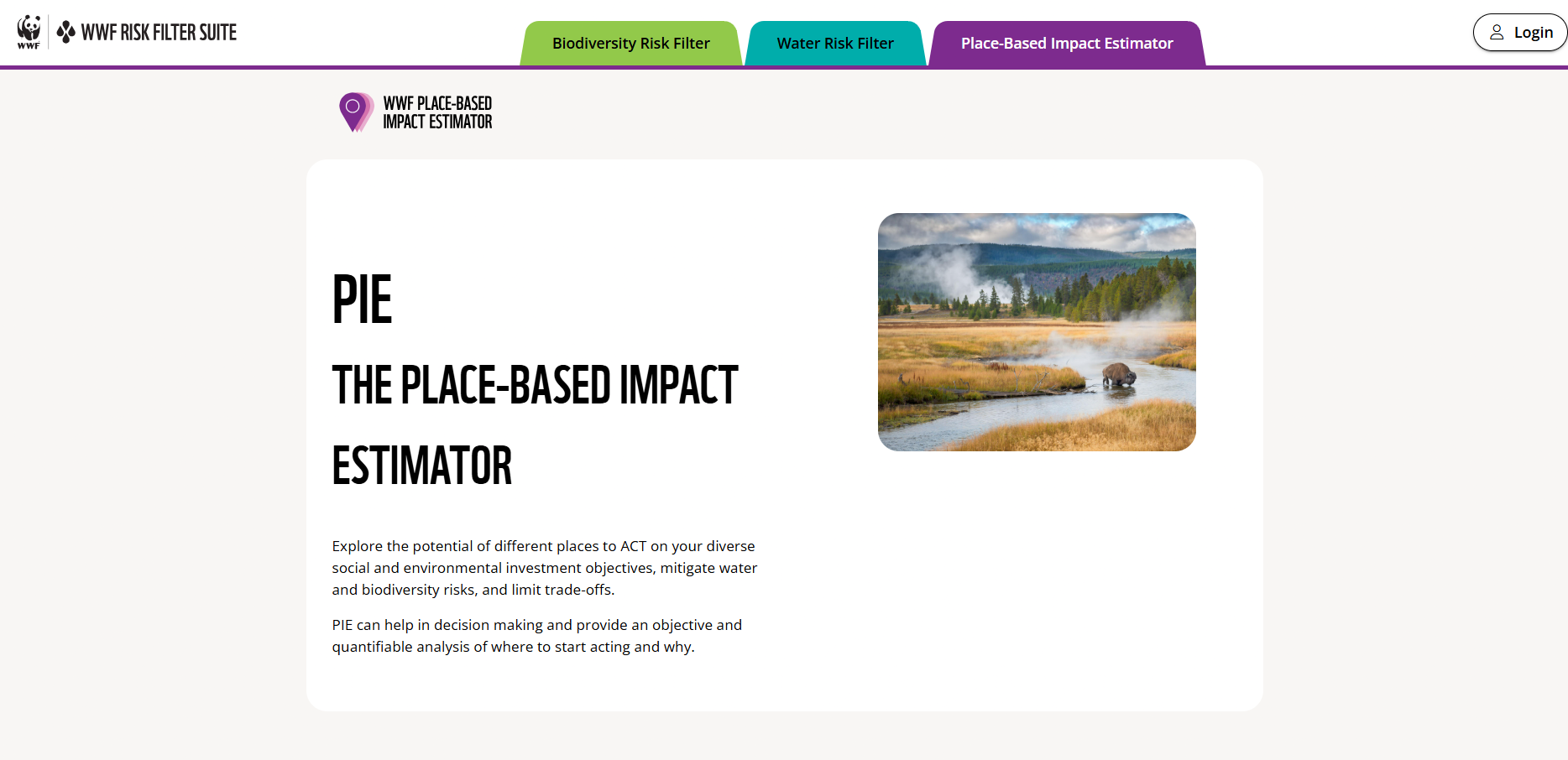
Place-based biodiversity investment tool
The Place-based Impact Estimator (PIE) is a geospatial tool by WWF that helps organisations identify optimal locations for nature-based investments. It balances objectives like carbon storage and biodiversity to help finance professionals select high-impact projects while managing environmental trade-offs.
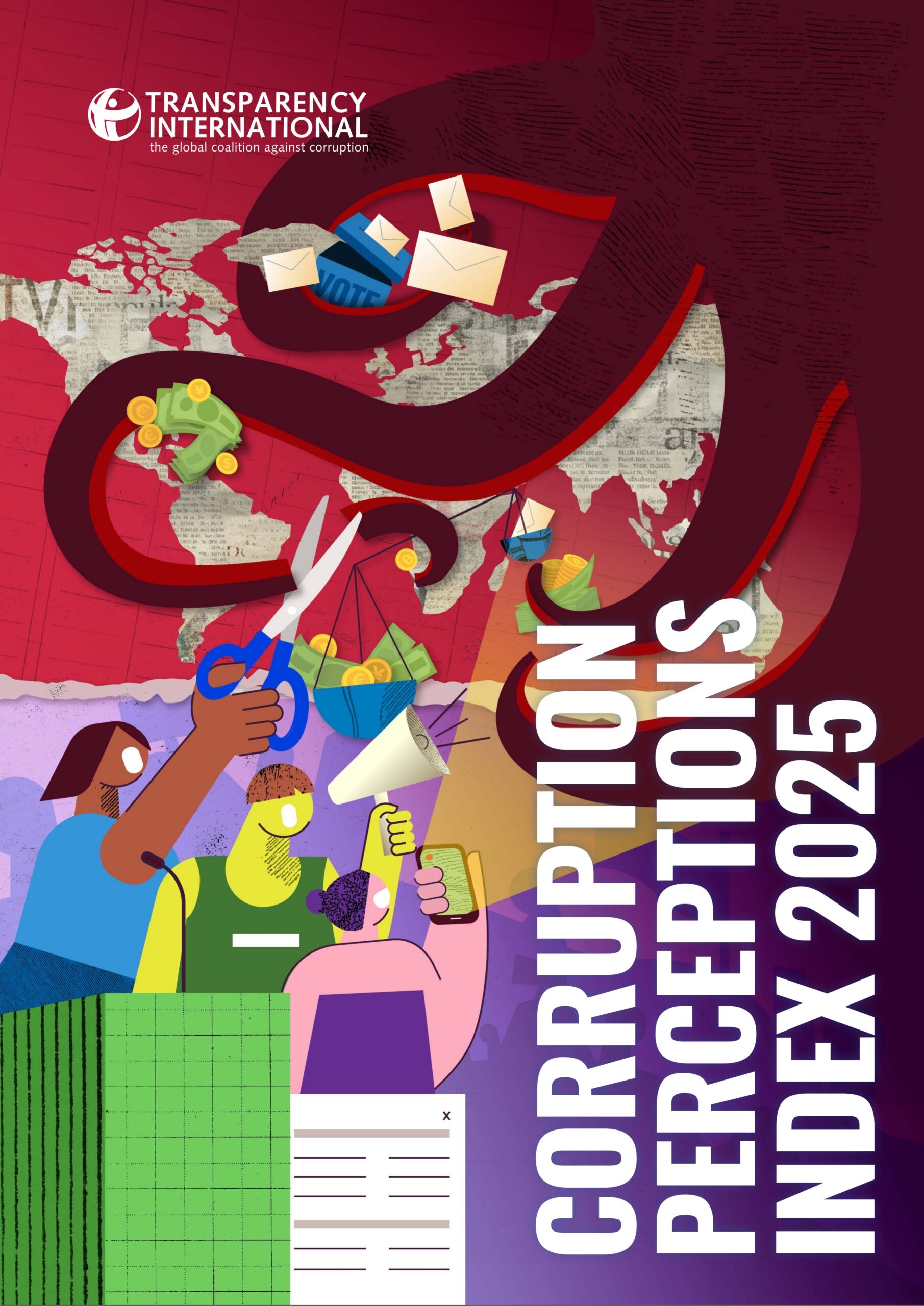
Corruption perceptions index series
The Corruption Perceptions Index is a global benchmark series assessing perceived public sector corruption levels across 182 countries and territories. Produced by Transparency International, the index draws on independent data to provide comparative scores, assisting stakeholders in identifying governance risks and evaluating the effectiveness of anti-corruption reforms and institutional integrity.
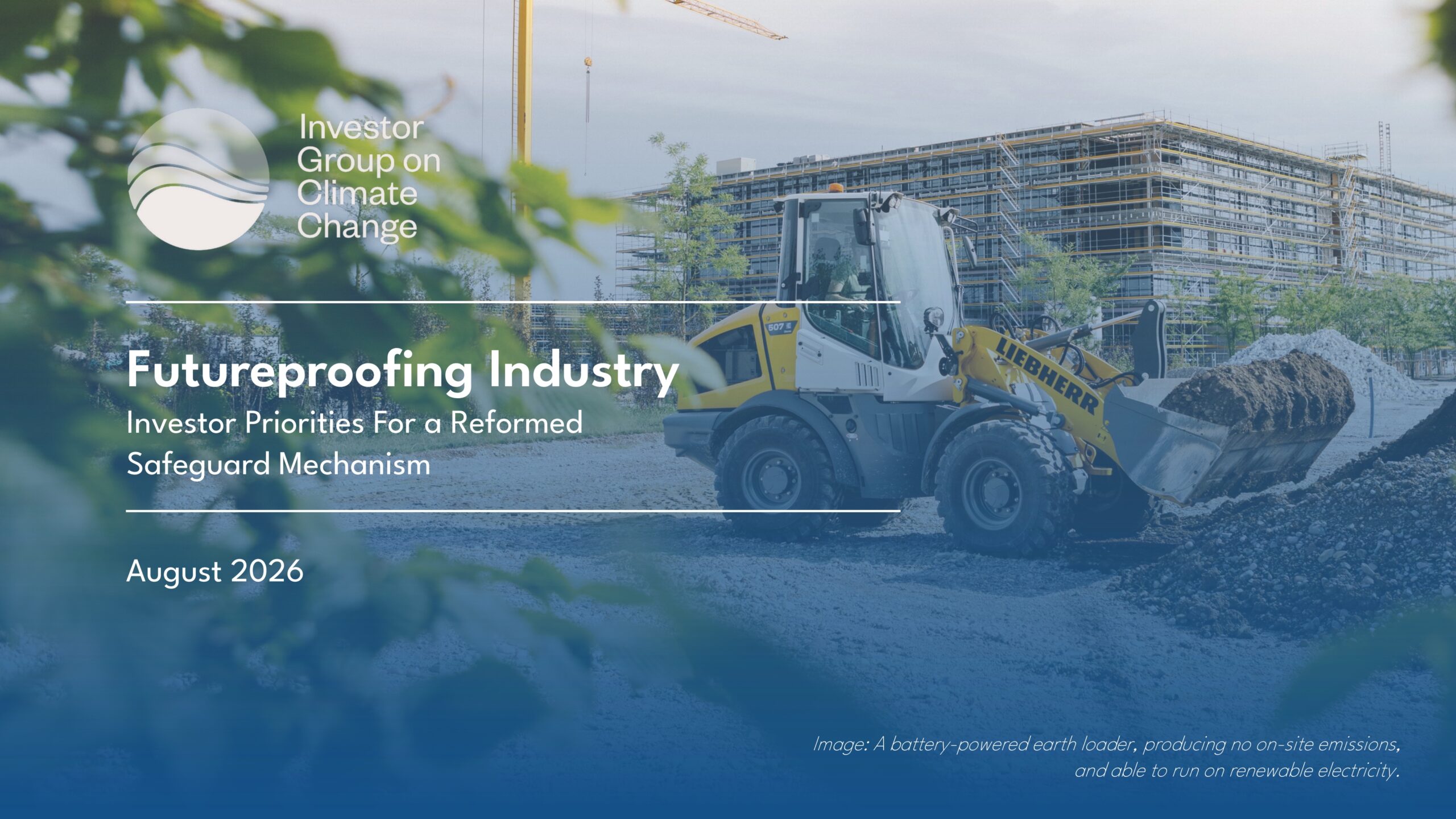
Futureproofing industry: Investor priorities for a reformed Safeguard Mechanism
This report outlines investor priorities for reforming Australia's Safeguard Mechanism during the 2026-27 review. It recommends a seven per cent annual decline rate to align with 2035 climate targets, expanding scheme coverage, and implementing financial supports to incentivise on-site abatement over carbon offsets to ensure long-term industrial competitiveness.
ESG ratings and the French Duty of Vigilance Law
An analysis of the 2017 French Duty of Vigilance Law’s impact on corporate ESG and financial performance. Using difference-in-differences analysis, the study finds a significant negative association with social and environmental ESG scores, suggesting the law reduces rating "gaming" or prompts the production of more realistic risk disclosures.


