
Library | Asset Class
Multi-Asset / General
Investment strategies that allocate across multiple asset classes (e.g., equities, bonds, real estate, alternatives) for diversification.
Refine
1367 results
REFINE
SHOW: 16


Handbook of sustainable finance
This handbook explains sustainable finance concepts, ESG scoring, regulation, reporting, sustainable products, impact investing, biodiversity, climate risk measurement, transition and physical risk modelling, portfolio construction, stress testing and risk management for finance practitioners.
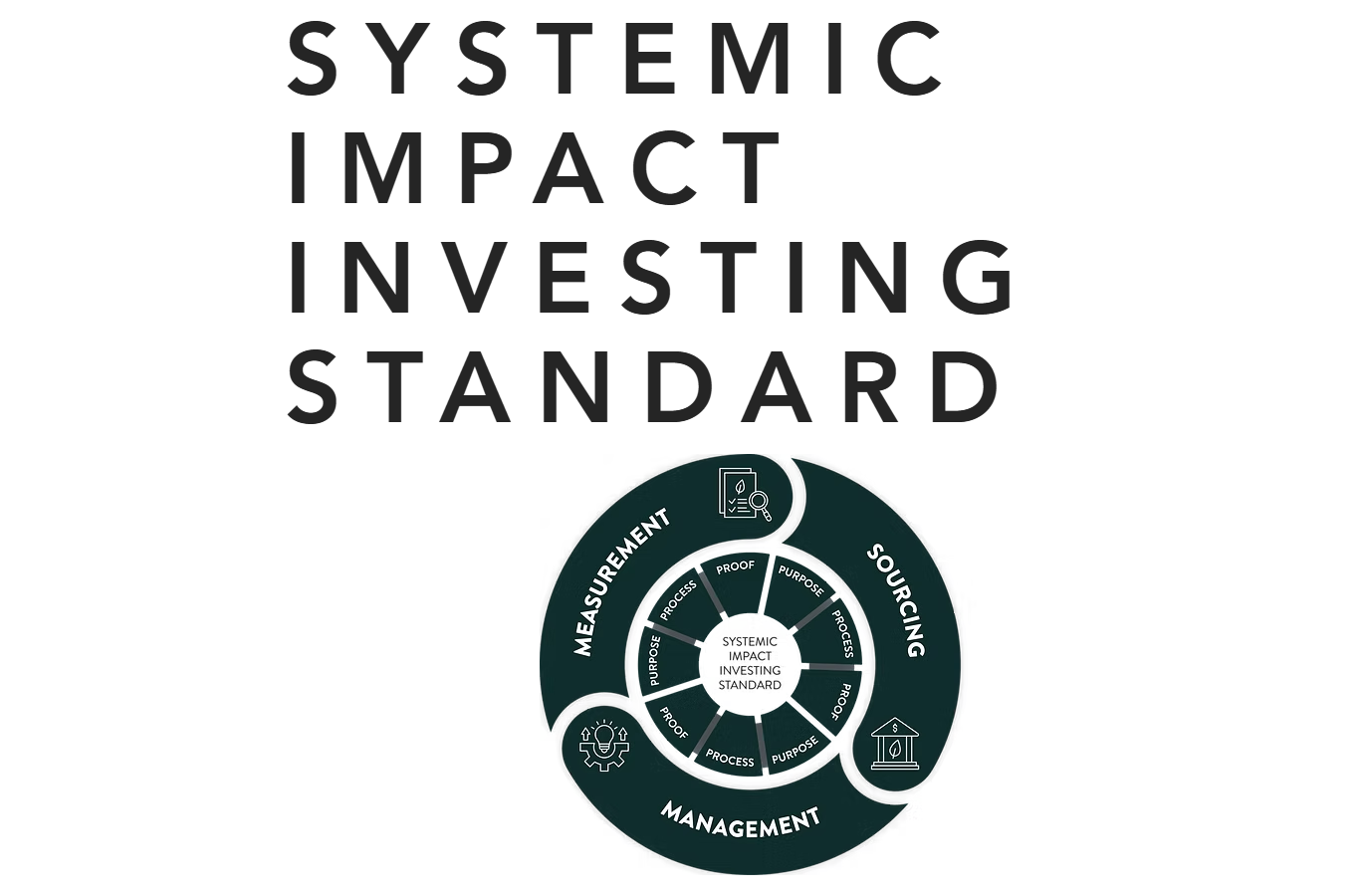
Systemic Impact Investment Standard
The Systemic Impact Investing Standard is an independently audited framework enabling asset owners to assess whether asset managers’ strategies, processes and outcomes align with delivering systemic impact. It supports improved investment decision-making by emphasising sourcing, management and measurement practices that generate credible, system-level social and environmental outcomes.
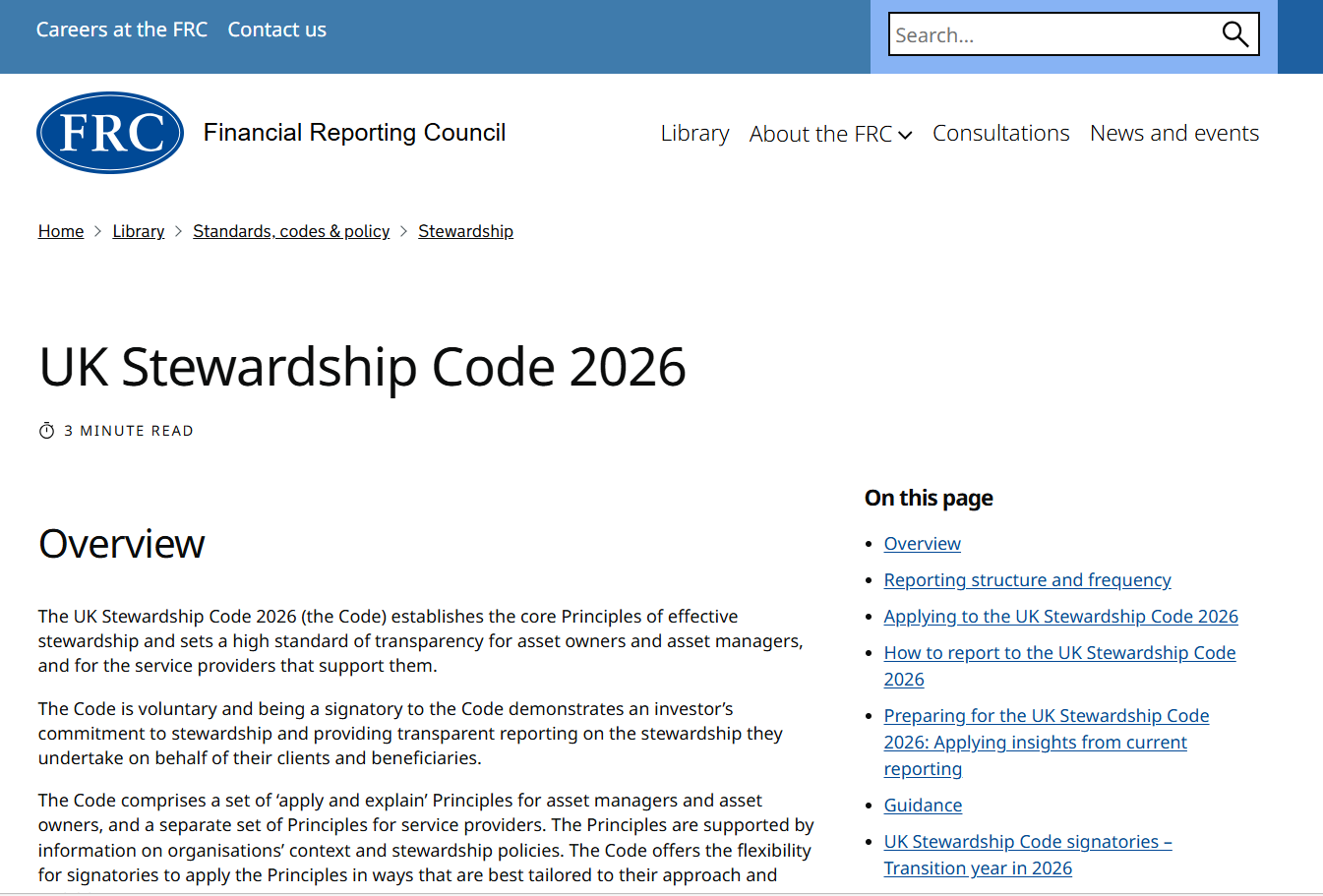
UK Stewardship Code 2026
The UK Stewardship Code (2026) sets voluntary principles for asset owners, managers and service providers to demonstrate effective stewardship through transparent, outcomes-focused reporting, supporting responsible capital allocation and long-term value creation for clients and beneficiaries.
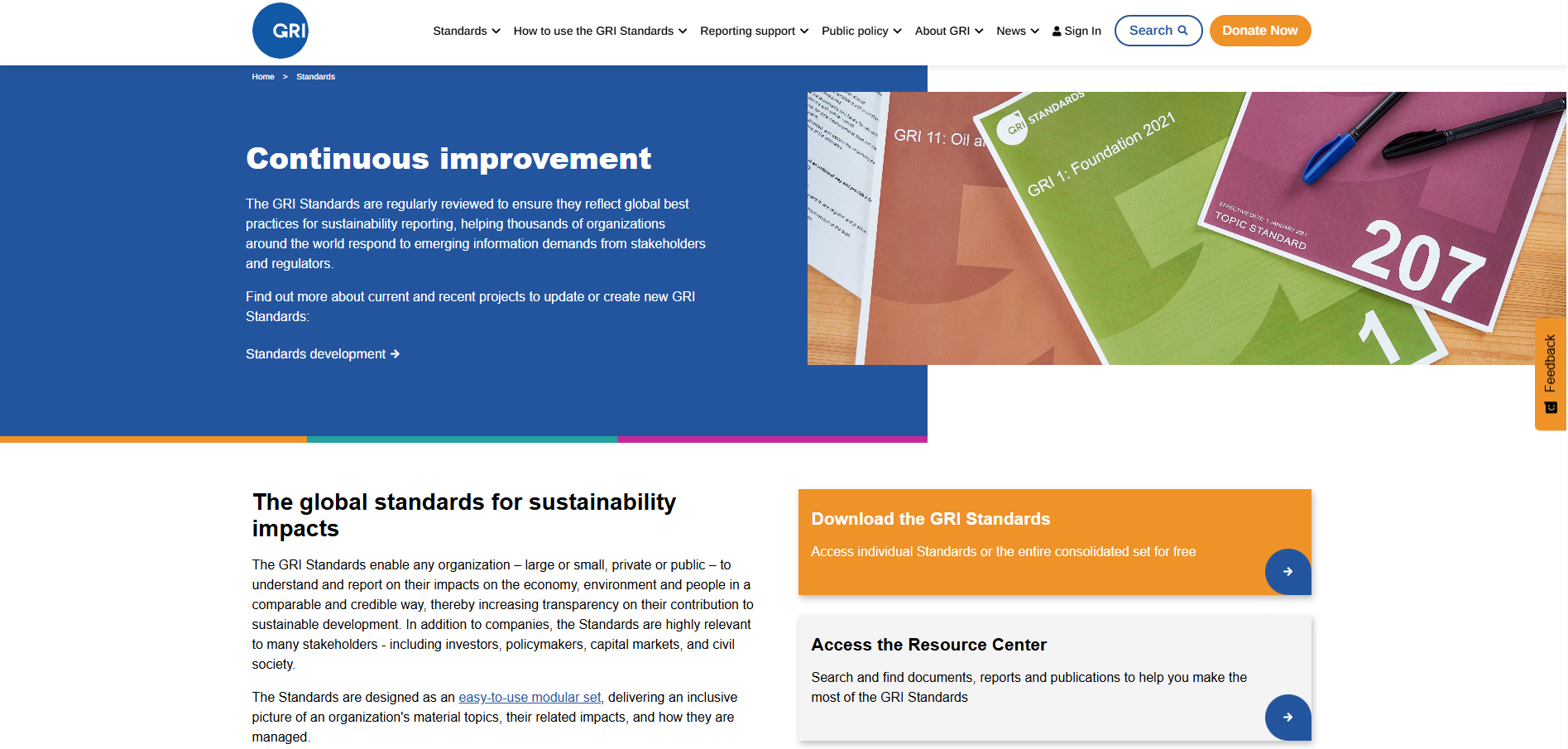
GRI Standards
The GRI Standards are globally recognised sustainability reporting guidelines enabling organisations to disclose economic, environmental and social impacts in a consistent and comparable way. They support transparency, accountability and informed decision-making by helping organisations identify, measure and communicate material ESG impacts and contributions to sustainable development.
IFC's performance standards on environmental and social sustainability
The IFC Performance Standards (2012) form part of the Sustainability Framework, setting requirements for clients to identify, manage, and mitigate environmental and social risks in financed projects. They comprise eight standards covering areas such as labour, resource efficiency, biodiversity, and community impacts, and are widely used as a global benchmark for responsible investment.
Voice of the asset owner: Survey 2025: Quantitative analysis
Global survey of 500+ asset owners finds rising ESG integration, stronger climate strategies, and support for standardised frameworks, alongside regional divergence, especially in the US. Geopolitical risks and regulation shape asset allocation, with some reallocating from US assets and increasing private market exposure.
Tipping points: Decision making under deep uncertainty
Examines climate tipping points and their implications for financial decision-making under deep uncertainty. It outlines risks of abrupt, nonlinear climate shifts, limitations of traditional valuation models, and emerging approaches including scenario analysis, resilience planning and climate intervention, emphasising challenges in pricing, timing and managing long-term systemic risks.
Oxford climate policy monitor: 2025 annual review
Assesses climate policies across 37 jurisdictions and six domains, finding overall strengthening despite political pressures, but slow implementation. Highlights rising policy leadership in developing regions and persistent gaps in ambition and execution relative to Paris Agreement targets.
In focus: Impact investing in Asia
Impact investing in Asia is expanding, with $80 billion allocated and strong investor satisfaction. Returns largely meet or exceed expectations, led by private equity. Capital targets financial services, energy and healthcare, addressing a $1.5 trillion SDG gap, with growing private sector participation and regional variation.

Advancing gender equality through gender lens investing
Examines gender lens investing as an approach integrating gender analysis into investment decisions to promote equality and returns. Outlines strategies, benefits, challenges, and case studies, linking to SDGs and emphasising measurement, engagement, and diverse investment practices.
Investing to reconnect financial value with people, nature and the real economy: An iterative blueprint for capital markets actors, policymakers and regulators
This report outlines a blueprint for reforming capital markets to better reflect human, social and natural capital. It proposes changes to fiduciary duty, financial analysis and policy frameworks to reduce systemic risks and align investment practices with long-term economic, environmental and social outcomes.
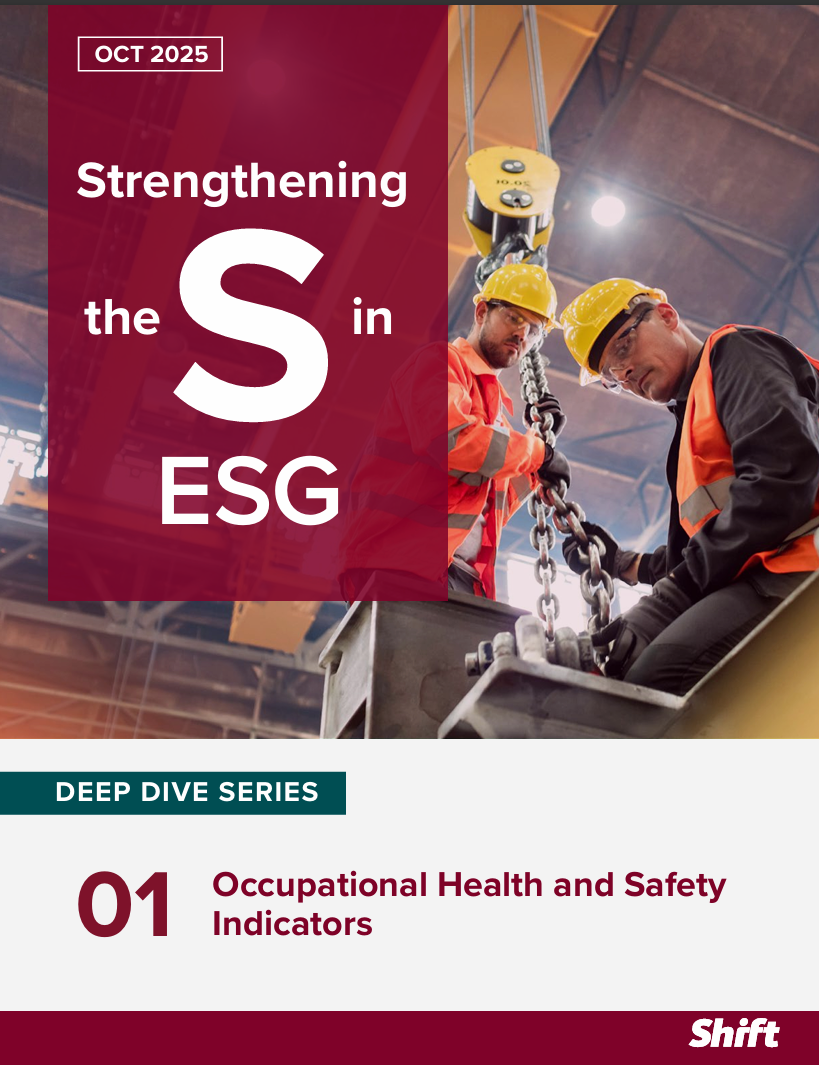
Strengthening the S in ESG series
Strengthening the S in ESG is a research series examining the design and use of social indicators and metrics within ESG frameworks. It provides guidance and analysis to improve how companies’ impacts on people are measured, supporting more decision-useful insights for investors and better alignment with real business practices.
Human rights due diligence in the financial sector: A compendium of industry case studies and practice
Examines how financial institutions implement human rights due diligence, aligned with UNGPs and OECD guidelines, using case studies. Highlights challenges in data, prioritisation and leverage, and emphasises integrating human rights into governance, risk processes and client engagement to manage impacts across lending, investment and insurance activities.
The Climateworks guide to credibility for corporate climate transition plans
Provides an Australian-focused framework for assessing the credibility of corporate climate transition plans, outlining principles, criteria and disclosure expectations. It supports companies, investors and regulators in evaluating emissions targets, governance, strategy alignment and risk management within mandatory climate reporting and net zero transition planning.
Governing for net zero: The board's role in organisational transition planning
This report guides Australian boards on integrating net zero transition planning into strategy, governance, disclosure and stakeholder engagement. It outlines directors’ legal duties, mandatory climate reporting requirements, and practical oversight questions to help organisations manage climate-related risks, opportunities and implementation.
Heightened human rights due diligence
UNDP’s training guide explains heightened human rights due diligence for companies in conflict-affected contexts, outlining frameworks, legal expectations and practical steps to assess, mitigate and remedy impacts on human rights and conflict, supported by case studies and tools to guide implementation.


